Buddismo · Mahayana · Zen / Chan
Huineng
惠能 / 慧能 · 六祖大鑒禪師 · 慧能 (Enō)
638 – 713Storicità dibattuta
Monaco cinese della dinastia Tang, venerato come sesto patriarca del chan e fondatore della scuola del «risveglio improvviso». La tradizione lo presenta come un taglialegna analfabeta che superò con una poesia il discepolo principale del suo maestro e ricevette il mantello di Bodhidharma; la critica moderna ha mostrato che quella biografia fu costruita dal suo seguace Shenhui. Il Sutra della piattaforma, a lui attribuito, è l'opera fondativa del chan e dello zen.
- opere
- 11opere
- edizioni
- 25edizioni
- citazioni
- 8citazioni
- video
- 12video
- immagini
- 5immagini
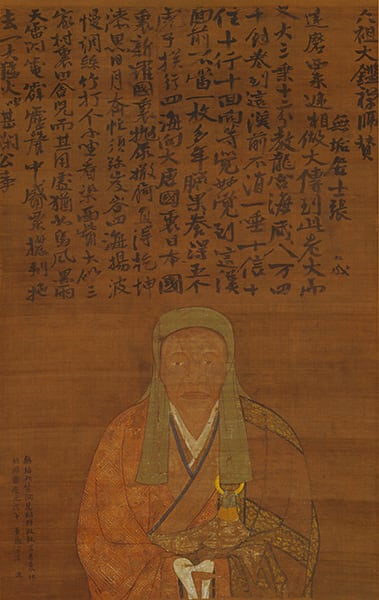
Daikan Zenji (Huineng), templo Shōfukuji · Public domain
Con le sue parole
«Among people there are northerners and southerners; in buddha-nature there is neither north nor south. A barbarian's body is not like Your Reverence's, but what difference is there in buddha-nature?»Sūtra de la plataforma, versión de Dunhuang, respuesta a Hongren (§3 de Yampolsky). Traducción propia del chino clásico.

La sua idea centrale
Buddha-nature is equally present in everyone, regardless of origin, culture or learning: awakening is not a conquest but the recognition of what one already is.
Vederlo nel contesto
Biografia
5 min di lettura
Traduzione assistita dall'originale spagnolo, in attesa di revisione da parte di un traduttore madrelingua.
Il patriarca che fu necessario inventare
Poche figure del buddhismo sono tanto celebri e tanto incerte quanto Huineng, il «sesto patriarca» del chan. Di lui la tradizione sa quasi tutto: che era un taglialegna analfabeta della Cina meridionale, che si illuminò udendo un verso del Sutra del diamante, che superò con una poesia il discepolo principale del suo maestro e ricevette di notte il mantello di Bodhidharma. La storia, invece, sa pochissimo: che esistette un monaco di nome Huineng, discepolo del quinto patriarca Hongren, che insegnò a Caoxi, nel nord del Guangdong, e che morì nel 713 con una fama piuttosto locale. Tutto il resto fu scritto dopo, e in buona parte per necessità: quella di una scuola che cercava un fondatore all'altezza della propria dottrina.
La vita che racconta il sutra
Il racconto canonico è l'autobiografia che apre il Sutra della piattaforma. Huineng, di cognome Lu, nacque nel 638 a Xinzhou, nell'attuale Guangdong; il padre, un funzionario di Fanyang degradato ed esiliato al sud, morì presto, e il ragazzo mantenne la madre vendendo legna al mercato di Nanhai. Un giorno, consegnando una fascina in una locanda, udì un cliente recitare il Sutra del diamante e la sua mente «si aprì». Seppe così che a Huangmei insegnava Hongren, si recò da lui e, quando il maestro lo disprezzò come «barbaro del sud», gli rispose che gli uomini sono del nord o del sud, ma la natura di buddha no. Hongren lo mandò a brillare il riso nel mulino, lontano dalla sala di meditazione, e lì trascorse otto mesi.
Le poesie sul muro
L'episodio centrale è una gara. Hongren chiede ai discepoli una poesia che mostri la loro comprensione e promette il mantello a chi l'abbia raggiunta. Shenxiu, il monaco più rispettato, scrive di notte sul muro del corridoio: il corpo è l'albero del risveglio, la mente uno specchio sul suo supporto; bisogna pulirlo senza sosta perché non vi si posi la polvere. Huineng, che non sa leggere, se la fa leggere e detta la sua risposta. Nella copia di Dunhuang sono due strofe, la prima delle quali dice che il risveglio non ha albero, che lo specchio non ha supporto e che, essendo la natura di buddha sempre pura, non c'è dove la polvere possa posarsi. Solo le edizioni dal X al XIII secolo gli mettono in bocca il verso che tutti conoscono: «fin dal principio non c'è una sola cosa». La differenza non è da poco: la formula più citata dello zen non è la più antica.
Il mantello e la fuga
Hongren, secondo il racconto, cancella la poesia per proteggerne l'autore, va di notte al mulino, gli spiega il Sutra del diamante e gli consegna il mantello e la ciotola, segni della trasmissione. Lo accompagna fino al fiume e gli consiglia di fuggire. Al passo di Dayu lo raggiunge un ex generale, Huiming, che vuole strappargli il mantello e non riesce a sollevarlo da terra; la versione tarda aggiunge che Huineng gli chiese quale fosse il suo volto originario prima di pensare al bene e al male. Le edizioni successive gli fanno trascorrere quindici anni nascosto tra cacciatori, mangiando verdure cotte nelle loro pentole per la carne, prima di presentarsi al tempio Faxing di Canton, dove due monaci discutevano se si muovesse la bandiera o il vento: «né il vento né la bandiera; a muoversi è la vostra mente». Il maestro del tempio, Yinzong, lo avrebbe allora ordinato.
Il sermone di Dafan
Il testo che lo rese famoso si presenta come la trascrizione di un sermone tenuto nel tempio Dafan di Shaozhou, davanti al prefetto Wei Qu, a monaci, letterati e più di mille ascoltatori, raccolto dal suo discepolo Fahai. Insegna che il risveglio è improvviso perché la natura propria è già pura, che meditazione e saggezza sono una cosa sola — come la lampada e la sua luce — e che il metodo si riassume nell'assenza di pensiero, nell'assenza di forma e nell'assenza di dimora: non sopprimere i pensieri, ma non restarne prigionieri. Conferisce inoltre dei «precetti senza forma» e critica la meditazione seduta che si limita a non muoversi. Huineng morì nel 713 nel tempio Guoen della sua città natale, a settantasei anni secondo il sutra, e il suo corpo fu portato a Caoxi; quello che si venera nel tempio Nanhua come la sua mummia lo vide già il gesuita Matteo Ricci nel 1589.
Shenhui e la fabbrica del sesto patriarca
La critica moderna ebbe inizio intorno al 1930, quando il filosofo Hu Shi trovò tra i manoscritti di Dunhuang le opere di Shenhui (684-758), un monaco che si diceva discepolo di Huineng. Nel 732, in un'assemblea pubblica a Huatai, Shenhui accusò la scuola di Shenxiu — la più potente della capitale — di aver usurpato la successione: il vero erede di Hongren era il suo maestro, lo sconosciuto del sud, e il vero insegnamento era quello improvviso, non quello graduale. Hu Shi concluse che lo stesso Sutra della piattaforma era opera di Shenhui o della sua cerchia; la copia di Dunhuang contiene perfino una profezia secondo cui, vent'anni dopo la morte del maestro, qualcuno avrebbe rischiato la vita per difenderne la dottrina, il che è esattamente ciò che fece Shenhui. Philip Yampolsky, che pubblicò e tradusse nel 1967 il testo di Dunhuang, sfumò la tesi: il sutra fu composto intorno al 780 a partire da materiali di provenienza diversa; Yanagida Seizan propose che il suo compilatore appartenesse alla scuola della Testa di Bue, idea che John McRae fece propria. McRae, nei suoi studi sulla scuola del nord e in Seeing through Zen, mostrò che l'opposizione tra improvviso e graduale era soprattutto un'arma polemica, e formulò la regola con cui oggi si legge Huineng: non è vero, e per questo è più importante.
Tre versioni di un libro
Il Sutra della piattaforma è l'unico testo cinese di un maestro ad aver ricevuto il titolo di jing, «sutra», riservato alla parola del Buddha, e non ha mai smesso di crescere. La copia più antica conservata, trovata a Dunhuang e oggi alla British Library, risale alla metà del IX secolo e conta circa dodicimila caratteri; in Cina si conservano altre copie di Dunhuang. Nel 967 il monaco Huixin la riorganizzò in due fascicoli e undici sezioni, versione che si è conservata in Giappone; nel 1056 Qisong ne preparò un'altra, andata perduta; e nel 1291 Zongbao pubblicò quella destinata a diventare canonica, di oltre ventimila caratteri in dieci capitoli, con gli episodi dei cacciatori, della bandiera e del volto originario. Morten Schlütter ha mostrato che questi ampliamenti rispondevano alle dispute delle scuole chan dell'epoca Song. Nel XIII secolo Dōgen la respinse come apocrifa; il lignaggio di Linji, da cui discende lo zen di Hakuin, e quello di Caodong, da cui discendono lo zen di Dōgen e quello di Shunryu Suzuki, continuano a riconoscere in Huineng la loro radice comune.
Fonti: Yampolsky, Philip B. (ed. y trad.). The Platform Sutra of the Sixth Patriarch: The Text of the Tun-huang Manuscript. Nueva York: Columbia University Press, 1967; reed. 2012 (ISBN 9780231159562). · McRae, John R. Seeing through Zen: Encounter, Transformation, and Genealogy in Chinese Chan Buddhism. Berkeley: University of California Press, 2003. ISBN 0520237986. · McRae, John R. (trad.). The Platform Sutra of the Sixth Patriarch, translated from the Chinese of Tsung-pao. Berkeley: Numata Center for Buddhist Translation and Research, 2000. ISBN 1886439133. · McRae, John R. The Northern School and the Formation of Early Ch'an Buddhism. Honolulu: University of Hawai'i Press (Kuroda Institute), 1986. · Schlütter, Morten y Stephen F. Teiser (eds.). Readings of the Platform Sūtra. Nueva York: Columbia University Press, 2012. ISBN 9780231158206.
Cronologia
La vita, anno per anno
Ogni punto è un evento documentato. Fai clic per leggerlo, con la sua fonte e il suo grado di certezza.
6380 anniXinzhou (Xinxing, Guangdong)
Birth in Xinzhou
Born in Xinzhou (Guangdong) into the Lu family; his father, an official from Fanyang, had been demoted and banished to the south.
TradizioneWikisource en chino: 南宗頓教最上大乘摩訶般若波羅蜜經六祖惠能大師於韶州大梵寺施法壇經 (texto de la copia de Dunhuang, compilado por Fahai).
Dopo la sua morte
- 732Shenhui at Huatai
- ca. 780Compilation of the Platform Sūtra
- 796The court recognises the Southern line
- ca. 816Posthumous title Dajian
- 967Huixin's version
- 1291Zongbao's version
- 1589Matteo Ricci at the Nanhua temple
- 1930Hu Shi and modern criticism
- 1967Yampolsky's edition
638 · 0 anni
Birth in Xinzhou
Born in Xinzhou (Guangdong) into the Lu family; his father, an official from Fanyang, had been demoted and banished to the south.
Tradizione
ca. 661
Reaches Huangmei and meets Hongren
After hearing the Diamond Sūtra he travels to Mount Huangmei; Hongren sends him to the mill. Date inferred from traditional chronology.
Tradizione
ca. 661
Poem contest and transmission of the robe
He answers Shenxiu's poem, receives the robe at night and flees south.
Tradizione
ca. 676
Ordination at the Faxing temple
After years in hiding he appears in Canton during the wind-and-banner dispute and is ordained by Yinzong; Wang Wei's stele already mentions Yinzong.
Tradizione
ca. 677
Teaches at Caoxi
He settles at the Baolin temple (now Nanhua) at Caoxi, near Shaozhou, where he will teach until his death.
Probabile
ca. 700
The sermon at the Dafan temple
According to the sūtra, he preaches before prefect Wei Qu and over a thousand listeners; Fahai records the sermon. Date unknown.
Tradizione
713 · 76 anni
Death at the Guoen temple
He dies on the third day of the eighth month of the second Xiantian year, aged seventy-six according to the sūtra; his body is taken to Caoxi.
Documentato
732
Shenhui at Huatai
At a public assembly Shenhui proclaims Huineng sixth patriarch and attacks Shenxiu's school; the construction of the figure begins.
Documentato
ca. 780
Compilation of the Platform Sūtra
Date proposed by Yampolsky for the composition of the text preserved at Dunhuang.
Probabile
796
The court recognises the Southern line
According to Zongmi, an imperial commission recognises the Southern school as the orthodox transmission and Shenhui as seventh patriarch.
Probabile
ca. 816
Posthumous title Dajian
Emperor Xianzong grants him the title Chan Master Dajian, “Great Mirror”; Liu Zongyuan composes the stele.
Probabile
967
Huixin's version
Huixin reorganises the sūtra into two fascicles and eleven sections.
Documentato
1291
Zongbao's version
Zongbao publishes the edition that will enter the Ming canon and become canonical.
Documentato
1589
Matteo Ricci at the Nanhua temple
The Jesuit sees the mummified body venerated as Huineng's and describes it in his journals.
Documentato
1930
Hu Shi and modern criticism
Hu Shi publishes Shenhui's works found at Dunhuang and attributes the Platform Sūtra to his circle.
Documentato
1967
Yampolsky's edition
Philip Yampolsky publishes the Dunhuang text with translation and study; the same year Yanagida Seizan's study of early Chan histories appears.
Documentato
Opere
Opere essenziali
Le opere senza le quali non si comprende la sua eredità.
Raccolta posteriore · ca. 780
The Platform Sūtra of the Sixth Patriarch
六祖壇經 (Liuzu tanjing) · 六祖大師法寶壇經 (Liuzu dashi fabao tanjing) · título de Dunhuang: 南宗頓教最上大乘摩訶般若波羅蜜經六祖惠能大師於韶州大梵寺施法壇經
The master's autobiography (the woodcutter, the poem contest, the transmission of the robe), a sermon on wisdom (prajñā), the formless precepts, the unity of meditation and wisdom and the triple principle of no-thought, no-form and no-abiding, followed by dialogues with disciples and the account of his death. It is the only text by a Chinese master to bear the title of sūtra and the founding work of all later Chan and Zen.
13 edizioni

Manoscritto · ca. 780
Platform Sūtra: the Dunhuang version
南宗頓教最上大乘摩訶般若波羅蜜經六祖惠能大師於韶州大梵寺施法壇經一卷 (copia Stein 5475 y otras de Dunhuang)
Some twelve thousand characters in a single fascicle, without chapters (Suzuki and Yampolsky divided it into 57 sections). Huineng answers Shenxiu with two stanzas, not with the famous “from the beginning there is not a single thing”; the episodes of the hunters, the banner and the original face are missing. Its language is full of copying errors that scholars have had to correct.
3 edizioni
Huineng
Platform Sūtra: the Zongbao version (1291)
Edizione critica · 1291
Platform Sūtra: the Zongbao version (1291)
六祖大師法寶壇經 (versión de Zongbao 宗寶, 1291; Taishō n.º 2008)
Ten chapters and over twenty thousand characters: it adds the fifteen years among hunters, the wind-and-banner episode, the question to Huiming about his original face and many dialogues with disciples. It is the basis of the first English translation (Wong Mou-lam, 1930) and of McRae's (2000).
3 edizioni
Tutta la sua opera (11)
Huineng
Platform Sūtra: the Huixin version (967)
The Conscious LibraryPlatform Sūtra: the Huixin version (967)
967
Huineng
Platform Sūtra: the Qisong version (1056, lost)
The Conscious LibraryPlatform Sūtra: the Qisong version (1056, lost)
1056
Huineng
Commentary on the Diamond Sūtra (attributed)
The Conscious LibraryCommentary on the Diamond Sūtra (attributed)
Huineng
Treatise Determining the True and False about the Southern School (Shenhui)
The Conscious LibraryTreatise Determining the True and False about the Southern School (Shenhui)
732
Huineng
Stele for Chan Master Neng (Wang Wei)
The Conscious LibraryStele for Chan Master Neng (Wang Wei)
750

Seeing through Zen (John McRae)
2003

Inventing Hui-neng (John Jorgensen)
2005
Huineng
Readings of the Platform Sūtra (Schlütter and Teiser, eds.)
The Conscious LibraryReadings of the Platform Sūtra (Schlütter and Teiser, eds.)
2012
Citazioni
Citazioni localizzate in un'opera precisa. Ciascuna porta con sé la sua provenienza e il suo grado di affidabilità.
Among people there are northerners and southerners; in buddha-nature there is neither north nor south. A barbarian's body is not like Your Reverence's, but what difference is there in buddha-nature?人即有南北,佛性即無南北;獵獠身與和尚不同,佛性有何差別?
VerificataSūtra de la plataforma, versión de Dunhuang, respuesta a Hongren (§3 de Yampolsky). Traducción propia del chino clásico.
Idee essenziali (sintesi editoriale)
Per rispetto del diritto d'autore, queste idee sono riassunte con parole nostre e non sono presentate come citazioni letterali.
- Buddha-nature is equally present in everyone, regardless of origin, culture or learning: awakening is not a conquest but the recognition of what one already is.
- Awakening is sudden because there is nothing to build: what gradual practice tries to polish is already pure; the degrees lie in people, not in the truth.
- Meditating is not blanking the mind nor staying motionless: it is not being caught in thoughts while thinking, not stopping at any form while perceiving.
- Meditation and wisdom are not two stages but the substance and function of the same thing, like the lamp and its light.
- The Pure Land, the Buddha and the precepts are not outside: if the mind is pure, the place where one stands is the Pure Land.
Citazioni apocrife o di attribuzione discussa (1)
«From the beginning there is not a single thing.»
Huineng's most famous line does not appear in the oldest copy of the Platform Sūtra (Dunhuang, ninth century), where the third line says that buddha-nature is always pure; it appears in the Huixin (967) and Zongbao (1291) versions. It is not false as a text of the tradition, but it cannot safely be attributed to the historical Huineng.
Ultime parole
Attribuzione tradizionale
«Stay well; now I take leave of you. When I am gone, do not weep after the fashion of the world… When I am gone, simply practise according to the Dharma and it will be as when I was alive; if I remained in the world and you disobeyed the teaching, there would be no use in my staying.»汝等好住,今共汝別。吾去以後,莫作世情悲泣……吾去以後,但依法修行,共吾在日一種;吾若在世,汝違教法,吾住無益。
Final words that the Dunhuang copy of the Platform Sūtra attributes to Huineng at the Guoen temple in Xinzhou, in the eighth month of the second Xiantian year (713), after reciting the “verse of true liberation in seeing the buddha of one's own nature”; the text adds that he died in the third watch of the night, aged seventy-six. It is an account composed decades later; the Zongbao version expands it. Translation by the researcher from the Chinese.
Fonte: Wikisource en chino: 南宗頓教最上大乘摩訶般若波羅蜜經六祖惠能大師於韶州大梵寺施法壇經 (texto de la copia de Dunhuang, compilado por Fahai).
Chiedi
Ciò a cui risponde la sua opera
Dodici grandi domande dell'umanità e ciò che i suoi testi permettono di rispondere, con riferimenti. Non gli mettiamo mai parole in bocca.
Che cos'è l'Assoluto? Dio esiste?
The buddha is in one's own nature, ever pure, not outside
Un Assoluto impersonaleLo dice espressamente
The Platform Sūtra, which presents itself as Huineng's sermon recorded by his disciple Fahai but is a later compilation, locates the ultimate in each person's «own nature» (zixing). In the Dunhuang version it invites listeners to take refuge in the three bodies of the buddha within their own body: the buddha is not outside but in one's own nature, which is ever pure. No creator god appears, nor any being who governs the world; nor an Absolute that could be spoken of as an object, since one's own nature is seen, not defined. The most famous verse, in Zongbao's late version, sums it up by saying that from the beginning there is not a single thing.
Confronta questa domanda con altri maestriChi sono io? Esiste un vero sé?
Seeing one's own nature is buddhahood: the original face, prior to good and evil
Il Sé è l'AssolutoLo dice espressamente
The Platform Sūtra turns on one formula: seeing one's own nature (jianxing) and attaining buddhahood. That nature does not distinguish between north and south, between a barbarian and an abbot, as Huineng answers Hongren in the Dunhuang version; it is complete in each person and ever pure. What is taken for the self, the one that clings to thoughts and forms, is the confusion that hides it: when one is confused, the buddha is a living being; when one awakens, the living being is buddha. Zongbao's late version condenses the question in the scene at the Dayu pass: without thinking of good or evil, at this very moment, what is your original face? The true self is not the ego but that awakened nature.
Confronta questa domanda con altri maestriPerché soffriamo?
Confused, we are suffering beings; awakened, we are buddhas
L'ignoranza di ciò che siamoSi deduce dalla sua dottrina
The Platform Sūtra does not develop a theory of suffering: it locates it in confusion (mi) about one's own nature. In the Dunhuang version, the difference between the ordinary being and the buddha is only one of confusion and awakening; one confused thought suffices to be an ordinary being and one awakened thought to be a buddha. Confusion consists in being caught in thoughts, in stopping at forms and in seeking outside what is within: a buddha, a Pure Land, merit. Hence the method is summed up in no-thought, no-form and no-abiding. We suffer because we do not know what we are and identify with what passes through the mind, not because there is anything to purify in a nature that is already pure.
Confronta questa domanda con altri maestriChe cosa accade dopo la morte?
One's own nature is neither born nor dies; there is no reason to weep
Ciò che sono non nasce e non muoreLo dice espressamente
The Platform Sūtra narrates Huineng's farewell at its end. When he announces his death and some disciples weep, he rebukes them: if they knew where he was going, they would not weep; the nature of the Dharma has neither birth nor extinction, neither going nor coming. He leaves them a verse and asks that after his departure they hold no lamentations and wear no mourning, since that is not in accord with the teaching. Zongbao's version places the same theme at the beginning: on hearing the Diamond Sūtra, Huineng exclaims that one's own nature is pure from the origin and neither arises nor perishes. Death affects what is composed and dissolves; what the sermon invites one to see never began. The text does not dwell on rebirth, which it takes for granted for those who remain confused.
Confronta questa domanda con altri maestriCome si raggiunge la liberazione o la salvezza?
Sudden awakening: seeing one's own nature, with no degrees in the truth
Con la conoscenza direttaLo dice espressamente
The Platform Sūtra defends sudden awakening against gradual practice. In the verse contest that opens the story, Shenxiu compares the mind to a mirror that must be cleaned ceaselessly, and Huineng answers that buddha-nature is always pure: there is no dust to remove. What liberates is seeing one's own nature, and that happens all at once, because there is nothing to build; the degrees, says the sermon, lie in people, not in the teaching. Meditation and wisdom are one body: meditation is the substance of wisdom and wisdom the function of meditation. It is not a matter of emptying the mind, but of not being caught in thoughts while thinking.
Confronta questa domanda con altri maestriServe un maestro?
Confused, the master ferries us across; awakened, we cross alone
Il maestro è dentroLo dice espressamente
The Platform Sūtra acknowledges the role of the good spiritual friend and at the same time relativises it. The sermon explains that wisdom is in each person from the beginning; if someone cannot awaken by themselves, they should seek a great friend to show them the way to see their nature, but that friend only points to what is already within. Zongbao's version condenses this in the boat scene: when Hongren offers to row him across, Huineng replies that when one is in error the master ferries us to the other shore, and once awakened we cross alone. The story is also a legitimation: Huineng receives Hongren's robe, despite being an illiterate woodcutter, because he has seen his nature.
Confronta questa domanda con altri maestriIl mondo è reale?
The myriad phenomena are in one's own nature: not the wind, it is the mind
Manifestazione del divinoLo dice espressamente
The Platform Sūtra states that the myriad phenomena are in one's own nature, as the sky contains the sun, moon and stars: the nature of mind is vast as space and embraces everything, good and bad, without clinging to anything. The world is not rejected or considered a deception; it is seen from the nature that contains it. Zongbao's version adds the scene at the Faxing temple, where two monks argue whether the wind or the banner is moving, and Huineng tells them that what moves is their mind. What we call the world depends on how the mind looks at it: confused, it scatters into things; awakened, it sees them arise from its own nature without stopping at them.
Confronta questa domanda con altri maestriChe cos'è l'amore?
Saving the countless beings of one's own mind: the vow is made within
Compassione senza limitiSi deduce dalla sua dottrina
The Platform Sūtra incorporates the four great bodhisattva vows, the first of which is to save all beings, but gives them a characteristic twist. In the Dunhuang version, Huineng asks the assembly to make the vow to save the countless beings of one's own mind: confused, deceitful, evil or jealous ideas are the beings to be liberated, and each must be liberated by means of one's own nature. Compassion does not disappear, but becomes inseparable from awakening: whoever sees their nature also liberates others. Zongbao's version goes so far as to say that compassion is Avalokiteśvara and generous joy is Mahāsthāmaprāpta: the bodhisattvas are qualities of the mind, not external figures.
Confronta questa domanda con altri maestriSiamo liberi o è tutto determinato?
He does not debate free will: confusion and awakening are decided in each thought
Non si è pronunciato
The Platform Sūtra does not raise the question of free will or determinism, and hardly deals with karma. What it says nearby is something else: the difference between confusion and awakening is decided in each thought. A confused thought makes one an ordinary being; the next, awakened, makes one a buddha. The practice of no-thought does not consist in suppressing thinking but in not being caught in any thought, so that the mind is not swept along by what arises. From this one can infer a form of freedom that is not choosing between alternatives but not being carried away. But it would be forcing the text to attribute to it a doctrine of will or destiny.
Confronta questa domanda con altri maestriPerché meditare o pregare?
Sitting motionless is not meditation: not stopping at any thought is
La meditazione non è una tecnicaLo dice espressamente
The Platform Sūtra criticises those who believe that meditating is sitting without moving and emptying the mind. According to the sermon, this practice turns meditation into one more form of attachment, and it recalls that Vimalakīrti rebuked Śāriputra for sitting in repose in the forest. Huineng redefines the terms: «sitting» means that no thoughts arise before any external object, and «meditation» means seeing one's own nature within without agitation. Meditation and wisdom are one body, like the lamp and its light. Practice is not a technique repeated to reach another state, but not being caught in thoughts while thinking, in any activity. External prayer does not save either: the Pure Land is in the pure mind.
Confronta questa domanda con altri maestriPuò la ragione conoscere l'ultimo?
An illiterate woodcutter sees his nature: truth does not depend on letters
L'ultimo è al di là della menteLo dice espressamente
The Platform Sūtra's story is itself an answer: Huineng, a woodcutter from the south who cannot read, hears the Diamond Sūtra recited and awakens; later he dictates his verse because he cannot write it, and surpasses the scholar Shenxiu. The sermon explains that wisdom is in each person from the beginning and that the sūtras are in one's own nature: whoever does not see it, though they recite, does not understand. Zongbao's version formulates it in the dialogue with the nun Wujinzang: the subtle meaning of the buddhas has nothing to do with letters. This does not mean rejecting the scriptures, which the sermon itself comments on; it means that understanding is a direct seeing, not a conclusion of thought.
Confronta questa domanda con altri maestriRitirarsi dal mondo o trasformarlo?
One can practise at home: there is no need to be in a monastery
Contemplazione nell'azioneLo dice espressamente
The Platform Sūtra, preached according to the story before an assembly of monks, officials and laypeople, states that whoever wishes to practise can do so at home: it does not depend on being in a monastery. If one practises at home with an upright mind, one is like the people of the east who do good; if one is in the monastery without practising, one is like the people of the west with a crooked heart. The formless verse Huineng teaches the laity translates the path into ordinary life: gratitude to parents, respect between superiors and inferiors, patience, correction of one's own faults. The practice of no-thought is exercised in the midst of things, without stopping at them. Awakening does not require leaving the world but not being caught in it.
Confronta questa domanda con altri maestri
Affinità e tensioni
Affinità e tensioni
Calcolate domanda per domanda a partire dalle sue posizioni. Il perché di ogni accordo o contrasto, con un clic.
La pensa in modo simile a
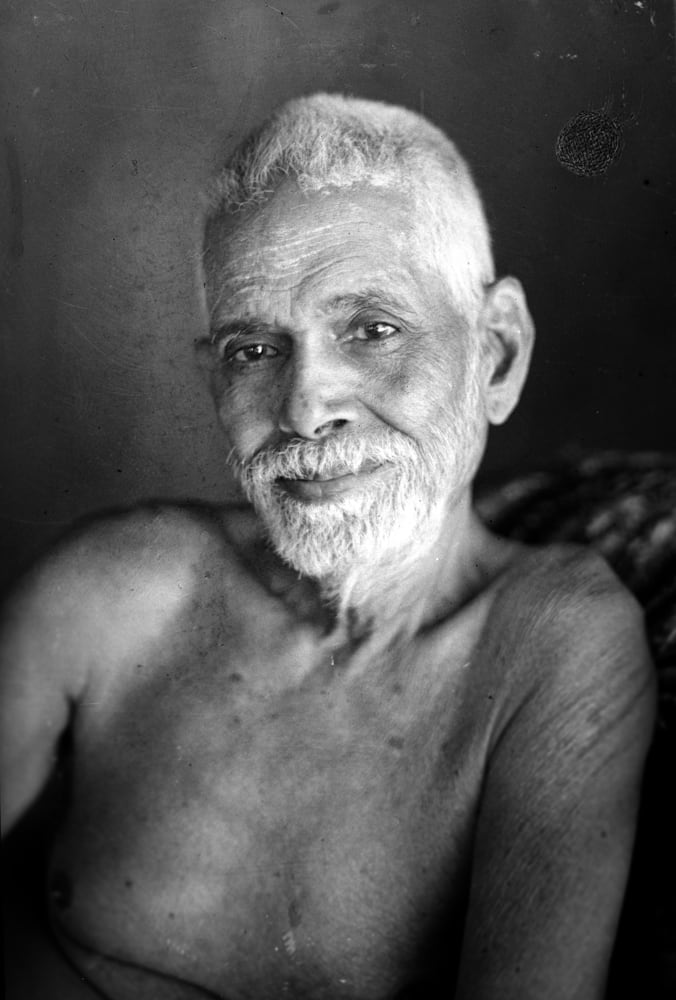
Ramana Maharshi
Concordano su: Che cos'è l'Assoluto? Dio esiste? · Chi sono io? Esiste un vero sé? · Perché soffriamo?
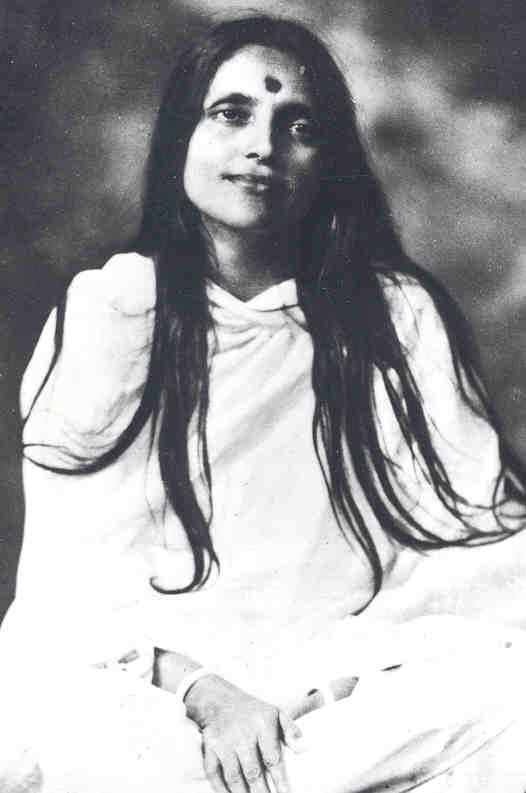
Anandamayi Ma
Concordano su: Chi sono io? Esiste un vero sé? · Perché soffriamo? · Che cosa accade dopo la morte?
Nisargadatta Maharaj
Concordano su: Chi sono io? Esiste un vero sé? · Perché soffriamo? · Che cosa accade dopo la morte?
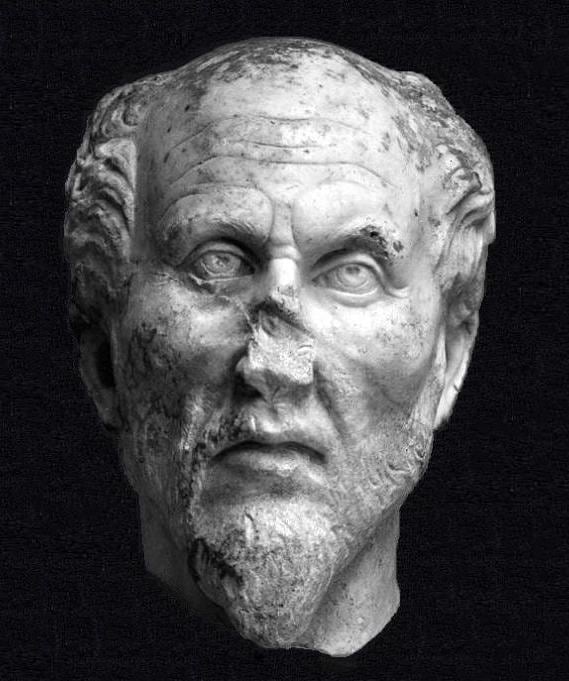
Plotinus
Concordano su: Chi sono io? Esiste un vero sé? · Che cosa accade dopo la morte? · Come si raggiunge la liberazione o la salvezza?



Aneddoti e racconti
Aneddoti e racconti
Racconto agiograficoc. 660
The woodcutter who heard the Diamond Sūtra
Origine del racconto: Autobiography in the Platform Sūtra, already in the Dunhuang copy (ninth century); there is no independent testimony.
Racconto agiograficoc. 661
The poem contest
Origine del racconto: Autobiography in the Platform Sūtra, already in the Dunhuang copy (ninth century); there is no independent testimony.
Fonte: McRae, John R. Seeing through Zen: Encounter, Transformation, and Genealogy in Chinese Chan Buddhism. Berkeley: University of California Press, 2003. ISBN 0520237986.
Racconto agiograficoc. 661
Three knocks on the mortar
Origine del racconto: Only in the late versions of the Platform Sūtra (Huixin 967 and above all Zongbao 1291) and in Song-period case collections (Wumenguan, 1228); absent from the Dunhuang copy.
Fonte: Wikisource en chino: 六祖大師法寶壇經 (versión de Zongbao, 1291), con una página por capítulo.
Racconto agiograficoc. 661
Huiming's original face
Origine del racconto: Only in the late versions of the Platform Sūtra (Huixin 967 and above all Zongbao 1291) and in Song-period case collections (Wumenguan, 1228); absent from the Dunhuang copy.
Fonte: Wikisource en chino: 六祖大師法寶壇經 (versión de Zongbao, 1291), con una página por capítulo.
Racconto agiografico676 (según la tradición)
The wind and the banner
Origine del racconto: Only in the late versions of the Platform Sūtra (Huixin 967 and above all Zongbao 1291) and in Song-period case collections (Wumenguan, 1228); absent from the Dunhuang copy.
Fonte: Wikisource en chino: 六祖大師法寶壇經 (versión de Zongbao, 1291), con una página por capítulo.
Racconto agiograficoc. 700
The three blows to Shenhui
Origine del racconto: Dunhuang copy of the Platform Sūtra (§48–49 in Yampolsky); interpretation by Hu Shi (1930) and Yampolsky (1967).
Testimonianza1589
Matteo Ricci before the sixth patriarch's body
Origine del racconto: Ricci's journals, published in Latin by Nicolas Trigault (1615) and translated by Gallagher (1953); study by Jorgensen (2005).
Fonte: Ricci, Matteo y Nicolas Trigault. China in the Sixteenth Century: The Journals of Matthew Ricci, 1583–1610. Trad. Louis J. Gallagher. Nueva York: Random House, 1953.
Insegnamenti
Insegnamenti
Le nozioni che articolano il suo pensiero, spiegate nel loro contesto.
Sudden awakening (dunwu)dunwu
Controversy between the Northern and Southern schools (eighth century).
Fonte: McRae, John R. Seeing through Zen: Encounter, Transformation, and Genealogy in Chinese Chan Buddhism. Berkeley: University of California Press, 2003. ISBN 0520237986.
No-thought, no-form, no-abidingwunian
Platform Sūtra, section 17 of the Dunhuang copy.
Fonte: Yampolsky, Philip B. (ed. y trad.). The Platform Sutra of the Sixth Patriarch: The Text of the Tun-huang Manuscript. Nueva York: Columbia University Press, 1967; reed. 2012 (ISBN 9780231159562).
Unity of meditation and wisdom (dinghui)dinghui
A Chinese reinterpretation of the discipline-meditation-wisdom triad.
Seeing one's nature (jianxing)jianxing
Doctrine of buddha-nature (foxing) in Chan.
Fonte: Dōgen. Shōbōgenzō, fascículo «Shizen biku» (四禪比丘), en la recensión de doce fascículos; trad. inglesa en Nishijima, Gudo y Chodo Cross, Master Dogen's Shobogenzo, vol. 4, Windbell, 1999.
Formless precepts (wuxiang jie)wuxiang-jie
Mass lay ordinations in eighth- and ninth-century Chan.
Fonte: Yampolsky, Philip B. (ed. y trad.). The Platform Sutra of the Sixth Patriarch: The Text of the Tun-huang Manuscript. Nueva York: Columbia University Press, 1967; reed. 2012 (ISBN 9780231159562).
Transmission of the robe and patriarchal lineagechuanyi
Chan historiography (eighth to eleventh centuries).
Fonte: McRae, John R. Seeing through Zen: Encounter, Transformation, and Genealogy in Chinese Chan Buddhism. Berkeley: University of California Press, 2003. ISBN 0520237986.
Video
Video
Registrazioni, interviste e documentari. I video vengono riprodotti da YouTube; non sono ospitati qui.
The Platform Sutra of Chan Buddhism - Jun Wang
Conferenza· EN· 2018
Debashish Banerji
Sixth Patriarch's Dharma Jewel Platform Sutra (1) by Rev. Heng Sure from BRF2018
Conferenza· EN· 2019
DharmaRealmLiveCanale ufficiale
Reflections from the Platform Sutra of the Sixth Patriarch - Ven. Dr Juewei
Conferenza· EN· 2020
Buddhist Library
The Platform Sutra of the Sixth Patriarch L1
Conferenza· EN
Khenpo Sodargye's TeachingsCanale ufficiale
SBZC with Bill Powell "The Platform Sutra" class #1
Conferenza· EN· 2021
Santa Barbara Zen CenterCanale ufficiale
Class on the Platform Sutra
Conferenza· EN
kansaszencenterCanale ufficiale
The Mind Has No Stand: Zen, Huineng, Teaching & Text
Analisi· EN· 2021
Eric Gerlach
Huineng - The 6th Chinese Ancestor of Zen Buddhism
Conferenza· EN
Great Mountain Zen CenterCanale ufficiale
【六祖壇經的生活實踐】 主講:慧知法師
Conferenza· ZH
VIBPS 溫哥華佛光山 Vancouver IBPSCanale ufficiale
慧知法師紐約佛學講座-《六祖壇經》的生活智慧
Conferenza· ZH
FGS IBPS New YorkCanale ufficiale
佛教紀錄片:六祖惠能的最後一年 (智慧東方)
Documentario· ZH· 2017
佛弟子
¿Quién fue Hui Neng?
Registrazione di terzi· ES
Cosas del Zen
Galleria
Galleria
Immagini con licenza verificata. Ciascuna conserva la sua paternità e la sua attribuzione.
Manoscritti
Manoscritti
Testimoni manoscritti e testi antichi, con il loro custode e le loro condizioni di consultazione.
ZH · Chino (escritura regular, copia manuscrita) · c. 780
南宗頓教最上大乘摩訶般若波羅蜜經六祖惠能大師於韶州大梵寺施法壇經
- Testimone conservato
- Copia de hacia 830–860, la más antigua conocida, en formato de cuadernillo
- Custode
- British Library (Londres) · Or.8210/S.5475
- Digitalizzazione
- idp.bl.uk/…
ZH · Chino · c. 780
六祖壇經 (copia de Dunhuang)
- Testimone conservato
- Segunda copia completa de Dunhuang, de mejor calidad textual
- Custode
- Museo de Dunhuang · Dunbo 077
Relazioni
Relazioni
Influenze, discepolati e affinità. Si distingue la relazione documentata dalla somiglianza individuata per analisi.
Ricevette l'influenza di
The sūtra presents him as the sixth link of the lineage beginning with Bodhidharma and records his transmission verse.
Relazione documentata
Discepolo di
Hongren (601–674), quinto patriarca
His teacher at Huangmei, according to all sources, including Wang Wei's stele.
Relazione documentata
Contemporaneo di
Shenxiu (c. 606–706)
Hongren's chief disciple and figure of the Northern school; the poem contest pitting them against each other is legendary.
Relazione documentata
Maestro di
Shenhui (684–758)
He proclaimed himself his disciple and was the architect of his fame; the Dunhuang copy includes him among his ten disciples.
Relazione documentata
Influenzò
Heir of a Caodong lineage going back to Huineng; in the Shōbōgenzō (“Shizen biku”) he rejected the Platform Sūtra as apocryphal.
Relazione documentata
Influenzò
His Rinzai lineage goes back to Huineng through Linji; the kenshō Hakuin demands is the sūtra's “seeing the nature”.
Somiglianza individuata per analisi
Influenzò
A Sōtō master, of Dōgen's lineage which goes back to Huineng.
Somiglianza individuata per analisi
Influenzò
His Vietnamese Lâm Tế (Linji) lineage goes back to Huineng.
Somiglianza individuata per analisi
Ricevette l'influenza di
The sūtra's logic of emptiness—denying tree and mirror—extends the prajñāpāramitā and Madhyamaka; tradition counts Nāgārjuna among the Indian patriarchs.
Somiglianza individuata per analisi
Contemporaneo di
Rough contemporaries at the two ends of Asia, both centred on the nature of mind and the wisdom of emptiness.
Somiglianza individuata per analisi
Idee affini a
The sūtra's valuing of flow, non-fixation and immediacy recalls Daoist themes; the influence is debated.
Somiglianza individuata per analisi
Fonti
Fonti
Bibliografia e cataloghi consultati per questa scheda.
- Wikidata, «Huineng», QID Q345012 (VIAF 32007548; LCCN n50078883).
- Yampolsky, Philip B. (ed. y trad.). The Platform Sutra of the Sixth Patriarch: The Text of the Tun-huang Manuscript. Nueva York: Columbia University Press, 1967; reed. 2012 (ISBN 9780231159562).
- McRae, John R. Seeing through Zen: Encounter, Transformation, and Genealogy in Chinese Chan Buddhism. Berkeley: University of California Press, 2003. ISBN 0520237986.
- McRae, John R. (trad.). The Platform Sutra of the Sixth Patriarch, translated from the Chinese of Tsung-pao. Berkeley: Numata Center for Buddhist Translation and Research, 2000. ISBN 1886439133.
- McRae, John R. The Northern School and the Formation of Early Ch'an Buddhism. Honolulu: University of Hawai'i Press (Kuroda Institute), 1986.
- Schlütter, Morten y Stephen F. Teiser (eds.). Readings of the Platform Sūtra. Nueva York: Columbia University Press, 2012. ISBN 9780231158206.
- Jorgensen, John. Inventing Hui-neng, the Sixth Patriarch: Hagiography and Biography in Early Ch'an. Leiden: Brill (Sinica Leidensia 68), 2005. ISBN 9004145087.
- Thompson, John M. «Huineng (Hui-neng) (638–713)». Internet Encyclopedia of Philosophy.
- Hu Shi 胡適 (ed.). Shenhui heshang yiji 神會和尚遺集 (Obras conservadas del monje Shenhui). Shanghái: Yadong tushuguan, 1930.
- Wang Wei 王維. «Neng chanshi bei» 能禪師碑 (Estela del maestro de chan Neng), mediados del siglo VIII, recogida en el Quan Tang wen; inscripción encargada por Shenhui.
- Schlütter, Morten. «A Study in the Genealogy of the Platform Sūtra». Studies in Central and East Asian Religions 2 (1989): 53–114.
- Wong Mou-lam (trad.). Sutra Spoken by the Sixth Patriarch, Wei Lang, on the High Seat of the Gem of Law. Shanghái: Yu Ching Press, 1930.
- Wikisource en chino: 南宗頓教最上大乘摩訶般若波羅蜜經六祖惠能大師於韶州大梵寺施法壇經 (texto de la copia de Dunhuang, compilado por Fahai).
- Wikisource en chino: 六祖大師法寶壇經 (versión de Zongbao, 1291), con una página por capítulo.
- Huineng (atrib.), Fahai (comp.). 六祖壇經 (Liuzu tanjing), edición de la dinastía Ming colacionada por Deqing. Project Gutenberg, e-book n.º 23844, 2007.
- Ricci, Matteo y Nicolas Trigault. China in the Sixteenth Century: The Journals of Matthew Ricci, 1583–1610. Trad. Louis J. Gallagher. Nueva York: Random House, 1953.
- Dumoulin, Heinrich. Zen Buddhism: A History. Vol. 1: India and China. Nueva York: Macmillan, 1988.
- Red Pine (Bill Porter) (trad.). The Platform Sutra: The Zen Teaching of Hui-neng. Emeryville (CA): Shoemaker & Hoard, 2006. ISBN 9781593760861.
- Dōgen. Shōbōgenzō, fascículo «Shizen biku» (四禪比丘), en la recensión de doce fascículos; trad. inglesa en Nishijima, Gudo y Chodo Cross, Master Dogen's Shobogenzo, vol. 4, Windbell, 1999.
- Yanagida Seizan 柳田聖山. Shoki zenshū shisho no kenkyū 初期禅宗史書の研究. Kioto: Hōzōkan, 1967.
- Yanagida Seizan (ed.). Rokuso dangyō shohon shūsei 六祖壇經諸本集成. Kioto: Chūbun shuppansha, 1976.
- Chan, Wing-tsit (trad.). The Platform Scripture. Nueva York: St. John's University Press, 1963.
- Titolare dei diritti
- Texto chino original en dominio público. Traducciones modernas con derechos: Columbia University Press (Yampolsky), Numata Center/BDK (McRae), Counterpoint (Red Pine), Shambhala (Cleary; Price y Wong), Editorial Kairós (Laureano Ramírez), Edaf.
In attesa di conferma
Ciò che questa scheda non ha ancora potuto chiarire. Preferiamo dirlo piuttosto che riempirlo.
- Traducción inglesa de Wong Mou-lam (Shanghái, Yu Ching Press, 1930): es de dominio público en EE. UU. (publicada en 1930, libre desde el 1 de enero de 2026), en la UE y en España (Wong Mou-lam, 1886–1934), pero no se ha localizado un escaneo con OCR limpio de la edición de 1930; las de Luzac (1944, 1953) y Shambhala llevan la revisión de Christmas Humphreys (m. 1983), protegida. Buscar en Internet Archive o HathiTrust la edición de 1930.
- Versión base de la traducción española de Laureano Ramírez (Kairós, 2010; hay ediciones anteriores) — comprobar si es la de Dunhuang o la de Zongbao.
- Signatura y digitalización de la copia del Museo de Dunhuang (Dunbo 077) y de la de Lüshun; no verificadas en un catálogo accesible.
- Fecha y circunstancias exactas del título póstumo (815/816) y de las estelas de Liu Zongyuan y Liu Yuxi: se han tomado de la bibliografía secundaria (Dumoulin), no de las fuentes.
- Vídeos en español: solo se ha encontrado material divulgativo breve; no hay conferencias académicas en español con canal solvente.
- Las ediciones francesas, alemanas e italianas del sūtra no se han cotejado en catálogo.
Ricerca effettuata il 2026-10-25