Tantra · Zen / Chan · Giainismo · Non-dualità contemporanea
Osho
चन्द्र मोहन जैन · ओशो
1931 – 1990Persona storicamente documentata
Maestro spirituale indiano (1931-1990), noto via via come Acharya Rajneesh, Bhagwan Shree Rajneesh e Osho. Professore di filosofia divenuto guru, creò la meditazione dinamica e un movimento internazionale di neo-sannyasin. La sua comune dell'Oregon, Rajneeshpuram, finì nel 1985, dopo l'attacco bioterroristico compiuto nel 1984 da membri guidati dalla sua segretaria e dopo la sua partenza dagli Stati Uniti per frode in materia di immigrazione. I suoi oltre seicento titoli sono trascrizioni di discorsi.
- opere
- 54opere
- edizioni
- 95edizioni
- citazioni
- 8citazioni
- video
- 14video
- immagini
- 6immagini
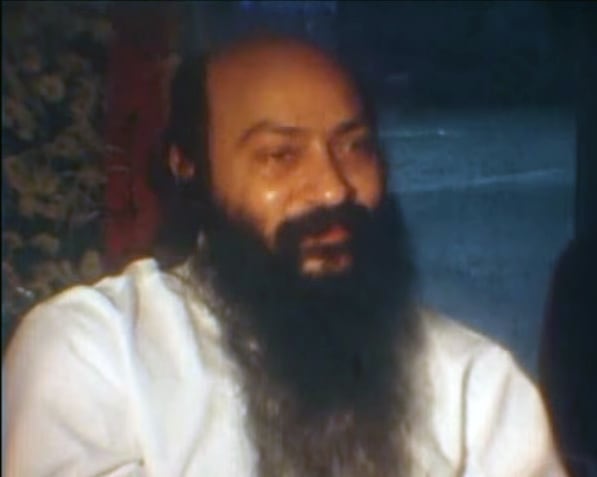
Osho en 1972 · CC BY-SA 3.0
Con le sue parole
«Never Born – Never Died. Only visited this planet Earth between December 11, 1931 and January 19, 1990»Epitafio de su samadhi en la casa Lao Tzu, Pune; texto dictado por él semanas antes de morir

Per cominciare, un'opera
From Sex to SuperconsciousnessLa sua idea centrale
Enlightenment is not the preserve of exceptional saints: every human being is a potential buddha, and what prevents it is the ego, formed by social conditioning.
Vederlo nel contesto
Biografia
5 min di lettura
Traduzione assistita dall'originale spagnolo, in attesa di revisione da parte di un traduttore madrelingua.
Un bambino giainista del Madhya Pradesh
Chandra Mohan Jain nacque l'11 dicembre 1931 a Kuchwada, un villaggio dell'attuale distretto di Raisen (Madhya Pradesh), in casa dei nonni materni. Era il primo degli undici figli di Babulal, commerciante di stoffe di famiglia giainista digambara, e di Saraswati. Visse con i nonni fino ai sette anni, quando la morte del nonno lo ricondusse dai genitori, a Gadarwara. Fin da piccolo lo chiamarono Rajneesh, «signore della notte». Egli stesso avrebbe attribuito le radici del proprio carattere a quell'infanzia priva di disciplina imposta e a un precoce contatto con la morte: quella del nonno e, a quindici anni, quella dell'amica Shashi. Studente brillante e temibile polemista, lesse Marx e gli anarchici russi e diffidò presto delle religioni costituite.
Il professore ribelle
Nel 1951 iniziò gli studi universitari a Jabalpur. Secondo il suo stesso racconto, il 21 marzo 1953, a ventun anni, visse un'esperienza di illuminazione seduto sotto un albero del giardino di Bhanvartal; non esiste altra testimonianza che la sua. Laureato in filosofia nel 1955 e con un master all'Università di Sagar nel 1957, insegnò al Sanskrit College di Raipur e, dal 1958, all'Università di Jabalpur. Nel frattempo percorreva l'India come «Acharya Rajneesh», criticando il socialismo, Gandhi e le religioni istituzionali, e dal 1962 dirigeva campi di meditazione. Nel 1966 lasciò l'università.
Le sue conferenze del 1968 sulla sessualità, pubblicate poi con il titolo Dal sesso alla supercoscienza, gli valsero sulla stampa indiana il soprannome di «guru del sesso». Alla Seconda conferenza mondiale indù, nel 1969, sostenne che una religione che insegna a odiare la vita non è vera religione, scandalizzando i capi tradizionali.
Bombay e Pune: il neo-sannyas
Nel 1970 presentò la meditazione dinamica — respirazione rapida, catarsi, salti, immobilità e danza — e il 26 settembre iniziò i primi discepoli, i neo-sannyasin, che ricevevano un nome nuovo, vestivano color zafferano e portavano un mala con il suo ritratto, ma ai quali non si chiedeva di rinunciare al mondo. Stabilitosi a Bombay, nel 1971 assunse il titolo di Bhagwan Shree Rajneesh. Nel 1974 si trasferì a Koregaon Park, a Pune, dove l'ashram arrivò ad accogliere circa trentamila visitatori l'anno, in maggioranza occidentali. Parlava ogni mattina, alternando cicli in hindi e in inglese su Buddha, Laozi, Gesù, i sufi, il tantra o lo zen; quei discorsi, registrati e trascritti, sono all'origine di quasi tutta la sua opera. L'ashram univa la meditazione a terapie di gruppo del movimento del potenziale umano, alcune così violente che l'ashram stesso le soppresse nel 1979.
Oregon: Rajneeshpuram
Nel 1981 entrò in un lungo silenzio pubblico e la sua segretaria, Ma Anand Sheela, assunse la guida dell'organizzazione. Quello stesso anno si recò negli Stati Uniti con un visto turistico per motivi medici e la fondazione acquistò il Big Muddy Ranch, in Oregon, dove i discepoli edificarono una città, Rajneeshpuram, costituita in municipalità nel 1982. Le controversie con i vicini, con lo Stato e con la giustizia sull'uso del suolo furono continue, e la sua collezione di oltre novanta Rolls-Royce divenne l'emblema mediatico della comune.
Nel settembre del 1984 alcuni membri della comune guidati da Sheela contaminarono con la salmonella i buffet di insalate di dieci ristoranti di The Dalles per impedire ai residenti di votare alle elezioni della contea. Si ammalarono 751 persone e 45 furono ricoverate, senza vittime: è il più grave attacco bioterroristico della storia degli Stati Uniti. L'origine deliberata non fu confermata fino al settembre del 1985, quando, dopo la fuga di Sheela e del suo gruppo in Europa, lo stesso Rajneesh li accusò in una conferenza stampa di questo e di altri reati e chiese che si indagasse. Sheela e diversi collaboratori furono condannati. I procuratori ammisero di disporre di scarse prove di una partecipazione diretta di Rajneesh, benché alcuni sostenessero pubblicamente che la sua responsabilità andava oltre quanto giudicato.
Nell'ottobre del 1985 un gran giurì federale lo incriminò per frode in materia di immigrazione. Fu arrestato a Charlotte (Carolina del Nord) mentre era in volo verso le Bermuda e, in base a un accordo con la procura, si dichiarò colpevole di due capi d'imputazione — aver nascosto l'intenzione di restare nel paese e aver favorito matrimoni di comodo — mediante un'Alford plea, che non comporta l'ammissione dei fatti. Fu condannato a dieci anni di reclusione con sospensione della pena, cinque di libertà vigilata e 400.000 dollari fra multa e spese processuali, e lasciò gli Stati Uniti impegnandosi a non tornarvi per cinque anni. La comune si sciolse poco dopo.
Giro del mondo e ritorno a Pune
Giunse a Delhi il 17 novembre 1985. Nei mesi successivi passò per il Nepal, la Grecia, l'Uruguay e altri paesi, molti dei quali gli negarono l'ingresso o la residenza; nel luglio del 1986 tornò a Bombay e nel gennaio del 1987 all'ashram di Pune. Attribuì il deterioramento della sua salute a un avvelenamento subito nelle carceri statunitensi, accusa che la procura definì una finzione e che non fu mai provata. Abbandonò il titolo di Bhagwan e nel 1989 adottò il nome di Osho. Morì a Pune il 19 gennaio 1990, a cinquantotto anni; la causa ufficiale fu uno scompenso cardiaco. Le sue ceneri riposano nella casa Lao Tzu dell'ashram, sotto un epitaffio che afferma che non è mai nato né mai morto e che ha soltanto visitato la Terra fra quelle due date.
Un'opera parlata e un'eredità contesa
Osho non scrisse quasi libri in senso stretto: gli oltre seicento titoli che portano il suo nome sono, quasi tutti, trascrizioni rivedute di discorsi, cui si aggiungono lettere, dialoghi di darshan e raccolte tematiche curate dopo la sua morte dalla Osho International Foundation, con sede a Zurigo, che amministra i suoi diritti e il marchio OSHO; nel 2017 il Tribunale dell'Unione europea ne ha confermato la titolarità contro un altro gruppo di discepoli. L'ashram di Pune opera oggi come Osho International Meditation Resort.
Il giudizio sulla sua figura resta diviso. Lo scrittore Khushwant Singh e il filosofo Peter Sloterdijk videro in lui un pensatore originale; studiosi come Hugh B. Urban sottolineano l'eclettismo delle sue idee e la loro sintonia con la cultura dei consumi, e il docente di studi religiosi Ronald O. Clarke gli attribuì tratti di personalità narcisistica. Dal 2022 alcune ex discepole hanno denunciato in libri, podcast e documentari abusi sessuali da lui commessi in incontri privati, e un'inchiesta documentaria del 2024 ha raccolto testimonianze di abusi su minori all'interno del movimento; sono accuse successive alla sua morte, che non sono mai giunte in giudizio.
Fonti: Joshi, Vasant. The Awakened One: The Life and Work of Bhagwan Shree Rajneesh. San Francisco: Harper & Row, 1982 (ISBN 006064205X). Biografía escrita por un discípulo. · Fox, Judith M. Osho Rajneesh. Studies in Contemporary Religion, 4. Salt Lake City: Signature Books, 2002 (ISBN 1560851562). · Carter, Lewis F. Charisma and Control in Rajneeshpuram: A Community without Shared Values. Cambridge: Cambridge University Press, 1990 (ISBN 0521385547). · Urban, Hugh B. Zorba the Buddha: Sex, Spirituality, and Capitalism in the Global Osho Movement. Oakland: University of California Press, 2015. · Gordon, James S. The Golden Guru: The Strange Journey of Bhagwan Shree Rajneesh. Lexington (Massachusetts): The Stephen Greene Press, 1987 (ISBN 0828906300).
Cronologia
La vita, anno per anno
Ogni punto è un evento documentato. Fai clic per leggerlo, con la sua fonte e il suo grado di certezza.
11 dicembre 19310 anniKuchwada, Madhya Pradesh
Born in Kuchwada
Chandra Mohan Jain is born on 11 December in Kuchwada (Madhya Pradesh) into a Jain family.
DocumentatoWikidata, «Osho» (Q148285).
Dopo la sua morte
- 11 ottobre 2017Ruling on the OSHO trademark
- 2022Abuse allegations
11 dicembre 1931 · 0 anni
Born in Kuchwada
Chandra Mohan Jain is born on 11 December in Kuchwada (Madhya Pradesh) into a Jain family.
Documentato
1939 · 7 anni
Move to Gadarwara
After his maternal grandfather's death he goes to live with his parents in Gadarwara.
Probabile
21 marzo 1953 · 21 anni
Enlightenment experience
By his own account, on 21 March he attains enlightenment under a tree in the Bhanvartal garden, Jabalpur.
Tradizione
1957 · 25 anni
Master's in philosophy
Gains his master's in philosophy at the University of Sagar and begins teaching in Raipur.
Documentato
1958 · 26 anni
Lecturer at Jabalpur
Teaches philosophy at the University of Jabalpur, where he is made professor in 1960.
Documentato
1966 · 34 anni
Leaves the university
After a controversial lecture tour he leaves his university post.
Documentato
1968 · 36 anni
Talks on sex
The Bombay lectures later published as From Sex to Superconsciousness earn him the nickname 'sex guru'.
Documentato
26 settembre 1970 · 38 anni
Dynamic Meditation and first sannyasins
Introduces Dynamic Meditation and on 26 September initiates his first neo-sannyasins.
Documentato
1971 · 39 anni
Bhagwan Shree Rajneesh
Adopts the title Bhagwan Shree Rajneesh.
Documentato
1974 · 42 anni
Pune ashram
Settles in Koregaon Park (Pune), where he founds the ashram.
Documentato
maggio 1980 · 48 anni
Attack during a talk
In May a young Hindu fundamentalist attempts to attack him during a discourse.
Documentato
1981 · 49 anni
Silence and move to the United States
On 10 April he begins a public silence; on 1 June he travels to the United States and in August settles on the Oregon ranch.
Documentato
maggio 1982 · 50 anni
Rajneeshpuram
Ranch residents vote to incorporate it as the city of Rajneeshpuram.
Documentato
settembre 1984 · 52 anni
The Dalles bioterror attack
Commune members led by Ma Anand Sheela contaminate restaurants in The Dalles with salmonella: 751 people fall ill.
Documentato
16 settembre 1985 · 53 anni
Accusation against Sheela
On 16 September he accuses Sheela and her team of serious crimes at a press conference and asks for an investigation.
Documentato
28 ottobre 1985 · 53 anni
Arrest and departure from the United States
Arrested on 28 October in Charlotte; in November he accepts a plea deal for immigration fraud and leaves the country. He lands in Delhi on 17 November.
Documentato
1986 · 54 anni
World tour
Travels through several countries that refuse him entry or residence; returns to Bombay on 30 July.
Documentato
gennaio 1987 · 55 anni
Return to Pune
In January he returns to the Pune ashram and resumes his talks.
Documentato
1989 · 57 anni
Takes the name Osho
Drops the title Bhagwan and adopts the name Osho; in April he gives his last public discourse.
Documentato
19 gennaio 1990 · 58 anni
Death in Pune
Dies on 19 January at the Pune ashram; official cause, heart failure.
Documentato
11 ottobre 2017
Ruling on the OSHO trademark
The EU General Court upholds the Osho International Foundation's ownership of the OSHO trademark.
Documentato
2022
Abuse allegations
Former disciples publicly allege sexual abuse by Osho; the accusations have not been tried.
Discusso
Opere
Opere essenziali
Le opere senza le quali non si comprende la sua eredità.
Conferenze pubblicate · 1968
From Sex to Superconsciousness
संभोग से समाधि की ओर (Sambhog se samadhi ki or)
Series of talks given in Hindi in Bombay in 1968 that caused the scandal that made him famous in India. It argues that religious repression of sex produces sex-obsessed societies and that sexual energy, lived with full awareness, can be transformed into meditation and lead to samadhi. It is probably the best-selling and most controversial title of his Indian period.
5 edizioni

Conferenze pubblicate · 1974
The Book of Secrets
Vigyan Bhairav Tantra
Commentary, in eighty talks given in Bombay and Pune in 1972–1973, on the 112 meditation techniques of the Vigyan Bhairav Tantra, a Kashmir Shaivite text framed as a dialogue between Shiva and Devi. Osho explains each technique — attention to breath, the senses, sound, emptiness — and relates it to modern psychology. His followers regard it as his central work on meditation.
2 edizioni

Raccolta posteriore · 1988
Meditation: The First and Last Freedom
Practical handbook gathering, from his talks, the active meditations Osho created — dynamic, kundalini, nadabrahma, nataraj — and techniques from various traditions, with instructions and answers to practitioners' questions. It is the Osho International Foundation's reference guide to his methods and one of his most translated works.
4 edizioni

Opera postuma · 2000
Autobiography of a Spiritually Incorrect Mystic
Account of his life assembled posthumously by the Osho International Foundation from excerpts of hundreds of talks in which he spoke of his childhood, student and teaching years, the 1953 experience, Pune, Oregon and his arrest. It is not a written autobiography but an editorial selection that presents events from his point of view and omits or softens the most controversial episodes.
3 edizioni
Tutta la sua opera (54)

Glimpses of a Golden Childhood
1985

Notes of a Madman
1985
Osho
Books I Have Loved
The Conscious LibraryBooks I Have Loved
1985

The Mustard Seed
1975
Osho
Come Follow Me
The Conscious LibraryCome Follow Me
1976

Tantra: The Supreme Understanding
1975

The Tantra Vision
1978

Tao: The Three Treasures
1975

The Empty Boat
1976

When the Shoe Fits
1976

The Hidden Harmony
1976

No Water, No Moon
1975

And the Flowers Showered
1975

Neither This Nor That
1975
Osho
This Very Body the Buddha
The Conscious LibraryThis Very Body the Buddha
1978

The Heart Sutra
1977

The Diamond Sutra
1979
Osho
The Dhammapada
The Conscious LibraryThe Dhammapada
1979

The Discipline of Transcendence
1976
Osho
Yoga: The Alpha and the Omega
The Conscious LibraryYoga: The Alpha and the Omega
1976

The Ultimate Alchemy
1974
Osho
I Am That
The Conscious LibraryI Am That
1980

Until You Die
1976

Unio Mystica
1980
Citazioni
Citazioni localizzate in un'opera precisa. Ciascuna porta con sé la sua provenienza e il suo grado di affidabilità.
Never Born – Never Died. Only visited this planet Earth between December 11, 1931 and January 19, 1990VerificataEpitafio de su samadhi en la casa Lao Tzu, Pune; texto dictado por él semanas antes de morir
Idee essenziali (sintesi editoriale)
Per rispetto del diritto d'autore, queste idee sono riassunte con parole nostre e non sono presentate come citazioni letterali.
- Enlightenment is not the preserve of exceptional saints: every human being is a potential buddha, and what prevents it is the ego, formed by social conditioning.
- Repressing desires — especially sex — does not eliminate them but displaces them and makes them obsessive; accepted and lived with awareness, they transform of their own accord.
- Modern people are too tense to sit in silence; they first need to discharge their emotions physically before they can meditate, hence the active meditations.
- Spirituality does not require renouncing the world or wealth: the ideal is a human being who unites the sensual fullness of Zorba the Greek with the Buddha's inner silence.
- Organised religions, political ideologies, the traditional family and the nation are structures of control that keep people in obedience and fear.
- Meditation is not a practice confined to a moment of the day but a state of witnessing awareness that can be maintained in any activity.
- Truth cannot be transmitted as doctrine; the master only creates situations — talks, jokes, contradictions, silences — to shake the disciple's mind.
Citazioni apocrife o di attribuzione discussa (2)
«If you love a flower, don't pick it up. Because if you pick it up it dies and it ceases to be what you love. Love is not about possession; love is about appreciation.»
Probably the most widely shared line under his name on social media, but it has not been located in the published transcripts consulted or in the Osho International Foundation's talk archive; its wording looks like a modern paraphrase.
«'The most beautiful sayings of Osho' on Italian politics.»
Since 2016 an Italian satirical page, Le più belle frasi di Osho, has put humorous comments on current affairs into Osho's mouth over photographs of him. It passed a million followers and its lines have sometimes been quoted as genuine: none is.
Ultime parole
Non esistono testimonianze verificabili delle sue ultime parole.
There is no independent record of his last words. He died on 19 January 1990 in Pune and his physician, Swami Amrito, announced the death that afternoon in Buddha Hall. Several versions circulate in the movement — instructions about his belongings, a sentence naming a disciple as his 'medium', the title 'I Leave You My Dream' of the commemorative video — all from internal sources and unconfirmed. The epitaph text was dictated a few weeks before his death, according to his press secretary Swami Chaitanya Keerti.
Fonte: «Osho», «1984 Rajneeshee bioterror attack» y «Ma Anand Sheela», Wikipedia en inglés (consultadas para cotejar hechos y bibliografía secundaria; texto propio).
Chiedi
Ciò a cui risponde la sua opera
Dodici grandi domande dell'umanità e ciò che i suoi testi permettono di rispondere, con riferimenti. Non gli mettiamo mai parole in bocca.
Che cos'è l'Assoluto? Dio esiste?
There is no personal God: only the godliness of existence itself
Un Assoluto impersonaleLo dice espressamente
Osho rejects the creator and personal God of organised religions, which he regards as a projection of fear and an instrument of priests. In its place he speaks of godliness as a quality of existence: there is no God but life itself, in one of his most repeated formulas. The ultimate is not someone who judges or rewards but the living totality in which one dissolves when the ego disappears, an experience reached through meditation and not through belief. In his commentaries on the Upanishads, Zen or Tantra he renders that totality in each tradition’s vocabulary: Brahman, emptiness, consciousness. What remains constant is the denial of a separate God and the affirmation of the sacred in what exists.
Confronta questa domanda con altri maestriChi sono io? Esiste un vero sé?
The ego is a social product; behind it is the witness, the potential buddha
L'ego è una costruzione del pensieroLo dice espressamente
Osho describes the ego as a construction: an image manufactured by parents, school, religion and society so that the individual will be useful and obedient. It is not an enemy to be defeated, since fighting it strengthens it, but an illusion that vanishes when observed. What observes is the witnessing consciousness (sakshi), which is neither a thing nor an idea and which he identifies with the buddha-nature every human being carries in potential. In The Book of the Ego and in his commentaries on the Heart Sutra he sets out this double thesis: the social self is fictitious, and what remains when its fiction is seen is not a sad void but consciousness itself, free and joyful.
Confronta questa domanda con altri maestriPerché soffriamo?
Misery is made by the mind: repression, ego and living outside the now
Il pensiero e il tempo psicologicoLo dice espressamente
Osho holds that human misery is largely manufactured: it is produced by a mind that lives in past and future, compares, desires and fears, and that, as one of his recorded sayings puts it, has no capacity of its own for joy but only thinks about joy. To this cause he adds another he regards as social: religions and morality have taught people to repress the body, sex and emotions, and what is repressed becomes obsessive and painful. Hence his criticism of any religion that teaches hatred of life. The way out he proposes is not a doctrine but meditation: first releasing what is repressed through active techniques, then watching the mind until it loses its hold.
Confronta questa domanda con altri maestriChe cosa accade dopo la morte?
Never born, never died: death is a threshold crossed awake
Ciò che sono non nasce e non muoreLo dice espressamente
The epitaph Osho dictated weeks before his death says that he was never born and never died, and only visited this planet between 1931 and 1990. That formula sums up the thesis he develops in The Art of Dying and in his commentaries on the Upanishads: what dies is body and mind; witnessing consciousness has no beginning or end. Hence his proposal to learn to die before dying, through a meditation that allows one to watch the dissolution of the ego, so that physical death is lived lucidly. In certain contexts he accepted rebirth: he even claimed that in a previous life he had died seven hundred years earlier, during a long fast, without completing his path.
Confronta questa domanda con altri maestriCome si raggiunge la liberazione o la salvezza?
Techniques to reach witnessing awareness, then dropping them
Senza metodo: l'attenzione totaleLo dice espressamente
For Osho enlightenment is not an achievement reserved for saints: it is the nature of every human being, hidden by ego and conditioning. What reveals it is witnessing awareness: watching body, mind and emotions without identifying with them. Unlike Krishnamurti, whom he both admired and criticised, Osho defended the use of techniques: he commented on the 112 of the Vigyan Bhairav Tantra in The Book of Secrets and created active meditations, such as Dynamic Meditation, for modern people too tense to sit in silence. But he insisted that techniques are provisional devices to be dropped: meditation itself is not a method but a state of effortless attention.
Confronta questa domanda con altri maestriServe un maestro?
The master shares his being; but obey nothing that does not arise in you
Il maestro è dentroLo dice espressamente
Osho holds two claims that pull in opposite directions. On the one hand he initiated thousands into neo-sannyas and spoke of surrender to the master as the condition of transformation: a master, as one of his recorded sayings has it, shares his being, not his philosophy, and transmission happens through closeness rather than words. On the other he repeated that no one should obey an order that does not also come from within, criticised all religious authority, and in his last years presented himself as a friend rather than a guru. What reconciles the two, in his account, is that the master serves only to awaken the inner witness.
Confronta questa domanda con altri maestriIl mondo è reale?
No need to flee the world: existence itself is the divine
Manifestazione del divinoLo dice espressamente
Osho fights the Indian tradition that declares the world illusory and counsels renouncing it. For him there is no God but life itself, and the world, with its beauty, pleasures and wealth, is the expression of that godliness. His ideal of ‘Zorba the Buddha’ joins the sensual fullness of Kazantzakis’s character with the Buddha’s inner silence: the point is not to choose between world and spirit but to live both consciously. Hence he criticises religions that teach hatred of life and defines religion as the art of enjoying it. What is illusory for Osho is not the world but the mind that interprets it and turns it into a problem.
Confronta questa domanda con altri maestriChe cos'è l'amore?
Love is a state of being, not a relationship: it flowers without ego
Ciò che appare quando l'io cessaLo dice espressamente
Osho distinguishes love as need, which seeks to possess and turns into jealousy and dependence, from love as overflowing, which is only possible when the ego has quietened. In Love, Freedom, Aloneness he holds that only someone who can be alone without feeling isolated is able to love without chaining the other, and that love and freedom are inseparable. His approach also has an energetic trajectory: in From Sex to Superconsciousness he argues that sexual energy, accepted and lived consciously rather than repressed, is transformed into love and, in its highest form, into prayer and meditation. Love is not cultivated as a virtue: it appears when the self is absent.
Confronta questa domanda con altri maestriSiamo liberi o è tutto determinato?
The sleeping man is a robot; awareness is the only freedom
Siamo macchine finché non ci risvegliamoSi deduce dalla sua dottrina
Osho often takes up the diagnosis of Gurdjieff, whom he commented on and admired: ordinary human beings live asleep, reacting mechanically according to their conditioning, like robots. What he calls freedom is not the capacity to choose between options but the awareness that watches the mechanisms without identifying with them; only one who is awake acts instead of reacting. But this view coexists with another, equally insistent, that recommends letting go of control and being carried by existence, floating with the river rather than swimming against it. The two theses meet in witnessing consciousness: one who watches without choosing is no longer a mechanism, and has no need to impose a will either.
Confronta questa domanda con altri maestriPerché meditare o pregare?
Meditation is not concentration: it is being present, a witness, without mind
Essere presentiLo dice espressamente
Osho distinguishes meditation from concentration and contemplation: to concentrate is to narrow the mind, to contemplate is to think about something, and to meditate is a state of no-mind, of pure attention to the present. Hence it can be done while walking, eating or working, and its goal is not to achieve anything in the future but to be wholly here. To reach that state he designed active meditations, such as Dynamic or Kundalini, which begin with movement, catharsis or dance and end in silence, because he held that modern people are too tense to sit still. Prayer, in his devotional talks, is the same state lived as gratitude towards existence.
Confronta questa domanda con altri maestriPuò la ragione conoscere l'ultimo?
The mind only thinks about joy; truth lies in no-mind
Il pensiero è limitatoLo dice espressamente
Osho, who was a philosophy lecturer before becoming a spiritual teacher, uses reason with polemical skill, but holds that thought cannot reach truth. The mind works with memory and language, repeats the known and cannot touch the new; according to one of his recorded sayings it has no capacity of its own for joy, it only thinks about joy. Hence he sets mind against no-mind, the meditative state in which thought falls quiet and reality is perceived directly. He does not, however, ask for faith: he sharply criticises beliefs and encourages doubting everything, himself included. Reason serves to dismantle beliefs; truth appears when the mind falls silent.
Confronta questa domanda con altri maestriRitirarsi dal mondo o trasformarlo?
The rebel, not the revolutionary: change consciousness, not the system
La rivoluzione è interioreLo dice espressamente
Osho rejected traditional renunciation: his sannyasins wore orange but kept working, earning money and living in the world, following the ideal of Zorba the Buddha. At the same time he distrusted projects of social transformation. In The Rebel he distinguishes the revolutionary, who wants to change society and ends up reproducing the power he fights, from the rebel, who transforms himself and, by contagion, creates a new human being. He criticised Gandhi, socialism and organised religions as ways of imposing ideals. The only thing that truly changes the world, he held, is individual consciousness, and a new society can only be born of meditative individuals.
Confronta questa domanda con altri maestri
Affinità e tensioni
Affinità e tensioni
Calcolate domanda per domanda a partire dalle sue posizioni. Il perché di ogni accordo o contrasto, con un clic.
La pensa in modo simile a
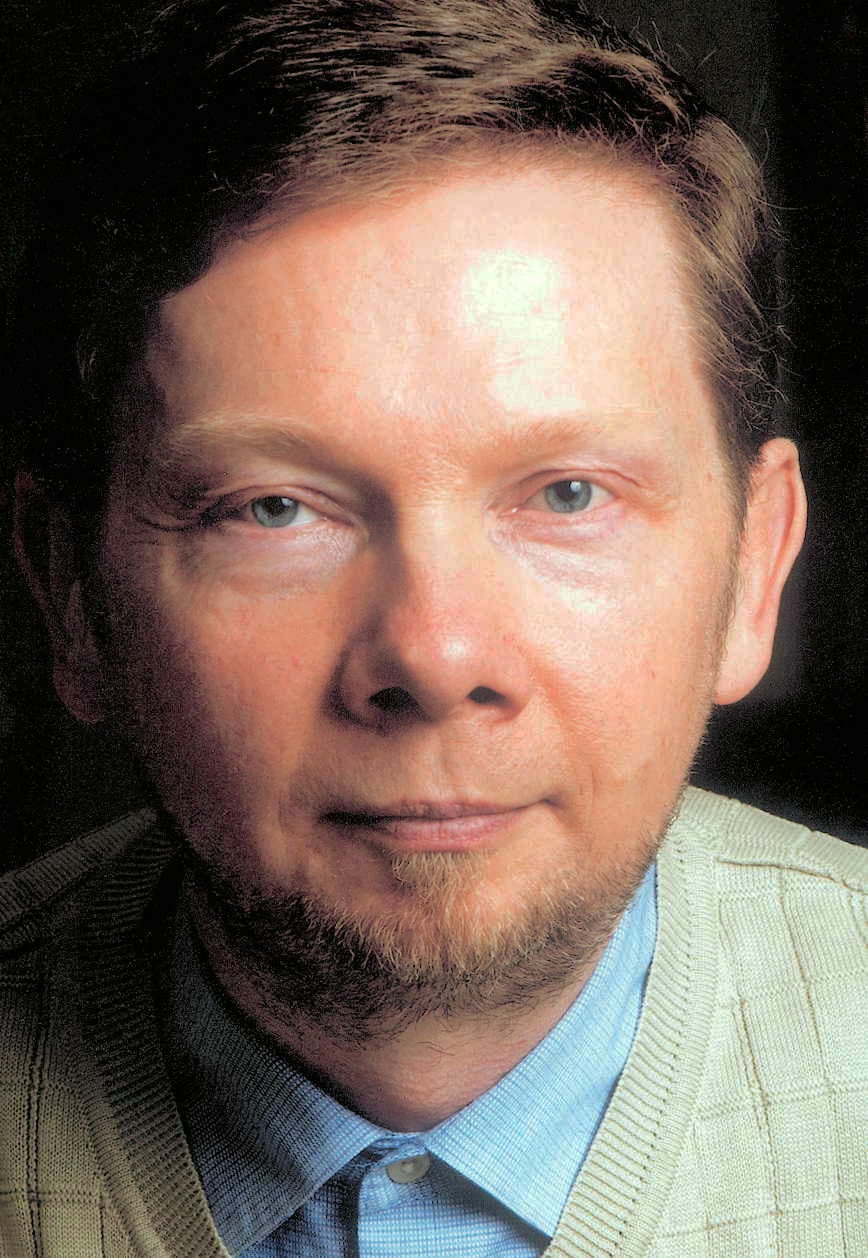
Eckhart Tolle
Concordano su: Che cos'è l'Assoluto? Dio esiste? · Chi sono io? Esiste un vero sé? · Perché soffriamo?
- BKByron Katie
Byron Katie
Concordano su: Che cos'è l'Assoluto? Dio esiste? · Chi sono io? Esiste un vero sé? · Perché soffriamo?
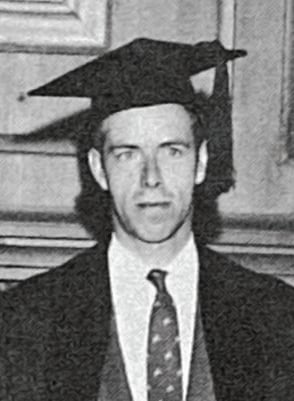
Alan Watts
Concordano su: Che cos'è l'Assoluto? Dio esiste? · Perché soffriamo? · Che cosa accade dopo la morte?
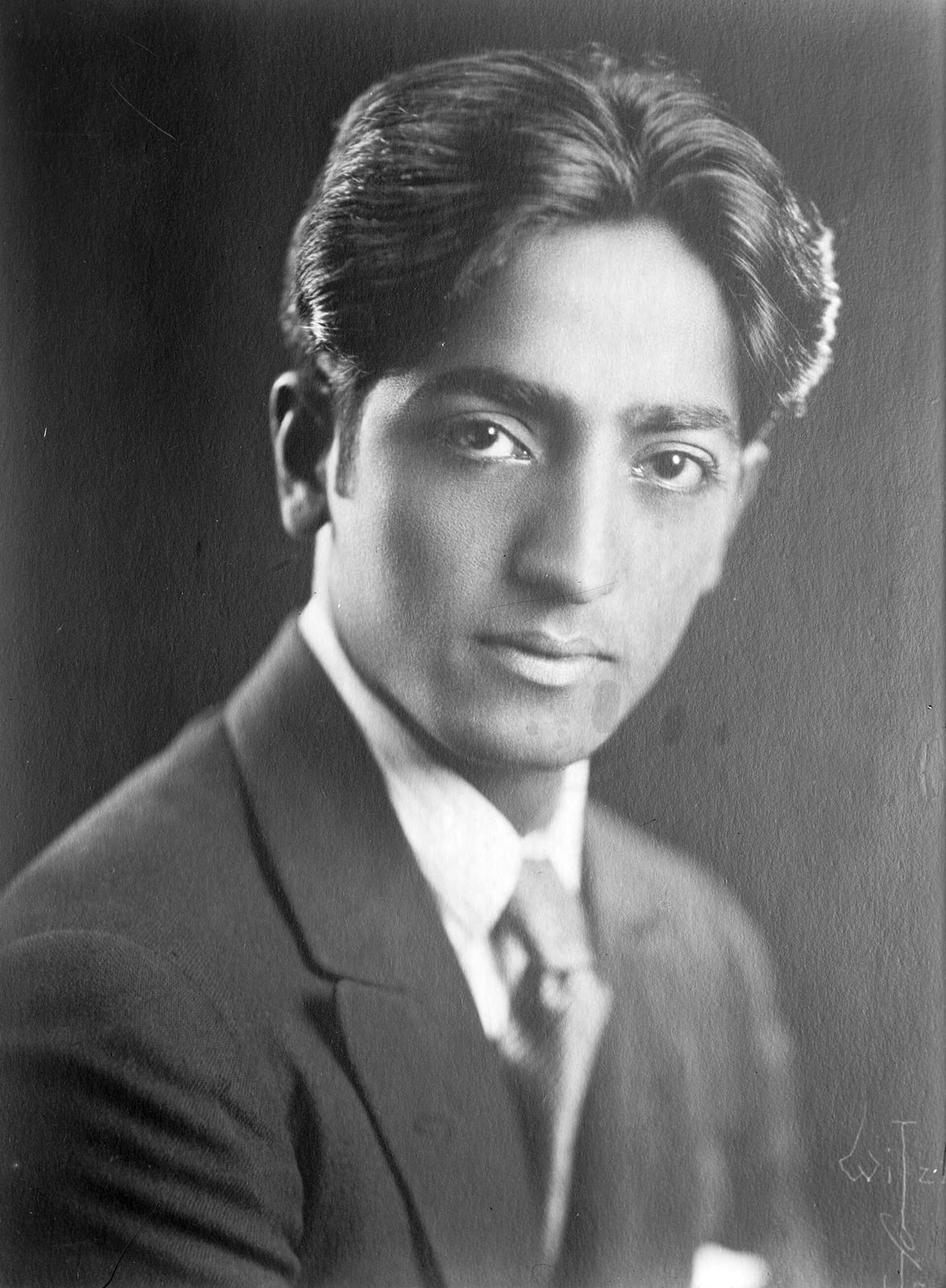
Jiddu Krishnamurti
Concordano su: Chi sono io? Esiste un vero sé? · Perché soffriamo? · Come si raggiunge la liberazione o la salvezza?
La pensa diversamente da


Aneddoti e racconti
Aneddoti e racconti
Testimonianza1953
Under a tree in Jabalpur
Origine del racconto: The only testimony is his own, in later talks; it is recorded in the biography by his disciple Vasant Joshi (1982) and repeated in the movement's publications.
Fonte: Joshi, Vasant. The Awakened One: The Life and Work of Bhagwan Shree Rajneesh. San Francisco: Harper & Row, 1982 (ISBN 006064205X). Biografía escrita por un discípulo.
Documentato1970
The first sannyasins
Origine del racconto: Facts recorded by Judith M. Fox, Bob Mullan and Vasant Joshi; the description of the stages comes from the instructions published by the movement itself.
Fonte: Fox, Judith M. Osho Rajneesh. Studies in Contemporary Religion, 4. Salt Lake City: Signature Books, 2002 (ISBN 1560851562).
Documentato1980
A knife in Buddha Hall
Origine del racconto: Recorded in the literature on the movement (Fox, Carter) and in the Indian press of the time; the attacker's motives come from his own statement.
Documentato1981–1985
Ninety-three Rolls-Royces
Origine del racconto: Documented by Lewis F. Carter, Frances FitzGerald and the Oregon press; the figure of 93 vehicles comes from the inventory of the owning company.
Fonte: Carter, Lewis F. Charisma and Control in Rajneeshpuram: A Community without Shared Values. Cambridge: Cambridge University Press, 1990 (ISBN 0521385547).
Documentatoseptiembre de 1985
The press conference and the bonfire
Origine del racconto: Press conference reported by the Oregon press and by Frances FitzGerald (The New Yorker, 1986); the booklet burning was reported by international agencies and is recorded in the academic literature.
Testimonianza1990
'Never born, never died'
Origine del racconto: The plaque text can be verified on site; the circumstances of its dictation come from the testimony of his press secretary, Swami Chaitanya Keerti (The Indian Express, 2024), and the cremation is described by Judith M. Fox and the Indian press.
Fonte: Fox, Judith M. Osho Rajneesh. Studies in Contemporary Religion, 4. Salt Lake City: Signature Books, 2002 (ISBN 1560851562).
Insegnamenti
Insegnamenti
Le nozioni che articolano il suo pensiero, spiegate nel loro contesto.
Dynamic Meditationmeditacion-dinamica
Osho's active meditations (dynamic, kundalini, nadabrahma, nataraj), described in Meditation: The First and Last Freedom.
Fonte: Fox, Judith M. Osho Rajneesh. Studies in Contemporary Religion, 4. Salt Lake City: Signature Books, 2002 (ISBN 1560851562).
Neo-sannyasneo-sannyas
Neo-sannyasin movement (1970–1990); studied by Carter, Mullan and Palmer.
Fonte: Mullan, Bob. Life as Laughter: Following Bhagwan Shree Rajneesh. Londres: Routledge & Kegan Paul, 1983 (ISBN 0710200439).
Zorba the Buddhazorba-el-buda
Pune talks (1970s and 1987–1989); critical analysis in Urban, Zorba the Buddha (2015).
Fonte: Urban, Hugh B. Zorba the Buddha: Sex, Spirituality, and Capitalism in the Global Osho Movement. Oakland: University of California Press, 2015.
Witnessing awarenessconciencia-testigo
Present in almost all his talk series, especially The Book of Secrets.
Fonte: Fox, Judith M. Osho Rajneesh. Studies in Contemporary Religion, 4. Salt Lake City: Signature Books, 2002 (ISBN 1560851562).
From sex to superconsciousnessdel-sexo-a-la-superconsciencia
Bombay talks of 1968 (Sambhog se samadhi ki or); later commentaries on Tilopa and Saraha.
Fonte: Urban, Hugh B. Zorba the Buddha: Sex, Spirituality, and Capitalism in the Global Osho Movement. Oakland: University of California Press, 2015.
Silence and heart-to-heart communionsilencio-y-comunion
Rajneeshpuram, 1981–1984; assessment in Carter (1990) and FitzGerald (1986).
Fonte: Carter, Lewis F. Charisma and Control in Rajneeshpuram: A Community without Shared Values. Cambridge: Cambridge University Press, 1990 (ISBN 0521385547).
Video
Video
Registrazioni, interviste e documentari. I video vengono riprodotti da YouTube; non sono ospitati qui.
OSHO: Waking Up the World
Registrazione originale· EN· 14 min
OSHO InternationalCanale ufficiale
OSHO: The Greatest Courage Is Being Capable of Change
Registrazione originale· EN· 22 min
OSHO InternationalCanale ufficiale
OSHO: Sheela Never Even Listened
Registrazione originale· EN· 1985· 21 min
OSHO InternationalCanale ufficiale
OSHO: Ateet Aur Bhavishya Se Mukti (अतीत और भविष्य से मुक्ति)
Registrazione originale· HI· 15 min
OSHO InternationalCanale ufficiale
OSHO: Nacho, Gao, Dhyan Mein Dubo
Registrazione originale· HI· 7 min
OSHO InternationalCanale ufficiale
OSHO Dynamic Meditation – a revolution in consciousness
Documentario· EN· 24 min
OSHO InternationalCanale ufficiale
Bhagwan Shree Rajneesh Interview - July 1985 | KATU In The Archives
Intervista· EN· 1985· 13 min
KATU NewsCanale ufficiale
Rajneeshpuram: Paradise Lost? - November 2nd, 1985 - KATU In The Archives
Documentario· EN· 1985· 23 min
KATU NewsCanale ufficiale
Rajneeshpuram - News Footage (KGW, 1985)
Documentario· EN· 1985· 52 min
Oregon Historical SocietyCanale ufficiale
Update: Rajneesh | KGW 1984 award-winning documentary
Documentario· EN· 1984· 59 min
KGW NewsCanale ufficiale
How the Rajneesh Cult Overran This Oregon Town
Documentario· EN· 1 min
Smithsonian ChannelCanale ufficiale
Wild Wild Country | Official Trailer | Netflix
Documentario· EN· 2018· 3 min
NetflixCanale ufficiale
Bhagwan - Die Deutschen und der Guru | Dokumentarfilm | Trailer
Documentario· DE· 11 min
ARDCanale ufficiale
Einblicke in Oshos umstrittenen Kult - Die dunkle Seite der Rajneesh-Bewegung (Dokumentation, 2013)
Documentario· DE· 2013· 97 min
wocomoDEUTSCH
Galleria
Galleria
Immagini con licenza verificata. Ciascuna conserva la sua paternità e la sua attribuzione.
Relazioni
Relazioni
Influenze, discepolati e affinità. Si distingue la relazione documentata dalla somiglianza individuata per analisi.
Ricevette l'influenza di
He commented on the Japji in The True Name.
Relazione documentata
Ricevette l'influenza di
He commented on the Yoga Sutras in Yoga: The Alpha and the Omega.
Relazione documentata
Maestro di
Ma Anand Sheela
His secretary from 1981 to 1985 and manager of Rajneeshpuram; she led the 1984 bioterror attack and was convicted. Osho accused her publicly in September 1985.
Relazione documentata
Ricevette l'influenza di
The Pune ashram's work regime was consciously modelled on Gurdjieff's community in France.
Relazione documentata
Contemporaneo di
Krishnamurti disapproved of Rajneesh, though similarities between their teachings have been noted; Osho commented on him often.
Relazione documentata
Ricevette l'influenza di
Siddhartha Gautama, the Buddha
He devoted long cycles of talks to the Dhammapada and the Mahayana sutras.
Relazione documentata
Ricevette l'influenza di
He commented on the Tao Te Ching in Tao: The Three Treasures.
Relazione documentata
Ricevette l'influenza di
He commented on his stories in The Empty Boat and When the Shoe Fits.
Relazione documentata
Ricevette l'influenza di
He commented on his fragments in The Hidden Harmony.
Relazione documentata
Ricevette l'influenza di
He devoted several talk cycles to him, such as The Divine Melody.
Relazione documentata
Ricevette l'influenza di
He commented on the Gospel of Thomas and the canonical Gospels in The Mustard Seed and Come Follow Me.
Relazione documentata
Ricevette l'influenza di
He commented on his Song of Meditation in This Very Body the Buddha.
Relazione documentata
Ricevette l'influenza di
During his 1981 silence The Prophet was read at satsangs; he commented on it in several talks.
Relazione documentata
Maestro di
Peter Sloterdijk
The German philosopher lived at the Pune ashram from 1978 to 1980 and called him 'a Wittgenstein of religions'.
Relazione documentata
Contemporaneo di
Both spread Zen, Tantra and Taoism in the West in a free and provocative style; there is no record that they met.
Somiglianza individuata per analisi
Idee affini a
The emphasis on witnessing awareness recalls Ramana's self-enquiry, though their teaching styles are opposite.
Somiglianza individuata per analisi
Collegato da altre schede
Fonti
Fonti
Bibliografia e cataloghi consultati per questa scheda.
- Wikidata, «Osho» (Q148285).
- Joshi, Vasant. The Awakened One: The Life and Work of Bhagwan Shree Rajneesh. San Francisco: Harper & Row, 1982 (ISBN 006064205X). Biografía escrita por un discípulo.
- Fox, Judith M. Osho Rajneesh. Studies in Contemporary Religion, 4. Salt Lake City: Signature Books, 2002 (ISBN 1560851562).
- Carter, Lewis F. Charisma and Control in Rajneeshpuram: A Community without Shared Values. Cambridge: Cambridge University Press, 1990 (ISBN 0521385547).
- FitzGerald, Frances. «Rajneeshpuram», The New Yorker, 22 y 29 de septiembre de 1986 (recogido en Cities on a Hill, Nueva York: Simon & Schuster, 1986).
- Török, Thomas J. et al. «A Large Community Outbreak of Salmonellosis Caused by Intentional Contamination of Restaurant Salad Bars». JAMA 278, n.º 5 (1997): 389–395.
- Urban, Hugh B. Zorba the Buddha: Sex, Spirituality, and Capitalism in the Global Osho Movement. Oakland: University of California Press, 2015.
- Gordon, James S. The Golden Guru: The Strange Journey of Bhagwan Shree Rajneesh. Lexington (Massachusetts): The Stephen Greene Press, 1987 (ISBN 0828906300).
- «Osho», «1984 Rajneeshee bioterror attack» y «Ma Anand Sheela», Wikipedia en inglés (consultadas para cotejar hechos y bibliografía secundaria; texto propio).
- OSHO International Foundation, web oficial (biblioteca de charlas, meditaciones y catálogo).
- Open Library: obras y ediciones atribuidas a Osho / Bhagwan Shree Rajneesh (búsqueda por autor y por título).
- Carus, W. Seth. «The Rajneeshees (1984)», en Jonathan B. Tucker (ed.), Toxic Terror: Assessing Terrorist Use of Chemical and Biological Weapons. Cambridge (Massachusetts): MIT Press, 2000, pp. 115–137.
- Goldman, Marion S. «Rajneesh/Osho», en James R. Lewis (ed.), Controversial New Religions. Nueva York: Oxford University Press, 2004.
- Mullan, Bob. Life as Laughter: Following Bhagwan Shree Rajneesh. Londres: Routledge & Kegan Paul, 1983 (ISBN 0710200439).
- Richter, Anke. Cult Trip: Inside the World of Coercion and Control. Auckland: HarperCollins New Zealand, 2022.
- Tribunal General de la Unión Europea, sentencia de 11 de octubre de 2017, asunto T-670/15, Osho Lotus Commune contra EUIPO (marca denominativa «OSHO»).
- Milne, Hugh. Bhagwan: The God That Failed. Londres: Caliban Books, 1986 (ISBN 1850660069). Memorias de su antiguo guardaespaldas.
- Abbott, Carl. «Utopia and Bureaucracy: The Fall of Rajneeshpuram, Oregon». Pacific Historical Review 59, n.º 1 (1990): 77–103.
- Children of the Cult (documental, 2024), investigación periodística sobre abusos a menores dentro del movimiento Rajneesh.
- Archivo audiovisual de KGW y KATU (Portland) y Oregon Historical Society: reportajes y entrevistas sobre Rajneeshpuram, 1984–1985.
- Chryssides, George D. Exploring New Religions. Londres y Nueva York: Cassell, 1999, cap. «New Forms of Buddhism: Osho/Rajneesh».
- Clarke, Ronald O. «The Narcissistic Guru: A Profile of Bhagwan Shree Rajneesh». Free Inquiry, primavera de 1988, pp. 33–45 (reimpr. en Harry Aveling, ed., Osho Rajneesh and His Disciples, Delhi: Motilal Banarsidass, 1999).
- Titolare dei diritti
- OSHO International Foundation (Zúrich); marca OSHO registrada en la Unión Europea (confirmada por el Tribunal General en 2017)
- Sito ufficiale
- www.osho.com
In attesa di conferma
Ciò che questa scheda non ha ancora potuto chiarire. Preferiamo dirlo piuttosto che riempirlo.
- Obra: más de 600 títulos atribuidos (transcripciones de charlas en hindi e inglés, cartas, diarios de darshan y recopilaciones póstumas de la Osho International Foundation). Se registran 54 principales; el resto son compilaciones de discursos editadas por la OIF. Pendiente cotejar el catálogo completo de la OIF y la lista de series en hindi (Geeta Darshan, Shiv Sutra, Mahavir Vani, etc.) con su año y su ISBN.
- ISBN sin verificar en catálogo: Geeta Darshan, The True Name, Yoga: The Alpha and the Omega, The Silent Explosion; ediciones en español de El libro de los secretos posteriores a 2003 y de los ciclos sobre Tao y zen.
- Localizar en la transcripción original (archivo de la OIF) las citas marcadas como «probable», hoy tomadas de fuentes secundarias (Joshi, Fox, Goldman, Gordon).
- Acusaciones de abusos (2022–2024): seguir la bibliografía y la prensa de referencia; hoy se apoyan en el libro de Anke Richter (2022), pódcasts de antiguas discípulas y el documental Children of the Cult (2024). Confirmar la ficha técnica completa del documental.
- Coordenadas exactas de Kuchwada (distrito de Raisen) sin verificar.
- Vídeos: no hay en YouTube un canal oficial de Osho en español ni documentales en castellano de televisiones públicas; los vídeos en español disponibles son de canales de terceros sin garantías.
Ricerca effettuata il 2026-10-25