Filosofia presocratica
Heraclitus
Ἡράκλειτος ὁ Ἐφέσιος
ca. 535 a.C. – ca. 475 a.C.Persona storicamente documentata
Filosofo di Efeso (c. 535-475 a.C.) che scrisse un solo libro, perduto, del quale restano circa centotrenta frasi citate da altri autori. Insegnò che un logos comune governa tutte le cose, che i contrari formano un'unità in tensione e che il mondo è un fuoco sempre vivente che si accende e si spegne secondo misura. Chiamato «l'Oscuro» per il suo stile oracolare, ha una biografia antica che è quasi tutta leggenda, ricavata dai suoi stessi frammenti.
- opere
- 4opere
- edizioni
- 25edizioni
- citazioni
- 17citazioni
- video
- 12video
- immagini
- 7immagini
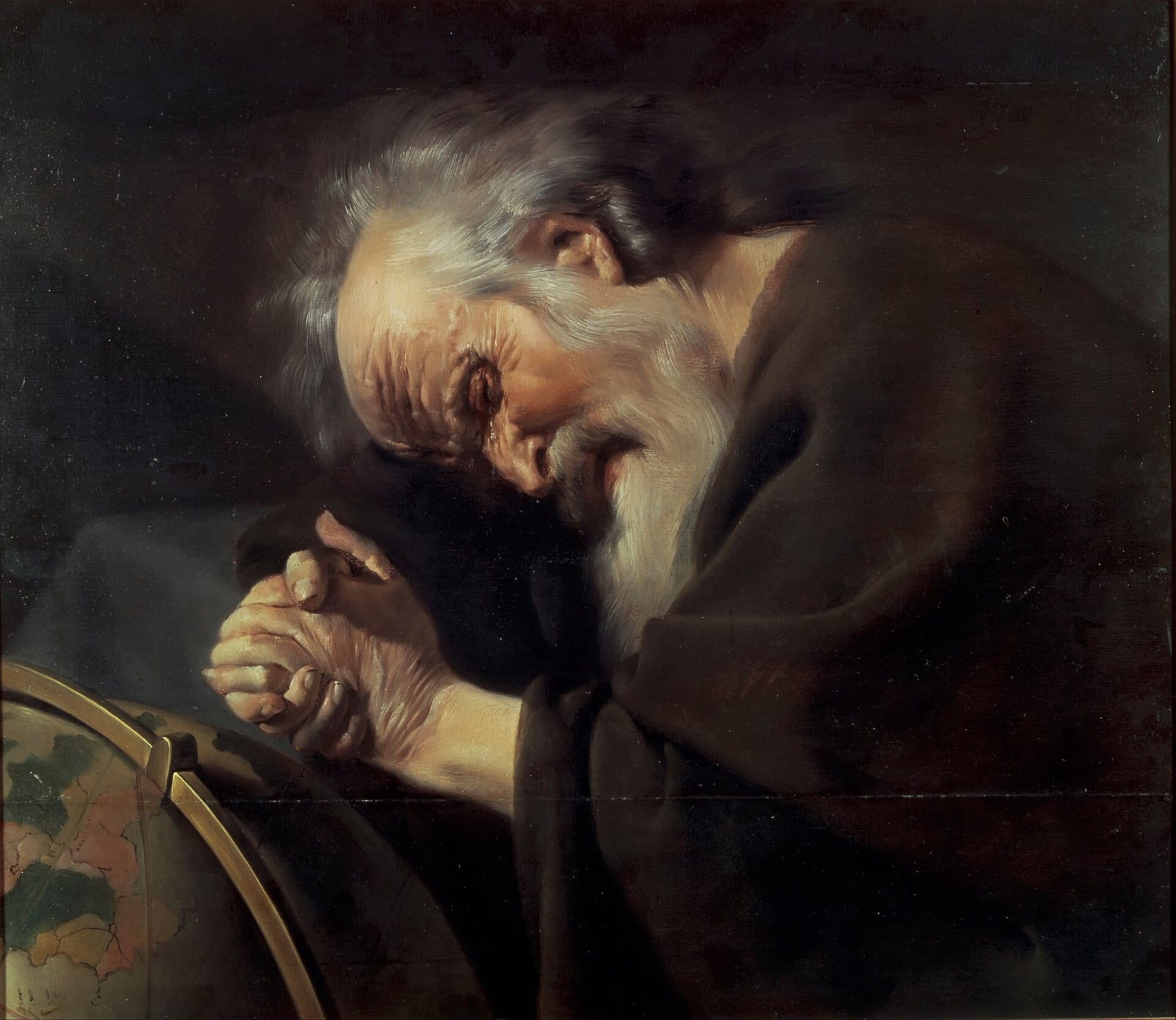
Heráclito, de Johannes Moreelse · Public domain
Con le sue parole
«Though this Word is true evermore, yet men are as unable to understand it when they hear it for the first time as before they have heard it at all. For, though all things come to pass in accordance with this Word, men seem as if they had no experience of them, when they make trial of words and deeds such as I set forth, dividing each thing according to its nature and showing how it truly is. But other men know not what they are doing when awake, even as they forget what they do in sleep.»DK 22 B1, transmitido por Sexto Empírico, Contra los matemáticos VII 132; Aristóteles (Retórica III 5) lo cita como comienzo del libro. Griego: Diels-Kranz; inglés: John Burnet, Early Greek Philosophy (1908), fr. 2 de la numeración de Bywater; español: traducción propia.

La sua idea centrale
Logos: In sixth-century Greek, *logos* means word and discourse, but also account, reckoning and proportion.
Vederlo nel contesto
Biografia
6 min di lettura
Traduzione assistita dall'originale spagnolo, in attesa di revisione da parte di un traduttore madrelingua.
L'Oscuro di Efeso
Di Eraclito non si è conservata alcuna opera completa. Scrisse un solo libro in prosa ionica, che circolava ancora in età ellenistica e che in seguito andò perduto; ciò che leggiamo oggi sono circa centotrenta frasi brevi che altri autori hanno citato, ora alla lettera, ora a memoria, nell'arco di più di mille anni: Platone e Aristotele, Plutarco, Sesto Empirico, Marco Aurelio, Clemente Alessandrino, Ippolito di Roma, Diogene Laerzio, Stobeo. Dall'edizione di Hermann Diels (1903) si citano con un numero preceduto dalla sigla DK 22 B. Hanno la forma dell'oracolo e della sentenza, e già l'Antichità le trovava difficili: Timone di Fliunte lo chiamò «colui che parla per enigmi», e la tradizione successiva gli diede il soprannome di «l'Oscuro».
Efeso intorno al 500
Diogene Laerzio, che scrive nel III secolo d.C. seguendo la cronologia di Apollodoro, lo dice figlio di Blisone — o, secondo altri, di Eracone — e colloca la sua akmè nella 69ª olimpiade (504-501 a.C.). Quella data è una convenzione dei cronografi antichi, che ponevano il culmine di un autore intorno ai quarant'anni, e permette di situarne la nascita verso il 540-535 a.C. La sua città era una delle grandi poleis ioniche della costa dell'Asia Minore, soggetta alla Persia dalla metà del VI secolo e celebre per il santuario di Artemide, uno dei templi più grandi del mondo greco. Che Eraclito nomini al passato Pitagora e Senofane, e che Parmenide sembri rispondergli, conferma una cronologia a cavallo tra il VI e il V secolo.
Quasi tutto il resto è dubbio. Antistene di Rodi, citato da Diogene, racconta che apparteneva alla famiglia regale di Efeso e che cedette al fratello il titolo di basileus, che al suo tempo conservava funzioni religiose e onorifiche. John Burnet ritenne che fosse forse l'unico dato della sua vita che si possa accettare; il resto, come si vedrà, sono storie ricavate dalle sue stesse frasi.
Un libro nel tempio
Secondo Diogene, il suo libro trattava «della natura» ed era diviso in tre discorsi — sull'universo, sulla politica e sulla teologia; lo depose nel tempio di Artemide e lo scrisse di proposito in modo oscuro, perché vi si accostassero soltanto i capaci. Né il titolo né la divisione sono sicuri: gli antichi lo citavano anche come «Le Muse» o come «timone sicuro per la rotta della vita», e la ripartizione in tre parti riflette probabilmente l'ordinamento che gli diedero i commentatori. Ciò che invece mostrano i frammenti è uno stile deliberato, fatto di frasi simmetriche, giochi di parole e paradossi, a immagine del dio di Delfi, che «non dice né nasconde, ma accenna» (B93).
Contro i sapienti e contro la sua città
Eraclito parla di quasi tutti con disprezzo. L'erudizione non insegna ad avere intelligenza, scrive: altrimenti l'avrebbe insegnato a Esiodo e a Pitagora, e poi a Senofane e a Ecateo (B40). Omero merita di essere cacciato dagli agoni e frustato, e Archiloco altrettanto (B42); Esiodo, maestro dei più, non sapeva che il giorno e la notte sono una cosa sola (B57). Né risparmia i suoi concittadini: gli Efesini adulti farebbero bene a impiccarsi tutti e a lasciare la città ai ragazzi, perché hanno bandito Ermodoro, il migliore di loro (B121). A questa voce aristocratica, per la quale uno vale diecimila se è il migliore (B49), corrisponde un'etica esigente: il popolo deve combattere per la legge come per le sue mura (B44).
Che cosa insegnano i frammenti
Il centro del suo pensiero è il logos, parola che in greco significa insieme discorso, calcolo e proporzione. Il frammento che probabilmente apriva il libro (B1) afferma che questo logos è sempre, ma che gli uomini non lo comprendono né prima né dopo averlo udito e vivono come addormentati. Ascoltando non l'autore ma il logos, dice B50, è saggio riconoscere che tutte le cose sono uno. Quell'unità non è quiete, ma tensione di contrari: ciò che discorda concorda con se stesso, come l'arco e la lira (B51); la via in su e la via in giù sono una e la medesima (B60); la guerra è padre di tutte le cose (B53) e la giustizia è contesa (B80). Il mondo, lo stesso per tutti, non lo fece nessuno degli dèi né degli uomini: fu, è e sarà fuoco sempre vivente, che secondo misura si accende e secondo misura si spegne (B30).
L'immagine del fiume nasce da qui. A chi scende negli stessi fiumi sopraggiungono acque sempre diverse (B12): il fiume rimane perché l'acqua cambia. Platone riassunse la dottrina nella formula «tutto si muove e nulla rimane» (Cratilo 402a), e la tradizione la trasformò nel motto panta rhei, che non compare in alcun frammento. A partire da G. S. Kirk (1954), molti studiosi sostengono che il flusso universale sia una lettura platonica e che Eraclito sottolineasse piuttosto la stabilità che nasce dal mutamento misurato; altri, come Daniel W. Graham, difendono l'idea che il flusso facesse davvero parte della sua dottrina. L'anima occupa un posto a sé: i suoi confini non li troveresti, anche percorrendo ogni via, tanto profondo è il suo logos (B45); l'anima secca è la più sapiente (B118); e lo stesso Eraclito scrive: «ho indagato me stesso» (B101).
La leggenda
Diogene Laerzio raccoglie una biografia romanzesca. Eraclito si sarebbe rifiutato di dare leggi agli Efesini e si sarebbe ritirato nel tempio di Artemide a giocare agli astragali con i fanciulli; misantropo, visse sui monti nutrendosi di erbe, si ammalò di idropisia, domandò per enigmi ai medici se sapessero trasformare la pioggia in siccità e, poiché non lo compresero, si coprì di letame per seccarsi al calore. Morì a sessant'anni; secondo Ermippo fu sepolto nell'agorà, e secondo Neante di Cizico, irriconoscibile sotto il letame, fu divorato dai cani. Burnet e, più nel dettaglio, Ava Chitwood hanno mostrato che queste storie furono fabbricate a partire dai frammenti: la morte dell'anima che diventa acqua (B36) produsse l'idropisia; i cadaveri da gettar via più del letame (B96), il letame; il tempo come un fanciullo che gioca (B52), gli astragali.
Un'altra tradizione, di origine ellenistica e diffusa da Seneca, Giovenale e Luciano, ne fece il filosofo che piange davanti alla stoltezza umana, di fronte a Democrito che ride; il Rinascimento e il Barocco fecero della coppia un motivo pittorico. Sono tarde anche le nove lettere che circolarono sotto il suo nome, tra cui la risposta al re Dario con la quale declina l'invito a corte: provengono da ambienti cinici del I secolo a.C. e del I secolo d.C. Più attendibile è la scena raccontata da Aristotele: ad alcuni visitatori che esitavano a entrare vedendolo scaldarsi accanto al forno, disse di farsi avanti, perché anche lì c'erano dèi.
Eredità
La sua influenza fu immediata e duratura. Aristotele racconta che Platone frequentò in gioventù Cratilo, eracliteo radicale, e che da lui ricavò la convinzione che il sensibile scorra sempre; gli stoici fecero del fuoco e del logos il centro della loro fisica, e Cleante scrisse una spiegazione del suo libro. Gli autori cristiani lo citarono ora per lodarlo, ora per combatterlo: grazie a Ippolito di Roma, che lo presentò come la fonte dell'eresia di Noeto, conosciamo molti dei frammenti principali. In età moderna Hegel affermò che non c'era proposizione di Eraclito che non avesse accolto nella sua Logica; Nietzsche lo ammirò; Heidegger gli dedicò i corsi del 1943 e del 1944 e un seminario con Eugen Fink nel 1966-1967. Resta il presocratico più letto, forse perché le sue frasi, sciolte e levigate, invitano ogni epoca a riconoscervisi.
Fonti: Diógenes Laercio. Vidas y opiniones de los filósofos ilustres, libro IX, 1–17 (Heráclito), y II 22, VII 174, s. III d. C. Trad. inglesa de C. D. Yonge, Bohn, Londres, 1853 (Project Gutenberg n.º 57342); trad. inglesa de R. D. Hicks, Loeb Classical Library, 1925 (Wikisource). · Diels, Hermann y Kranz, Walther. Die Fragmente der Vorsokratiker, 6.ª ed., 3 vols. Weidmann, Berlín, 1951–1952; cap. 22 (Heraklit), A (testimonios) y B (fragmentos 1–126, más los dudosos y espurios). Texto griego de los fragmentos B consultado en la transcripción de Wikisource en griego. · Kirk, G. S., Raven, J. E. y Schofield, M. The Presocratic Philosophers: A Critical History with a Selection of Texts, 2.ª ed. Cambridge University Press, Cambridge, 1983, cap. VI (Heraclitus of Ephesus). Trad. esp. de Jesús García Fernández, Los filósofos presocráticos, Gredos, Madrid, 1987. · Kahn, Charles H. The Art and Thought of Heraclitus: An Edition of the Fragments with Translation and Commentary. Cambridge University Press, Cambridge, 1979. · Burnet, John. Early Greek Philosophy, 2.ª ed. Adam and Charles Black, Londres, 1908, cap. III (Herakleitos of Ephesos), §§ 63–80 (Project Gutenberg n.º 67097).
Cronologia
La vita, anno per anno
Ogni punto è un evento documentato. Fai clic per leggerlo, con la sua fonte e il suo grado di certezza.
ca. 535 a.C.0 anniÉfeso (Jonia)
Birth
Born in Ephesus, son of Bloson (or of Heracon, according to others). The date is inferred from the floruit Apollodorus sets in the 69th Olympiad; Wikidata records 535 BCE. Years BCE are expressed as negative numbers.
ProbabileDiógenes Laercio. Vidas y opiniones de los filósofos ilustres, libro IX, 1–17 (Heráclito), y II 22, VII 174, s. III d. C. Trad. inglesa de C. D. Yonge, Bohn, Londres, 1853 (Project Gutenberg n.º 57342); trad. inglesa de R. D. Hicks, Loeb Classical Library, 1925 (Wikisource).
Dopo la sua morte
- ca. 385 a.C.Plato's Cratylus
- ca. 260 a.C.Cleanthes comments on his book
- ca. 225 a.C.Hippolytus quotes his fragments
- 1877Bywater's edition
- 1903Diels fixes the numbering
- 1943Heidegger lectures on Heraclitus
- 1979The Art and Thought of Heraclitus
ca. 535 a.C. · 0 anni
Birth
Born in Ephesus, son of Bloson (or of Heracon, according to others). The date is inferred from the floruit Apollodorus sets in the 69th Olympiad; Wikidata records 535 BCE. Years BCE are expressed as negative numbers.
Probabile
ca. 504 a.C. · 31 anni
Floruit according to Apollodorus
Diogenes Laertius (IX 1), following Apollodorus' chronology, places his prime in the 69th Olympiad (504–501 BCE), in the reign of Darius I.
Tradizione
ca. 500 a.C.
He cedes the royal title
According to Antisthenes of Rhodes (in Diogenes Laertius IX 6), he cedes to his brother the title of basileus, with religious functions. Date unknown; Burnet considers it the most plausible biographical fact.
Tradizione
499 a.C.
The Ionian Revolt
The Ionian cities revolt against Persia (499–494 BCE); Ephesus remains in the Persian orbit. It is the political setting of the civic tensions reflected in his fragments.
Documentato
ca. 490 a.C.
Banishment of Hermodorus
The Ephesians banish his friend Hermodorus, "the best man among them", and Heraclitus rebukes them (B121). The date is unknown: Zeller placed it after 478 BCE and Burnet thought it possible under Persian rule.
Discusso
ca. 480 a.C.
The book deposited in the Artemision
According to Diogenes Laertius (IX 6), he deposits his book in the temple of Artemis. The report is late, though dedicating writings in sanctuaries was a known practice.
Tradizione
ca. 475 a.C. · 60 anni
Death
Dies at about sixty, according to Diogenes Laertius (IX 3). The circumstances (dropsy, dung, dogs) are legendary and derived from his fragments.
Tradizione
ca. 385 a.C.
Plato's Cratylus
Plato ascribes to Heraclitus the view that "everything moves and nothing stays" and that one cannot step twice into the same river (402a); Aristotle reports that Plato knew the Heraclitean Cratylus in his youth.
Probabile
ca. 260 a.C.
Cleanthes comments on his book
The Stoic Cleanthes writes Explanations of Heraclitus in four books (Diogenes Laertius VII 174); the Stoics adopt fire and logos.
Documentato
ca. 225 a.C.
Hippolytus quotes his fragments
In the Refutation of All Heresies (IX 9–10), Hippolytus of Rome transcribes a series of fragments (B1, B50–B67) to show that Noetus' heresy derives from Heraclitus.
Documentato
1877
Bywater's edition
Ingram Bywater publishes Heracliti Ephesii reliquiae, the first standard modern critical edition.
Documentato
1903
Diels fixes the numbering
Hermann Diels publishes Die Fragmente der Vorsokratiker; his numbering, revised by Walther Kranz (5th ed., 1934–1937; 6th, 1951–1952), is the one used today (DK 22 B).
Documentato
1943
Heidegger lectures on Heraclitus
Martin Heidegger devotes his summer-semester courses of 1943 and 1944 to Heraclitus; in winter 1966–1967 he leads a seminar on the fragments with Eugen Fink.
Documentato
1979
The Art and Thought of Heraclitus
Charles H. Kahn publishes an annotated edition that rearranges the fragments and argues for the book's literary unity and deliberate ambiguity.
Documentato
Opere
Opere essenziali
Le opere senza le quali non si comprende la sua eredità.
Opera scritta · ca. 500 a.C.
On Nature (lost book)
Περὶ φύσεως (título convencional)
A book in Ionic prose, written around 500 BCE and, by tradition, deposited in the temple of Artemis at Ephesus. It was read and commented on for centuries—Theophrastus, Cleanthes, Sphaerus and several grammarians explained it—and was lost in late antiquity. Its content is reconstructed from some hundred and thirty quotations: the doctrine of the common logos, the unity and tension of opposites, the ever-living fire kindling and going out in measures, the soul and its depth, the critique of Homer, Hesiod and Pythagoras, mystery religion and the political life of Ephesus. The original order of the sentences is unknown; each editor proposes his own.
15 edizioni · amazon.com

Edizione critica · 1903
Fragments (Diels-Kranz 22 B 1–126)
Ἡρακλείτου ἀποσπάσματα (DK 22 B)
The corpus of verbatim quotations that modern philology ascribes to Heraclitus, some 125 sentences grouped as DK 22 B, together with the indirect testimonies (DK 22 A). They come from authors who quoted them for their own purposes: Hippolytus of Rome (who transmits B1 and the series B50–B67), Clement of Alexandria, Plutarch, Sextus Empiricus, Diogenes Laertius, Stobaeus, Marcus Aurelius, Porphyry, Origen and others. Each quotation raises problems of delimitation—where Heraclitus' sentence ends and paraphrase begins—and of dialect. Later editions (Marcovich 1967, Kahn 1979, Mouraviev 1999–2011, Laks and Most 2016) rearrange the material, but the DK reference remains universal.
7 edizioni · amazon.com

Citazioni
Citazioni localizzate in un'opera precisa. Ciascuna porta con sé la sua provenienza e il suo grado di affidabilità.
Though this Word is true evermore, yet men are as unable to understand it when they hear it for the first time as before they have heard it at all. For, though all things come to pass in accordance with this Word, men seem as if they had no experience of them, when they make trial of words and deeds such as I set forth, dividing each thing according to its nature and showing how it truly is. But other men know not what they are doing when awake, even as they forget what they do in sleep.τοῦ δὲ λόγου τοῦδ᾽ ἐόντος ἀεὶ ἀξύνετοι γίνονται ἄνθρωποι καὶ πρόσθεν ἢ ἀκοῦσαι καὶ ἀκούσαντες τὸ πρῶτον· γινομένων γὰρ πάντων κατὰ τὸν λόγον τόνδε ἀπείροισιν ἐοίκασι, πειρώμενοι καὶ ἐπέων καὶ ἔργων τοιούτων, ὁκοίων ἐγὼ διηγεῦμαι κατὰ φύσιν διαιρέων ἕκαστον καὶ φράζων ὅκως ἔχει· τοὺς δὲ ἄλλους ἀνθρώπους λανθάνει ὁκόσα ἐγερθέντες ποιοῦσιν, ὅκωσπερ ὁκόσα εὕδοντες ἐπιλανθάνονται.
VerificataDK 22 B1, transmitido por Sexto Empírico, Contra los matemáticos VII 132; Aristóteles (Retórica III 5) lo cita como comienzo del libro. Griego: Diels-Kranz; inglés: John Burnet, Early Greek Philosophy (1908), fr. 2 de la numeración de Bywater; español: traducción propia.
Citazioni apocrife o di attribuzione discussa (5)
«Everything flows (panta rhei).»
The formula appears in no fragment. It sums up Plato's reading of Heraclitus ("everything moves and nothing stays", Cratylus 402a), and the literal expression πάντα ῥεῖ comes from late commentators such as Simplicius. Many scholars think Heraclitus stressed the stability resulting from measured change, not universal flux.
«No man ever steps in the same river twice, for it is not the same river and he is not the same man.»
A modern expansion combining B12, B91 and the disputed B49a ("we step and do not step into the same rivers, we are and are not"). The second half, about the man no longer being the same, is in no ancient source.
«The only constant is change.»
Widespread in business books and social media. It has no ancient source; it is a modern paraphrase of the flux commonplace.
«The soul becomes dyed with the colour of its thoughts.»
Frequently attributed to Heraclitus, it is by Marcus Aurelius, Meditations V 16, six centuries later.
«Out of every one hundred men, ten shouldn't even be there, eighty are just targets, nine are the real fighters… but one is a warrior.»
It circulates in military circles and online under Heraclitus' name. It appears in no collection of fragments and in no ancient author.
Ultime parole
Non esistono testimonianze verificabili delle sue ultime parole.
No record of his last words survives. Diogenes Laertius (IX 3) only transmits the riddle he supposedly put to the doctors—whether they could turn a downpour into drought—within an account of his death that scholars regard as derived from his own fragments (B36).
Fonte: Diógenes Laercio. Vidas y opiniones de los filósofos ilustres, libro IX, 1–17 (Heráclito), y II 22, VII 174, s. III d. C. Trad. inglesa de C. D. Yonge, Bohn, Londres, 1853 (Project Gutenberg n.º 57342); trad. inglesa de R. D. Hicks, Loeb Classical Library, 1925 (Wikisource).
Chiedi
Ciò a cui risponde la sua opera
Dodici grandi domande dell'umanità e ciò che i suoi testi permettono di rispondere, con riferimenti. Non gli mettiamo mai parole in bocca.
Che cos'è l'Assoluto? Dio esiste?
A common logos and an ever-living fire that no god made
Un Assoluto impersonaleLo dice espressamente
For Heraclitus the ultimate is the logos, the measure according to which everything happens, and the ever-living fire that is kindled and quenched in measures. Fragment B30 explicitly denies that any of the gods or of men made the cosmos: it always was, is and will be. The divine here has no face of craftsman or father. Yet Heraclitus does not abandon religious language: B32 says that the one, the only wise thing, is unwilling and willing to be called by the name of Zeus, and B67 calls god the unity of opposites, day and night, winter and summer, war and peace. It is an impersonal and intelligent principle that the traditional name of the god only half designates.
Confronta questa domanda con altri maestriChi sono io? Esiste un vero sé?
The soul has no limits: its measure is the common logos
Il Sé è l'AssolutoSi deduce dalla sua dottrina
Heraclitus says of himself that he searched himself (B101) and that it belongs to all humans to know themselves and to be sound of mind (B116). But what he finds in searching himself is not a private interiority: you would not find the limits of the soul though you travelled every road, so deep is its logos (B45). That logos is common to all, as thinking is common (B113), and the error of the many lies in living as if they had a private understanding (B2). The soul is moreover fiery and changing: it comes from water and dies into water (B36). His work suggests that the depth of the self coincides with the measure governing the cosmos, though he never states an identity.
Confronta questa domanda con altri maestriPerché soffriamo?
Sickness makes health sweet: whoever misses the logos suffers
L'ignoranza di ciò che siamoSi deduce dalla sua dottrina
Heraclitus devotes no fragment to the cause of suffering, but his work allows an attitude to be reconstructed. Opposites are inseparable: sickness makes health pleasant, hunger satiety, weariness rest (B111), and it would not be better for humans to get all they wish (B110). For god all things are beautiful, good and just; it is humans who have taken some things as unjust and others as just (B102). War itself is common and justice is strife (B80). Pain thus arises from a partial view: from those who do not grasp the logos although everything happens according to it (B1) and who live as if asleep.
Confronta questa domanda con altri maestriChe cosa accade dopo la morte?
At death things await humans that they neither expect nor imagine
Silenzio o riserboSi deduce dalla sua dottrina
Heraclitus speaks of death in several fragments, always in his enigmatic style, and none offers a description of the beyond. B27 says that at death things await humans that they neither expect nor imagine; B62, that immortals and mortals live each other's death; B36 places the soul in the cycle of elements, for to souls it is death to become water. B25 promises greater portions to greater deaths, perhaps those of the fallen in battle. Together they suggest that death is one more transformation within the flux governed by the logos, and that what comes after does not match usual expectations; they do not allow us to affirm personal survival or to deny it.
Confronta questa domanda con altri maestriCome si raggiunge la liberazione o la salvezza?
The wise is one thing: to know the thought that steers all through all
Con la conoscenza direttaSi deduce dalla sua dottrina
Heraclitus speaks not of salvation but of waking up. Humans live as if asleep, not understanding the logos although everything happens according to it (B1), and each turns towards a private world. The wise, says B41, is one thing: to know the thought that steers all things through all things. That understanding is not given by much learning, which did not teach Hesiod or Pythagoras (B40), but by listening to the logos and agreeing that all is one (B50). B112 joins knowledge and conduct: sound thinking is the greatest virtue, and wisdom is to speak the truth and act according to nature, heeding it. What frees is grasping the common measure.
Confronta questa domanda con altri maestriServe un maestro?
Not to me but to the logos: borrowed learning gives no understanding
Nessuna autorità spiritualeLo dice espressamente
Heraclitus is perhaps the Greek thinker most hostile to the authority of recognised sages. Much learning does not teach understanding, says B40; otherwise it would have taught Hesiod, Pythagoras, Xenophanes and Hecataeus. Homer deserves to be thrown out of the contests and flogged, and Hesiod, teacher of most, did not know that day and night are one. He does not even claim authority for himself: it is wise, listening not to him but to the logos, to agree that all is one (B50). And against any school he sets his own method: I searched myself (B101). No one can grasp for another the logos that is common to all.
Confronta questa domanda con altri maestriIl mondo è reale?
Ever-living fire, kindled and quenched in measures
Un ordine naturale in trasformazioneLo dice espressamente
For Heraclitus the world is real and in perpetual transformation. B30 describes it as an ever-living fire kindled and quenched in measures, which no one made and which always was, is and will be. Upon those who step into the same rivers, other and other waters flow (B12): the identity of things holds through change, like that of the river. Opposites are joined in tension, as in the bow and the lyre (B51), and war is the father of all things (B53). But the flux is not chaos: the sun will not overstep its measures (B94). The real is the changing course of things, ordered by a logos to which the wise attune themselves.
Confronta questa domanda con altri maestriChe cos'è l'amore?
No fragment speaks of love; the uniting force is tension
Non si è pronunciato
Among Heraclitus' surviving fragments there is none devoted to love, either erotic or as goodwill. What joins things in his work is not attraction but the tension of opposites: what differs agrees with itself, a harmony of opposing tensions, as in the bow and the lyre (B51). War is the father of all (B53) and justice is strife (B80). Heraclitus even reproaches Homer for wishing strife would vanish from among gods and men, since without it there would be no harmony (A22). It would be forced to extract a doctrine of love from this; the closest is hidden harmony, which is better than the manifest (B54).
Confronta questa domanda con altri maestriSiamo liberi o è tutto determinato?
Character is a human being's destiny
Destino e responsabilitàLo dice espressamente
Heraclitus' most quoted fragment on this question is B119: character is a human being's destiny, his daimon. The sentence can be read in two senses that do not exclude each other: each person's destiny is not an alien power but is identified with his way of being; and, at the same time, that character works as a force that guides him. Elsewhere Heraclitus states that everything happens according to the logos (B1) and through strife and necessity (B80), and that the sun will not overstep its measures, for the Erinyes, helpers of Justice, would find it out (B94). There is an order governing everything, but the centre of gravity of human destiny lies in conduct.
Confronta questa domanda con altri maestriPerché meditare o pregare?
Praying to statues is talking to walls: one must grasp the logos
Vedere la realtà così com'èSi deduce dalla sua dottrina
Heraclitus sharply criticises the religious forms of his time. Those who purify themselves by defiling themselves with blood are like someone who, having stepped into mud, would wash it off with mud; and they pray to statues as if one were to converse with houses, knowing nothing of gods or heroes (B5). Mystery rites, as practised, are unholy (B14). What he proposes instead is a form of attention: to listen to the logos and not to him (B50), to wake from the sleep in which most live (B1) and to search oneself (B101). The aim is not to gain favours but to see what is, the common logos that nature, which loves to hide, conceals.
Confronta questa domanda con altri maestriPuò la ragione conoscere l'ultimo?
Nature loves to hide; the logos is common, but few grasp it
Conoscenza esotericaSi deduce dalla sua dottrina
Heraclitus believes the logos can be understood — it is common to all, as thinking is (B113) — but that almost no one does. Nature loves to hide (B123), invisible harmony is better than visible (B54), and the lord whose oracle is at Delphi neither speaks nor conceals but gives signs (B93), just like his own enigmatic style, which earned him the nickname “the Obscure”. Eyes and ears are bad witnesses for those with barbarian souls (B107), and much learning does not give understanding (B40). Unless one expects the unexpected, one will not find it (B18). The ultimate is accessible but requires deciphering the signs; truth is in plain sight, hidden from those who cannot look.
Confronta questa domanda con altri maestriRitirarsi dal mondo o trasformarlo?
The people must fight for the law as for its city wall
Ordinare la societàLo dice espressamente
Ancient biography relates that Heraclitus renounced hereditary kingship in favour of his brother, refused to give laws to Ephesus and ended up living in the mountains, feeding on herbs. But these anecdotes, transmitted by Diogenes Laertius, are largely regarded as inferences from his fragments. The fragments themselves speak otherwise: the people must fight for the law as for the wall (B44); those who speak with understanding must rely on what is common to all, as a city on its law, and far more strongly, for all human laws are nourished by one, the divine (B114). Wisdom thus has a civic dimension: just law reflects the logos.
Confronta questa domanda con altri maestri
Affinità e tensioni
Affinità e tensioni
Calcolate domanda per domanda a partire dalle sue posizioni. Il perché di ogni accordo o contrasto, con un clic.
La pensa in modo simile a
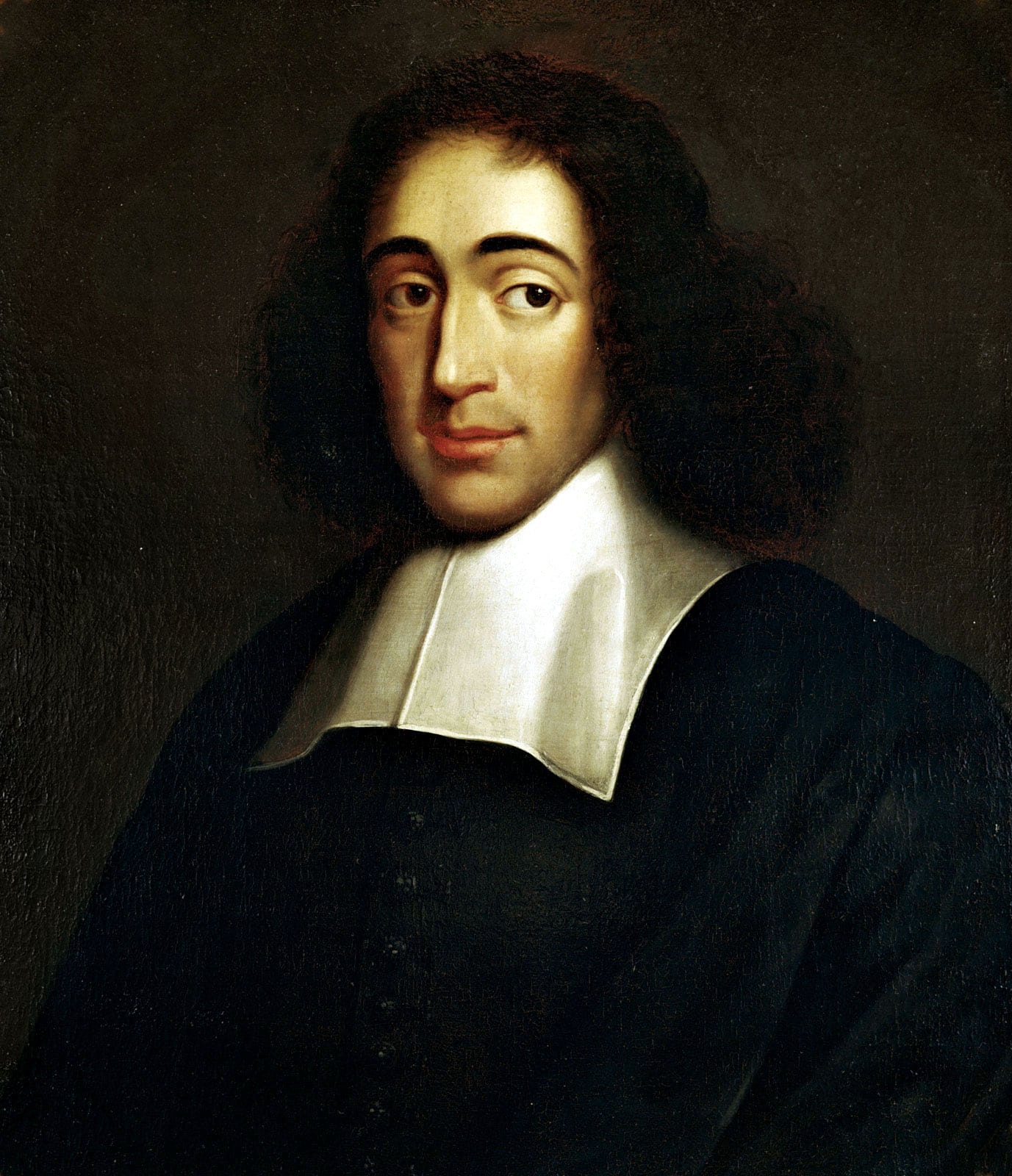
Baruch Spinoza
Concordano su: Che cos'è l'Assoluto? Dio esiste? · Chi sono io? Esiste un vero sé? · Perché soffriamo?
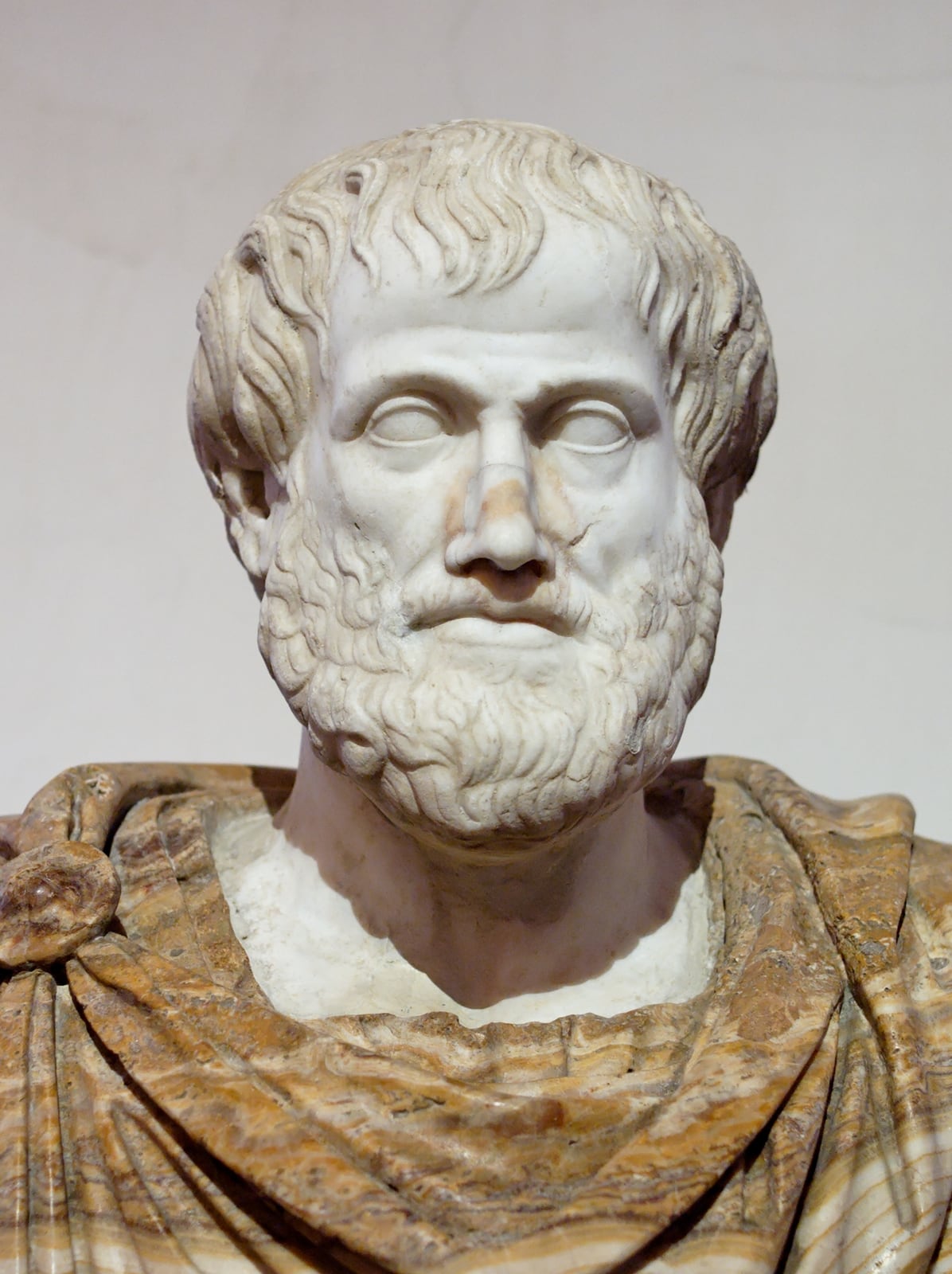
Aristotle
Concordano su: Che cos'è l'Assoluto? Dio esiste? · Che cosa accade dopo la morte? · Il mondo è reale?
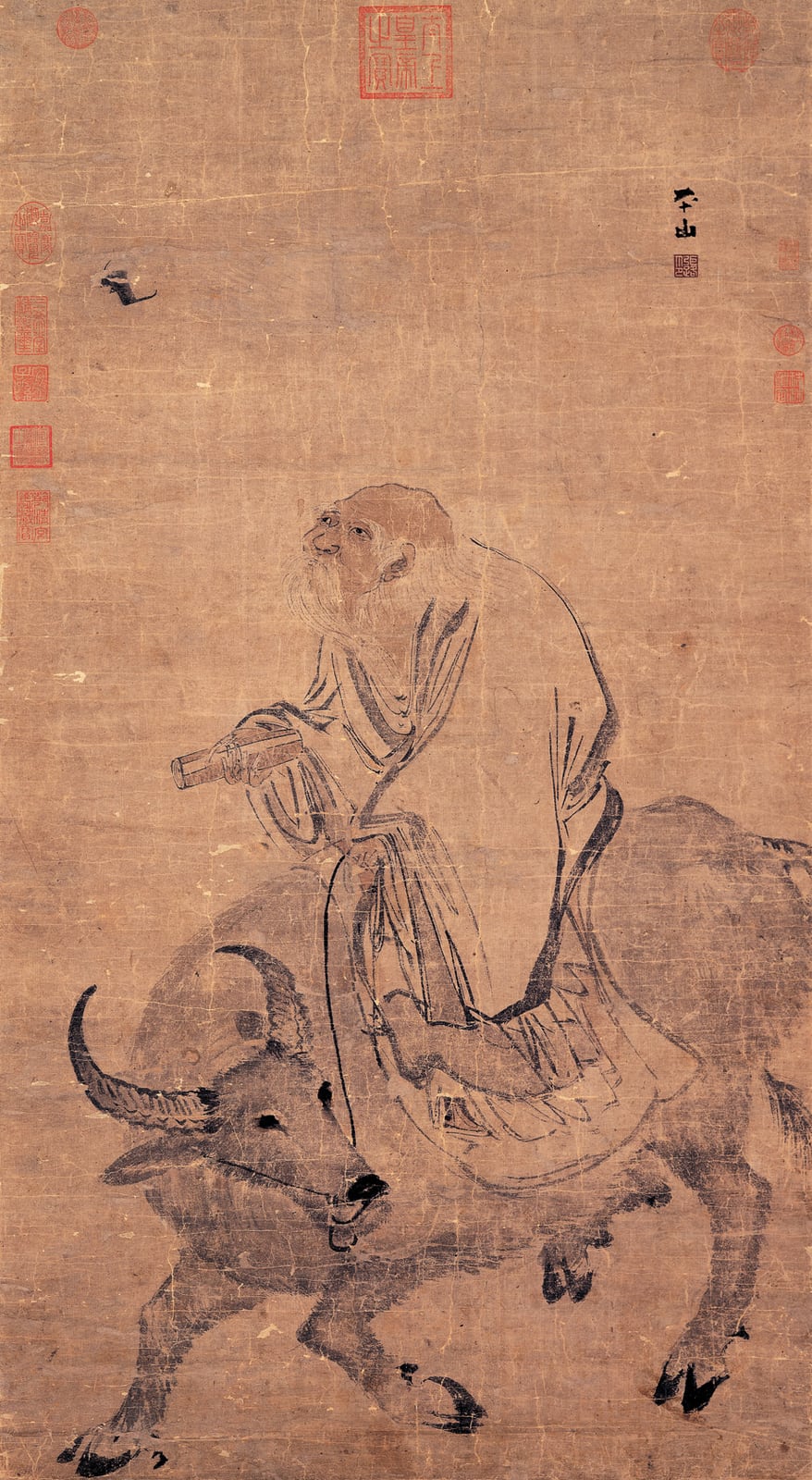
Laozi
Concordano su: Che cosa accade dopo la morte? · Il mondo è reale? · Perché meditare o pregare?
Leo Tolstoy
Concordano su: Siamo liberi o è tutto determinato? · Che cos'è l'Assoluto? Dio esiste? · Chi sono io? Esiste un vero sé?
La pensa diversamente da

Chaitanya Mahaprabhu
Si scontrano su: Chi sono io? Esiste un vero sé? · Serve un maestro?

Dōgen
Si scontrano su: Chi sono io? Esiste un vero sé? · Serve un maestro?
Rumi
Si scontrano su: Chi sono io? Esiste un vero sé? · Serve un maestro?
Jesus of Nazareth
Si scontrano su: Chi sono io? Esiste un vero sé? · Serve un maestro?
Aneddoti e racconti
Aneddoti e racconti
Testimonianzac. 500 a. C. (incierto)
"There are gods here too"
Origine del racconto: Aristotle, Parts of Animals I 5, 645a17–23, who introduces it with "it is said". It is the oldest testimony to an anecdote about Heraclitus and does not come from the late biographical tradition, though Aristotle writes a century and a half later.
Contestatoc. 500 a. C.
The king who gave up the throne
Origine del racconto: Diogenes Laertius IX 6, quoting the Successions of Antisthenes of Rhodes (2nd century BCE). Strabo (XIV 1.3) confirms that the descendants of Androclus, founder of Ephesus, kept the royal title and its honours.
Non verificabilec. 490–480 a. C. (tradicional)
Knucklebones in the temple of Artemis
Origine del racconto: Diogenes Laertius IX 2–3 (3rd century CE), without a named source. Burnet (Early Greek Philosophy, § 63, n. 324) and Chitwood (Death by Philosophy, 2004) show how the biographical tradition derived these scenes from the fragments.
Non verificabiles. V a. C. (tradicional)
The Delian diver
Origine del racconto: Diogenes Laertius II 22 (life of Socrates, quoting Ariston) and IX 11–12 (quoting Seleucus the grammarian and Croton). It is not found in Plato or Xenophon.
Contestatoc. 475 a. C. (tradicional)
Death under the dung
Origine del racconto: Diogenes Laertius IX 3–5, with the versions of Hermippus, Neanthes, Ariston and Hippobotus. Ava Chitwood (Death by Philosophy, 2004), and Burnet before her, showed that the story is built from his fragments: water as the death of soul (B36), corpses more fit to be thrown out than dung (B96), contempt for doctors (B58). The versions contradict one another.
Fonte: Chitwood, Ava. Death by Philosophy: The Biographical Tradition in the Life and Death of the Archaic Philosophers Empedocles, Heraclitus, and Democritus. University of Michigan Press, Ann Arbor, 2004.
Non verificabiletópico helenístico y romano
The weeping philosopher
Origine del racconto: Seneca, On Anger II 10.5 and On Tranquillity of Mind 15.2; Juvenal, Satires X 28–32; Lucian, Philosophies for Sale 13–14. The word "melancholy" comes from Theophrastus according to Diogenes Laertius IX 6. It is a literary commonplace, not a biographical fact.
Fonte: Séneca. De ira II 10.5 y De tranquillitate animi 15.2; Juvenal, Sátiras X 28–32; Luciano, Subasta de vidas 13–14 (el tópico de Heráclito que llora y Demócrito que ríe).
Contestatoc. 500 a. C. (tradicional)
The book deposited in the temple
Origine del racconto: Diogenes Laertius IX 6; Theophrastus quoted in the same passage. Kahn (1979) and Burnet discuss the report without wholly rejecting it.
Insegnamenti
Insegnamenti
Le nozioni che articolano il suo pensiero, spiegate nel loro contesto.
Logoslogos
The book's central concept, present in B1, B2, B45, B50, B72 and B115.
Fonte: Kahn, Charles H. The Art and Thought of Heraclitus: An Edition of the Fragments with Translation and Commentary. Cambridge University Press, Cambridge, 1979.
Unity of oppositesunidad-de-los-contrarios
A doctrine transmitted chiefly by Hippolytus (B51–B67), who links it to Noetus' theology.
Fonte: Kirk, G. S., Raven, J. E. y Schofield, M. The Presocratic Philosophers: A Critical History with a Selection of Texts, 2.ª ed. Cambridge University Press, Cambridge, 1983, cap. VI (Heraclitus of Ephesus). Trad. esp. de Jesús García Fernández, Los filósofos presocráticos, Gredos, Madrid, 1987.
Ever-living firefuego-siempre-vivo
The cosmology of fragments B30, B31, B64, B66, B90.
Fonte: Kirk, G. S. Heraclitus: The Cosmic Fragments. Cambridge University Press, Cambridge, 1954.
The river and fluxel-rio
Fragments B12, B49a and B91; testimonies of Plato (Cratylus 402a) and Aristotle (Metaphysics Γ 5, 1010a10–15).
Polemos: war and justicepolemos
Fragments B53, B80 and A22 (Aristotle, Eudemian Ethics VII 1, 1235a25).
Fonte: Kirk, G. S., Raven, J. E. y Schofield, M. The Presocratic Philosophers: A Critical History with a Selection of Texts, 2.ª ed. Cambridge University Press, Cambridge, 1983, cap. VI (Heraclitus of Ephesus). Trad. esp. de Jesús García Fernández, Los filósofos presocráticos, Gredos, Madrid, 1987.
The soul (psyche)psyche
Fragments B36, B45, B77, B85, B101, B115–B119.
Fonte: Kahn, Charles H. The Art and Thought of Heraclitus: An Edition of the Fragments with Translation and Commentary. Cambridge University Press, Cambridge, 1979.
Video
Video
Registrazioni, interviste e documentari. I video vengono riprodotti da YouTube; non sono ospitati qui.
Heraclitus: Pre-Socratic Philosophy
Conferenza· EN· 2022· 28 min
Philosophy Overdose
HoP 005 - Old Man River - Heraclitus
Conferenza· EN· 2020· 18 min
history of philosophy without any gapsCanale ufficiale
2) The Pre-Socratics: Xenophanes and Heraclitus
Conferenza· EN· 2016· 74 min
Adam RosenfeldCanale ufficiale
Prof. Richard Capobianco: Heidegger's Readings of Heraclitus: The Metaphysical and Spiritual Import
Conferenza· EN· 2023· 33 min
Stonehill CollegeCanale ufficiale
Heraclitus of Ephesus | The Logos | Philosophy Core Concepts
Analisi· EN· 2020· 19 min
Gregory B. Sadler - That Philosophy GuyCanale ufficiale
Heraclitus of Ephesus | Strife, Opposition, and Harmony | Philosophy Core Concepts
Analisi· EN· 2020· 20 min
Gregory B. Sadler - That Philosophy GuyCanale ufficiale
Heráclito de Éfeso
Documentario· ES· 2016· 22 min
UNEDCanale ufficiale
Conferencia Teresa Oñate "Heráclito"
Conferenza· ES· 2018· 134 min
Hercritia-Cátedra de Hermenéutica CríticaCanale ufficiale
Heráclito, Empédocles y Anaxágoras | Historia de la filosofía (7/61)
Conferenza· ES· 2017· 68 min
Ernesto CastroCanale ufficiale
Filosofía más allá de la academia. Ciclo de filosofía antigua. Parménides y Heráclito
Conferenza· ES· 2022· 88 min
Universidad Nacional Abierta y a Distancia UNADCanale ufficiale
Héraclite avec André Laks
Intervista· FR· 2010· 56 min
Résonance[s]
Hans-Georg Gadamer über Heraklit/on Heraclitus (full, 1989)
Intervista· DE· 1989· 50 min
PhilosophieKanal
Galleria
Galleria
Immagini con licenza verificata. Ciascuna conserva la sua paternità e la sua attribuzione.
Manoscritti
Manoscritti
Testimoni manoscritti e testi antichi, con il loro custode e le loro condizioni di consultazione.
GRC · Minúscula griega · c. 222–235 d. C.; copia del s. XIV
Ἱππολύτου κατὰ πασῶν αἱρέσεων ἔλεγχος (Refutatio omnium haeresium), libros IV–X
- Testimone conservato
- Códice en papel, único testigo de los libros IV–X; atribuido a Orígenes hasta mediados del s. XIX
- Custode
- Bibliothèque nationale de France, París · Supplément grec 464
Relazioni
Relazioni
Influenze, discepolati e affinità. Si distingue la relazione documentata dalla somiglianza individuata per analisi.
Dissentì da
He criticises him in B40 among the learned without understanding; B129, of disputed authenticity, accuses him of appropriating others' writings and calls his wisdom "artful knavery".
Relazione documentata
Dissentì da
Jenófanes
He names him in B40 alongside Hesiod, Pythagoras and Hecataeus. Sotion made him Xenophanes' pupil, a report Burnet considers improbable.
Relazione documentata
Dissentì da
Homero
B42 calls for him to be thrown out of the contests and flogged; B56 cites him as an example of how men are deceived about what is visible.
Relazione documentata
Dissentì da
Hesíodo
"Teacher of most", he did not know that day and night are one (B57); he also appears in B40 and B106.
Relazione documentata
Contemporaneo di
They were contemporaries. Many scholars read in Parmenides B6 ("two-headed mortals… for whom the path of all things turns back on itself") a polemical allusion to Heraclitus; others deny it.
Somiglianza individuata per analisi
Influenzò
Diogenes Laertius (II 22) tells that Euripides lent him Heraclitus' book and that he asked for "a Delian diver" to understand it; the anecdote has no contemporary confirmation.
Somiglianza individuata per analisi
Influenzò
According to Aristotle (Metaphysics A 6), he knew the Heraclitean Cratylus in his youth and kept the conviction that sensible things flow; he discusses the doctrine in the Cratylus and the Theaetetus.
Relazione documentata
Influenzò
He quotes and criticises him: he accuses him of denying the principle of non-contradiction (Metaphysics Γ 3), comments on the ambiguity of his prose (Rhetoric III 5) and transmits the anecdote of the oven.
Relazione documentata
Influenzò
The Stoics, from Zeno and Cleanthes—author of Explanations of Heraclitus—adopted fire as principle and logos as the reason of the cosmos.
Relazione documentata
Influenzò
The Meditations quote and paraphrase Heraclitus (IV 46, VI 42); fragments DK B71–B76 come from them.
Relazione documentata
Influenzò
He took from Heraclitus the term "enantiodromia"—the turning of something into its opposite—and defined it in Psychological Types (1921).
Relazione documentata
Idee affini a
Empedocles' Love and Strife extend, in another key, the Heraclitean tension between harmony and war.
Somiglianza individuata per analisi
Idee affini a
The complementarity of opposites, the praise of the hidden and water as an image of change bring the Daodejing close to Heraclitus' fragments; the comparison has been common since the nineteenth century, without historical contact.
Somiglianza individuata per analisi
Idee affini a
Siddhartha Gautama, the Buddha
Approximate contemporaries, both made continual change a key to reality, though the Buddha understood it as liberating impermanence and Heraclitus as ordering measure.
Somiglianza individuata per analisi
Fonti
Fonti
Bibliografia e cataloghi consultati per questa scheda.
- Wikidata, entidad Q41155 «Heraclitus» (146 enlaces entre wikis; P31=Q5). Registra nacimiento en 535 a. C. y muerte en 470 a. C., ambos en Éfeso.
- Diógenes Laercio. Vidas y opiniones de los filósofos ilustres, libro IX, 1–17 (Heráclito), y II 22, VII 174, s. III d. C. Trad. inglesa de C. D. Yonge, Bohn, Londres, 1853 (Project Gutenberg n.º 57342); trad. inglesa de R. D. Hicks, Loeb Classical Library, 1925 (Wikisource).
- Diels, Hermann y Kranz, Walther. Die Fragmente der Vorsokratiker, 6.ª ed., 3 vols. Weidmann, Berlín, 1951–1952; cap. 22 (Heraklit), A (testimonios) y B (fragmentos 1–126, más los dudosos y espurios). Texto griego de los fragmentos B consultado en la transcripción de Wikisource en griego.
- Kirk, G. S., Raven, J. E. y Schofield, M. The Presocratic Philosophers: A Critical History with a Selection of Texts, 2.ª ed. Cambridge University Press, Cambridge, 1983, cap. VI (Heraclitus of Ephesus). Trad. esp. de Jesús García Fernández, Los filósofos presocráticos, Gredos, Madrid, 1987.
- Kahn, Charles H. The Art and Thought of Heraclitus: An Edition of the Fragments with Translation and Commentary. Cambridge University Press, Cambridge, 1979.
- Burnet, John. Early Greek Philosophy, 2.ª ed. Adam and Charles Black, Londres, 1908, cap. III (Herakleitos of Ephesos), §§ 63–80 (Project Gutenberg n.º 67097).
- Graham, Daniel W. «Heraclitus». The Stanford Encyclopedia of Philosophy, ed. Edward N. Zalta y Uri Nodelman; primera publicación el 8 de febrero de 2007, revisión sustancial del 8 de diciembre de 2023.
- Laks, André y Most, Glenn W. (eds. y trads.). Early Greek Philosophy, vol. III: Early Ionian Thinkers, Part 2. Loeb Classical Library 526, Harvard University Press, Cambridge (Mass.), 2016.
- Graham, Daniel W. (ed. y trad.). The Texts of Early Greek Philosophy: The Complete Fragments and Selected Testimonies of the Major Presocratics, 2 vols. Cambridge University Press, Cambridge, 2010.
- Eggers Lan, Conrado y Juliá, Victoria E. (introd., trad. y notas). Los filósofos presocráticos I. Biblioteca Clásica Gredos 12, Gredos, Madrid, 1978 (incluye Heráclito).
- Chitwood, Ava. Death by Philosophy: The Biographical Tradition in the Life and Death of the Archaic Philosophers Empedocles, Heraclitus, and Democritus. University of Michigan Press, Ann Arbor, 2004.
- Aristóteles. Partes de los animales I 5, 645a17–23 (la anécdota del horno); Metafísica A 6, 987a29–b1 (Platón y Crátilo) y Γ 3, 1005b23–25; Retórica III 5, 1407b11–18 (la puntuación de B1). Trad. inglesa de W. Ogle (1882) y W. D. Ross (1908), Internet Classics Archive (MIT).
- Platón. Crátilo 402a; Teeteto 152d–e y 160d; Sofista 242d–e; Banquete 187a. Trad. inglesa de Benjamin Jowett, The Dialogues of Plato, 3.ª ed., Clarendon Press, Oxford, 1892 (Project Gutenberg n.º 1616, Cratylus).
- Attridge, Harold W. First-Century Cynicism in the Epistles of Heraclitus. Harvard Theological Studies 29, Scholars Press, Missoula, 1976; y Malherbe, Abraham J. (ed.), The Cynic Epistles: A Study Edition, Scholars Press, Missoula, 1977.
- Séneca. De ira II 10.5 y De tranquillitate animi 15.2; Juvenal, Sátiras X 28–32; Luciano, Subasta de vidas 13–14 (el tópico de Heráclito que llora y Demócrito que ríe).
- Fairbanks, Arthur (ed. y trad.). The First Philosophers of Greece: An Edition and Translation of the Remaining Fragments of the Pre-Sokratic Philosophers. Kegan Paul, Trench, Trübner, Londres, 1898 (Project Gutenberg n.º 78670).
- Bywater, Ingram (ed.). Heracliti Ephesii reliquiae. Clarendon Press, Oxford, 1877; y Patrick, G. T. W., The Fragments of the Work of Heraclitus of Ephesus on Nature, translated from the Greek text of Bywater, N. Murray, Baltimore, 1889 (Internet Archive).
- «Heraclitus», Wikipedia en inglés, y «Heráclito», Wikipedia en español (consultadas para contrastar datos y bibliografía; texto propio).
- Open Library (Internet Archive): ediciones de los fragmentos de Heráclito y de las colecciones de presocráticos verificadas por ISBN.
- Bibliothèque nationale de France. Hippolyte, Réfutation de toutes les hérésies (notice de titre conventionnel), y manuscrito Supplément grec 464 (s. XIV), único testigo de los libros IV–X; ed. M. Marcovich, Hippolytus. Refutatio omnium haeresium, De Gruyter, Berlín, 1986.
- Mondolfo, Rodolfo. Heráclito. Textos y problemas de su interpretación. Siglo XXI, México, 1966 (reed. 2007).
- García Calvo, Agustín. Razón común. Edición crítica, ordenación, traducción y comentario de los restos del libro de Heraclito. Lucina, Madrid, 1985 (Lecturas presocráticas II).
- Marcovich, Miroslav. Heraclitus. Greek Text with a Short Commentary. Editio maior. Universidad de los Andes, Mérida (Venezuela), 1967.
- Kirk, G. S. Heraclitus: The Cosmic Fragments. Cambridge University Press, Cambridge, 1954.
- Jung, Carl Gustav. Psychologische Typen. Rascher, Zúrich, 1921, cap. XI, «Definiciones», s. v. «Enantiodromie».
- Marco Aurelio. Meditaciones IV 46 y V 16. Trad. inglesa de George Long, 1862 (Project Gutenberg n.º 2680).
- Titolare dei diritti
- Textos antiguos en dominio público; cada traducción y edición crítica pertenece a su traductor o editorial
In attesa di conferma
Ciò che questa scheda non ha ancora potuto chiarire. Preferiamo dirlo piuttosto che riempirlo.
- Fechas: se adopta c. 535–475 a. C. (Wikidata y uso común); Diógenes Laercio solo da la madurez en la 69.ª olimpiada (504–501) y la edad de sesenta años al morir (así traduce Hicks; la versión de Yonge dice «setenta», probablemente por error).
- Ediciones con ISBN no verificado en catálogo: Diels-Kranz (Weidmann; los ISBN de la reimpresión de 2005 no indican volumen), Marcovich (Mérida, 1967, sin ISBN) y Mouraviev (solo se ha verificado una parte).
- Traducción española de dominio público de los fragmentos: no localizada en línea con URL estable.
- Manuscrito BnF Supplément grec 464: no se ha localizado digitalización en Gallica; añadir el enlace si existe.
- Imagen de la moneda de Éfeso: licencia «Public domain» según Commons sin plantilla específica; revisar la ficha si se usa como principal.
- Programas de afiliación: ninguno verificado (Gredos, Alianza, Cambridge, Harvard). Lista vacía.
- Año de los vídeos: el de la grabación cuando la descripción lo indica y, si no, el de publicación en YouTube.
Ricerca effettuata il 2026-10-25