Aristotelismo
Aristotle
Ἀριστοτέλης · أرسطوطاليس
384 a.C. – 322 a.C.Persona storicamente documentata
Filosofo e scienziato greco (384-322 a.C.), discepolo di Platone per vent'anni, precettore di Alessandro Magno e fondatore del Liceo di Atene. Creò la logica formale, ordinò il sapere in discipline e lasciò trattati di fisica, biologia, psicologia, metafisica, etica, politica, retorica e poetica che dominarono la filosofia greca, araba, ebraica e cristiana per due millenni. La sua idea della vita contemplativa come forma suprema di felicità resta un riferimento centrale.
- opere
- 67opere
- edizioni
- 245edizioni
- citazioni
- 18citazioni
- video
- 15video
- immagini
- 9immagini
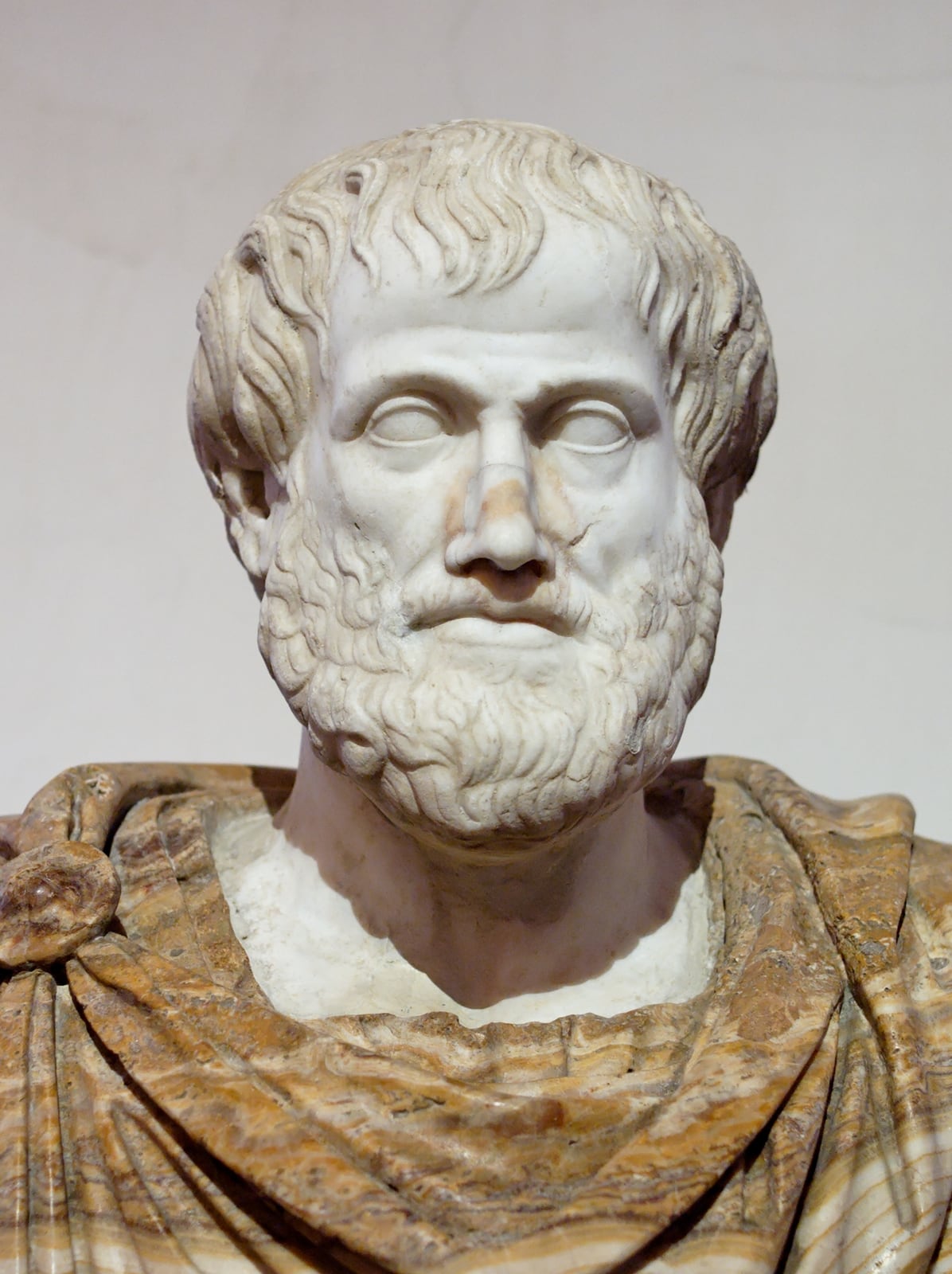
Busto de Aristóteles (Museo Nacional Romano, Palazzo Altemps) · Public domain
Con le sue parole
«“All men by nature desire to know.”»Metafísica I (A) 1, 980a21. Inglés: trad. de W. D. Ross (Oxford, 1908); español: trad. propia del griego.

La sua idea centrale
Substance (ousia): For Aristotle, “being” is said in many ways, but all of them refer to a first one: substance.
Vederlo nel contesto
Biografia
6 min di lettura
Traduzione assistita dall'originale spagnolo, in attesa di revisione da parte di un traduttore madrelingua.
Un figlio di medico ai confini della Macedonia
Aristotele nacque nel 384 a.C. a Stagira, piccola città greca della Calcidica, sulla costa settentrionale dell'Egeo. Il padre, Nicomaco, era medico e amico del re Aminta III di Macedonia, e la famiglia si diceva discendente di Asclepio attraverso Macaone; la madre, Festide, proveniva da Calcide, in Eubea. Entrambi morirono quando lui era ancora un ragazzo, e la sua tutela passò a Prosseno di Atarneo, che il filosofo avrebbe ricordato nel testamento disponendo che gli si erigesse una statua. Quell'infanzia trascorsa tra medici e cortigiani spiega, secondo molti studiosi, due tratti della sua vita: la passione per l'osservazione degli esseri viventi e un legame con la casa reale macedone che avrebbe finito per deciderne il destino.
Va detto fin dall'inizio che quasi tutto ciò che sappiamo della sua vita proviene da fonti tarde. La biografia più ampia è quella di Diogene Laerzio, scritta nel III secolo d.C. sulla base di autori ellenistici come Ermippo e Apollodoro; vi si aggiungono le Vite redatte dai commentatori neoplatonici, più devote che critiche, e una tradizione ostile che lo dipingeva vanitoso e adulatore di re. La ricerca moderna, a partire da Ingemar Düring, distingue con cura i dati cronologici, probabilmente attendibili, dagli aneddoti.
Vent'anni nell'Accademia
A diciassette anni, intorno al 367 a.C., giunse ad Atene ed entrò nell'Accademia di Platone, dove rimase vent'anni, fino alla morte del maestro. Fu allievo, ricercatore e ben presto insegnante di retorica. In quel periodo scrisse dialoghi destinati al grande pubblico — il Grillo, l'Eudemo, il Protrettico, Sulla filosofia — la cui prosa Cicerone avrebbe ammirato come «un fiume d'oro»; ne restano soltanto frammenti. È probabile che risalgano a questi anni anche le prime redazioni dei suoi scritti di logica.
Il rapporto con Platone fu quello di un discepolo che discute. Diogene Laerzio riferisce una frase attribuita al maestro: Aristotele lo aveva preso a calci «come i puledri scalciano la madre che li ha partoriti». La sua critica della teoria delle Idee attraversa la Metafisica e l'Etica Nicomachea, dove confessa che gli è penoso confutare degli amici, ma che la pietà impone di anteporre la verità. Werner Jaeger propose nel 1923 di leggere la sua opera come un progressivo allontanamento dal platonismo; oggi quella cronologia appare troppo netta, ma la tensione che egli indicò resta reale.
L'Asia Minore, Lesbo e la corte di Macedonia
Morto Platone nel 348/347 a.C., e passata l'Accademia nelle mani del nipote Speusippo, Aristotele lasciò Atene. Si stabilì ad Asso, nella Troade, sotto la protezione di Ermia, signore di Atarneo, al quale lo univa una stretta amicizia, e ne sposò la nipote e figlia adottiva, Pizia; ebbero una figlia con lo stesso nome. Intorno al 345/344 si trasferì a Mitilene, nell'isola di Lesbo, dove lavorò accanto a Teofrasto, originario di Ereso. Le numerose menzioni della laguna di Pirra nelle Ricerche sugli animali hanno indotto a collocare lì buona parte delle sue osservazioni su pesci, molluschi e uccelli.
Nel 343/342 Filippo II lo chiamò in Macedonia per educare il figlio Alessandro, che aveva allora tredici anni. Secondo Plutarco, le lezioni si tenevano nel santuario delle Ninfe di Mieza, e il principe conservò per tutta la vita un'Iliade corretta dal suo maestro. Aristotele ottenne la ricostruzione di Stagira, rasa al suolo dai Macedoni. Intorno al 341 Ermia fu catturato a tradimento dai Persiani e giustiziato; Aristotele gli dedicò un inno alla Virtù e un epigramma per la sua statua a Delfi che più tardi gli sarebbero costati cari.
Il Liceo
Nel 335/334, poco dopo l'ascesa al trono di Alessandro, tornò ad Atene. In quanto meteco non poteva possedere terre, e insegnò perciò nel Liceo, un ginnasio pubblico consacrato ad Apollo Liceo, i cui passeggi coperti — il peripatos — diedero alla scuola il nome di peripatetica. Lì raccolse una biblioteca e organizzò un lavoro collettivo senza precedenti: la raccolta di centocinquantotto costituzioni di città greche, l'elenco dei vincitori dei Giochi Pitici, compilato con il parente Callistene, e una gran massa di osservazioni zoologiche e botaniche.
I trattati che possediamo non sono libri rifiniti per il pubblico, ma materiali didattici rivisti più e più volte: logica, fisica, psicologia, biologia, metafisica, etica, politica, retorica e poetica. Questa natura ne spiega la densità, le ripetizioni e la straordinaria ampiezza. Ad Atene morì Pizia; Aristotele visse poi con Erpillide, di Stagira, dalla quale ebbe un figlio, Nicomaco. Il suo rapporto con Alessandro si raffreddò dopo la morte di Callistene, accusato di aver congiurato contro il re nel 327.
Calcide, il testamento e la sorte dei libri
La morte di Alessandro a Babilonia, nel giugno del 323, scatenò ad Atene un'ondata antimacedone. Lo ierofante Eurimedonte accusò Aristotele di empietà, prendendo a pretesto l'inno a Ermia, e il filosofo si ritirò a Calcide, nella casa della famiglia materna. Un'antica tradizione gli attribuisce la frase secondo cui non avrebbe permesso agli Ateniesi di peccare due volte contro la filosofia, con allusione a Socrate. Vi morì nel 322, a sessantadue o sessantatré anni, di morte naturale secondo la cronologia di Apollodoro; la versione secondo cui avrebbe bevuto aconito, che Diogene Laerzio riprende da Eumelo, non merita credito.
Diogene Laerzio trascrisse il suo testamento, uno dei documenti personali più commoventi dell'antichità. Vi nomina esecutore Antipatro, raccomanda Erpillide e i figli, concede la libertà a diversi schiavi, vieta di vendere quelli che lo avevano servito e chiede che, ovunque venga sepolto, si depongano accanto a lui le ossa di Pizia, come lei stessa aveva disposto.
Secondo Strabone e Plutarco, la sua biblioteca passò a Teofrasto e da questi a Neleo di Scepsi, i cui eredi la nascosero in una cantina; un collezionista, Apellicone di Teo, la acquistò, e Silla la portò a Roma dopo aver preso Atene nell'86 a.C. Lì Andronico di Rodi avrebbe pubblicato i trattati nell'ordine in cui, nella sostanza, li leggiamo ancora. Gli studiosi discutono la portata di questo racconto, ma il corpus attuale deriva effettivamente da un'edizione del I secolo a.C.
Due millenni di magistero
Nessun filosofo ha avuto una posterità così lunga. I commentatori greci, da Alessandro di Afrodisia ai neoplatonici di Atene e di Alessandria, fecero della sua logica la porta d'ingresso di ogni filosofia, benché Plotino ne criticasse duramente le categorie. Nel IX secolo le sue opere furono tradotte in arabo a Baghdad; al-Farabi fu chiamato «il secondo maestro», Avicenna ne ricostruì la metafisica e Averroè meritò il titolo di «Commentatore». Al-Ghazali combatté i filosofi che lo seguivano, e Maimonide lo considerò il vertice dell'intelletto umano per quanto riguarda il mondo sublunare.
Da Toledo, nel XII secolo, e con le traduzioni di Guglielmo di Moerbeke nel XIII, la sua opera entrò nelle università latine. Per Tommaso d'Aquino era semplicemente «il Filosofo», e Dante lo collocò nel Limbo come «'l maestro di color che sanno». La rivoluzione scientifica abbatté la sua fisica, ma la sua biologia resistette: Darwin scrisse nel 1882 che Linneo e Cuvier, i suoi due dèi, erano «semplici scolaretti» al confronto del vecchio Aristotele.
L'edizione dell'Accademia di Berlino, curata da Immanuel Bekker a partire dal 1831, fissò la numerazione per pagina, colonna e riga con cui ancora lo si cita — Metafisica 980a21 —, e nel 1891 un papiro del British Museum restituì la Costituzione degli Ateniesi. Nel Novecento la sua etica della virtù tornò al centro del dibattito morale. Al lettore di una biblioteca della coscienza, Aristotele offre qualcosa di meno evidente di una dottrina spirituale: la convinzione che la vita più alta sia quella contemplativa, la vita dell'intelletto che conosce se stesso, e che vi si giunga educando con pazienza le abitudini di ogni giorno.
Fonti: Cicerón. Académicos II (Lúculo), 119: «veniet flumen orationis aureum fundens Aristoteles». · Diógenes Laercio. Vidas de los filósofos ilustres, libro V, 1–35 («Aristóteles»). Trad. inglesa de R. D. Hicks, Lives of Eminent Philosophers, vol. I, Loeb Classical Library 184. Londres: Heinemann, 1925 (texto en Wikisource). · Natali, Carlo. Aristotle: His Life and School. Ed. D. S. Hutchinson. Princeton: Princeton University Press, 2013. · Düring, Ingemar. Aristotle in the Ancient Biographical Tradition. Göteborg: Acta Universitatis Gothoburgensis, 1957. · Barnes, Jonathan (ed.). The Complete Works of Aristotle: The Revised Oxford Translation. 2 vols. Princeton: Princeton University Press (Bollingen Series LXXI.2), 1984.
Cronologia
La vita, anno per anno
Ogni punto è un evento documentato. Fai clic per leggerlo, con la sua fonte e il suo grado di certezza.
384 a.C.0 anniEstagira (Calcídica)
Birth at Stagira
Aristotle is born, son of the physician Nicomachus and of Phaestis. Apollodorus, quoted by Diogenes Laertius, dates the birth to the first year of the 99th Olympiad (384/383 BCE).
DocumentatoDiógenes Laercio. Vidas de los filósofos ilustres, libro V, 1–35 («Aristóteles»). Trad. inglesa de R. D. Hicks, Lives of Eminent Philosophers, vol. I, Loeb Classical Library 184. Londres: Heinemann, 1925 (texto en Wikisource).
Dopo la sua morte
- 86 a.C.The library reaches Rome
- I secolo a.C.Andronicus of Rhodes's edition
- IX secoloTranslations into Arabic
- 1255Aristotle in the University of Paris curriculum
- 1495Aldus Manutius's editio princeps
- 1831Bekker's edition
- 1891The Constitution of the Athenians reappears
384 a.C. · 0 anni
Birth at Stagira
Aristotle is born, son of the physician Nicomachus and of Phaestis. Apollodorus, quoted by Diogenes Laertius, dates the birth to the first year of the 99th Olympiad (384/383 BCE).
Documentato
ca. 370 a.C.
Orphaned, in the care of Proxenus
His parents having died while he was still a child, he passes into the care of Proxenus of Atarneus. The detail comes from the late Lives; the will confirms the bond by commissioning a statue of Proxenus.
Probabile
367 a.C. · 17 anni
Entry into Plato's Academy
At seventeen he comes to Athens and enters the Academy, where he will remain for twenty years as student, researcher and teacher.
Documentato
ca. 360 a.C.
The public dialogues
He writes dialogues and exhortations for a wide readership — Gryllus, Eudemus, Protrepticus, On Philosophy — now lost except for fragments.
Probabile
347 a.C. · 37 anni
Plato's death and departure from Athens
After Plato's death and Speusippus's election as head of the Academy, he leaves Athens and settles at Assos with Hermias of Atarneus.
Documentato
ca. 346 a.C.
Marriage to Pythias
He marries Pythias, Hermias's niece and adopted daughter; they will have a daughter of the same name.
Probabile
345 a.C.
Lesbos and biological research
In the archonship of Eubulus (345/344) he moves to Mytilene. With Theophrastus he studies the fauna of the lagoon of Pyrrha, the basis of much of his zoological work.
Documentato
343 a.C. · 41 anni
Tutor to Alexander
Philip II summons him to Macedonia to educate the thirteen-year-old Alexander. According to Plutarch, the lessons take place in the sanctuary of the Nymphs at Mieza.
Documentato
ca. 341 a.C.
Execution of Hermias; the hymn to Virtue
Hermias is treacherously captured by the Persians and executed. Aristotle composes in his honour a hymn to Virtue and an epigram for his statue at Delphi, both preserved by Diogenes Laertius.
Documentato
335 a.C. · 49 anni
Foundation of the Lyceum
He returns to Athens (335/334) and teaches in the gymnasium of the Lyceum for thirteen years. His followers will be called Peripatetics.
Documentato
ca. 330 a.C.
The 158 constitutions and the Pythian list
He directs the collection of the constitutions of 158 cities and, with Callisthenes, the list of victors at the Pythian Games, honoured by Delphi with an inscription.
Documentato
327 a.C.
Death of Callisthenes
Callisthenes, Aristotle's kinsman and historian of the expedition, dies accused of conspiring against Alexander; ancient sources place here the cooling between the king and his former teacher.
Probabile
323 a.C. · 61 anni
Charge of impiety and retreat to Chalcis
After Alexander's death, the hierophant Eurymedon charges him with impiety over the hymn to Hermias. He withdraws to Chalcis in Euboea, to his mother's family house.
Documentato
322 a.C. · 62 anni
Death at Chalcis
He dies at Chalcis aged sixty-two or sixty-three, a natural death according to Apollodorus, in the same year as Demosthenes. His will is preserved by Diogenes Laertius.
Documentato
86 a.C.
The library reaches Rome
According to Strabo and Plutarch, Sulla carries off to Rome the library of Apellicon of Teos, which contained the manuscripts of Aristotle and Theophrastus.
Discusso
I secolo a.C.
Andronicus of Rhodes's edition
Andronicus of Rhodes arranges and edits the school treatises in the first century BCE; the corpus we possess derives from his edition.
Probabile
IX secolo
Translations into Arabic
In the ninth century the Baghdad translators, among them Hunayn ibn Ishaq and his son Ishaq, render most of the corpus into Arabic, the foundation of falsafa.
Documentato
1255
Aristotle in the University of Paris curriculum
A 1255 statute of the Paris Faculty of Arts places practically all the known works of Aristotle on the curriculum, after decades of prohibitions.
Documentato
1495
Aldus Manutius's editio princeps
Aldus Manutius prints in Venice (1495–1498) the first edition of Aristotle's Greek text, in five volumes.
Documentato
1831
Bekker's edition
The Prussian Academy publishes Immanuel Bekker's edition, whose pagination (for example, 980a21) remains the universal system of reference.
Documentato
1891
The Constitution of the Athenians reappears
Frederic Kenyon publishes, from a papyrus acquired by the British Museum, the Constitution of the Athenians, lost since antiquity.
Documentato
Opere
Opere essenziali
Le opere senza le quali non si comprende la sua eredità.
Opera scritta
Metaphysics
Τὰ μετὰ τὰ φυσικά
The work in which Aristotle seeks “first science”: the study of being qua being, of the highest causes and principles and of divine substance. It opens with the famous sentence “all men by nature desire to know” and with a history of earlier philosophy read as a progressive discovery of the four causes. Book B sets out the puzzles; Γ defends the principle of non-contradiction; Δ is a philosophical lexicon; Z, H and Θ, the core, examine substance, form, matter, actuality and potentiality; Λ culminates in the first unmoved mover, “thinking of thinking”; M and N criticise the Platonic theory of Forms and numbers. No work has influenced Western, Islamic and Jewish metaphysics more.
6 edizioni · amazon.com

Opera scritta
Nicomachean Ethics
Ἠθικὰ Νικομάχεια
The most influential work of ethics in history. It starts from the question of the highest human good, which everyone calls happiness, and defines it as an activity of the soul in accordance with virtue over a complete life. It explains ethical virtue as habit and as a mean chosen according to right reason, analyses courage, temperance, liberality, magnanimity and justice, distinguishes the intellectual virtues — with practical wisdom at their centre —, studies incontinence and pleasure, and devotes two admirable books to friendship. Book X concludes that the happiest life is the contemplative one, in which a human being lives according to what is divine in him, and leads into the Politics.
4 edizioni · amazon.com

Opera scritta
Politics
Πολιτικά
A continuation of the Ethics: if happiness is the end of the individual, the city is the community that makes it possible. Book I holds that the human being is by nature a political animal, endowed with speech, and studies the household, economics and — in pages unacceptable today — natural slavery. Book II criticises Plato's Republic and the constitutions of Sparta, Crete and Carthage; book III defines the citizen and classifies regimes into correct (monarchy, aristocracy, polity) and deviant (tyranny, oligarchy, democracy); books IV–VI, based on the 158 constitutions collected at the Lyceum, analyse the causes of revolutions and praise the mixed regime resting on the middle classes; books VII–VIII describe the ideal city and its education.
4 edizioni · amazon.com

Opera scritta
Poetics
Περὶ ποιητικῆς
The founding text of Western literary theory. It conceives poetry as imitation (mimesis) of human actions, natural to human beings and a source of knowledge and pleasure, and claims it is more philosophical than history because it speaks of the universal. It defines tragedy as the imitation of a serious and complete action which, through pity and fear, accomplishes the purification (katharsis) of such emotions, and analyses its six parts, with the plot as the “soul” of the work, reversal, recognition and the tragic error (hamartia). Rediscovered in the Renaissance, it dictated the rules of classical drama for centuries.
5 edizioni · amazon.com
Tutta la sua opera (67)

Categories

On Interpretation (De interpretatione)
Prior Analytics
Posterior Analytics
Topics
Sophistical Refutations

Physics

On the Heavens (De caelo)

On Generation and Corruption
Meteorology (Meteorologica)

On the Cosmos (De mundo)

On the Soul (De anima)
On Sense and the Sensible
On Memory and Recollection
On Sleep and Waking
On Dreams
On Divination in Sleep
On Length and Shortness of Life
On Youth and Old Age, On Life and Death
On Respiration

On Breath (De spiritu)

History of Animals (Historia animalium)

Parts of Animals
Movement of Animals (De motu animalium)
Citazioni
Citazioni localizzate in un'opera precisa. Ciascuna porta con sé la sua provenienza e il suo grado di affidabilità.
“All men by nature desire to know.”Πάντες ἄνθρωποι τοῦ εἰδέναι ὀρέγονται φύσει.
VerificataMetafísica I (A) 1, 980a21. Inglés: trad. de W. D. Ross (Oxford, 1908); español: trad. propia del griego.
Citazioni apocrife o di attribuzione discussa (3)
«“We are what we repeatedly do. Excellence, then, is not an act, but a habit.”»
Not Aristotle's: it is a paraphrase by Will Durant in The Story of Philosophy (1926), chapter on Aristotle, summarising in his own words the doctrine of Nicomachean Ethics II 1 on virtue as habit. The sentence circulates as if it were a direct quotation.
«“Amicus Plato, sed magis amica veritas” (“Plato is a friend, but truth is a greater friend”).»
The idea is in Nicomachean Ethics I 6, 1096a16, but the Latin formula is not his. An ancient Life of Aristotle attributed to Ammonius transmits it as “Socrates is a friend, but truth is a greater friend”; Roger Bacon uses it with Socrates, Newton writes “amicus Plato, amicus Aristoteles, magis amica veritas”, and the version with Plato appears in Don Quixote.
«“It is the mark of an educated mind to be able to entertain a thought without accepting it.”»
It is found in no work of Aristotle. It appears attributed to him in American books from 1959 (Lowell L. Bennion, Religion and the Pursuit of Truth) and seems a distortion of Nicomachean Ethics I 3, 1094b23–25, which says that an educated person looks for as much precision in each subject as its nature admits.
Ultime parole
Non esistono testimonianze verificabili delle sue ultime parole.
No reliable final sentence survives. The nearest thing to last words is his will, copied by Diogenes Laertius (V 11–16): it opens “All will be well; but, in case anything should happen, Aristotle has made these dispositions”, and closes with the instruction to lay the bones of Pythias beside him and to set up statues of Zeus and Athena the Saviours at Stagira. Contradictory accounts of his death circulated: a natural death at sixty-three (Apollodorus, accepted by Diogenes Laertius), poisoning with aconite (Eumelus, rejected by Diogenes himself) and, in late authors, the legend that he threw himself into the strait of Euripus because he could not explain its currents, with no basis in the early sources. The remark about not letting Athens “sin twice against philosophy” belongs to his departure from Athens, not to his deathbed.
Fonte: Diógenes Laercio. Vidas de los filósofos ilustres, libro V, 1–35 («Aristóteles»). Trad. inglesa de R. D. Hicks, Lives of Eminent Philosophers, vol. I, Loeb Classical Library 184. Londres: Heinemann, 1925 (texto en Wikisource).
Chiedi
Ciò a cui risponde la sua opera
Dodici grandi domande dell'umanità e ciò che i suoi testi permettono di rispondere, con riferimenti. Non gli mettiamo mai parole in bocca.
Che cos'è l'Assoluto? Dio esiste?
A first unmoved mover that is thought thinking itself
Un Assoluto impersonaleLo dice espressamente
Aristotle reaches God through physics and metaphysics, not revelation. If there is eternal motion, there must be a first mover that moves without being moved; in book Lambda of the Metaphysics this mover is pure actuality, without matter, and moves as the beloved moves, by attraction. Its life is the best: it is thought, and since the most excellent can only think itself, it is thought of thought. Aristotle calls it god and an eternal living being, but it does not create the world, which is eternal, nor know individuals nor answer prayer. It is an absolute that is faceless intelligence, final cause of everything, closer to a principle than to someone.
Confronta questa domanda con altri maestriChi sono io? Esiste un vero sé?
The soul is the body's form; character is forged by habit and friendship
Un sé coltivato nella relazioneLo dice espressamente
Aristotle rejects both Plato's separate soul and the atomists' materialism. In On the Soul he defines it as the form, the first actuality of a natural body that has life potentially: it makes no sense to ask whether soul and body are one, any more than to ask it of the wax and its shape. What we call character is not given: virtues are acquired by habit, becoming just by doing just acts. And the human being, by nature a political animal, is fulfilled only in the city and in friendship: the friend is another self. Only intellect, which in an obscure passage he calls separable, immortal and eternal, escapes this embodied form.
Confronta questa domanda con altri maestriPerché soffriamo?
Happiness depends on virtue, but also on fortune and the city
Il disordine sociale e moraleSi deduce dalla sua dottrina
Aristotle does not ask about suffering in general but about why a life fails. His answer has several layers. The main one is vice: an ill-formed character, which does not feel pleasure and pain at the right things, lives in conflict with itself, and in book IX he describes the wicked man as someone who flees from himself. But virtue is not enough: happiness also needs external goods, and great misfortunes like Priam's can ruin it, though the good man bears them nobly. And since we are political animals, a badly ordered city and a bad education deform their citizens. Pain comes from disorder of character, from fortune and from the community.
Confronta questa domanda con altri maestriChe cosa accade dopo la morte?
The soul dies with the body; perhaps only intellect is immortal
Silenzio o riserboSi deduce dalla sua dottrina
If the soul is the form of the living body, as On the Soul maintains, it cannot exist without it, just as shape does not exist without wax; Aristotle describes no destiny of the individual soul after death. The exception is a brief and obscure passage: the intellect that makes all things is separable, impassive and unmixed, and it alone is immortal and eternal, though “we do not remember”. Since antiquity it has been debated whether that intellect is personal, common to all humans or even divine. The Ethics treats death as the most fearful of evils because it is an end, and the courageous man is the one who faces it nobly. About the beyond, Aristotle keeps his reserve.
Confronta questa domanda con altri maestriCome si raggiunge la liberazione o la salvezza?
Happiness is activity of the soul according to virtue, culminating in contemplation
Con la virtù e l'armoniaLo dice espressamente
Aristotle seeks no exit from the world but the accomplished life within it. The Nicomachean Ethics defines happiness as activity of the soul in accordance with virtue over a complete life: one swallow does not make a spring. Moral virtues are acquired by habit and consist in a mean determined by practical reason; friendship and the city are their natural setting. In book X he adds that the highest activity is contemplation, because it is that of intellect, the most divine thing in us, and urges us to make ourselves immortal as far as possible. There is no grace or sudden illumination: there is cultivated excellence that makes a human happy insofar as one can be.
Confronta questa domanda con altri maestriServe un maestro?
Virtues are learned through good habits, laws and educators
Utile ma non indispensabileLo dice espressamente
Aristotle, who spent twenty years in the Academy and later founded the Lyceum, gives great weight to education but does not make it initiatory transmission. Moral virtues are acquired by habit, so it matters a great deal, or rather everything, to be habituated one way or another from youth. For this good educators and good laws are needed, and the Ethics ends by passing to the Politics precisely because the legislator is the great educator. But nobody can be virtuous for another: we become just by doing just acts. And in theoretical knowledge, loyalty to the teacher yields to truth: both being dear, piety requires preferring truth, he says when criticising Plato.
Confronta questa domanda con altri maestriIl mondo è reale?
An eternal nature, in motion, that does nothing in vain
Un ordine naturale in trasformazioneLo dice espressamente
Aristotle is the defender par excellence of the reality of the sensible world. Against Parmenides, he explains change through potentiality and actuality; against Plato, he places forms in things themselves. Nature is a principle of motion and rest in what possesses it, and acts for an end: it does nothing in vain. The cosmos is eternal, without beginning or end, with a heaven of perfect circular motion and a sublunary region of ceaseless generation and corruption. Even the humblest animals deserve study, because in all natural things there is something marvellous. The world is real, ordered and changing, and knowing it is the task of science.
Confronta questa domanda con altri maestriChe cos'è l'amore?
Perfect friendship is wishing the other's good for their own sake
Benevolenza ordinataLo dice espressamente
Aristotle devotes two books of the Nicomachean Ethics to friendship (philia), which he considers necessary for life: no one would choose to live without friends even with all other goods. He distinguishes three kinds by their motive — utility, pleasure and the good — and only the last is perfect and lasting: that of good people who wish the friend's good for the friend's sake. The friend is another self, and right self-love, that of one who loves the best in himself, is its foundation. Friendship has its degrees and proportions: that of parents and children, of spouses, of fellow citizens. It is an ordered goodwill that begins in the household and sustains the city.
Confronta questa domanda con altri maestriSiamo liberi o è tutto determinato?
It is in our power to be virtuous and also to be vicious
Un libero arbitrio realeLo dice espressamente
In book III of the Nicomachean Ethics Aristotle analyses the voluntary and the involuntary to delimit responsibility. Involuntary are acts forced from outside or done through ignorance of the circumstances; the others have their principle in the agent. Deliberate choice (prohairesis) bears on what depends on us, and it follows that virtue and vice are in our power: where it is up to us to act, it is also up to us not to act. Even character, once formed, is our responsibility, because we formed it by our acts. In On Interpretation he further argues that future contingents are not already settled.
Confronta questa domanda con altri maestriPerché meditare o pregare?
Contemplation is the highest and happiest activity
Vedere la realtà così com'èLo dice espressamente
Aristotle does not speak of prayer in a personal sense; his god hears no supplications. But he places at the summit of human life an activity that has something of what other traditions call meditation: contemplation (theoria). In book X of the Nicomachean Ethics he describes it as the activity of intellect, the most divine thing in us; it is the most continuous, the most pleasant, the most self-sufficient, the only one loved for its own sake, and in it a human lives according to what is divine in him. Its object is truth: causes, principles, the eternal. To contemplate is to see what is as it is, with no other end than seeing it.
Confronta questa domanda con altri maestriPuò la ragione conoscere l'ultimo?
All humans by nature desire to know, up to the first causes
Studio e sapereLo dice espressamente
The Metaphysics opens by stating that all humans by nature desire to know, and that philosophy was born of wonder. For Aristotle reason can know the ultimate: wisdom is the science of first causes and principles, and it culminates in theology, the study of the first mover. The way is long and gradual: from sensation to memory, from memory to experience, from experience to art and science; first principles are grasped by intellect through induction. None of this is received by revelation: it is learned by inquiry, gathering the opinions of predecessors and examining their puzzles. Knowledge of the divine is the highest fruit of study.
Confronta questa domanda con altri maestriRitirarsi dal mondo o trasformarlo?
Man is a political animal: the good life is realised in the city
Ordinare la societàLo dice espressamente
For Aristotle the human being is by nature a political animal, and whoever cannot live in community or does not need it is either a beast or a god. The city exists for the sake of living well, and its good is greater and more complete than the individual's; that is why ethics leads into politics and legislation. Aristotle studied one hundred and fifty-eight constitutions and discussed in the Politics which regime is best. At the same time, in book X of the Ethics he places the contemplative life, the most divine and happiest, above the political life. But even the contemplative, as a human, lives among others and chooses to act in accordance with virtue.
Confronta questa domanda con altri maestri
Affinità e tensioni
Affinità e tensioni
Calcolate domanda per domanda a partire dalle sue posizioni. Il perché di ogni accordo o contrasto, con un clic.
La pensa in modo simile a
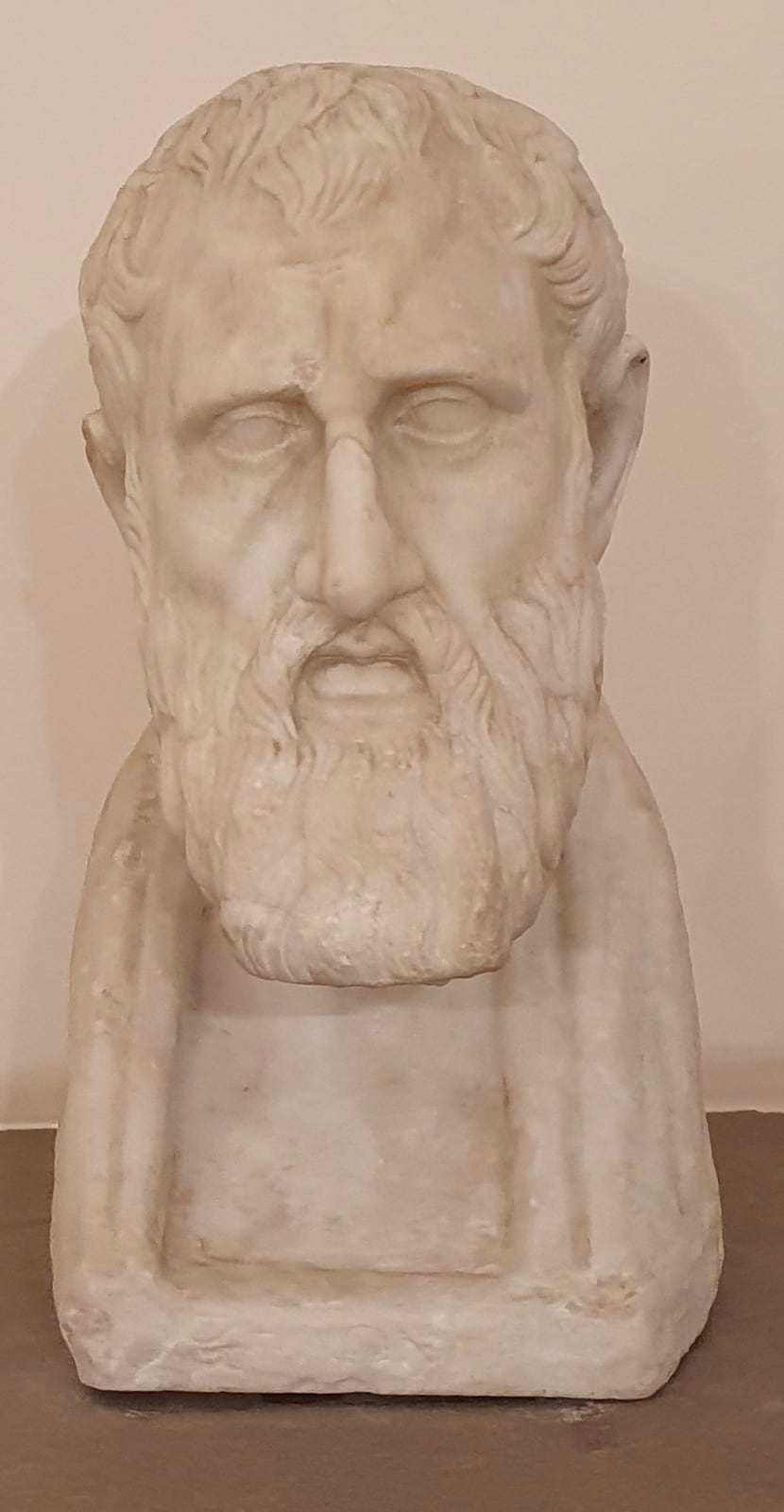
Zeno of Citium
Concordano su: Che cos'è l'Assoluto? Dio esiste? · Chi sono io? Esiste un vero sé? · Perché soffriamo?
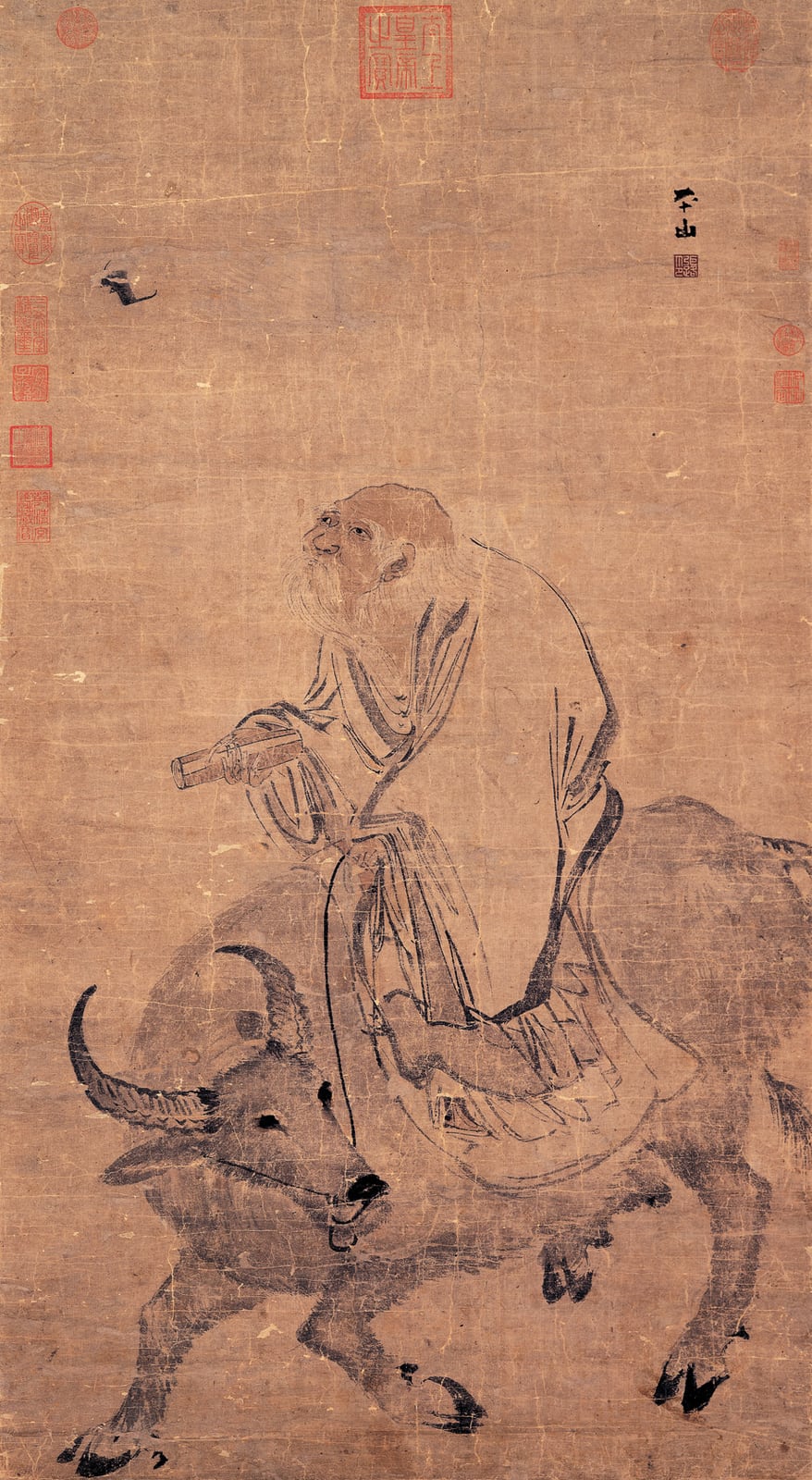
Laozi
Concordano su: Perché soffriamo? · Che cosa accade dopo la morte? · Come si raggiunge la liberazione o la salvezza?
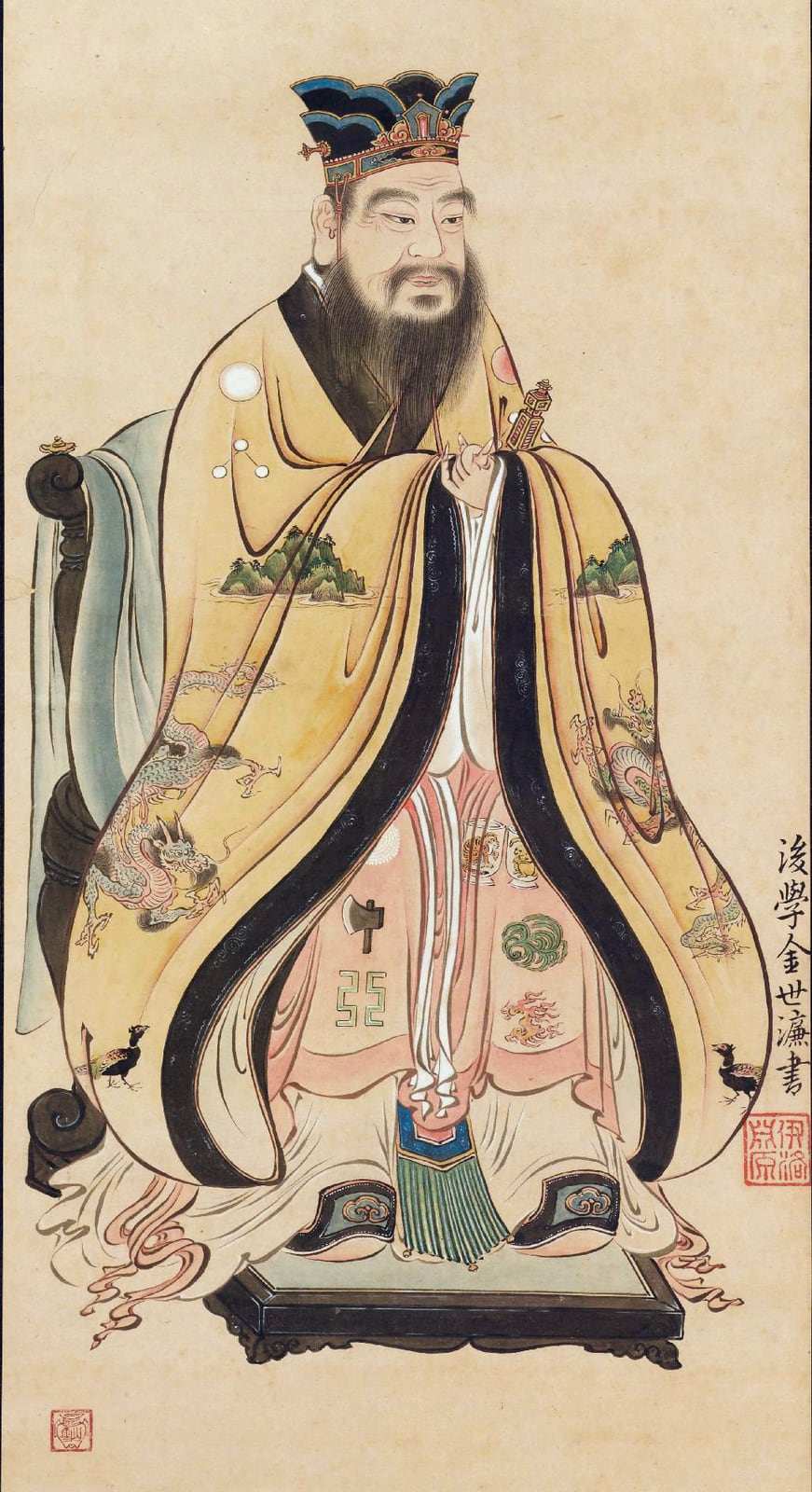
Confucius
Concordano su: Chi sono io? Esiste un vero sé? · Perché soffriamo? · Che cosa accade dopo la morte?
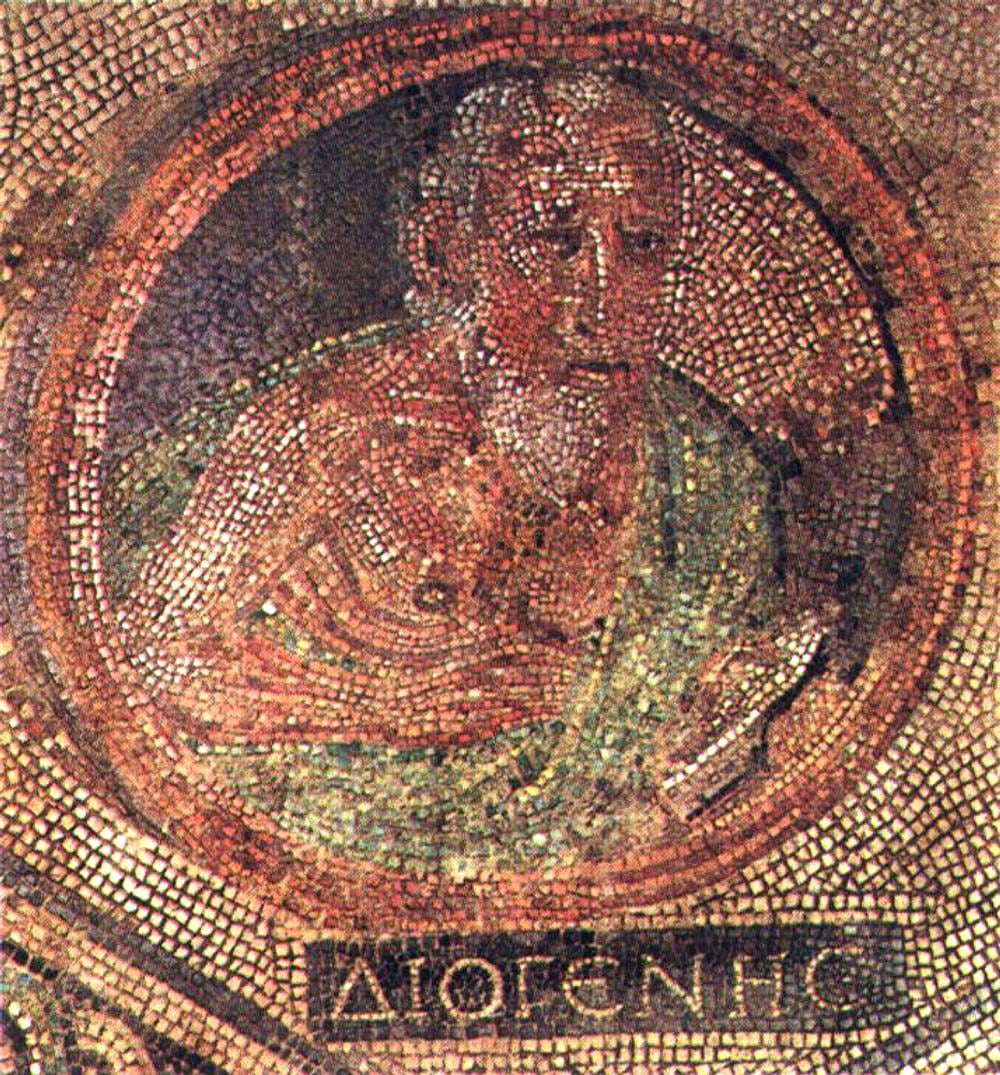
Diogenes of Sinope
Concordano su: Che cosa accade dopo la morte? · Serve un maestro? · Il mondo è reale?
La pensa diversamente da
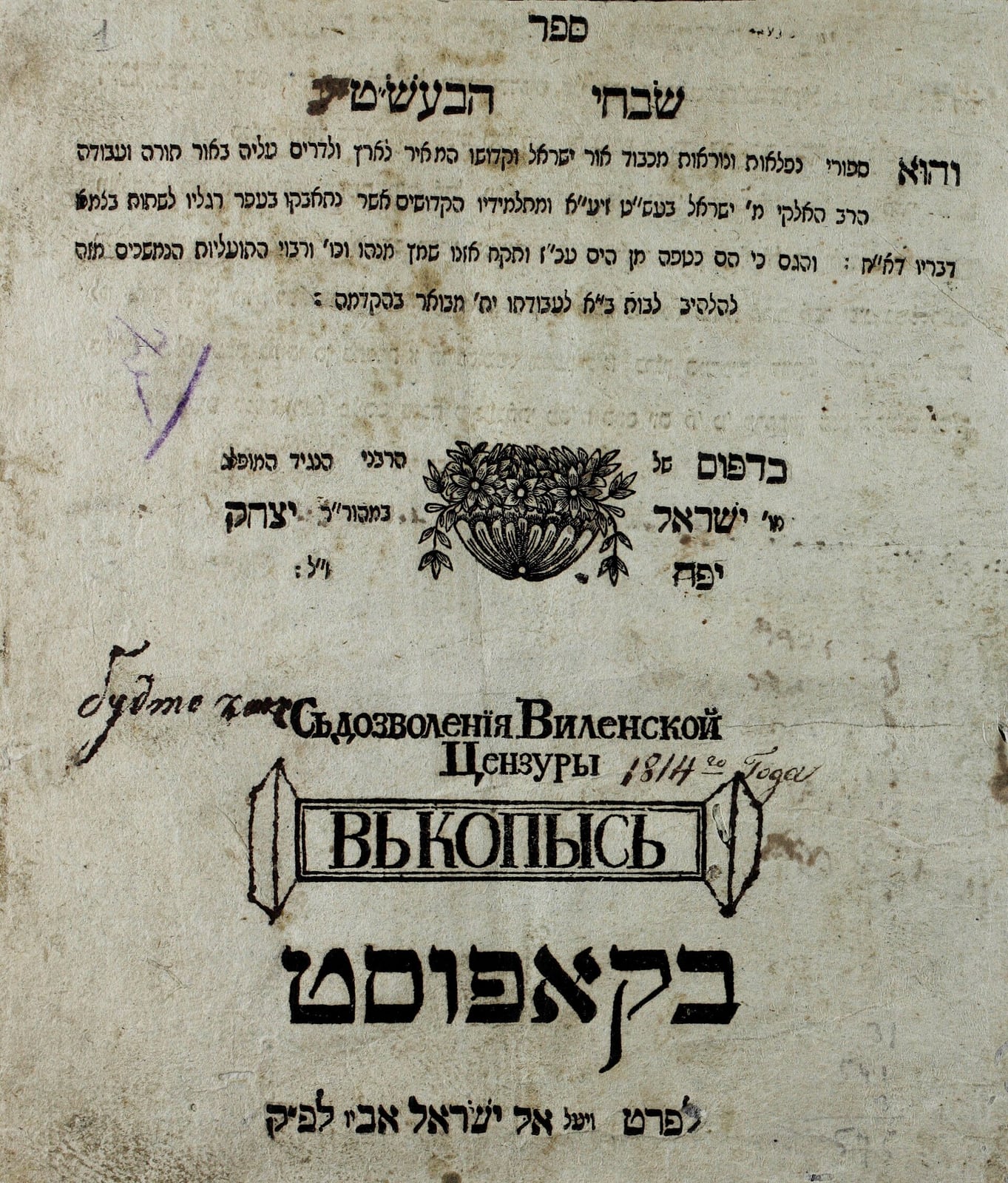
Baal Shem Tov
Si scontrano su: Che cos'è l'Assoluto? Dio esiste? · Chi sono io? Esiste un vero sé? · Perché soffriamo?
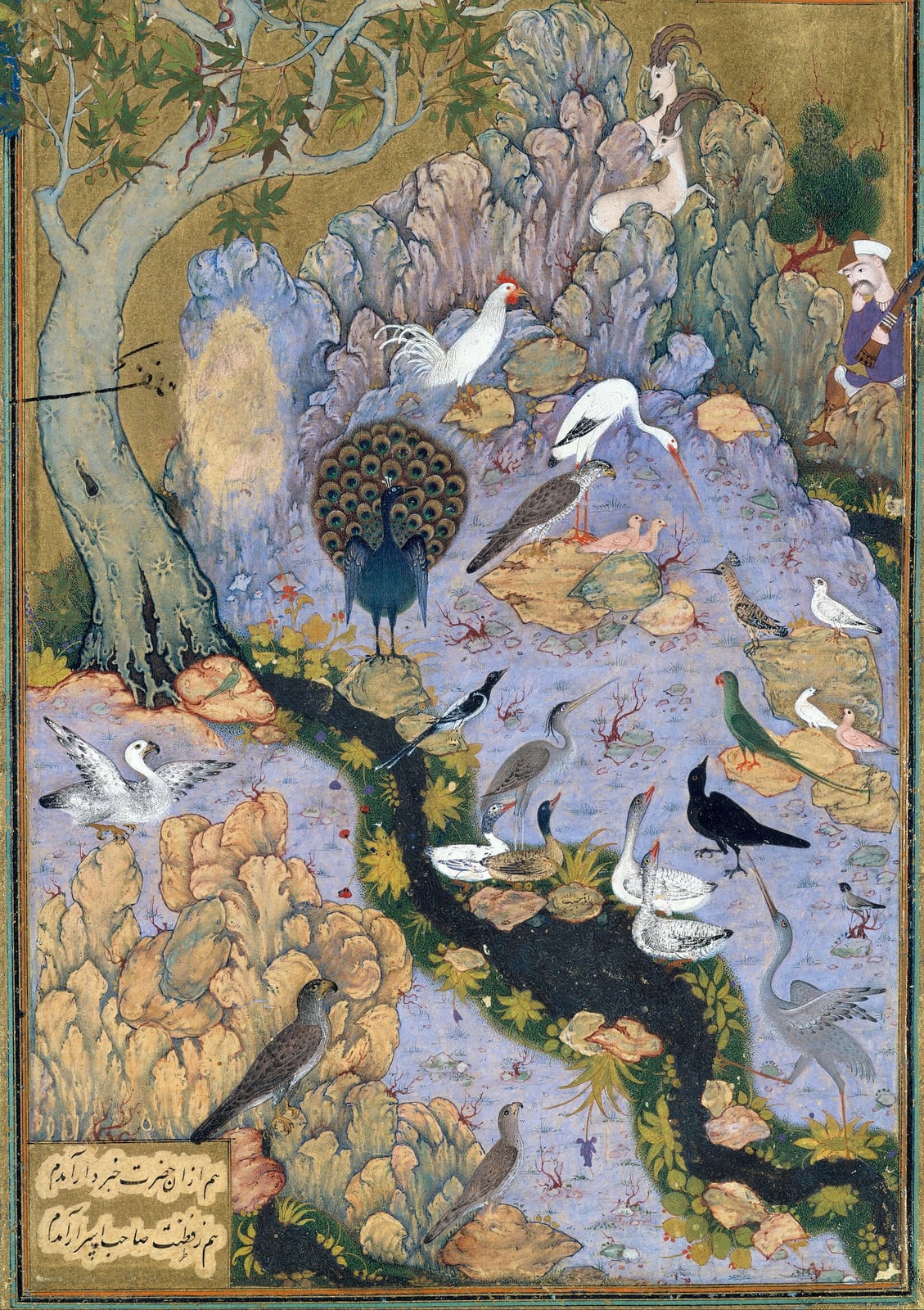
Attar
Si scontrano su: Che cos'è l'Assoluto? Dio esiste? · Chi sono io? Esiste un vero sé? · Perché soffriamo?
Hafez
Si scontrano su: Che cos'è l'Assoluto? Dio esiste? · Chi sono io? Esiste un vero sé? · Perché soffriamo?
Shunryu Suzuki
Si scontrano su: Che cos'è l'Assoluto? Dio esiste? · Chi sono io? Esiste un vero sé? · Perché soffriamo?
Aneddoti e racconti
Aneddoti e racconti
Tradizione oralec. 367–347 a. C.
The colt that kicked its mother
Origine del racconto: The colt remark is in Diogenes Laertius V 2 (“they say Plato said”); the nicknames “reader” and “mind” come from the Neoplatonic Lives (Vita Marciana and related texts), collected by Düring (1957). None is contemporary.
Testimonianza343/342–340 a. C.
Alexander's tutor at Mieza
Origine del racconto: Plutarch, Life of Alexander 7–8 (late first century CE). The exchange of letters he quotes is almost certainly a later composition; the stay at Mieza and the teacher-pupil relationship are well attested.
Documentatoc. 341 y 323 a. C.
A hymn for an executed friend
Origine del racconto: Diogenes Laertius V 5–8 transmits the hymn, the epigram and the charge; Athenaeus (Deipnosophists XV 696a–697b) also preserves the hymn and part of the ancient debate about its religious character.
Tradizione orale323 a. C.
“I will not let Athens sin twice against philosophy”
Origine del racconto: The remark is recorded by Aelian (Varia Historia III 36) and the Neoplatonic Lives, several centuries later. Diogenes Laertius documents the charge and the retreat to Chalcis, but not the remark; handbooks cite it as traditional.
Fonte: Eliano. Historias curiosas (Varia historia) III, 36; Aulo Gelio. Noches áticas XIII, 5 y XX, 5.
Documentato322 a. C.
The will of Chalcis
Origine del racconto: Diogenes Laertius V 11–16, who states that he found the document. Most specialists (Düring, Natali) consider it substantially authentic; Arabic versions of the will also exist.
Tradizione oralec. 323–322 a. C.
The wine of Lesbos
Origine del racconto: Aulus Gellius, Attic Nights XIII 5 (second century CE), with no known earlier source. That Theophrastus succeeded Aristotle is documented; the wine scene is a late anecdote.
Fonte: Eliano. Historias curiosas (Varia historia) III, 36; Aulo Gelio. Noches áticas XIII, 5 y XX, 5.
Contestatoc. 287–40 a. C.
The books in the cellar
Origine del racconto: Strabo, Geography XIII 1, 54, and Plutarch, Life of Sulla 26. Modern scholars accept the library's journey to Rome and Andronicus's edition but doubt that the treatises were unknown for two centuries: there are signs that copies circulated.
Fonte: Estrabón. Geografía XIII, 1, 54; y Plutarco, Vida de Sila, 26 (sobre la biblioteca de Aristóteles y Teofrasto, Neleo de Escepsis, Apelicón y Andrónico de Rodas).
Documentatoc. 330 a. C. (redacción de la Ética nicomáquea)
Plato is a friend, but truth is a greater friend
Origine del racconto: The passage is Nicomachean Ethics I 6, 1096a11–17 (documented). The Latin formula “Amicus Plato, sed magis amica veritas” is later: the Life attributed to Ammonius, Roger Bacon (Opus maius I 7), Newton (Quaestiones quaedam philosophicae, c. 1664) and Cervantes mark its spread.
Insegnamenti
Insegnamenti
Le nozioni che articolano il suo pensiero, spiegate nel loro contesto.
Substance (ousia)ousia
Aristotle's answer to the question about being raised by Parmenides and Plato; the basis of scholastic, Arabic and modern ontology.
Matter and form, potentiality and actualityhilemorfismo
A solution to the puzzles about change inherited from Parmenides; the basis of Aristotelian psychology and of the scholastic theory of the soul as the form of the body.
The four causescuatro-causas
Physics II and Metaphysics A; the framework of natural science until the seventeenth century.
The unmoved movermotor-inmovil
The philosophical theology of Physics VIII and Metaphysics Λ; the point of contact between Greek philosophy and monotheistic theology.
The soul as the form of the bodypsyche
The psychology of On the Soul and the Parva naturalia; the origin of the medieval dispute over the agent intellect.
Happiness (eudaimonia) and the contemplative lifeeudaimonia
The core of both Ethics; an inspiration for the contemplative ideal in later philosophy and mysticism.
Virtue as a meantermino-medio
Books II–VI of the Nicomachean Ethics; the basis of virtue ethics.
Syllogism and logicsilogismo
The Organon (“instrument”), the name the commentators gave to the logical treatises.
Video
Video
Registrazioni, interviste e documentari. I video vengono riprodotti da YouTube; non sono ospitati qui.
Aristotle
Conferenza· EN· 2021· 44 min
Gresham CollegeCanale ufficiale
Aristotle's Lyceum - Edith Hall
Conferenza· EN· 2019· 49 min
Gresham CollegeCanale ufficiale
Armand Marie Leroi, "The Lagoon: how Aristotle invented science"
Conferenza· EN· 2018· 57 min
British School at AthensCanale ufficiale
7. The Mixed Regime and the Rule of Law: Aristotle's Politics, I, III
Conferenza· EN· 2008· 44 min
YaleCoursesCanale ufficiale
8. The Mixed Regime and the Rule of Law: Aristotle's Politics, IV
Conferenza· EN· 2008· 48 min
YaleCoursesCanale ufficiale
9. The Mixed Regime and the Rule of Law: Aristotle's Politics, VII
Conferenza· EN· 2008· 46 min
YaleCoursesCanale ufficiale
Justice: What's The Right Thing To Do? Episode 10: "THE GOOD CITIZEN"
Conferenza· EN· 2009· 55 min
Harvard UniversityCanale ufficiale
Edith Hall • Aristotle and the Future of the Human Race
Conferenza· EN· 2023· 81 min
Wolf Humanities CenterCanale ufficiale
Aristotle & Virtue Theory: Crash Course Philosophy #38
Analisi· EN· 2016· 9 min
CrashCourseCanale ufficiale
Aristóteles | Por Darío Sztajnszrajber
Conferenza· ES· 2016· 153 min
Facultad LibreCanale ufficiale
Mentira la verdad IV: Aristóteles, Metafísica - Canal Encuentro
Documentario· ES· 2016· 28 min
Canal EncuentroCanale ufficiale
7ª - 8ª Introducción a la Filosofía de Aristóteles
Conferenza· ES· 2022· 157 min
Fundación Universitaria EspañolaCanale ufficiale
Aristóteles: el discípulo díscolo de Platón | Introduc. Seminario | Filosofía Clásica | Ginés Marco
Conferenza· ES· 2023· 72 min
Ateneo Mercantil de ValenciaCanale ufficiale
Aristóteles, Galeno y Avicena en la Escuela de Traductores de Toledo | Mariano Gómez Aranda
Conferenza· ES· 2023· 61 min
Fundación Juan MarchCanale ufficiale
Aristóteles, ¿el primer ecologista?
Guarda su YouTube
Questo video non consente l'incorporamento; si apre su YouTube.
Aristóteles, ¿el primer ecologista?
Documentario· ES· 2025· 25 min
UNEDCanale ufficiale
Galleria
Galleria
Immagini con licenza verificata. Ciascuna conserva la sua paternità e la sua attribuzione.
Manoscritti
Manoscritti
Testimoni manoscritti e testi antichi, con il loro custode e le loro condizioni di consultazione.
GRC · Griego (minúscula) · s. IV a. C.
Κατηγορίαι κ.ἄ. (Ὄργανον)
- Testimone conservato
- Códice fechado en el año 954
- Custode
- Biblioteca Nazionale Marciana, Venecia · Gr. 201
- Digitalizzazione
- commons.wikimedia.org/wiki/File:Aristotle,_Categ…
GRC · Griego (minúscula) · s. IV a. C.
Τὰ μετὰ τὰ φυσικά
- Testimone conservato
- Códice copiado entre 1311 y 1321
- Custode
- Biblioteca Apostolica Vaticana · Vat. gr. 256
- Digitalizzazione
- commons.wikimedia.org/wiki/File:Aristotle,_Metap…
GRC · Griego (minúscula) · s. IV a. C.
Ἀριστοτέλους ἔργα (miscelánea)
- Testimone conservato
- Manuscrito de 1457 con miniatura de Aristóteles (fol. 8v)
- Custode
- Österreichische Nationalbibliothek, Viena · Cod. phil. gr. 64
- Digitalizzazione
- commons.wikimedia.org/wiki/File:Aristotle,_Vienn…
GRC · Griego (cursiva sobre papiro) · c. 330–322 a. C.
Ἀθηναίων πολιτεία
- Testimone conservato
- Papiro egipcio de finales del siglo I d. C., escrito en el reverso de unas cuentas agrícolas
- Custode
- British Library, Londres · Papyrus 131
- Digitalizzazione
- www.bl.uk/manuscripts/FullDisplay.aspx?ref=Papyr…
Relazioni
Relazioni
Influenze, discepolati e affinità. Si distingue la relazione documentata dalla somiglianza individuata per analisi.
Discepolo di
He was Plato's student in the Academy for twenty years (c. 367–347 BCE) and his most influential critic: he rejected the separation of the Forms but kept the primacy of form and of knowledge of the universal.
Relazione documentata
Ricevette l'influenza di
He never met him (Socrates died in 399), but knew him through Plato and discusses him in the Metaphysics (A 6, M 4), crediting him with the search for universal definitions and inductive arguments, and in the Ethics, where he criticises his thesis that no one does wrong knowingly.
Relazione documentata
Dissentì da
Book I of the Physics answers the Eleatic denial of change with the notions of subject, privation and form, and of potentiality and actuality.
Relazione documentata
Dissentì da
In Metaphysics Γ he argues against those who, following Heraclitus, seem to deny the principle of non-contradiction; in Parts of Animals I 5 he recalls with appreciation his saying “here too there are gods”.
Relazione documentata
Dissentì da
He discusses him often in the Physics, On the Soul and On Generation and Corruption; he criticises his explanation of living beings by chance combinations.
Relazione documentata
Dissentì da
In Metaphysics A 5 he expounds and criticises the Pythagorean doctrine that the principles of numbers are the principles of all things; he also wrote a lost treatise on the Pythagoreans.
Relazione documentata
Contemporaneo di
Diogenes Laertius (V 18) records an anecdotal encounter between the two over some dried figs; the episode's historicity is doubtful.
Relazione documentata
Influenzò
Plotinus integrated Aristotelian concepts into his system — actuality and potentiality, the intellect thinking itself — and devoted treatises VI 1–3 of the Enneads to criticising the doctrine of the categories.
Relazione documentata
Influenzò
In the Confessions (IV 16) he relates that he read and understood on his own, at about twenty, Aristotle's Categories in Latin translation, and that they did him little good in thinking about God.
Relazione documentata
Dissentì da
The Incoherence of the Philosophers attacks the falasifa who followed Aristotle through al-Farabi and Avicenna, naming him explicitly as the source of their errors, although al-Ghazali accepted and spread Aristotelian logic.
Relazione documentata
Influenzò
The Guide of the Perplexed relies on Aristotelian physics and metaphysics and holds that what Aristotle says about the sublunary world is true, while rejecting his thesis of the eternity of the world.
Relazione documentata
Idee affini a
Indirect relation: Ibn Arabi knew the Aristotelian vocabulary (form, matter, intellect) through falsafa and transformed it in a mystical key; there is no record that he discussed Aristotle's texts.
Somiglianza individuata per analisi
Influenzò
As a Dominican master at Paris, Eckhart worked within scholastic Aristotelianism and frequently cites On the Soul and the Metaphysics, particularly the doctrine of the intellect. A general relation, with no specific source recorded in this entry.
Somiglianza individuata per analisi
Dissentì da
The appendix to part one of Spinoza's Ethics rejects final causes, a pillar of Aristotelian physics, as an anthropomorphic prejudice.
Relazione documentata
Idee affini a
A parallel often drawn by comparative philosophy: virtue as cultivated habit and the Aristotelian mean are compared with the Confucian doctrine of the mean. There was no historical contact.
Somiglianza individuata per analisi
Idee affini a
Siddhartha Gautama, the Buddha
A thematic parallel: the ethics of the mean and the Buddhist “middle way” between asceticism and pleasure; the underlying conceptions are very different and there was no contact.
Somiglianza individuata per analisi
Contemporaneo di
Epicurus (b. 341 BCE) belongs to the following generation; his atomist physics and his ethics of pleasure developed in polemic with the Platonic and Peripatetic tradition.
Somiglianza individuata per analisi
Collegato da altre schede
- Heraclitus · Influenzò
- Marcus Aurelius · Idee affini a
- Parmenides · Influenzò
- Zeno of Citium · Contemporaneo di
- Epicurus · Dissentì da
- Socrates · Influenzò
- Diogenes of Sinope · Contemporaneo di
- Empedocles · Influenzò
- Epictetus · Idee affini a
- Maimonides · Ricevette l'influenza di
- Pythagoras · Influenzò
- Plotinus · Ricevette l'influenza di
- Al-Ghazali · Dissentì da
- Plato · Maestro di
Fonti
Fonti
Bibliografia e cataloghi consultati per questa scheda.
- Cicerón. Académicos II (Lúculo), 119: «veniet flumen orationis aureum fundens Aristoteles».
- Wikimedia Commons: metadatos y licencias de las imágenes, verificados por la API imageinfo el 25 de octubre de 2026.
- YouTube: verificación de cada vídeo mediante el servicio oEmbed, 25 de octubre de 2026.
- Diógenes Laercio. Vidas de los filósofos ilustres, libro V, 1–35 («Aristóteles»). Trad. inglesa de R. D. Hicks, Lives of Eminent Philosophers, vol. I, Loeb Classical Library 184. Londres: Heinemann, 1925 (texto en Wikisource).
- Shields, Christopher. «Aristotle». Stanford Encyclopedia of Philosophy, ed. Edward N. Zalta (revisión de 2020).
- «Aristotle», Wikipedia en inglés, y «Aristóteles», Wikipedia en español (consultadas para hechos verificables y bibliografía; texto propio).
- Natali, Carlo. Aristotle: His Life and School. Ed. D. S. Hutchinson. Princeton: Princeton University Press, 2013.
- Düring, Ingemar. Aristotle in the Ancient Biographical Tradition. Göteborg: Acta Universitatis Gothoburgensis, 1957.
- Barnes, Jonathan (ed.). The Complete Works of Aristotle: The Revised Oxford Translation. 2 vols. Princeton: Princeton University Press (Bollingen Series LXXI.2), 1984.
- Plutarco. Vida de Alejandro, 7–8. Trad. inglesa de Bernadotte Perrin, Plutarch's Lives, vol. VII, Loeb Classical Library 99. Cambridge (Mass.): Harvard University Press, 1919.
- Estrabón. Geografía XIII, 1, 54; y Plutarco, Vida de Sila, 26 (sobre la biblioteca de Aristóteles y Teofrasto, Neleo de Escepsis, Apelicón y Andrónico de Rodas).
- Wikidata, «Aristotle» (Q868).
- Bekker, Immanuel (ed.). Aristotelis Opera, edidit Academia Regia Borussica. 5 vols. Berlín: G. Reimer, 1831–1870 (vols. I–II, texto griego, 1831).
- Open Library (Internet Archive): registros de edición e ISBN de la Biblioteca Clásica Gredos, la Loeb Classical Library (Harvard University Press) y Princeton University Press consultados el 25 de octubre de 2026.
- Eliano. Historias curiosas (Varia historia) III, 36; Aulo Gelio. Noches áticas XIII, 5 y XX, 5.
- Jaeger, Werner. Aristoteles: Grundlegung einer Geschichte seiner Entwicklung. Berlín: Weidmann, 1923 (trad. esp.: Aristóteles. Bases para la historia de su desarrollo intelectual. México: Fondo de Cultura Económica, 1946).
- Leroi, Armand Marie. The Lagoon: How Aristotle Invented Science. Londres: Bloomsbury, 2014.
- Kenyon, Frederic G. (ed.). Aristotle on the Constitution of Athens. Londres: British Museum, 1891 (editio princeps del Papiro 131 de la British Library).
- Project Gutenberg (catálogo vía Gutendex) e Internet Classics Archive del MIT (traducciones de Oxford y otras), consultados el 25 de octubre de 2026.
- Azcárate, Patricio de (trad.). Obras de Aristóteles. 10 vols. Madrid: Medina y Navarro, 1873–1875 (digitalización parcial en el Proyecto Filosofía en español y facsímiles completos en Wikimedia Commons).
- Darwin, Charles. Carta a William Ogle, 22 de febrero de 1882. Darwin Correspondence Project, DCP-LETT-13697.
- Moraux, Paul. Les listes anciennes des ouvrages d'Aristote. Lovaina: Éditions Universitaires, 1951.
- Kraye, Jill; Ryan, W. F.; Schmitt, C. B. (eds.). Pseudo-Aristotle in the Middle Ages: The Theology and Other Texts. Londres: The Warburg Institute, 1986.
- Rose, Valentin (ed.). Aristotelis qui ferebantur librorum fragmenta. Leipzig: Teubner, 1886; y Gigon, Olof (ed.). Aristotelis Opera III: Librorum deperditorum fragmenta. Berlín: De Gruyter, 1987.
- Hutchinson, D. S.; Johnson, Monte Ransome. «Authenticating Aristotle's Protrepticus». Oxford Studies in Ancient Philosophy 29 (2005): 193–294.
- Maimónides. Guía de perplejos II, 22 (trad. inglesa de Shlomo Pines, The Guide of the Perplexed, Chicago: University of Chicago Press, 1963); y carta a Samuel ibn Tibón (1199) sobre los libros de Aristóteles.
- al-Ghazali. Tahafut al-falasifa (La incoherencia de los filósofos), introducción. Trad. inglesa de Michael E. Marmura, The Incoherence of the Philosophers. Provo: Brigham Young University Press, 2000.
- Agustín de Hipona. Confesiones IV, 16, 28–29 (lectura de las Categorías de Aristóteles hacia los veinte años).
- Plotino. Enéadas VI, 1–3 («Sobre los géneros del ser»), con la crítica de las categorías aristotélicas. Trad. inglesa de A. H. Armstrong, Loeb Classical Library 445. Cambridge (Mass.): Harvard University Press, 1988.
- Spinoza, Baruch. Ethica ordine geometrico demonstrata (1677), parte I, apéndice (crítica de las causas finales).
- Wikiquote en inglés, «Aristotle», secciones «Disputed» y «Misattributed» (atribuciones dudosas y falsas, con sus fuentes).
- Titolare dei diritti
- Los textos griegos de Aristóteles son de dominio público. Las traducciones y ediciones modernas pertenecen a sus traductores y editoriales: Editorial Gredos (Biblioteca Clásica Gredos, hoy en RBA Libros), Harvard University Press (Loeb Classical Library), Princeton University Press (The Complete Works of Aristotle, ed. Barnes), Oxford University Press (Oxford Classical Texts y Clarendon Aristotle Series), Alianza Editorial, Abada y otras.
In attesa di conferma
Ciò che questa scheda non ha ancora potuto chiarire. Preferiamo dirlo piuttosto che riempirlo.
- Ediciones en español con ISBN no localizadas en catálogo para los opúsculos espurios Sobre el mundo, Sobre el aliento, Sobre los colores, Sobre las cosas audibles, Sobre las plantas, Relatos maravillosos, Situación y nombres de los vientos y Sobre Meliso, Jenófanes y Gorgias, ni para la Teología de Aristóteles; tampoco ediciones inglesas con ISBN del Libro de las causas y del Secreto de los secretos.
- ISBN de la Política en la Biblioteca Clásica Gredos n.º 116 (1988) no visto en Open Library: se ha registrado la reedición de Gredos de 2022 con la misma traducción. Falta también el ISBN de History of Animals VII–X (Loeb 439, Balme).
- Los años de primera edición de los volúmenes Loeb y de la Biblioteca Clásica Gredos proceden de la bibliografía general; los ISBN corresponden a las reimpresiones registradas en Open Library. Confirmar con los catálogos de las editoriales.
- Gredos 2020, «Poética. Magna Moralia» (ISBN 9788424939151): confirmar qué traductor firma cada obra (el registro cita a Teresa Martínez Manzano y Leonardo Martínez Dupla).
- Tomo V de las Obras de Aristóteles de Azcárate («Psicología: Opúsculos»): confirmar qué tratados de los Parva naturalia contiene antes de enlazarlo a cada uno por separado; hoy solo se enlaza a Acerca del sentido y lo sensible.
- Derechos de las traducciones de Oxford en la UE: verificar las fechas de muerte de A. J. Jenkinson, W. A. Pickard-Cambridge, R. P. Hardie, E. W. Webster, G. R. T. Ross y J. Solomon. En EE. UU. todas son de dominio público por ser anteriores a 1931, salvo la de Acerca del alma de J. A. Smith (1931), que lo será el 1 de enero de 2027.
- Traductor de la Ética nicomáquea de Project Gutenberg n.º 8438 (edición Everyman de 1911): el ebook no lo nombra; identificarlo en la edición impresa.
- Catálogo antiguo de obras (Diógenes Laercio V 22–27, unos ciento cincuenta títulos, y las listas de Hesiquio y de Ptolomeo el Árabe estudiadas por Moraux): se han registrado las obras perdidas principales y mejor documentadas, no todos los títulos de la lista.
- Manuscritos: añadir el Parisinus graecus 1741 (Poética y Retórica, s. X), el Vindobonensis phil. gr. 100 (s. IX, Física, Del cielo, Metafísica) y el Parisinus gr. 1853 (s. X) con sus digitalizaciones oficiales (Gallica, ÖNB), no verificadas en esta pasada; tampoco se ha verificado la digitalización íntegra del Vat. gr. 256 en DigiVatLib.
- Wikidata registra como fecha de muerte el 7 de marzo del 322 a. C. sin fuente primaria localizada; se mantiene solo el año.
- Vídeos: el programa de la UNED «Aristóteles, ¿el primer ecologista?» no permite inserción (oEmbed 401). No se ha encontrado un documental de televisión pública española dedicado íntegramente a Aristóteles en un canal oficial.
- Imagen descartada: «Stagira, an ancient Greek city, birth place of Aristotle.jpg» (CC BY-SA 4.0) por metadatos de fecha anómalos (2026-06-16); revisar antes de usarla. No hay retrato de Aristóteles anterior a la copia romana del tipo de Lisipo.
- Sin programa de afiliación verificado ni web oficial: Aristóteles no tiene titular de derechos; las editoriales citadas no se han comprobado como programas de afiliados.
Ricerca effettuata il 2026-10-25