Stoicismo
Epictetus
Ἐπίκτητος
anni 50 – ca. 135Persona storicamente documentata
Filosofo stoico greco (50 ca.-135 ca.), nato schiavo a Ierapoli di Frigia. Servì a Roma Epafrodito, liberto di Nerone, studiò con Musonio Rufo e, divenuto libero, insegnò filosofia finché Domiziano non espulse i filosofi dall'Italia. Fondò allora una scuola a Nicopoli d'Epiro. Non scrisse nulla: le sue lezioni furono raccolte dal discepolo Arriano nelle Diatribe e nel Manuale, che posero al centro dell'etica la libertà interiore e la distinzione tra ciò che dipende da noi e ciò che non dipende da noi.
- opere
- 13opere
- edizioni
- 31edizioni
- citazioni
- 10citazioni
- video
- 11video
- immagini
- 8immagini
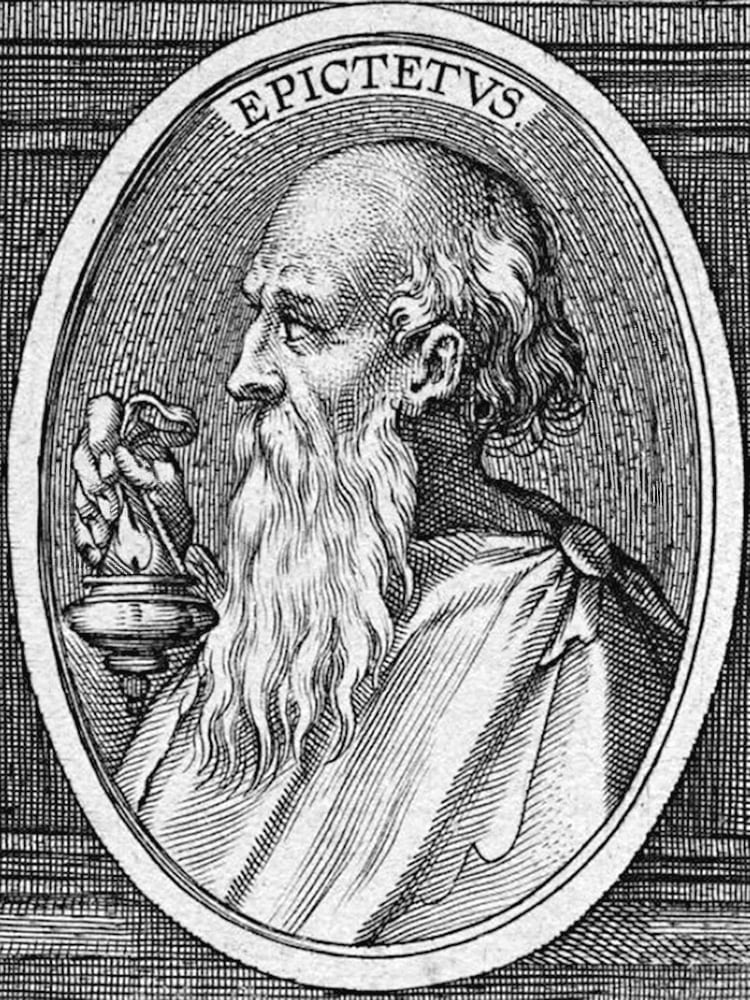
Epicteto en la portada de las obras de Séneca (Amberes, 1605) · Public domain
Con le sue parole
«Of things some are in our power, and others are not.»Manual 1, 1. Griego: Wikisource; inglés: George Long (1877); español: traducción propia.

La sua idea centrale
What is up to us (ta eph' hēmin): It is the starting point of all Epictetus' teaching, with which both the Handbook and the Discourses open.
Vederlo nel contesto
Biografia
5 min di lettura
Traduzione assistita dall'originale spagnolo, in attesa di revisione da parte di un traduttore madrelingua.
Uno schiavo che insegnava la libertà
Nessun filosofo antico ha parlato tanto di libertà quanto Epitteto, e nessuno aveva più ragioni per conoscerne il prezzo. Era nato schiavo, zoppicava e non scrisse una sola riga. Ciò che sappiamo del suo insegnamento lo dobbiamo a un allievo, Flavio Arriano, che prese appunti delle sue lezioni nella scuola di Nicopoli e li pubblicò come Diatribe, e a un compendio di quegli appunti, il Manuale, destinato a diventare uno dei libri di morale più letti dell'Occidente. Della sua vita, invece, restano pochi dati sicuri, sparsi nelle sue stesse parole, in Aulo Gellio, nella Suda bizantina e nel commento che Simplicio dedicò al Manuale quattro secoli più tardi.
Ierapoli e Roma
Nacque intorno all'anno 50 a Ierapoli, città greca della Frigia, in Asia Minore, nota per le sue acque termali. Il suo nome, Epíktētos, significa «acquistato» ed era un comune nome servile; non sappiamo quale portasse prima, se ne ebbe un altro, né come giunse a Roma. Lì appartenne a Epafrodito, un liberto che era stato segretario per le suppliche di Nerone e che, secondo la Suda, faceva parte della sua guardia; Epitteto lo ricorda nelle Diatribe come un padrone vanitoso che trattava con servilismo un calzolaio solo perché era entrato al servizio dell'imperatore. Aulo Gellio, nel II secolo, considerava la sua condizione servile un fatto troppo recente e noto per aver bisogno di prove.
Era zoppo. La Suda lo attribuisce a una malattia reumatica; il polemista pagano Celso, citato da Origene, raccontava che il padrone gli torceva la gamba e che Epitteto, sorridendo, lo avvertì che gliel'avrebbe spezzata, e quando la gamba si spezzò gli disse: «Non te lo dicevo?». Non è possibile decidere tra le due versioni, ma la zoppia compare nei suoi stessi esempi: la malattia è un impedimento per il corpo, non per la volontà, dice il Manuale; la zoppia, per la gamba, non per la volontà.
Musonio Rufo
Il padrone gli permise di frequentare le lezioni dello stoico romano Gaio Musonio Rufo, il filosofo più rispettato della Roma di Nerone e dei Flavi, più volte esiliato. Epitteto lo ricorda con venerazione: Rufo parlava in modo tale che ogni ascoltatore credeva che qualcuno gli avesse riferito i suoi difetti; a chi lo elogiava rispondeva che, se aveva tempo per lodarlo, allora lui aveva parlato invano. Da Musonio ereditò una filosofia intesa come esercizio pratico e un modello, Socrate, che cita più di ogni altro autore. Non si sa quando ottenne la libertà; alla fine del I secolo insegnava già a Roma.
L'esilio e la scuola di Nicopoli
Domiziano espulse i filosofi da Roma e dall'Italia, probabilmente nell'89 o intorno al 93-95; Aulo Gellio dice espressamente che Epitteto fu tra gli esiliati. Si stabilì a Nicopoli, la «città della vittoria» che Augusto aveva fondato in Epiro per commemorare Azio, una città prospera sulla rotta marittima tra l'Italia e la Grecia. Lì aprì una scuola frequentata da giovani di famiglie agiate, molti dei quali romani, che vi si preparavano prima di intraprendere la carriera pubblica. La Historia Augusta afferma che Adriano lo trattò con grande amicizia, una notizia che la critica accoglie con cautela.
Nella scuola si leggevano e commentavano i testi di Crisippo e si praticava la logica, ma le Diatribe conservano qualcos'altro: le conversazioni informali che seguivano la lezione tecnica, in cui il maestro interpella, ironizza, inventa dialoghi con un tiranno o con un allievo lamentoso e ripete incessantemente la stessa domanda: questo dipende da te o non dipende da te? «La scuola del filosofo è un ospedale», avverte; non bisogna uscirne contenti, ma doloranti.
La vita di un maestro povero
Visse con grande semplicità e non si sposò. Simplicio racconta che per molto tempo visse solo e che in vecchiaia adottò un bambino che un amico stava per abbandonare per povertà, prendendo in casa una donna per allevarlo. Luciano di Samosata si fa beffe di un collezionista che pagò tremila dracme la lucerna di terracotta del filosofo, sperando di acquistarne la sapienza leggendo di notte alla sua luce. Morì a Nicopoli intorno al 135; la Suda prolunga la sua vita fino al regno di Marco Aurelio, una notizia che gli studiosi ritengono improbabile.
Arriano e i libri
Flavio Arriano di Nicomedia, che sarebbe poi diventato console, governatore della Cappadocia e storico di Alessandro Magno, frequentò la scuola intorno all'anno 108. In una lettera a Lucio Gellio che precede le Diatribe spiega di non averle composte come opera letteraria, ma di aver cercato di annotare parola per parola ciò che ascoltava per conservare il ricordo del pensiero e della franchezza del maestro, e che furono pubblicate senza il suo consenso. Fozio, nel IX secolo, conosceva otto libri di Diatribe e dodici di Omelie; dei primi ne sono giunti solo quattro, attraverso un manoscritto dell'XI o del XII secolo conservato nella Biblioteca Bodleiana, dal quale dipendono tutte le altre copie. Il Manuale o Enchiridion, una scelta di massime tratta dalle Diatribe, si conservò meglio grazie ai monaci, che lo adattarono in versioni cristiane.
Ciò che dipende da noi
Il pensiero di Epitteto muove da una distinzione: «Delle cose, alcune dipendono da noi, altre no». Dipendono da noi il giudizio, l'impulso, il desiderio e l'avversione; non dipendono da noi il corpo, i beni, la reputazione né le cariche. L'unica cosa veramente nostra è la proairesis, la facoltà di scelta, che neppure Zeus può vincere. Ciò che ci turba non sono le cose, ma i nostri giudizi su di esse. Ne deriva un programma di allenamento in tre ambiti — il desiderio, l'azione e l'assenso — che Pierre Hadot ha mostrato essere la chiave dei Pensieri di Marco Aurelio, il più illustre dei suoi lettori, che conobbe le sue lezioni grazie a Giunio Rustico.
La fortuna
Il Manuale fu commentato da Simplicio nel VI secolo, tradotto in latino da Angelo Poliziano nel 1479 e letto da Montaigne, da Pascal — che lo contrappose a Montaigne nel suo Colloquio con il signor de Sacy — e dai neostoici del Cinque e del Seicento. In castigliano lo tradussero il Brocense nel 1600 e, in versi, Francisco de Quevedo nel 1635. Nel Novecento lo psicologo Albert Ellis citò la sua frase sui giudizi come un precedente della terapia cognitiva, e il pilota statunitense James Stockdale raccontò che ciò che ricordava di Epitteto lo aveva aiutato a resistere a più di sette anni di prigionia in Vietnam.
Fonti: Epicteto. Disertaciones (por Arriano) y Manual. Texto griego en Wikisource en griego; trad. inglesa de George Long, The Discourses of Epictetus; with the Encheiridion and Fragments (Londres: George Bell, 1877), en Wikisource en inglés. · Long, A. A. Epictetus: A Stoic and Socratic Guide to Life. Oxford: Clarendon Press, 2002. · Aulo Gelio. Noches áticas, I 2; II 18; XV 11; XVII 19; XIX 1. Trad. inglesa de John C. Rolfe, The Attic Nights, Loeb Classical Library 195, 200, 212. Londres: Heinemann, 1927 (libros I–II en LacusCurtius). · Simplicio. Comentario al Manual de Epicteto. Trad. inglesa de Tad Brennan y Charles Brittain, Simplicius: On Epictetus' Handbook, 2 vols. Londres: Duckworth / Ithaca: Cornell University Press, 2002. · Orígenes. Contra Celso, VII 53. Trad. inglesa de Frederick Crombie, Ante-Nicene Fathers, vol. IV. Buffalo: Christian Literature Publishing, 1885.
Cronologia
La vita, anno per anno
Ogni punto è un evento documentato. Fai clic per leggerlo, con la sua fonte e il suo grado di certezza.
anni 500 anniHierápolis (Frigia)
Birth
Born a slave around the year 50 (the date is inferred from his life; there is no direct evidence) in Hierapolis in Phrygia, according to the Suda.
ProbabileSuda, s. v. «Epiktetos» (épsilon 2424). Suda On Line, trad. inglesa revisada.
Dopo la sua morte
- ca. 140Publication of the Discourses
- ca. 146Marcus Aurelius reads Epictetus
- ca. 530Simplicius' commentary
- 1479Poliziano's Latin translation
- 1600El Brocense translates it into Spanish
- 1635Quevedo in verse
- 1758Elizabeth Carter
anni 50 · 0 anni
Birth
Born a slave around the year 50 (the date is inferred from his life; there is no direct evidence) in Hierapolis in Phrygia, according to the Suda.
Probabile
ca. 65 · 15 anni
Slave of Epaphroditus
In Rome he belongs to Epaphroditus, a freedman and Nero's secretary for petitions (a libellis), who helped the emperor kill himself in 68 and was executed by Domitian around 95.
Probabile
ca. 70 · 20 anni
Pupil of Musonius Rufus
Attends the lectures of the Stoic Gaius Musonius Rufus, whom he quotes in the Discourses (I.1.27; I.9.29; III.23.29).
Documentato
ca. 85 · 35 anni
Freedman and teacher in Rome
He obtains his freedom at an unknown date and begins teaching philosophy in Rome.
Probabile
ca. 89 · 39 anni
Expulsion of the philosophers
Domitian expels the philosophers from Italy (in 89 or around 93–95). Aulus Gellius (XV.11.5) counts Epictetus among the exiles. He settles in Nicopolis in Epirus and founds his school.
Probabile
ca. 108 · 58 anni
Arrian at the school
The young Flavius Arrian of Nicomedia attends the lectures and takes the notes that will become the Discourses (date proposed by Fergus Millar).
Probabile
ca. 125 · 75 anni
Friendship with Hadrian
The Historia Augusta (Hadrian 16.10) states that the emperor treated the philosophers Epictetus and Heliodorus "with the greatest friendship". The report is isolated.
Discusso
ca. 130 · 80 anni
Adoption of a child
According to Simplicius, in old age he adopts a child whom a friend was going to abandon out of poverty and takes a woman into his house to raise it.
Tradizione
ca. 135 · 85 anni
Death
Dies in Nicopolis around 135. The Suda extends his life into the reign of Marcus Aurelius, which is considered unlikely.
Probabile
ca. 140
Publication of the Discourses
Arrian's notes circulate with a letter to Lucius Gellius explaining that they were made public without his consent. Photius (cod. 58) will know eight books of Discourses and twelve of Conversations; four survive.
Probabile
ca. 146
Marcus Aurelius reads Epictetus
Junius Rusticus lends the young Marcus Aurelius the notes of Epictetus (Meditations I.7); the emperor will quote him often.
Documentato
ca. 530
Simplicius' commentary
The Neoplatonist Simplicius writes an extensive commentary on the Handbook, the source of several biographical reports.
Probabile
1479
Poliziano's Latin translation
Angelo Poliziano translates the Handbook into Latin and dedicates it to Lorenzo de' Medici.
Documentato
1600
El Brocense translates it into Spanish
Francisco Sánchez de las Brozas publishes "Doctrina del estoico filósofo Epicteto, que se llama comúnmente Enchiridion".
Documentato
1635
Quevedo in verse
Francisco de Quevedo publishes "Epicteto y Phocílides en español con consonantes", a verse paraphrase of the Handbook.
Documentato
1758
Elizabeth Carter
Elizabeth Carter publishes the first complete English translation of Epictetus' works.
Documentato
Opere
Opere essenziali
Le opere senza le quali non si comprende la sua eredità.
Insegnamento orale raccolto · ca. 108
Discourses (as reported by Arrian)
Ἀρριανοῦ τῶν Ἐπικτήτου διατριβῶν βιβλία
Four surviving books (of the eight Photius knew) containing ninety-five talks given by Epictetus at his school in Nicopolis, preceded by Arrian's letter to Lucius Gellius. They are not treatises but lively conversations in which the master challenges pupils and visitors, invents dialogues, draws on examples from daily life—the bath, the sea voyage, the dinner, the gymnasium—and offers Socrates, Diogenes and Zeno as models. The theme running through them all is the distinction between what is up to us (our judgements, desires, impulses: prohairesis) and what is not (body, goods, reputation, office), and the freedom that comes from applying it. They deal with providence and man's kinship with God, friendship and family, illness, exile and death, the true Cynic and the false philosopher. They are preserved by an eleventh- or twelfth-century Bodleian manuscript on which all other copies depend.
9 edizioni · amazon.com

Raccolta posteriore · ca. 130
Handbook (Enchiridion)
Ἐγχειρίδιον Ἐπικτήτου
Fifty-three short chapters condensing Epictetus' ethics as rules of conduct. It opens with the division "of things, some are up to us and others are not", goes on to the maxim that we are disturbed not by things but by our judgements about them (5), life as a role in a play written by another (17), the banquet at which one takes moderately what comes (15), piety (31) and the signs of one who is making progress (48), and ends with lines of Cleanthes and Euripides and words of Socrates. It has been the most read text of Epictetus since late antiquity: Simplicius commented on it, Byzantine monks adapted it, Poliziano translated it into Latin (1479) and el Brocense (1600) and Quevedo (1635) into Spanish.
10 edizioni · amazon.com
Tutta la sua opera (13)
Discourses, Book I
108
Discourses, Book II
108
Discourses, Book III
108
Discourses, Book IV
108
Fragments
Epictetus
Discourses, Books V–VIII (lost)
The Conscious LibraryDiscourses, Books V–VIII (lost)
108
Epictetus
Conversations (lost)
The Conscious LibraryConversations (lost)
Epictetus
Life and Death of Epictetus (by Arrian, lost)
The Conscious LibraryLife and Death of Epictetus (by Arrian, lost)
Epictetus
Debate of the Emperor Hadrian and the Philosopher Epictetus
The Conscious LibraryDebate of the Emperor Hadrian and the Philosopher Epictetus
Epictetus
Christian paraphrases of the Handbook
The Conscious LibraryChristian paraphrases of the Handbook
Epictetus
Simplicius' Commentary on the Handbook
The Conscious LibrarySimplicius' Commentary on the Handbook
530
Citazioni
Citazioni localizzate in un'opera precisa. Ciascuna porta con sé la sua provenienza e il suo grado di affidabilità.
Of things some are in our power, and others are not.Τῶν ὄντων τὰ μέν ἐστιν ἐφ’ ἡμῖν, τὰ δὲ οὐκ ἐφ’ ἡμῖν.
VerificataManual 1, 1. Griego: Wikisource; inglés: George Long (1877); español: traducción propia.
Citazioni apocrife o di attribuzione discussa (3)
«We have two ears and one mouth so that we can listen twice as much as we speak.»
Often attributed to Epictetus, but Diogenes Laertius (VII.23) gives it to Zeno of Citium, founder of Stoicism, addressing a young man who would not stop talking.
«It's not what happens to you, but how you react to it that matters.»
A modern paraphrase, not a literal quotation, of Handbook 5. The original speaks not of "reactions" but of the judgements (dogmata) we form about things.
«I was Epictetus, a slave, maimed in body, poor as Irus, and dear to the immortals.»
An anonymous epigram in the Palatine Anthology (VII.676), sometimes presented as an epitaph Epictetus composed for himself. There is no basis for attributing it to him; it is a eulogy written by someone else.
Ultime parole
Non esistono testimonianze verificabili delle sue ultime parole.
No account of his death or of his last words survives. The biography Arrian wrote, according to Simplicius, the Life and Death of Epictetus, is lost.
Chiedi
Ciò a cui risponde la sua opera
Dodici grandi domande dell'umanità e ciò che i suoi testi permettono di rispondere, con riferimenti. Non gli mettiamo mai parole in bocca.
Che cos'è l'Assoluto? Dio esiste?
God is a father: he gave us reason, sees us, assigns our role
Un Dio personaleLo dice espressamente
Epictetus, whose lectures Arrian transcribed, is the Stoic who speaks most of God in a personal tone. In the Discourses he calls him father of gods and men, holds that being a son of Zeus should be enough never to think meanly of oneself, and asserts that God sees each of our movements because souls are joined to him as parts. God has given us the faculty that uses impressions and has brought us into the world as spectators and interpreters of his works; hence the fitting response is gratitude and hymn. The background remains the Stoic physics of an immanent god, but the language is relational: filial obedience, trust and thanksgiving.
Confronta questa domanda con altri maestriChi sono io? Esiste un vero sé?
You are not your body: you are your choice, a fragment of God
Il Sé è l'AssolutoLo dice espressamente
The first line of the Handbook divides things into those that depend on us and those that do not, and all of Epictetus rests on that border. Body, property, reputation or office are not ours; the only thing truly our own is the faculty of choice (prohairesis), which uses impressions and decides about them, and which not even Zeus can overcome. In the Discourses he goes further: each person is a fragment of God and carries a part of him within, and should therefore be ashamed to defile with impure thoughts the god he carries inside. The true self is not the one that can be imprisoned or fall ill, but that free reason akin to the divine.
Confronta questa domanda con altri maestriPerché soffriamo?
Things do not disturb us, but our judgements about what is not ours
L'ignoranza di ciò che siamoLo dice espressamente
Epictetus' most quoted sentence sums up his diagnosis: it is not things that disturb people but the judgements they form about them. Death is not terrible; terrible is the opinion that it is. The underlying error concerns identity: we take as ours what does not depend on us — body, possessions, reputation, the lives of those we love — and invest it with desire and aversion. Whoever desires what belongs to another will be hindered and will lament. The Handbook proposes correcting that judgement from the start, examining each impression and asking whether it concerns what depends on us; if not, it is nothing to us.
Confronta questa domanda con altri maestriChe cosa accade dopo la morte?
There is no Hades: we return to the elements we came from
Silenzio o riserboLo dice espressamente
Epictetus treats death as the prime example of what does not depend on us. It is not terrible; terrible is the judgement that it is. In the Discourses he describes dying as a return to what is friendly and akin, to the elements we are made of, and specifies that there is no Hades or Acheron or Pyriphlegethon, but everything is full of gods and daimons. He recommends remembering, when kissing a child, that it is mortal, and regards death as an act of obedience to the one who gave us life: I must die, but I need not do so lamenting. There is no personal reward beyond death in his work.
Confronta questa domanda con altri maestriCome si raggiunge la liberazione o la salvezza?
Watching oneself like an enemy in ambush: the school is a hospital
Con un lavoro interiore consapevoleLo dice espressamente
Epictetus organises moral progress into three fields of exercise: desire and aversion, so as not to desire what does not depend on us; impulses and duties, so as to act in keeping with one's relationships; and assent, so as not to accept impressions without examination. None of this is done by reading: whoever boasts of understanding Chrysippus has not progressed, and the philosopher's school is a hospital one should leave in pain, not pleased. He demands constant attention, because a moment's carelessness loses what was gained, and asks the one who progresses to watch himself like an enemy lying in wait. Freedom is the fruit of conscious, daily work on oneself.
Confronta questa domanda con altri maestriServe un maestro?
The teacher heals like a physician, but progress is each person's own
Utile ma non indispensabileLo dice espressamente
Epictetus was a pupil of Musonius Rufus and ran a school in Nicopolis, and he conceives the teacher as a physician: the school is a hospital and the philosopher should discomfort, not please. He holds up Socrates and Diogenes as models to keep in mind. Yet he insists that no one can progress for another: the teacher cannot will in the disciple's place, and whoever seeks applause for his lectures has confused philosophy with oratory. Moreover, God has placed beside each person a guardian daimon who never sleeps and cannot be deceived, so that we are never alone. Outer guidance orients; the task belongs to each one's faculty of choice.
Confronta questa domanda con altri maestriIl mondo è reale?
Everything that happens praises providence, for those who know how to look
Una creazione buona e realeLo dice espressamente
Epictetus hardly deals with physics, but he treats the world in a language of creation and providence. In the Discourses he holds that, for anyone with two qualities — the ability to see the whole and gratitude —, every single thing in the world is enough to praise providence: the sheep's wool, milk, the harmony between the sexes. God has made man a spectator and interpreter of his works, and it would be shameful to die without having contemplated them. Even what seems adverse has its place in the government of the whole. The world is real, good and ordered, and the fitting response to it is gratitude and song to God.
Confronta questa domanda con altri maestriChe cos'è l'amore?
Only one who does not place his good in externals truly loves
Benevolenza ordinataLo dice espressamente
Epictetus gives great importance to natural affection for one's own — children, parents, siblings, fellow citizens —, but wants to order it by reason. In the Discourses he criticises a father who abandoned his sick daughter because he could not bear to see her suffer: what he called love was inability to bear his own distress. In the discourse on friendship he holds that only the wise can love, because whoever places his good in money, fame or pleasure will end up in conflict with his friend, brother or father when interests collide. He advises remembering, when kissing a child, that it is mortal. It is affection without attachment, ordered by the duties of each relationship.
Confronta questa domanda con altri maestriSiamo liberi o è tutto determinato?
You will chain my leg, but not even Zeus can overcome my will
Un libero arbitrio realeLo dice espressamente
For Epictetus freedom is the centre of philosophy. Free is the one who lives as he wills, who cannot be compelled, hindered or forced, and only the one who places his desire in what depends on him achieves this. What depends on us is judgement, impulse, desire and aversion: in a word, our faculty of choice (prohairesis), which not even Zeus can overcome. Body, property and life can be chained; the will cannot. Epictetus at the same time accepts that the role we play in the drama is decided by another, like an actor receiving his part: ours is to play it well.
Confronta questa domanda con altri maestriPerché meditare o pregare?
Before each impression: “You are an appearance, not what you seem”
Vedere la realtà così com'èLo dice espressamente
Epictetus' central practice is to examine impressions before assenting to them. The Handbook advises saying to each harsh impression that it is an appearance and not the thing it represents, and testing it by the rule of whether it concerns what depends on us. That vigilance must be constant: a moment's carelessness is enough to lose what was gained. To this are added the morning and evening review, for which he quotes the Golden Verses, and gratitude: if we were nightingales we would do what nightingales do; being rational, we must sing hymns to God. To meditate is to see things as they are and not as hasty judgement paints them.
Confronta questa domanda con altri maestriPuò la ragione conoscere l'ultimo?
Reason examines itself, but reading Chrysippus is not enough
Studio e sapereLo dice espressamente
For Epictetus reason is the only faculty that examines itself and all the others, and it is the gift by which God made us spectators and interpreters of his work. It can know what is necessary: what depends on us, what our nature is, how the whole is governed. Hence it demands study, beginning with logic, which teaches how to examine impressions. But study is not an end in itself: whoever boasts of being able to interpret Chrysippus' books should remember that had Chrysippus written clearly, he would have nothing to boast of. What matters is living according to what has been learned; knowledge that does not transform conduct has not truly been learned.
Confronta questa domanda con altri maestriRitirarsi dal mondo o trasformarlo?
Play well the role assigned to you: son, brother, citizen
Contemplazione nell'azioneLo dice espressamente
Epictetus advises neither withdrawing from the world nor reforming it, but rightly occupying the place that belongs to each. In the Handbook he compares life to a play: the author decides whether the part is long or short, a beggar's or a king's; ours is to play it well. Duties are measured by relationships — father, brother, neighbour, citizen —, and in the Discourses he lists what being a human, a son, a brother or a councillor requires. All this without setting one's heart on what does not depend on oneself: acting in the world with attention turned to one's own faculty of choice. Only for the ideal Cynic, God's messenger, does he reserve a life without family or city.
Confronta questa domanda con altri maestri
Affinità e tensioni
Affinità e tensioni
Calcolate domanda per domanda a partire dalle sue posizioni. Il perché di ogni accordo o contrasto, con un clic.
La pensa in modo simile a
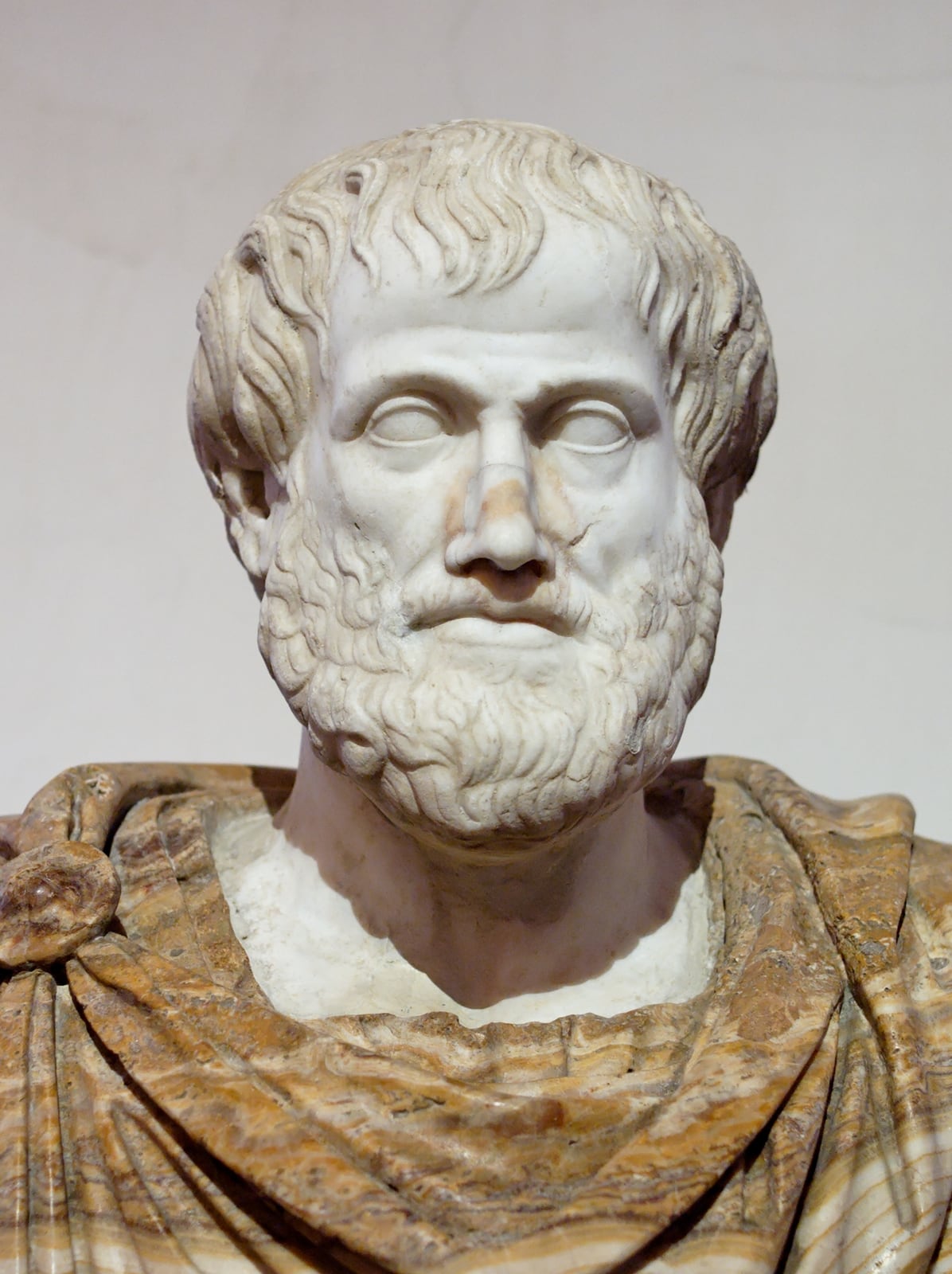
Aristotle
Concordano su: Che cosa accade dopo la morte? · Serve un maestro? · Che cos'è l'amore?

Thomas Merton
Concordano su: Che cos'è l'Assoluto? Dio esiste? · Perché soffriamo? · Serve un maestro?
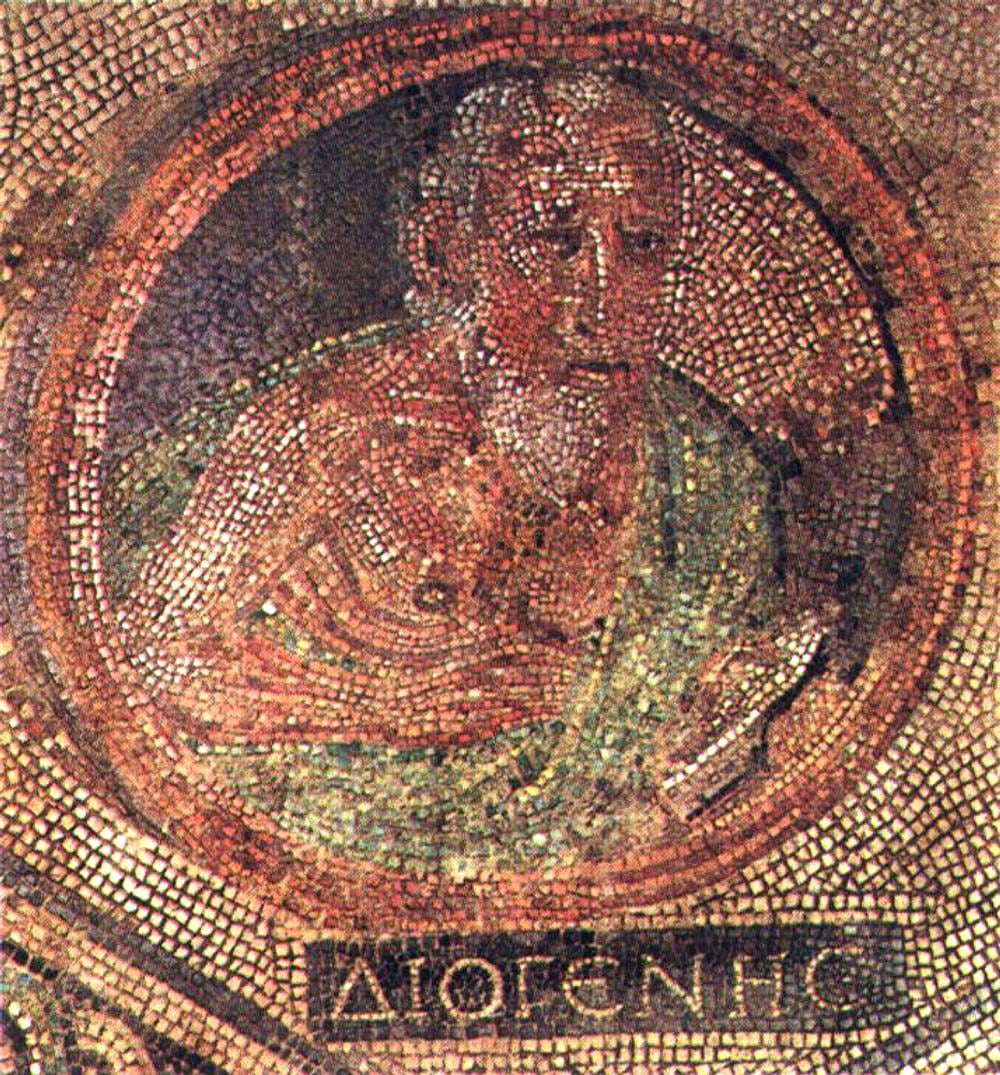
Diogenes of Sinope
Concordano su: Che cosa accade dopo la morte? · Serve un maestro? · Siamo liberi o è tutto determinato?
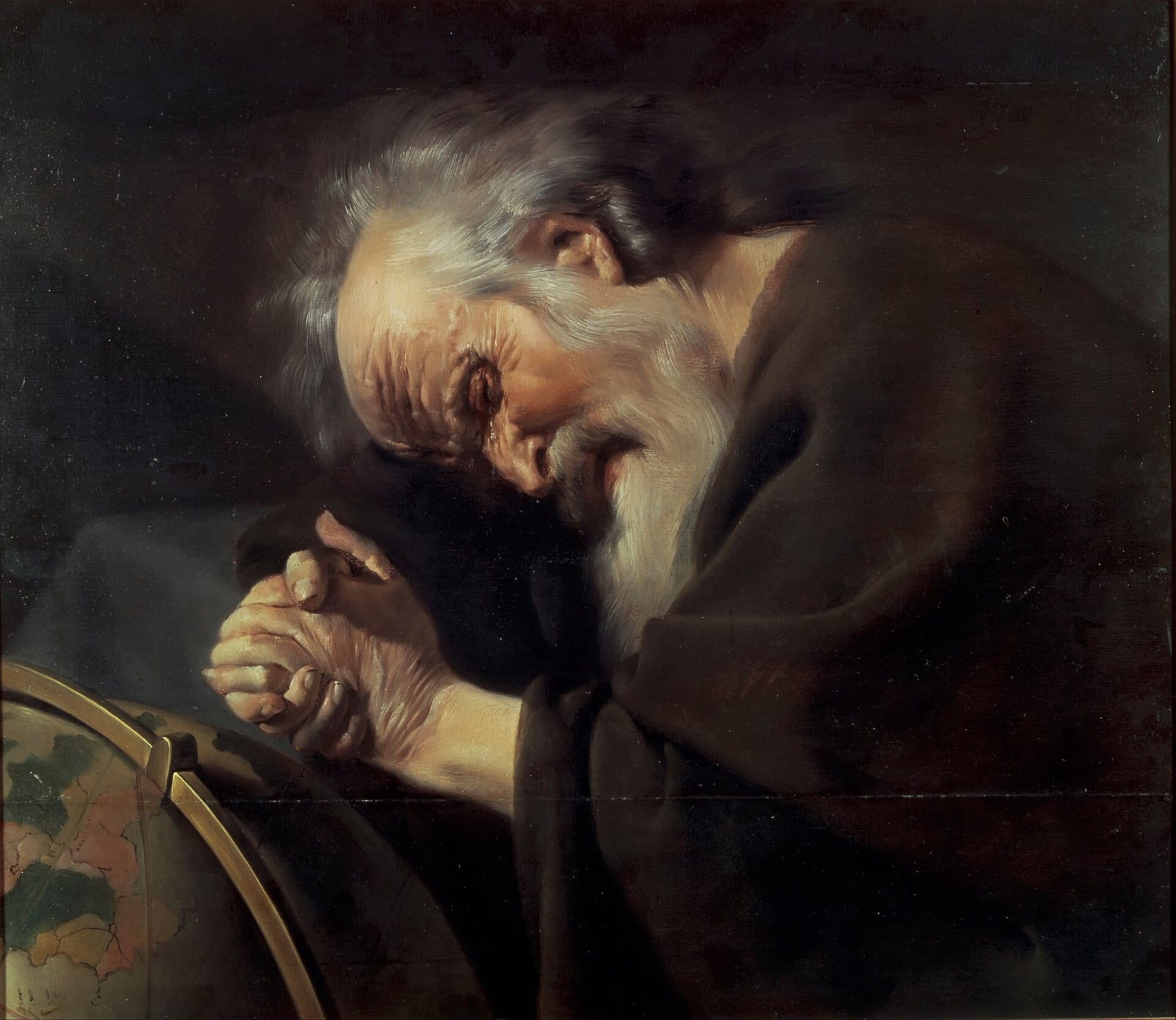
Heraclitus
Concordano su: Chi sono io? Esiste un vero sé? · Perché soffriamo? · Che cosa accade dopo la morte?
La pensa diversamente da

Dōgen
Si scontrano su: Che cos'è l'Assoluto? Dio esiste? · Chi sono io? Esiste un vero sé?

Nikolai Berdyaev
Si scontrano su: Chi sono io? Esiste un vero sé? · Il mondo è reale?

Nāgārjuna
Si scontrano su: Che cos'è l'Assoluto? Dio esiste? · Chi sono io? Esiste un vero sé?
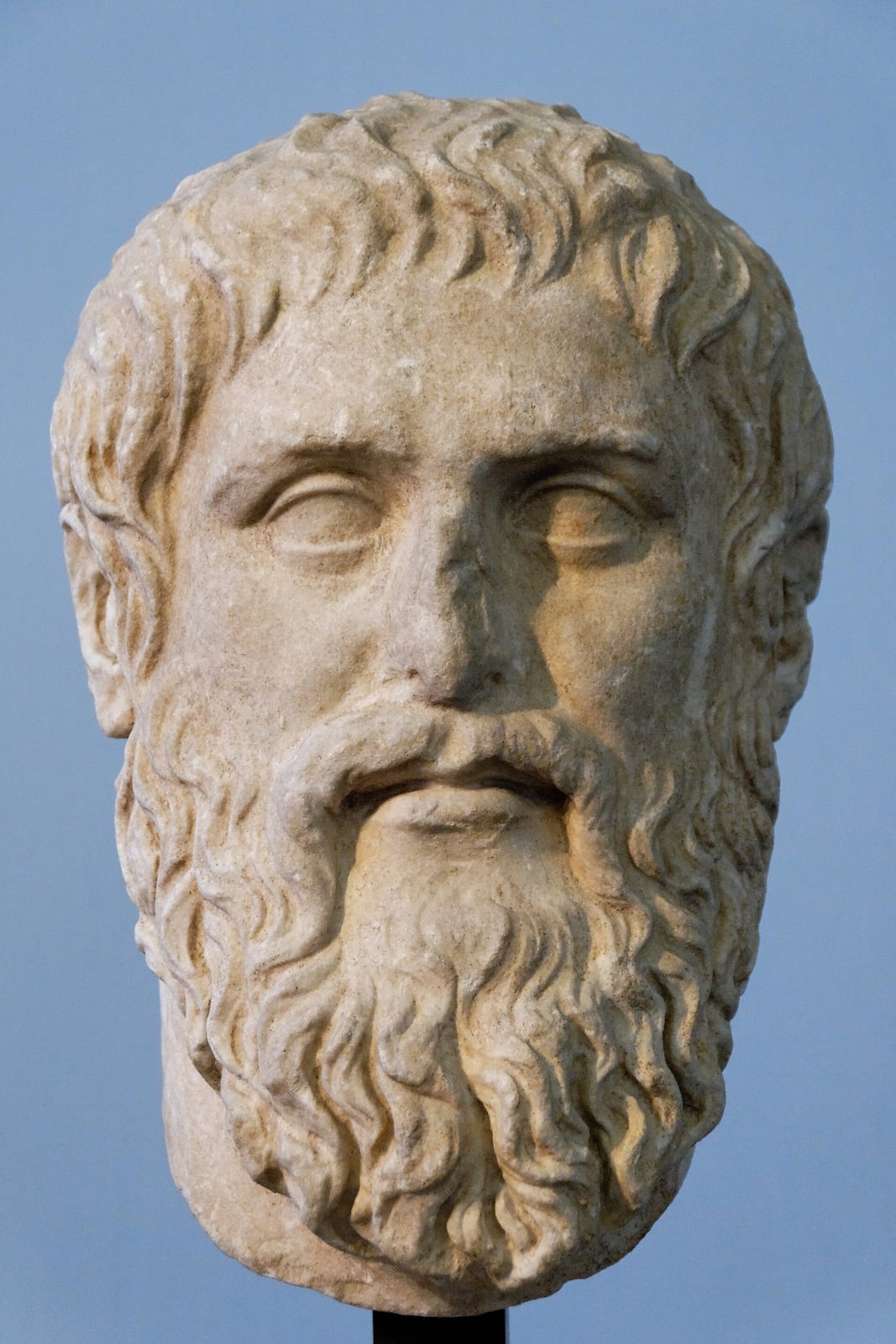
Plato
Si scontrano su: Chi sono io? Esiste un vero sé? · Il mondo è reale?
Aneddoti e racconti
Aneddoti e racconti
Contestatosegunda mitad del s. I
The broken leg
Origine del racconto: Origen, Against Celsus VII.53, quoting Celsus' True Doctrine (c. 178). It is a polemical account, written a century later with an apologetic purpose; the Suda (epsilon 2424) gives another cause. It cannot be verified.
Fonte: Orígenes. Contra Celso, VII 53. Trad. inglesa de Frederick Crombie, Ante-Nicene Fathers, vol. IV. Buffalo: Christian Literature Publishing, 1885.
Documentatoc. 100–170
The iron lamp and the clay lamp
Origine del racconto: The theft is told by Epictetus himself in Discourses I.18.15. The purchase of the lamp comes from Lucian, The Ignorant Book-Collector 13, a satire: the price may be exaggerated.
Documentatoc. 65–68
The master and the shoemaker
Origine del racconto: Discourses I.19.19–22, in Epictetus' own words as transmitted by Arrian.
Testimonianzamediados del s. II
The philosopher in the storm
Origine del racconto: Aulus Gellius, Attic Nights XIX.1, in the first person; Augustine summarises it in The City of God IX.4. It is fragment 9 in Schenkl's edition.
Testimonianzac. 125–135
The adopted child
Origine del racconto: Simplicius, Commentary on the Handbook (on the chapter about marriage), four centuries later; there is no other source. Discourses I.11 and III.22.67–82 for the doctrinal context.
Fonte: Simplicio. Comentario al Manual de Epicteto. Trad. inglesa de Tad Brennan y Charles Brittain, Simplicius: On Epictetus' Handbook, 2 vols. Londres: Duckworth / Ithaca: Cornell University Press, 2002.
Contestatoc. 117–135; leyenda medieval
The emperor and the philosopher
Origine del racconto: Historia Augusta, Life of Hadrian 16.10 (a late source, end of the fourth century). The Altercatio Hadriani Augusti et Epicteti philosophi is a late, spurious anonymous work.
Insegnamenti
Insegnamenti
Le nozioni che articolano il suo pensiero, spiegate nel loro contesto.
What is up to us (ta eph' hēmin)lo-que-depende-de-nosotros
Already formulated by the early Stoics in the debate on fate and responsibility, Epictetus makes it the practical axis of ethics and a daily exercise: before each impression, ask whether it is up to oneself or not.
Prohairesis (the faculty of choice)proairesis
Margaret Graver and A. A. Long stress that it is Epictetus' most original contribution to Stoic vocabulary; it influenced Marcus Aurelius and, through the Christian versions, the idea of free will.
Fonte: Long, A. A. Epictetus: A Stoic and Socratic Guide to Life. Oxford: Clarendon Press, 2002.
The use of impressionsuso-de-las-representaciones
Part of Stoic epistemology, which distinguished impression from assent; Epictetus turns it into moral practice. Modern cognitive psychotherapy (Albert Ellis, Aaron Beck) has claimed it as a precedent.
The three fields of trainingtres-campos
Pierre Hadot related these three fields to the three parts of Stoic philosophy (physics, ethics, logic) and showed that they structure Marcus Aurelius' Meditations as disciplines of desire, action and assent.
Fonte: Hadot, Pierre. La Citadelle intérieure. Introduction aux Pensées de Marc Aurèle. París: Fayard, 1992 (cap. sobre las tres disciplinas de Epicteto).
The role in the playpapel-en-el-drama
The theory of roles derives from Panaetius (via Cicero, On Duties I), but Epictetus gives it a religious accent: the author of the play is God.
Kinship with Godparentesco-con-dios
The personal tone of his theology made Christians read him sympathetically and adapt the Handbook for monasteries; some moderns have looked, without success, for direct Christian influence.
Fonte: Long, A. A. Epictetus: A Stoic and Socratic Guide to Life. Oxford: Clarendon Press, 2002.
Video
Video
Registrazioni, interviste e documentari. I video vengono riprodotti da YouTube; non sono ospitati qui.
Estoicismo romano (II): Epicteto | La March
Conferenza· ES· 2023· 60 min
Fundación Juan MarchCanale ufficiale
La filosofía helenística (III): El estoicismo · La March
Conferenza· ES· 2022· 59 min
Fundación Juan MarchCanale ufficiale
Cynics, Stoics, Epicureans
Conferenza· EN· 2021· 45 min
Gresham CollegeCanale ufficiale
The Slave Who Was Free | Berkeley's AA Long on Epictetus
Intervista· EN· 2025· 65 min
Johnathan Bi
Stoicon 2018: Tony Long "Stoicism Ancient and Modern"
Conferenza· EN· 2018· 49 min
Modern StoicismCanale ufficiale
The philosophy of Stoicism - Massimo Pigliucci
Analisi· EN· 2017· 5 min
TED-EdCanale ufficiale
A History of Philosophy | 16 Stoicism
Conferenza· EN· 2015· 63 min
wheatoncollegeCanale ufficiale
Epictetus, the Enchiridion - Introduction to Philosophy
Conferenza· EN· 2011· 56 min
Gregory B. Sadler - That Philosophy Guy
Epictetus, Discourses | Habits and Practice | Philosophy Core Concepts
Conferenza· EN· 2015· 14 min
Gregory B. Sadler - That Philosophy Guy
Geschichte der Philosophie (5): Stoa, Epikureer und pyrrhonische Skepsis, Prof. Dr. Torsten Wilholt
Conferenza· DE· 2013· 76 min
InstPhilCanale ufficiale
Monografia su EPITTETO
Analisi· IT· 2021· 97 min
Rick DuFer
Galleria
Galleria
Immagini con licenza verificata. Ciascuna conserva la sua paternità e la sua attribuzione.
Manoscritti
Manoscritti
Testimoni manoscritti e testi antichi, con il loro custode e le loro condizioni di consultazione.
GRC · Minúscula griega · Lecciones de c. 108; copia de los ss. XI–XII
Ἀρριανοῦ τῶν Ἐπικτήτου διατριβῶν
- Testimone conservato
- Arquetipo del que dependen todos los demás manuscritos de las Disertaciones
- Custode
- Bodleian Library, Oxford · MS. Auct. T. 4. 13 (Misc. gr. 251)
Relazioni
Relazioni
Influenze, discepolati e affinità. Si distingue la relazione documentata dalla somiglianza individuata per analisi.
Ricevette l'influenza di
Socrates is his constant model: he quotes him more than any other author, takes from the Apology and the Crito the idea that "Anytus and Meletus can kill me, but they cannot harm me" (Handbook 53) and proposes imitating his answer "I am a citizen of the world" (Discourses I.9).
Relazione documentata
Ricevette l'influenza di
He belongs to the school Zeno founded, and names him among his models alongside Socrates and Diogenes (Discourses III.23.32).
Relazione documentata
Ricevette l'influenza di
Diogenes is for him the example of the true Cynic and the free man; he devotes much of the discourse "About Cynism" (III.22) to him.
Relazione documentata
Ricevette l'influenza di
He frequently quotes Plato's Socratic dialogues (Apology, Crito, Gorgias) as the source for the figure of Socrates.
Relazione documentata
Dissentì da
He argues against Epicurus and the Epicureans in several discourses (I.23 "Against Epicurus"; II.20; III.7), reproaching them for denying man's natural sociability.
Relazione documentata
Influenzò
Marcus Aurelius came to know the notes of his lectures through Junius Rusticus (Meditations I.7), quotes him repeatedly and organises his Meditations according to his three fields of training.
Relazione documentata
Idee affini a
There is no evidence he read Aristotle, but his key term, prohairesis, comes from Aristotle's vocabulary of deliberate decision, which Epictetus turns into the name of the moral self.
Somiglianza individuata per analisi
Influenzò
Augustine summarises in The City of God (IX.4) Aulus Gellius' story of the Stoic philosopher who, in a storm, justified his fear with a book of Epictetus, and uses it to discuss the Stoic doctrine of the passions.
Relazione documentata
Idee affini a
There is no evidence that Plotinus read him. His fullest commentator, Simplicius, was a sixth-century Neoplatonist who read the Handbook as ethical preparation for Platonic philosophy.
Somiglianza individuata per analisi
Fonti
Fonti
Bibliografia e cataloghi consultati per questa scheda.
- Wikidata, entidad Q183144 «Epictetus» (117 enlaces entre wikis; P31=Q5). Registra nacimiento hacia el 50 en Hierápolis y muerte en el 135 o el 138 en Nicópolis.
- Graver, Margaret. «Epictetus». Stanford Encyclopedia of Philosophy, ed. Edward N. Zalta (publicada en 2008, revisión sustancial de 2025).
- Epicteto. Disertaciones (por Arriano) y Manual. Texto griego en Wikisource en griego; trad. inglesa de George Long, The Discourses of Epictetus; with the Encheiridion and Fragments (Londres: George Bell, 1877), en Wikisource en inglés.
- Long, A. A. Epictetus: A Stoic and Socratic Guide to Life. Oxford: Clarendon Press, 2002.
- Aulo Gelio. Noches áticas, I 2; II 18; XV 11; XVII 19; XIX 1. Trad. inglesa de John C. Rolfe, The Attic Nights, Loeb Classical Library 195, 200, 212. Londres: Heinemann, 1927 (libros I–II en LacusCurtius).
- Simplicio. Comentario al Manual de Epicteto. Trad. inglesa de Tad Brennan y Charles Brittain, Simplicius: On Epictetus' Handbook, 2 vols. Londres: Duckworth / Ithaca: Cornell University Press, 2002.
- Orígenes. Contra Celso, VII 53. Trad. inglesa de Frederick Crombie, Ante-Nicene Fathers, vol. IV. Buffalo: Christian Literature Publishing, 1885.
- Luciano de Samósata. Contra un ignorante que compraba muchos libros, 13. Trad. inglesa de A. M. Harmon, Lucian, vol. III, Loeb Classical Library 130. Londres: Heinemann, 1921.
- Historia Augusta, «Vida de Adriano» 16, 10. Trad. inglesa de David Magie, Loeb Classical Library 139, 1921 (texto en LacusCurtius).
- Millar, Fergus. «Epictetus and the Imperial Court». Journal of Roman Studies 55 (1965): 141–148.
- Oldfather, W. A. «Introduction», en Epictetus: The Discourses as Reported by Arrian, the Manual, and Fragments, vol. I. Loeb Classical Library 131. Londres: Heinemann / Nueva York: Putnam, 1925.
- Seddon, Keith H. «Epictetus (55–135 C.E.)». Internet Encyclopedia of Philosophy.
- «Epictetus», Wikipedia en inglés, y «Epicteto», Wikipedia en español (consultadas para hechos verificables y bibliografía; texto propio).
- Focio. Biblioteca, códice 58 (sobre Arriano). Trad. inglesa de J. H. Freese, The Library of Photius, vol. I. Londres: SPCK, 1920.
- Marco Aurelio. Meditaciones, I 7. Trad. inglesa de George Long (1862), Wikisource.
- Suda, s. v. «Epiktetos» (épsilon 2424). Suda On Line, trad. inglesa revisada.
- Hadot, Pierre. La Citadelle intérieure. Introduction aux Pensées de Marc Aurèle. París: Fayard, 1992 (cap. sobre las tres disciplinas de Epicteto).
- Antología Palatina, VII 676 (epigrama anónimo sobre Epicteto). Texto griego en Wikisource en griego.
- Bodleian Library, MS. Auct. T. 4. 13 (Arriano, Disertaciones de Epicteto; s. XI–XII). Ficha del catálogo de manuscritos medievales.
- Dobbin, Robert F. Epictetus: Discourses, Book I. Clarendon Later Ancient Philosophers. Oxford: Clarendon Press, 1998.
- Open Library: registros de las traducciones españolas antiguas del Manual — Francisco Sánchez de las Brozas, «Dotrina del estoico filosofo Epicteto, que se llama comunmente Enchiridion» (1600), y Francisco de Quevedo, «Epicteto y Phocilides en español con consonantes» (Madrid, 1635).
- Diógenes Laercio. Vidas de los filósofos ilustres, VII 23 («Zenón»). Trad. inglesa de R. D. Hicks, Lives of Eminent Philosophers, vol. II, Loeb Classical Library 185. Londres: Heinemann, 1925 (texto en Wikisource).
- Agustín de Hipona. La ciudad de Dios, IX 4. Trad. inglesa de Marcus Dods, Nicene and Post-Nicene Fathers, serie I, vol. II. Buffalo: Christian Literature Publishing, 1887 (texto en New Advent).
- Titolare dei diritti
- Textos antiguos en dominio público; cada traducción y edición moderna pertenece a su traductor o editorial
In attesa di conferma
Ciò che questa scheda non ha ancora potuto chiarire. Preferiamo dirlo piuttosto che riempirlo.
- Antonio Brum (o Brun), traductor del Enquiridión en «Obras de los moralistas griegos» (1888): identificar y fechar su muerte para confirmar el dominio público.
- Loeb de Oldfather: el ISBN 9780674992405 figura en Open Library sin número de volumen; confirmar que corresponde al vol. II (LCL 218).
- Pláticas por Arriano (trad. Pablo Jordán de Urríes, 1957–1973): confirmar volúmenes y editorial de cada tomo.
- Simplicio, On Epictetus' Handbook (Brennan y Brittain, 2002): falta ISBN verificado.
- Ediciones con ISBN en francés (Les Belles Lettres, Souilhé), alemán e italiano no registradas en esta pasada.
- Fragmentos: no se han inventariado uno a uno los fragmentos de la edición de Schenkl.
- Fecha de nacimiento: solo «hacia el 50»; la de muerte, hacia el 135 (Wikidata da también 125 y 138).
- Sin programa de afiliación verificado ni titular de derechos: autor antiguo; las editoriales citadas no se han comprobado como programas de afiliados.
Ricerca effettuata il 2026-10-25