Ebraismo · Cabala
Baal Shem Tov
ישראל בן אליעזר · הבעל שם טוב (הבעש״ט) · דער בעל־שם־טובֿ
ca. 1700 – 1760Persona storicamente documentata
Israel ben Eliezer (1700 ca.-1760), detto Baal Shem Tov o Besht, fu un guaritore e mistico della Podolia che il chassidismo considera il proprio fondatore. Non scrisse libri: a parte una lettera, i suoi insegnamenti sull'adesione a Dio in ogni atto, sulla preghiera gioiosa e sulla presenza divina in tutto il creato ci giungono attraverso i discepoli. I registri fiscali di Międzybóż ne confermano l'esistenza; l'agiografia del 1815 ne costruì la leggenda.
- opere
- 16opere
- edizioni
- 29edizioni
- citazioni
- 8citazioni
- video
- 12video
- immagini
- 8immagini
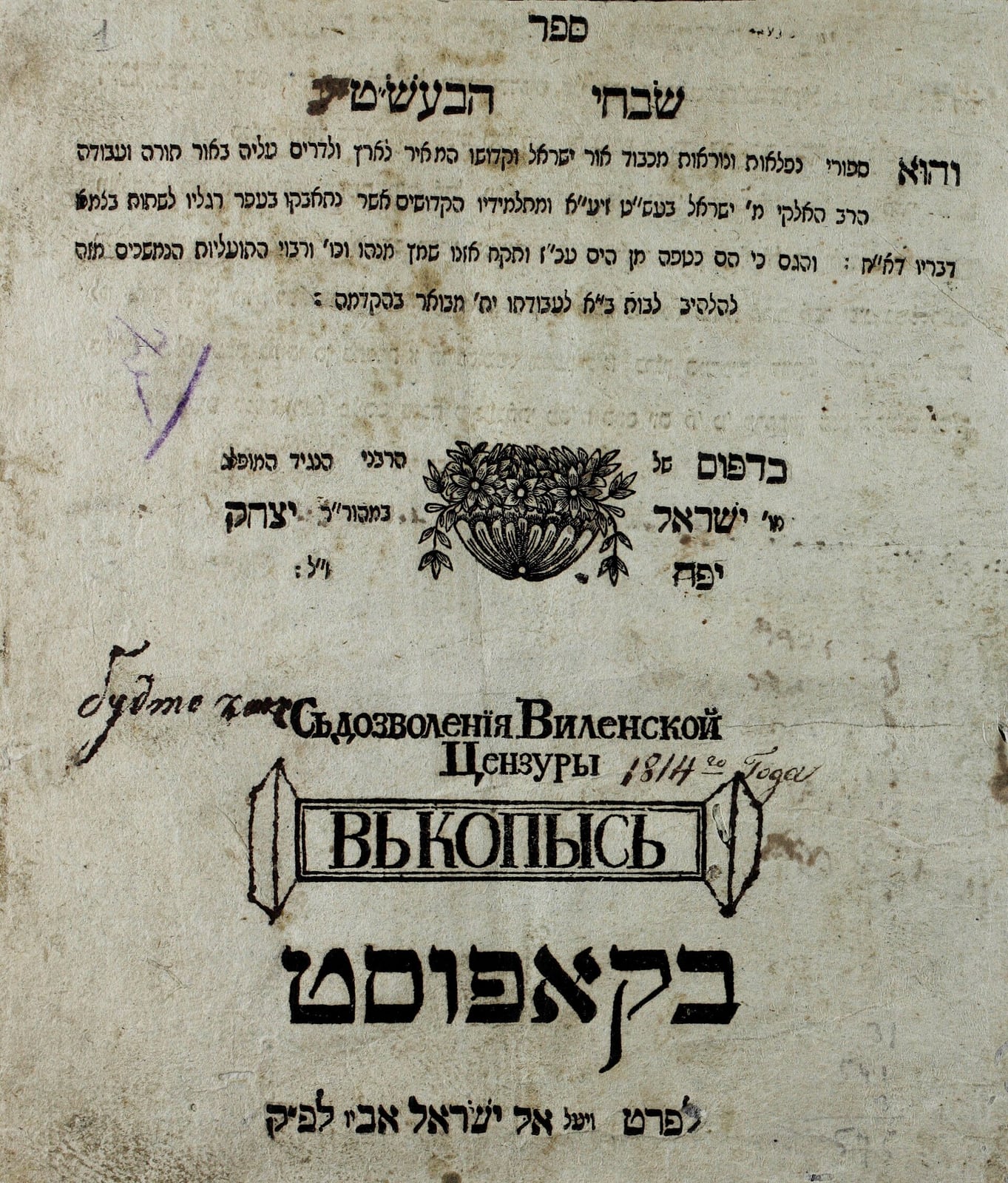
Portada de la primera edición de Shivhei ha-Besht (Kopys, 1814–1815) · Public domain
Con le sue parole
«When your teaching is publicised and revealed in the world, and your springs overflow outward.»Igeret ha-Kodesh, respuesta del Mesías al Besht (Ben Porat Yosef, Korets, 1781)
La sua idea centrale
Devekut (cleaving to God): *Devekut*, from the Hebrew root "to cleave", designates in the kabbalistic tradition the union of thought with God, which earlier authors reserved for a few and for exceptional moments.
Vederlo nel contesto
Biografia
5 min di lettura
Traduzione assistita dall'originale spagnolo, in attesa di revisione da parte di un traduttore madrelingua.
Un fondatore senza libro
Poche figure hanno trasformato tanto la vita religiosa ebraica lasciando così scarse tracce scritte. Israel ben Eliezer, che i suoi seguaci chiamarono Baal Shem Tov — «maestro del Buon Nome» — o, dalle iniziali, il Besht, non compose alcun trattato. Ciò che sappiamo di lui proviene da tre strati di valore assai diseguale: una manciata di registri amministrativi polacchi e di testimonianze di contemporanei estranei alla sua cerchia; una lettera scritta di suo pugno e stampata due decenni dopo la sua morte; e la massa di insegnamenti e racconti che i suoi discepoli, e i discepoli di questi, misero per iscritto a partire dal 1780. La ricerca degli ultimi decenni, soprattutto quella di Moshe Rosman e di Immanuel Etkes, ha imparato a separare quegli strati: l'uomo documentato, il maestro ricordato dai suoi allievi e il santo della leggenda.
Gli anni oscuri
Nacque intorno al 1700 nella fascia di confine tra la Confederazione polacco-lituana e la Moldavia. Lo Shivhei ha-Besht, la raccolta agiografica stampata a Kopys nel 1814-1815, colloca il padre, Eliezer, «nel paese di Valacchia, presso il confine»; la tradizione chassidica successiva, che fissa la nascita al 1698, preferisce il villaggio podolico di Okopy, di cui non esiste prova documentaria. Lo stesso libro racconta che i genitori lo ebbero in tarda età, che rimase orfano da bambino e fu cresciuto dalla comunità; che fu aiutante di maestro e inserviente di sinagoga, che visse con la moglie Hannah, sorella del dotto Abraham Gershon di Kuty, scavando argilla nei Carpazi, e che gestì una locanda.
Questi particolari non sono verificabili, e alcuni rispondono a uno schema agiografico riconoscibile: il giusto nascosto che vive tra gli umili finché non giunge l'ora di rivelarsi, o gli scritti segreti di un misterioso Adam Baal Shem che finiscono nelle sue mani. Delineano però un tratto confermato dai documenti: il Besht non uscì dalle grandi accademie rabbiniche, ma dal mondo dei mestieri modesti, dei predicatori itineranti e dei guaritori popolari della frontiera podolica.
Il baal shem di Międzybóż
Un baal shem era, nell'Europa orientale del Settecento, uno specialista riconosciuto: scriveva amuleti, praticava esorcismi, prescriveva rimedi e proteggeva partorienti e bambini mediante l'uso dei nomi divini. Israel esercitò questo mestiere, e il suo soprannome lo dichiara. Le prime menzioni attendibili lo mostrano già noto prima del 1738: Salomon Isaac Halpern ricordava che suo padre, rabbino di Žvanec', aveva frequentato il «rinomato Israel Baal Shem». Verso il 1740 si stabilì a Międzybóż (oggi Medžybiž, in Ucraina), città privata dei magnati Czartoryski. I registri fiscali che Rosman rinvenne negli archivi della famiglia lo collocano in una casa di proprietà della comunità ed esente da imposte, dapprima come «cabbalista» e nel 1758 come «Baal Shem doktor». Lungi dall'essere un ribelle contro l'autorità comunitaria, era uno specialista religioso mantenuto dalla comunità stessa.
L'ascesa dell'anima
L'unico testo che con ogni probabilità proviene dalla sua mano è una lettera al cognato Abraham Gershon di Kuty, emigrato nella Terra d'Israele. Vi racconta che nel Capodanno ebraico del 1746 compì, «come sai», uno scongiuro di ascesa dell'anima, attraversò i palazzi celesti e giunse a quello del Messia, al quale chiese quando sarebbe venuto. La risposta — quando il tuo insegnamento sarà divulgato e rivelato nel mondo e le tue sorgenti si spanderanno all'esterno — sarebbe diventata il motto missionario del chassidismo. La lettera narra inoltre un'altra ascesa nel Capodanno del 1749, l'intercessione durante un'epidemia, le accuse di omicidio rituale a Zasław e in altre comunità, e si chiude con un consiglio sulla preghiera: in ogni lettera vi sono mondi, anime e divinità, e chi prega deve unire a esse la propria anima. Affidata a Jacob Joseph di Polonne perché la portasse in Palestina, non giunse mai a destinazione e fu stampata nel 1781 in appendice al Ben Porat Yosef.
La santa compagnia
Etkes ha mostrato che il Besht fu insieme mago, mistico e guida. Intorno a lui si raccolse una piccola «santa compagnia» di uomini di sapere, alcuni dei quali rabbini e predicatori affermati, che ne accettarono l'autorità carismatica: Jacob Joseph ha-Kohen, rabbino di Šarhorod e poi di Polonne; Dov Ber, il predicatore di Mezeritch; Pinhas di Korets; Nahman di Horodenka. Non fondò un'organizzazione: il chassidismo come movimento, con le sue corti, dinastie e reti di seguaci, prese forma dopo la sua morte, soprattutto sotto Dov Ber e i suoi discepoli. Ma nella sua figura si forgiò la convinzione che un uomo santo possa intercedere per la comunità, elevare le anime e attirare la benedizione: quella che più tardi sarebbe stata la dottrina dello tzaddiq.
Che cosa insegnava
I suoi insegnamenti ci giungono sempre citati. Jacob Joseph ne introduce centinaia con la formula «ho udito dal mio maestro» nel Toledot Ya'akov Yosef (1780), il primo libro chassidico stampato, e antologie come la Tzava'at ha-Rivash (1793) e il Keter Shem Tov (1794-1795) li raccolsero mescolandoli a quelli del predicatore di Mezeritch. Attraverso quel filtro si riconosce un nucleo coerente. Il fine della vita religiosa è la devequt, l'adesione del pensiero a Dio in ogni momento e non soltanto nella preghiera o nello studio; poiché «tutta la terra è piena della Sua gloria», Dio può essere servito anche nel mangiare, nel lavoro o nella conversazione, e perfino i pensieri estranei che assalgono chi prega possono essere elevati alla loro radice. La gioia è condizione del servizio divino e la tristezza il suo principale ostacolo; l'ascesi di digiuni e mortificazioni, diffusa tra i pii del suo tempo, appare in queste fonti come una via pericolosa. Una sentenza raccolta nel Keter Shem Tov riassume questa psicologia spirituale: dove l'uomo pensa, lì egli è tutto intero.
Morte e posterità
Morì a Międzybóż il primo giorno di Shavu'ot del 1760, il 6 di sivan del 5520 (21 maggio secondo il computo gregoriano). Lo Shivhei ha-Besht contiene un resoconto minuzioso delle sue ultime ore, attribuito a testimoni della sua cerchia. I discepoli portarono il suo nome in Podolia, Volinia e Galizia; nel 1772 le autorità rabbiniche di Vilna scomunicarono i chassidim, e la contesa tra chassidim e mitnagdim segnò per mezzo secolo la vita ebraica dell'Europa orientale. Lo Shivhei ha-Besht fissò nel 1815 l'immagine del santo taumaturgo; nel Novecento Martin Buber riscrisse le sue leggende per il pubblico europeo e Gershom Scholem lo collocò nella storia della mistica ebraica come iniziatore della sua «ultima fase». Oggi la sua tomba a Medžybiž è meta di pellegrinaggio, e la discussione sul Besht storico resta aperta.
Fonti: Rosman, Moshe. Founder of Hasidism: A Quest for the Historical Ba'al Shem Tov. Berkeley: University of California Press, 1996; 2.ª ed. Oxford/Portland: Littman Library of Jewish Civilization, 2013. · Etkes, Immanuel. The Besht: Magician, Mystic, and Leader. Trad. Saadya Sternberg. Waltham (Mass.): Brandeis University Press, 2005 (original hebreo: Ba'al ha-Shem, Jerusalén, Merkaz Zalman Shazar, 2000). · Ben-Amos, Dan, y Jerome R. Mintz (trads. y eds.). In Praise of the Baal Shem Tov [Shivhei ha-Besht]: The Earliest Collection of Legends about the Founder of Hasidism. Bloomington: Indiana University Press, 1970 (reed. Northvale: Jason Aronson, 1993). · Biale, David; Assaf, David; Brown, Benjamin; Gellman, Uriel; Heilman, Samuel C.; Rosman, Moshe; Sagiv, Gadi; Wodziński, Marcin. Hasidism: A New History. Princeton: Princeton University Press, 2018. · Scholem, Gershom. Major Trends in Jewish Mysticism. Jerusalén: Schocken, 1941 (reed. Nueva York: Schocken, 1946 y ss.), «Ninth Lecture: Hasidism, the Latest Phase». Trad. esp.: Las grandes tendencias de la mística judía, Madrid, Siruela.
Cronologia
La vita, anno per anno
Ogni punto è un evento documentato. Fai clic per leggerlo, con la sua fonte e il suo grado di certezza.
ca. 17000 anniFrontera podolio-moldava
Birth
Israel, son of Eliezer, is born on the border between Poland and Moldavia. Hasidic tradition gives 18 Elul 5458 (1698) and the village of Okopy; neither is attested in documents.
TradizioneRosman, Moshe. Founder of Hasidism: A Quest for the Historical Ba'al Shem Tov. Berkeley: University of California Press, 1996; 2.ª ed. Oxford/Portland: Littman Library of Jewish Civilization, 2013.
Dopo la sua morte
- 1772First bans on the Hasidim
- 1780First Hasidic book
- 1793 – 1795Tsava'at ha-Rivash and Keter Shem Tov
- 1815Shivhei ha-Besht
- 1908The legend according to Buber
- 1996The historical Besht
ca. 1700 · 0 anni
Birth
Israel, son of Eliezer, is born on the border between Poland and Moldavia. Hasidic tradition gives 18 Elul 5458 (1698) and the village of Okopy; neither is attested in documents.
Tradizione
anni 1730 · 30 anni
Years of humble trades
According to Shivhei ha-Besht he works as a teacher's assistant, beadle, clay-digger with his wife Hannah and tavern-keeper, living as a hidden saint until his "revelation". Hagiographic account, unverifiable.
Tradizione
ca. 1738 · 38 anni
First outside testimony
Before 1738, the year of his death, Rabbi Jacob Halpern of Zhvanets has dealings with "the renowned Israel Baal Shem", as his son Solomon Isaac Halpern, no Hasid, would recall.
Probabile
ca. 1740 · 40 anni
Settles in Międzybóż
The records of this Czartoryski private town place him from 1740 in a tax-exempt community house, first described as a "kabbalist".
Documentato
settembre 1746 · 46 anni
The Rosh Hashanah ascent
On the New Year of 5507 he performs an "ascent of the soul" in which, according to his own letter, he reaches the palace of the Messiah and asks him when he will come.
Documentato
ca. 1747 · 47 anni
His brother-in-law emigrates to Palestine
Abraham Gershon of Kuty, his wife's brother and a student of Kabbalah, settles in the Land of Israel; he will be the addressee of the Besht's letter.
Probabile
ca. 1750 · 50 anni
The letter to Gershon of Kuty
Having received a letter from his brother-in-law at the Luka fair of 5510, he replies with the account of his ascents of 1746 and 1749. He entrusts it to Jacob Joseph of Polonne, who never makes the journey.
Documentato
1758 · 58 anni
"Baal Shem doktor"
The Międzybóż tax inventory lists the "Baal Shem doktor" in a tax-exempt house.
Documentato
21 maggio 1760 · 60 anni
Death on Shavuot
He dies on the first day of Shavuot 5520. Shivhei ha-Besht narrates his last hours according to witnesses from his circle.
Documentato
1772
First bans on the Hasidim
The rabbinic authorities of Vilna and Brody excommunicate the Hasidim: the quarrel with the mitnagdim begins.
Documentato
1780
First Hasidic book
Jacob Joseph of Polonne publishes Toledot Ya'akov Yosef, with hundreds of teachings introduced by "I heard from my master". In 1781, Ben Porat Yosef prints the Besht's letter.
Documentato
1793 – 1795
Tsava'at ha-Rivash and Keter Shem Tov
The anthologies Tsava'at ha-Rivash (1793) and Keter Shem Tov (Zolkiew, 1794–1795) are printed, mixing teachings of the Besht and the Maggid of Mezeritch.
Documentato
1815
Shivhei ha-Besht
Israel Jaffe prints in Kopys the tales collected by Dov Ber of Linits: the Besht's hagiography is born. Yiddish editions appear the same year.
Documentato
1908
The legend according to Buber
Martin Buber publishes Die Legende des Baalschem, which introduces the Besht to a non-Jewish European readership.
Documentato
1996
The historical Besht
Moshe Rosman publishes Founder of Hasidism, based on the Czartoryski archives: the Besht appears as a religious specialist integrated into the community.
Documentato
Opere
Opere essenziali
Le opere senza le quali non si comprende la sua eredità.
Baal Shem Tov
Igeret ha-Kodesh (Letter to Abraham Gershon of Kuty)
Corrispondenza · ca. 1750
Igeret ha-Kodesh (Letter to Abraham Gershon of Kuty)
אגרת הקודש (אגרת הבעש״ט לר׳ גרשון מקוטוב)
Letter to his brother-in-law, who had emigrated to the Land of Israel, written shortly after 1750. It recounts the ascent of the soul on the New Year of 1746, in which the Besht reaches the palace of the Messiah and asks him when he will come ("when your teaching is publicised and your springs overflow outward"), a second ascent in 1749, his intercession during an epidemic and against ritual-murder accusations in Zasław and two other communities, and closes with instruction on prayer through the letters. It is the key document for his self-understanding as mystic and intercessor, and the origin of Hasidism's missionary drive.
3 edizioni · amazon.com

Raccolta posteriore · 1793
Tsava'at ha-Rivash (The Testament of Rabbi Israel Baal Shem)
צוואת הריב״ש
Some hundred and forty short paragraphs on the inner life: equanimity before praise and contempt (*hishtavut*), constant cleaving to God (*devekut*), prayer in joy rather than in tears, the raising of stray thoughts, distrust of sadness and scruples, and moderate asceticism. It was one of the books the *mitnagdim* cited as proof of Hasidic heterodoxy, and at the same time one of the movement's most read manuals of piety. Jacob Immanuel Schochet's annotated edition (Kehot) traces the sources of each paragraph.
3 edizioni · amazon.com

Raccolta posteriore · 1794
Keter Shem Tov (Crown of the Good Name)
כתר שם טוב
It is the first anthology devoted explicitly to the Besht's teachings. In two parts, it gathers comments on biblical verses and sayings on prayer, humility, the divine presence in all things and the relation between the righteous man and the people. Some of the most quoted maxims come from here, such as that a man is wholly where his thought is. The Kehot edition (*Keter Shem Tov ha-Shalem*), prepared by J. I. Schochet, corrects the text and adds sources and commentary.
3 edizioni · amazon.com

Raccolta posteriore · 1815
Shivhei ha-Besht (In Praise of the Baal Shem Tov)
שבחי הבעש״ט
Some two hundred and fifty narratives that follow the Besht's life from the legend of his father, captive in a distant land, to his death on Shavuot 1760: the orphaned childhood, the years as a hidden saint, the revelation, the healings and exorcisms, the ascents of the soul, the encounters with disciples and opponents, the thwarted journey to the Land of Israel. Each tale usually states from whom the compiler heard it, which allows historians to reconstruct chains of transmission. The annotated English translation by Dan Ben-Amos and Jerome R. Mintz (1970) is the reference in that language.
5 edizioni · amazon.com
Tutta la sua opera (16)
Baal Shem Tov
Toledot Ya'akov Yosef
The Conscious LibraryToledot Ya'akov Yosef
1780
Baal Shem Tov
Ben Porat Yosef
The Conscious LibraryBen Porat Yosef
1781
Baal Shem Tov
Tsafnat Pa'neah
The Conscious LibraryTsafnat Pa'neah
1782
Baal Shem Tov
Ketonet Passim
The Conscious LibraryKetonet Passim
1866
Baal Shem Tov
Likkutim Yekarim (Precious Gleanings)
The Conscious LibraryLikkutim Yekarim (Precious Gleanings)
1792
Baal Shem Tov
Degel Mahaneh Efrayim
The Conscious LibraryDegel Mahaneh Efrayim
1810
Baal Shem Tov
Sefer Baal Shem Tov (The Book of the Baal Shem Tov)
The Conscious LibrarySefer Baal Shem Tov (The Book of the Baal Shem Tov)
1938
Baal Shem Tov
Kabbalistic commentary on Psalm 107 (attributed)
The Conscious LibraryKabbalistic commentary on Psalm 107 (attributed)
1804
Baal Shem Tov
Letters of the "Kherson genizah" (spurious)
The Conscious LibraryLetters of the "Kherson genizah" (spurious)
1918

Founder of Hasidism (Moshe Rosman)
1996
Baal Shem Tov
The Besht: Magician, Mystic, and Leader (Immanuel Etkes)
The Conscious LibraryThe Besht: Magician, Mystic, and Leader (Immanuel Etkes)
2000

The Circle of the Baal Shem Tov (Abraham J. Heschel)
1985
Citazioni
Citazioni localizzate in un'opera precisa. Ciascuna porta con sé la sua provenienza e il suo grado di affidabilità.
When your teaching is publicised and revealed in the world, and your springs overflow outward.בעת שיתפרסם למודך ויתגלה בעולם ויפוצו מעינותיך חוצה
VerificataIgeret ha-Kodesh, respuesta del Mesías al Besht (Ben Porat Yosef, Korets, 1781)
Ultime parole
Attribuzione tradizionale
«I know that the clock has stopped, and I do not worry about myself, for I know for certain that I shall go out by this door and at once enter by another.»ידעתי שעמד הזייגר ואין אני דואג על עצמי כי יודע אני בבירור שאצא מפתח זה ותיכף אכנס בפתח אחר
Shivhei ha-Besht (Kopys, 1815), in the account of his death on Shavuot 1760, which the compiler says he heard from Rabbi Jacob of Międzybóż. After these words he is said to have asked those present to recite the psalm "May the pleasantness of the Lord" (Ps 90:17), to have taught his disciples about the upper worlds and to have expired covered with a sheet. It is second-hand testimony written down half a century later, within a hagiographic work.
Fonte: Dov Ber ben Shmuel de Linits, Shivhei ha-Besht, Kopys, 1814–1815; texto hebreo de la edición de Kopys en Sefaria (dominio público).
Chiedi
Ciò a cui risponde la sua opera
Dodici grandi domande dell'umanità e ciò che i suoi testi permettono di rispondere, con riferimenti. Non gli mettiamo mai parole in bocca.
Che cos'è l'Assoluto? Dio esiste?
The King one serves fills everything: in every letter there is divinity
Personale e impersonale insiemeLo dice espressamente
The Baal Shem Tov wrote no books: apart from one letter, his teachings come to us through the homilies of his disciples, above all Jacob Joseph of Polonne, and through later anthologies. In those sources the God of Israel to whom one prays and to whom one cleaves (devekut) is at the same time the presence that fills everything, so that no place is empty of Him. In his own letter to his brother-in-law, instructing him on prayer, he states that in every letter there are worlds, souls and divinity. From Lurianic Kabbalah he takes the idea of divine sparks scattered in things, which man raises when he eats, works or prays with intention. God is thus the King served with joy and the vitality hidden in each thing: concealment exists only for one who cannot see Him.
Confronta questa domanda con altri maestriChi sono io? Esiste un vero sé?
A soul that ascends, and a man is where his thought is
Un'anima creata e immortaleSi deduce dalla sua dottrina
The Baal Shem Tov wrote no treatise on the soul; what we know of his view of the self comes through his letter and the sayings his disciples transmitted. In the letter to his brother-in-law he tells how his soul ascended, at the New Year of 1746, to the palace of the Messiah: the soul can leave the body and travel through the upper worlds. The anthologies record a maxim that shifts the centre of the person: wherever a man thinks with his thought, there he is entirely. The true self is the soul cleaving to God; the ego that compares itself and grows vain is a hindrance, which is why he warns that whoever serves with devotion must not think himself greater than his fellow, for he is a creature like the others, made to serve.
Confronta questa domanda con altri maestriPerché soffriamo?
Sadness distances from God; behind every concealment He is there
La separazione da DioSi deduce dalla sua dottrina
The teachings his disciples attribute to the Baal Shem Tov place the greatest evil not in outward misfortune but in the sadness that separates from God. Weeping, says the Testament of Rabbi Israel, is very bad, because the Creator is served with joy; only weeping for joy is good. Melancholy and scruples are traps that draw one away from cleaving to God (devekut). Suffering itself is not foreign to God: according to a teaching his disciples transmit, God hides behind the walls of misfortune like a king behind illusory walls, and whoever knows He is there dissolves the concealment. In his letter the Besht also appears as an intercessor in epidemics and persecutions: the community's pain calls for prayer, not resignation.
Confronta questa domanda con altri maestriChe cosa accade dopo la morte?
To go out by one door and at once enter by another
Vita eterna e resurrezioneSi deduce dalla sua dottrina
The Baal Shem Tov left no written teaching on death; what is known comes through his letter and through tradition. In the letter to his brother-in-law he describes how, in his ascents of the soul, he saw souls of the living and the dead rising from world to world, and how he himself interceded for them: the life of the soul continues and can be helped. Hasidic tales, gathered in In Praise of the Baal Shem Tov, speak of souls returning in another body to repair what they left undone, according to the kabbalistic doctrine of transmigration. The same book narrates his death at Shavuot in 1760: he is said to have declared that he did not fear for himself, because he knew he would go out by one door and at once enter by another.
Confronta questa domanda con altri maestriCome si raggiunge la liberazione o la salvezza?
Cleaving to God with joy in every act, the bodily included
Con la devozione e l'abbandonoLo dice espressamente
The teachings his disciples attribute to the Baal Shem Tov place at the centre cleaving to God (devekut), not as a state reserved for ascetics but as a constant orientation of the heart. It is reached through prayer made with joy, which is more acceptable than prayer made with weeping, through equanimity before praise and contempt, and through serving God in bodily things: eating, working, conversing with the intention of raising the divine sparks present in everything. The Besht discouraged excessive fasting and mortification, common in the pious circles of his time. Personal and collective redemption are linked: in his letter, the Messiah answers him that he will come when his teaching is spread abroad and his springs overflow outward.
Confronta questa domanda con altri maestriServe un maestro?
The righteous man raises his generation; the people reach God through him
IndispensabileSi deduce dalla sua dottrina
The Baal Shem Tov was master of a circle of disciples who ascribed singular authority to him, and later Hasidism made the righteous man (tsaddik) the centre of religious life. The teachings transmitted by Jacob Joseph of Polonne describe the relationship between «men of form», the sages who cleave to God, and «men of matter», the simple people, who are raised through them; the righteous man is responsible for his generation. According to the tradition recorded in Hasidic tales, the Besht himself had a heavenly master, the prophet Ahijah the Shilonite. His letter shows him interceding for entire communities. For the simple people, the way to God passed through closeness to a righteous man.
Confronta questa domanda con altri maestriIl mondo è reale?
No place is empty of God: divine sparks in all things
Manifestazione del divinoLo dice espressamente
The teachings transmitted by the Baal Shem Tov's disciples make the world the stage of divine presence: the whole earth is full of His glory, and no place is empty of Him. From Lurianic Kabbalah they take the idea that at creation sparks of holiness were scattered in things, and that man raises them when he uses the world with intention: when eating, trading, working or conversing. Hence the service of God in bodily things that marked nascent Hasidism. In his letter the Besht himself states that in every letter there are worlds, souls and divinity. The world is neither illusion nor obstacle but a garment of the divine: what conceals is the same as what reveals, for one who knows how to look.
Confronta questa domanda con altri maestriChe cos'è l'amore?
To love God with joy and one's fellow without thinking oneself above him
Amore di Dio e del prossimoSi deduce dalla sua dottrina
In the transmitted teachings of the Baal Shem Tov, love of God takes the form of joyful cleaving (devekut): serving Him with joy, in prayer and in every act. That love does not set the devout apart from others. The Testament of Rabbi Israel warns that whoever serves with devotion should not say in his heart that he is greater than his fellow, for he is one more creature, made for service. Hasidic tales present the Besht as someone who sought out the simple, the unlettered and sinners, and who valued the prayer of the unlearned man above learning without heart. Love for every Jew, which Hasidism made one of its marks, goes back in tradition to his figure.
Confronta questa domanda con altri maestriSiamo liberi o è tutto determinato?
Nothing happens by chance: what one encounters is a task for him
Destino e responsabilitàSi deduce dalla sua dottrina
The teachings attributed to the Baal Shem Tov extend divine providence to everything: nothing a man sees or hears reaches him by chance, but so that he may learn something with which to serve God. That providence does not cancel choice: every encounter, every place one comes to and every object one touches contains sparks that only he can raise, and whether he does so depends on his intention. The Testament of Rabbi Israel teaches equanimity: to accept praise and contempt alike, because everything comes from God. Freedom does not consist in escaping destiny but in responding well to what it brings. Later tradition developed this idea as individual providence reaching even the leaf the wind stirs.
Confronta questa domanda con altri maestriPerché meditare o pregare?
Praying with joy, with the whole body, cleaving to every letter
Amicizia con DioLo dice espressamente
Prayer is at the centre of the teachings the disciples attribute to the Baal Shem Tov. It must be done with joy, which makes it more acceptable than prayer with weeping, and with the whole body and all one's strength, so that the one who prays cleaves to God in every word. The Testament of Rabbi Israel describes it with a bold image taken from Kabbalah: prayer is union with the divine Presence (Shekhinah). The strange thoughts that assail the one praying are not simply rejected but raised to their root. In his letter the Besht himself advises his brother-in-law to concentrate his intention on the letters of each word, because in every letter there are worlds, souls and divinity.
Confronta questa domanda con altri maestriPuò la ragione conoscere l'ultimo?
The simple man's sincere prayer outweighs learning without fear of God
L'ultimo è al di là della menteSi deduce dalla sua dottrina
The Baal Shem Tov was not a first-rank Talmudic scholar nor did he claim to be, and the teachings his disciples transmit shift the centre of religious life from study to cleaving to God. Jacob Joseph of Polonne, in the books where he quotes his master, harshly criticises scholars who study out of pride or profession, without fear of God, and Hasidic tales present the Besht valuing the prayer of the simple man above casuistry. Torah study keeps its value, but it must be done with devotion, attending to the light of the letters more than to sharpness of reasoning. What unites with God is not the intellect that argues but the soul that cleaves.
Confronta questa domanda con altri maestriRitirarsi dal mondo o trasformarlo?
Serving God in bodily things: eating, trading and speaking with intention
Contemplazione nell'azioneLo dice espressamente
The Baal Shem Tov lived in the world: he was a healer, a writer of amulets and a religious specialist in the community of Międzybóż, and his life was spent among people, not in isolation. The teachings his disciples attribute to him make that presence a doctrine: God is served also in bodily things, in food, trade, conversation and work, because in everything there are divine sparks to raise. That is why he discouraged the excessive fasting and mortification common among the pious of his time. His letter also shows him occupied with his people's troubles, interceding in epidemics and against blood-libel accusations. Cleaving to God does not require leaving the world but inhabiting it with another intention.
Confronta questa domanda con altri maestri
Affinità e tensioni
Affinità e tensioni
Calcolate domanda per domanda a partire dalle sue posizioni. Il perché di ogni accordo o contrasto, con un clic.
La pensa in modo simile a
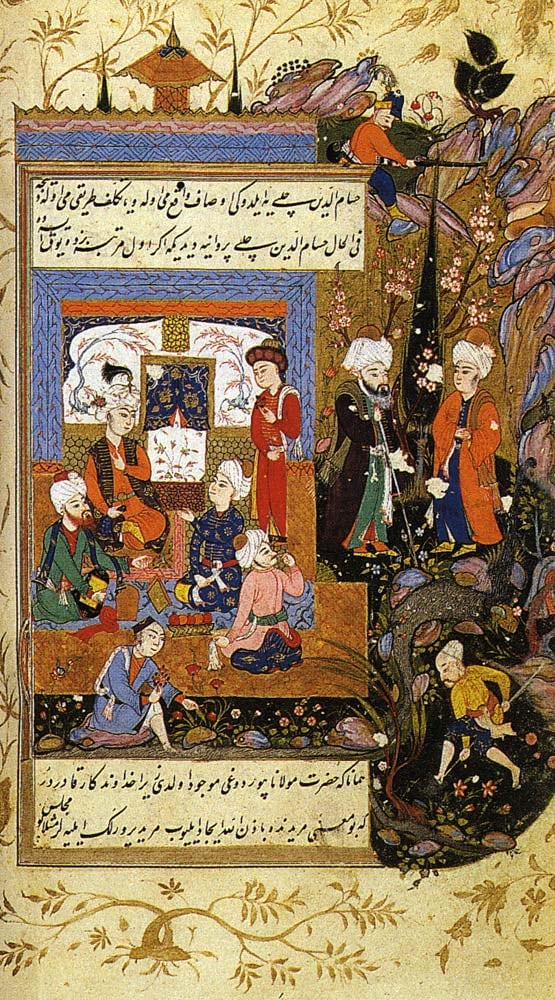
Rumi
Concordano su: Chi sono io? Esiste un vero sé? · Perché soffriamo? · Che cosa accade dopo la morte?

Chaitanya Mahaprabhu
Concordano su: Chi sono io? Esiste un vero sé? · Perché soffriamo? · Che cosa accade dopo la morte?
Hafez
Concordano su: Chi sono io? Esiste un vero sé? · Perché soffriamo? · Che cosa accade dopo la morte?
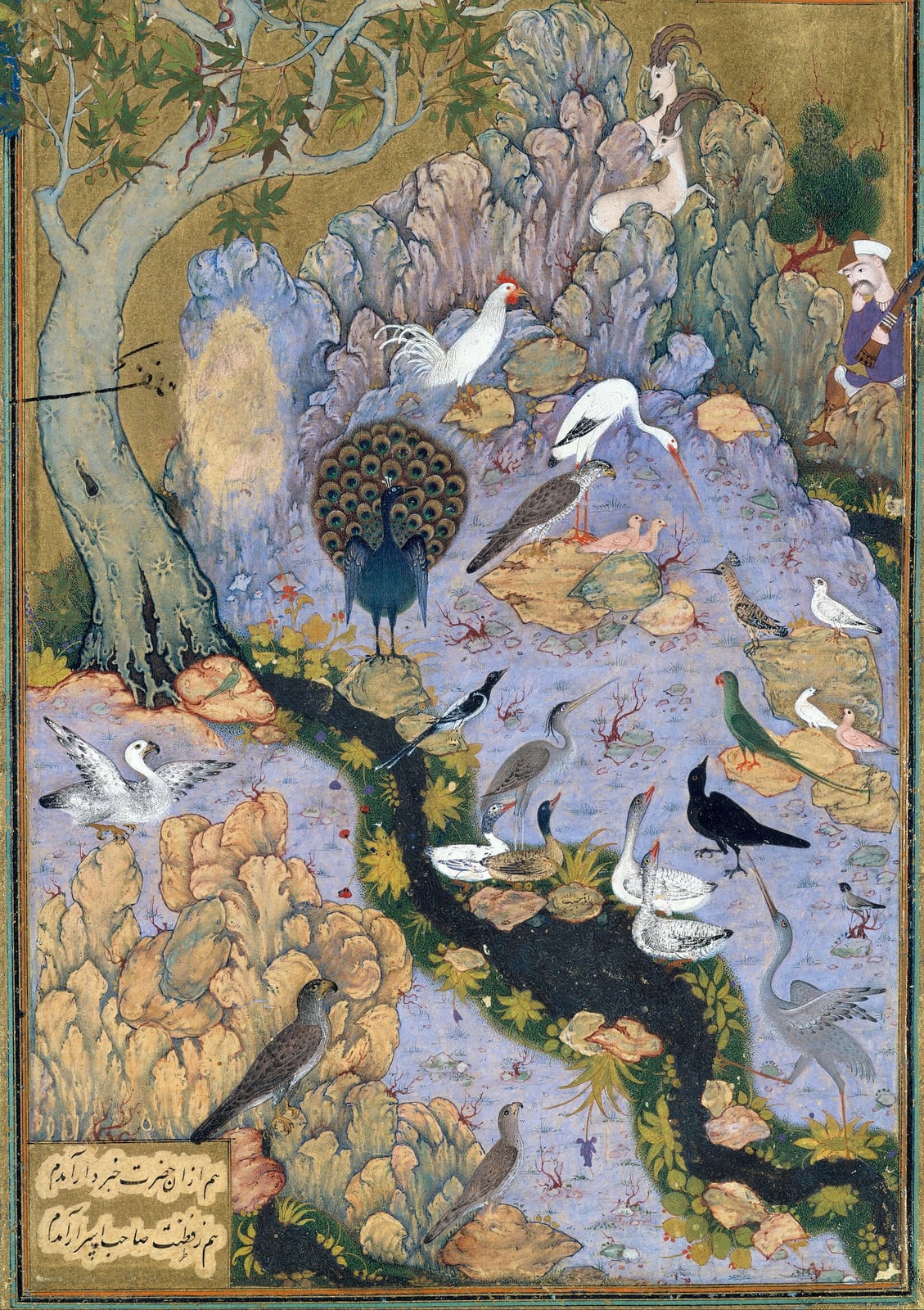
Attar
Concordano su: Che cos'è l'Assoluto? Dio esiste? · Perché soffriamo? · Che cosa accade dopo la morte?
La pensa diversamente da

Pema Chödrön
Si scontrano su: Chi sono io? Esiste un vero sé? · Che cosa accade dopo la morte?

Epicurus
Si scontrano su: Chi sono io? Esiste un vero sé? · Che cosa accade dopo la morte?

The 14th Dalai Lama (Tenzin Gyatso)
Si scontrano su: Chi sono io? Esiste un vero sé? · Che cosa accade dopo la morte?

Jiddu Krishnamurti
Si scontrano su: Come si raggiunge la liberazione o la salvezza? · Serve un maestro?
Aneddoti e racconti
Aneddoti e racconti
Testimonianza1746
The question to the Messiah
Origine del racconto: First-person account by the Besht himself in his letter to Abraham Gershon of Kuty, printed in 1781 in Ben Porat Yosef. What is documented is that the Besht wrote that he had this experience, not the experience itself; Etkes and Rosman read it as evidence of his self-understanding as a mystical intercessor.
Racconto agiograficodécada de 1740–1750
The pipe and the weeping
Origine del racconto: Shivhei ha-Besht (Kopys, 1815), a tale the compiler Dov Ber of Linits says he heard from Jacob Joseph of Polonne himself and from Rabbi Gedaliah. Jacob Joseph's forced departure from Shargorod is accepted by historians; the details of the conversion are tradition.
Racconto agiograficoc. 1750
The shoes of Simhat Torah
Origine del racconto: Shivhei ha-Besht (Kopys, 1815). The chain of transmission is not stated. Baruch of Międzybóż (1753–1811), the Besht's grandson, is a historical figure.
Racconto agiografico1760
The last lesson
Origine del racconto: Shivhei ha-Besht (Kopys, 1815), section on his death; the compiler says he heard it from Rabbi Jacob of Międzybóż, who later died in the Land of Israel, and cites Leib Kessler as witness to the soul's departure.
Documentato1740–1760
The "Baal Shem doktor" in the account books
Origine del racconto: Rosman, "Miedzyboz and Rabbi Israel Baal Shem Tov", Zion 52 (1987), and Founder of Hasidism (1996), based on the Czartoryski holdings in Kraków.
Non verificabilesin fecha
The boy's whistle on Yom Kippur
Origine del racconto: It does not appear in the Kopys edition of Shivhei ha-Besht nor in the eighteenth-century anthologies consulted. It circulates in twentieth-century collections of Hasidic tales and in popular teaching, with variants (flute, whistle, the recited alphabet); we have not been able to trace its first printed appearance.
Fonte: Ben-Amos, Dan, y Jerome R. Mintz (trads. y eds.). In Praise of the Baal Shem Tov [Shivhei ha-Besht]: The Earliest Collection of Legends about the Founder of Hasidism. Bloomington: Indiana University Press, 1970 (reed. Northvale: Jason Aronson, 1993).
Insegnamenti
Insegnamenti
Le nozioni che articolano il suo pensiero, spiegate nel loro contesto.
Devekut (cleaving to God)devekut
It takes up kabbalistic mysticism (Nahmanides, the Zohar, Safed Kabbalah) and redirects it toward everyday life.
Fonte: Scholem, Gershom. Major Trends in Jewish Mysticism. Jerusalén: Schocken, 1941 (reed. Nueva York: Schocken, 1946 y ss.), «Ninth Lecture: Hasidism, the Latest Phase». Trad. esp.: Las grandes tendencias de la mística judía, Madrid, Siruela.
Worship through corporeality (avodah be-gashmiyut)avodah-be-gashmiyut
It develops the Lurianic doctrine of raising the sparks in an ethical and everyday direction.
Hishtavut (equanimity)hishtavut
It has precedents in the ethics of Bahya ibn Paquda and in Safed Kabbalah; in Hasidism it becomes a central virtue.
Raising of stray thoughtshaalat-mahshavot-zarot
Application of the Lurianic doctrine of sparks to the psychology of prayer.
Ascent of the soul (aliyat ha-neshamah)aliyat-ha-neshamah
It goes back to the mysticism of the palaces (hekhalot) and to practical Kabbalah; in the Besht it joins the figure of the intercessor.
Fonte: Etkes, Immanuel. The Besht: Magician, Mystic, and Leader. Trad. Saadya Sternberg. Waltham (Mass.): Brandeis University Press, 2005 (original hebreo: Ba'al ha-Shem, Jerusalén, Merkaz Zalman Shazar, 2000).
Joy (simhah)simha
A reaction against the penitential and ascetic piety widespread after the Sabbatean crisis; it has roots in the Talmud ("the Presence does not rest amid sadness").
Video
Video
Registrazioni, interviste e documentari. I video vengono riprodotti da YouTube; non sono ospitati qui.
ר' ישראל בעל שם טוב (הבעש"ט) וראשית החסידות
Conferenza· HE· 73 min
Hebrew University of Jerusalem
Prof. Moshe Rosman on "Yisrael Ba'al Shem Tov and the Beginnings of Hasidism"
Conferenza· EN· 78 min
Brooklyn College Judaic Studies Department
The Baal Shem Tov | An Introduction to Hasidism | Rabbi Dr. Nehemia Polen
Conferenza· EN· 60 min
Beit Avi Chai
בעקבות הבעש"ט | שיעור 1 - דמותו המיתולוגית | פרופ' יונתן מאיר
Conferenza· HE· 40 min
בית אבי חי (Beit Avi Chai)
בעקבות הבעש"ט | שיעור 2 - היסטוריה ותיאולוגיה | פרופ' יונתן מאיר
Conferenza· HE· 44 min
בית אבי חי (Beit Avi Chai)
Who Was The Ba'al Shem Tov? Founder of Hasidism | Jewish History Lecture | Dr. Henry Abramson
Conferenza· EN· 60 min
Henry Abramson
Prof. Marcin Wodziński | Understanding Hasidism: Theology, Tales, Charisma | 2026 Buber Lecture
Conferenza· EN· 71 min
The Israel Academy of Sciences and HumanitiesCanale ufficiale
Historical Atlas of Hasidism by Marcin Wodziński
Conferenza· EN· 73 min
YIVO Institute for Jewish ResearchCanale ufficiale
The Origins of Hasidic Judaism: The Ba'al Shem Tov | The Jewish Story | Unpacked
Documentario· EN· 6 min
Unpacked
Fernando Carbonell - Baal Shem Tov, un precursor de nuestro tiempo
Conferenza· ES· 56 min
EspacioRonda
JaZ"L: Las Vidas de los Sabios Asquenazi; 14 El Baal Shem Tov y el Jasidismo
Conferenza· ES· 100 min
Rabino Rigoberto Manny Viñas
HEBRAICA - Cycle Histoire Juive - Roger Attali : Le Baal Shem Tov
Guarda su YouTube
Questo video non consente l'incorporamento; si apre su YouTube.
HEBRAICA - Cycle Histoire Juive - Roger Attali : Le Baal Shem Tov
Conferenza· FR· 92 min
Association Hebraica
Galleria
Galleria
Immagini con licenza verificata. Ciascuna conserva la sua paternità e la sua attribuzione.
Relazioni
Relazioni
Influenze, discepolati e affinità. Si distingue la relazione documentata dalla somiglianza individuata per analisi.
Influenzò
Buber retold the Besht's legends in German (*Die Legende des Baalschem*, 1908) and saw in Hasidism a model of dialogical religious life; his reading spread the figure of the Besht in Europe and was criticised by Scholem for its selectivity.
Relazione documentata
Idee affini a
Opposite poles of Jewish spirituality according to a frequent reading: the Aristotelian rationalism of the *Guide of the Perplexed* versus the Besht's affective mysticism. Both share, however, the pursuit of an intellectual or cleaving love of God as the end of religious life.
Somiglianza individuata per analisi
Idee affini a
The *hishtavut* (equanimity) of *Tsava'at ha-Rivash* and Eckhartian detachment (*Abgeschiedenheit*) propose an evenness of mind founded on union with God; there is no historical connection.
Somiglianza individuata per analisi
Idee affini a
Both embody a religiosity of joy, simplicity and closeness to the humble as opposed to learned or penitential piety, and both are known above all through collections of tales by their disciples.
Somiglianza individuata per analisi
Idee affini a
Song, dance and joyful ecstasy as forms of prayer link nascent Hasidism and the Mevlevi tradition; no contact between them is documented.
Somiglianza individuata per analisi
Idee affini a
Charismatic mystics without written works, known through the accounts of their circles, who valued the devotion of the heart above learning.
Somiglianza individuata per analisi
Idee affini a
The claim that "there is no place empty of Him" has led to talk of Hasidic panentheism; the comparison with Spinozan immanence is frequent in historiography, though the premises are very different.
Somiglianza individuata per analisi
Collegato da altre schede
Fonti
Fonti
Bibliografia e cataloghi consultati per questa scheda.
- Rosman, Moshe. Founder of Hasidism: A Quest for the Historical Ba'al Shem Tov. Berkeley: University of California Press, 1996; 2.ª ed. Oxford/Portland: Littman Library of Jewish Civilization, 2013.
- Etkes, Immanuel. The Besht: Magician, Mystic, and Leader. Trad. Saadya Sternberg. Waltham (Mass.): Brandeis University Press, 2005 (original hebreo: Ba'al ha-Shem, Jerusalén, Merkaz Zalman Shazar, 2000).
- Ben-Amos, Dan, y Jerome R. Mintz (trads. y eds.). In Praise of the Baal Shem Tov [Shivhei ha-Besht]: The Earliest Collection of Legends about the Founder of Hasidism. Bloomington: Indiana University Press, 1970 (reed. Northvale: Jason Aronson, 1993).
- Biale, David; Assaf, David; Brown, Benjamin; Gellman, Uriel; Heilman, Samuel C.; Rosman, Moshe; Sagiv, Gadi; Wodziński, Marcin. Hasidism: A New History. Princeton: Princeton University Press, 2018.
- Scholem, Gershom. Major Trends in Jewish Mysticism. Jerusalén: Schocken, 1941 (reed. Nueva York: Schocken, 1946 y ss.), «Ninth Lecture: Hasidism, the Latest Phase». Trad. esp.: Las grandes tendencias de la mística judía, Madrid, Siruela.
- Wikidata, Q319062: «Baal Shem Tov» (Israel ben Eliezer), 47 enlaces entre wikis.
- Israel Baal Shem Tov, Igeret ha-Kodesh (carta a Abraham Gershon de Kuty), impresa en Jacob Joseph de Polonne, Ben Porat Yosef, Korets, 1781; texto hebreo en Sefaria (ed. Eichen, Jerusalén, 2011).
- Tsava'at ha-Rivash (primera impresión 1793); texto hebreo de la edición de Varsovia, 1913, en Sefaria (dominio público).
- Keter Shem Tov, compilado por Aharon ha-Kohen de Apta, Zolkiew, 1794–1795; texto hebreo en Sefaria.
- Dov Ber ben Shmuel de Linits, Shivhei ha-Besht, Kopys, 1814–1815; texto hebreo de la edición de Kopys en Sefaria (dominio público).
- Kohler, Kaufmann, y Louis Ginzberg. «Ba'al Shem-Ṭob, Israel b. Eliezer». The Jewish Encyclopedia, vol. 2. Nueva York: Funk & Wagnalls, 1902.
- Idel, Moshe. Hasidism: Between Ecstasy and Magic. Albany: State University of New York Press, 1995.
- Schochet, Jacob Immanuel (trad. y notas). Tzava'at Harivash: The Testament of Rabbi Israel Baal Shem Tov. Brooklyn: Kehot Publication Society, 1998.
- Wikimedia Commons, categoría «Baal Shem Tov» y subcategorías (licencias leídas por la API imageinfo).
- Jacob Joseph ha-Kohen de Polonne, Toledot Ya'akov Yosef, Korets, 1780; texto hebreo en Sefaria.
- Buber, Martin. Die Legende des Baalschem. Fráncfort del Meno: Rütten & Loening, 1908 (trad. ingl. de Maurice Friedman, The Legend of the Baal-Shem, Nueva York, Harper, 1955).
- Sefaria, «Ba'al Shem Tov» (Sefer Baal Shem Tov, antología de Shimon Menahem Mendel Wodnik de Gowarczów, Łódź, 1938).
- Titolare dei diritti
- Dominio público: la carta del Besht y las antologías de los siglos XVIII–XIX. Las traducciones y ediciones anotadas modernas (Kehot, Indiana University Press, Jason Aronson, BST Publishing) tienen derechos de sus editores y traductores.
In attesa di conferma
Ciò che questa scheda non ha ancora potuto chiarire. Preferiamo dirlo piuttosto che riempirlo.
- Localizar ediciones españolas con ISBN de Tsava'at ha-Rivash, Keter Shem Tov y Shivhei ha-Besht (Open Library no registra ninguna; consultar el catálogo de Kehot Lubavitch Sudamericana y de la Biblioteca Nacional de España).
- Identificar al conferenciante del vídeo de la Universidad Hebrea (2qMI8RKtHgs): el título no lo indica.
- Verificar en Etkes (2005, cap. 2) la fecha exacta de redacción de la carta (la recepción de la carta de Gershon en la feria de Luka de 5510 da un término post quem de 1750) y la procedencia de la versión larga.
- Confirmar en catálogo la primera edición de Tsava'at ha-Rivash (1793): lugar de impresión (Zolkiew u Ostroh, según fuentes).
- Rastrear la primera aparición impresa del relato del muchacho que silba en Yom Kipur.
- Comprobar si el importador de la sala de lectura admite Sefaria (formato «other»); si no, sustituir por Wikisource hebreo o por los escaneos de la Biblioteca Nacional de Israel.
- Buscar vídeos de televisiones públicas (Kan, Arte) o del Museo ANU sobre el Besht y el jasidismo.
Ricerca effettuata il 2026-10-25