Индуизм · Йога · Бхакти · Адвайта-веданта · Ведическая традиция
Vyasa
व्यास · वेदव्यास · कृष्णद्वैपायन · Kṛṣṇa Dvaipāyana Vyāsa
Повествование, соединяющее историю, богословие и предание
Легендарный мудрец, называемый Кришной Двайпаяной, которому традиция приписывает разделение Веды на четыре части, создание «Махабхараты» — вместе с «Бхагавад-гитой» — и восемнадцати Пуран и которого отождествляет с Бадараяной, автором «Брахма-сутр», а также с комментатором «Йога-сутр». В «Махабхарате» он одновременно автор, рассказчик и дед обеих враждующих сторон. Филология видит в нём фигуру авторитета, созданную самими текстами, которые складывались с IV века до н. э. до I тысячелетия н. э.
- трудов
- 30трудов
- изданий
- 44изданий
- цитат
- 5цитат
- видео
- 15видео
- изображений
- 8изображений
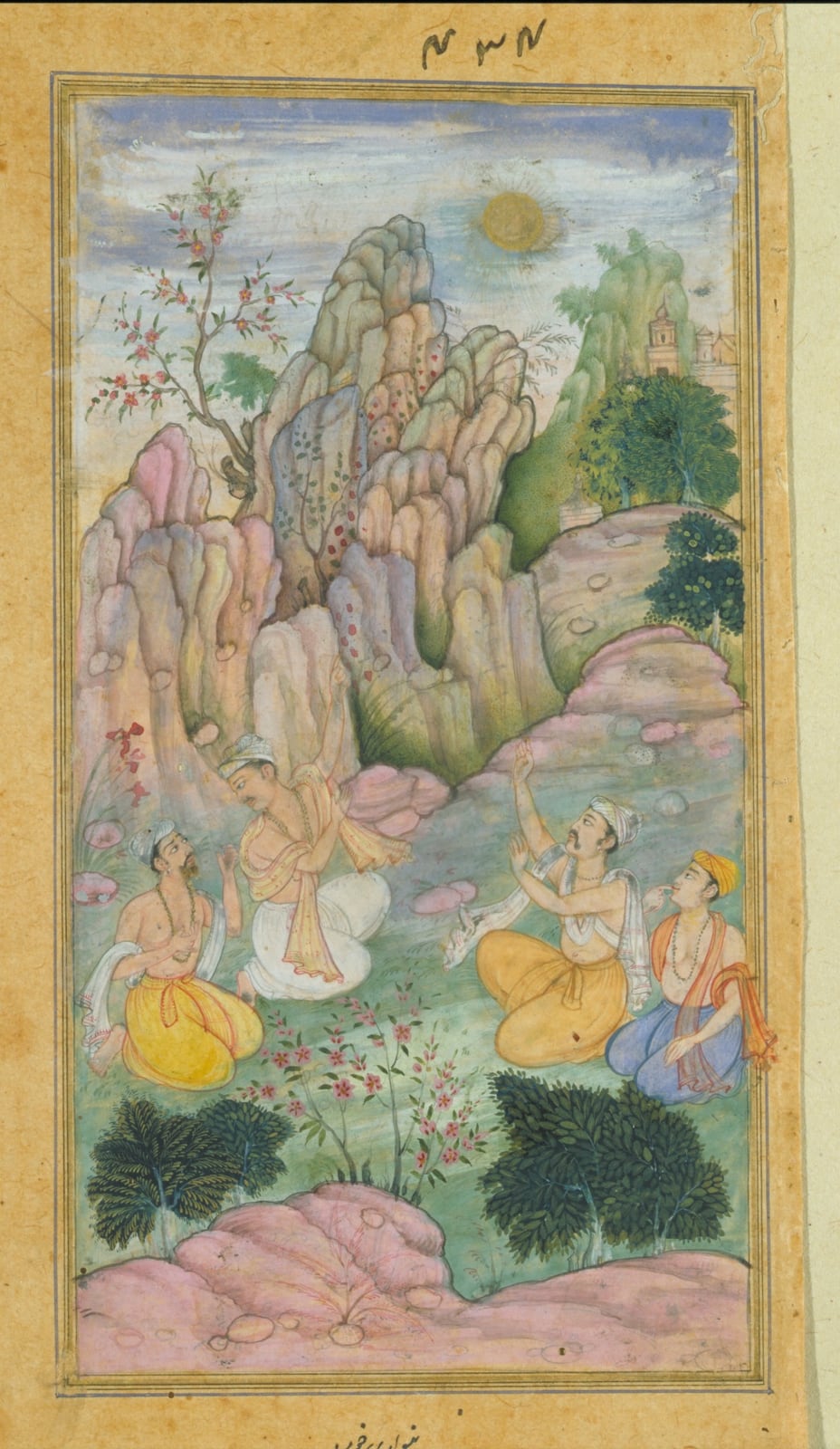
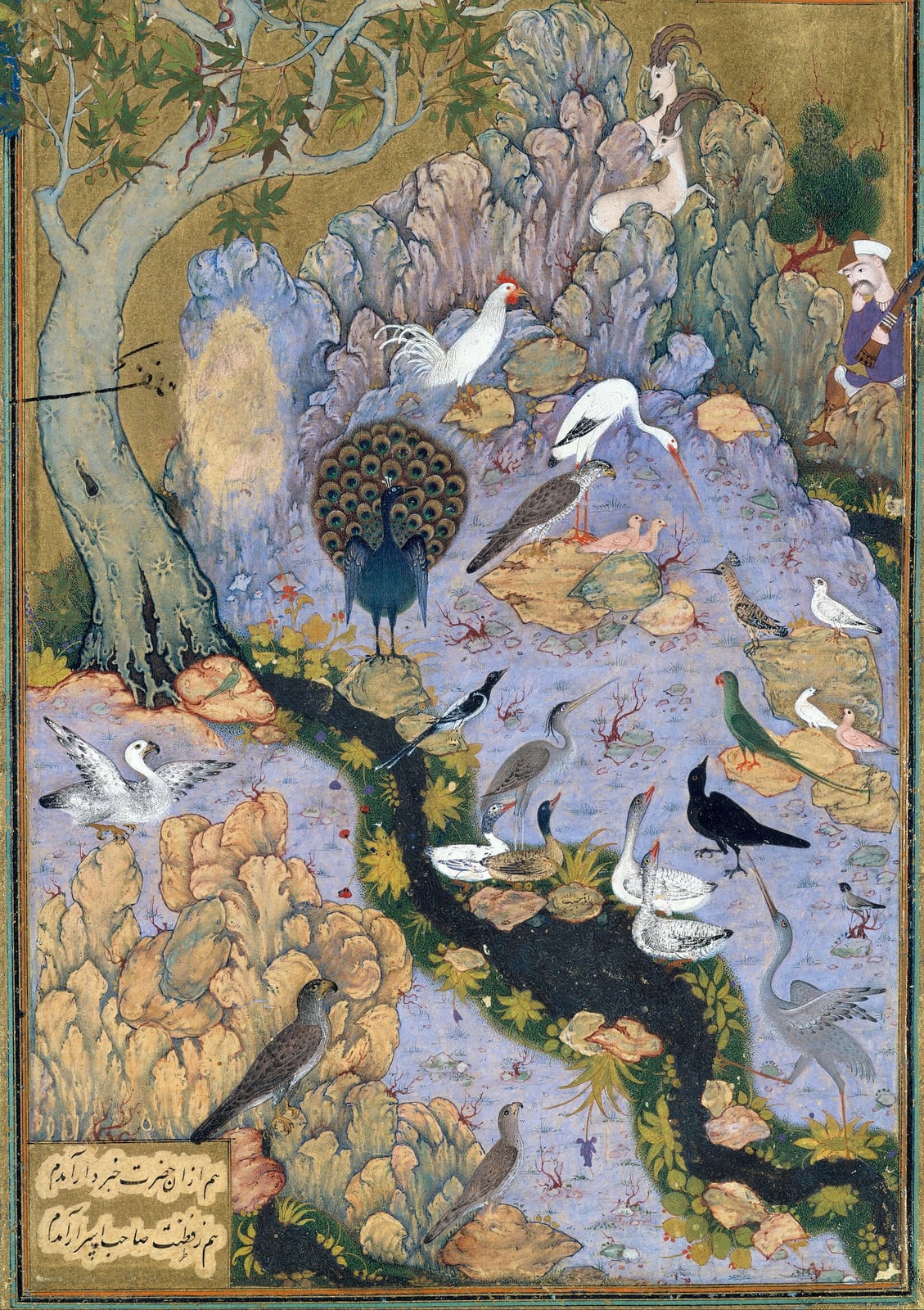
Vyāsa y sus discípulos ven llegar a Śuka (Razmnāma) · Public domain
Своими словами
«Whatever is spoken about virtue, wealth, pleasure, and salvation may be seen elsewhere; but whatever is not contained in this is not to be found anywhere.»Mahābhārata, Ādiparvan (1.56.33 de la edición crítica; sección LXII de la trad. de K. M. Ganguli, dominio público); versión española del investigador

Главная мысль
Subtle dharma (sūkṣma dharma): One of the ideas running through the Mahābhārata is that dharma, the right order of conduct, is 'subtle' and hard to know: norms conflict, the just lose and the victors doubt their victory.
В контексте
Биография
4 мин чтения
Перевод с испанского оригинала, выполненный с помощью ИИ; ожидает проверки носителем языка.
Тот, кто упорядочил тексты
Вьяса означает на санскрите «разделяющий» или «упорядочивающий», и это не столько имя, сколько должность. Так традиция называет Кришну Двайпаяну, «тёмного, рождённого на острове», и приписывает ему труд, который не мог бы совершить ни один человек: разделение единой Веды на четыре собрания, создание «Махабхараты» — самой длинной поэмы древности, — восемнадцати великих Пуран, «Брахма-сутр» и классического комментария к «Йога-сутрам». Ни одно внешнее свидетельство его не подтверждает. Филология видит во Вьясе фигуру автора, созданную внутри самих текстов, чтобы придать им авторитет, а история религий — составной образ, в котором более тысячи лет накапливались атрибуции.
Сын мудреца и перевозчицы
«Махабхарата» рассказывает о его рождении. Мудрец Парашара, внук Васиштхи, переправлялся через Ямуну в лодке Сатьявати, дочери рыбака; он возжелал её, окутал туманом и сделал матерью на речном острове. Дитя родилось в тот же день, тотчас выросло и ушло предаваться аскезе, дав обещание являться всякий раз, когда мать его позовёт. За то, что он родился на острове, его назвали Двайпаяной; за то, что упорядочил Веду, — Вьясой. Годы спустя Сатьявати вышла замуж за царя Шантану, и когда их сыновья умерли, не оставив потомства, она призвала Вьясу, чтобы он по обычаю нийоги зачал наследников от вдов. От этих союзов родились слепой Дхритараштра, бледный Панду и Видура, сын служанки. Так автор поэмы оказывается дедом обеих сторон, которые истребляют в ней друг друга.
Автор и персонаж
Вьяса то входит в собственное произведение, то выходит из него. Он даёт советы Пандавам в изгнании, наделяет Санджаю божественным зрением, чтобы тот рассказал о войне слепому царю, утешает уцелевших, а спустя годы после битвы на одну ночь поднимает из вод Ганги павших воинов, чтобы родные могли вновь их увидеть. Поэма предстаёт цепью пересказов: Вьяса учит ей своего ученика Вайшампаяну, который читает её на змеином жертвоприношении царя Джанамеджаи, а сказитель Уграшравас повторяет её перед мудрецами леса Наймиша. Брюс Салливан увидел в этом Вьясе фигуру, подобную Брахме, — творца и провидца «пятой Веды»; Альф Хильтебейтель — автора, вписывающего себя в текст, чтобы направлять его чтение. Знаменитый эпизод, в котором Ганеша записывает поэму под диктовку, есть в вульгате, но критическое издание выносит его в приложение, поскольку он отсутствует во многих рукописях.
Библиотека в восемнадцати книгах
«Махабхарата» называет себя «собранием ста тысяч строф»; разделённая на восемнадцать книг (парв) и дополненная «Харивамшей», она повествует о вражде Кауравов и Пандавов вплоть до великой битвы на Курукшетре и её последствий, но содержит также сказания о Нале и Савитри, версию истории Рамы и целые книги наставлений о дхарме, политике и освобождении. Сама поэма утверждает: «Что есть здесь, то можно найти и в другом месте; чего нет здесь, того нет нигде». Институт Бхандаркара в Пуне выпустил её критическое издание в 1919–1966 годах. О датировке единого мнения нет: Джон Брокингтон описывает рост, растянувшийся на несколько столетий, — с IV века до н. э. по IV век н. э.; Хильтебейтель и Джеймс Фицджеральд отстаивают письменное и сравнительно быстрое создание поэмы в последние два века до н. э. с последующими дополнениями.
«Бхагавад-гита»
В шестой книге, «Бхишма-парве», когда войска уже выстроены, воин Арджуна отказывается сражаться против родичей, и его колесничий Кришна отвечает ему семьюстами строфами в восемнадцати песнях — это «Бхагавад-гита». Традиция приписывает её Вьясе как составителю поэмы, а повествование обрамляет диалог рассказом, который Санджая ведёт слепому царю благодаря дару мудреца. Со времени первого английского перевода, выполненного Чарльзом Уилкинсом в 1785 году, она остаётся самым читаемым за пределами Индии индийским текстом; переводы Кашинатха Тримбака Теланга (1882) и Эдвина Арнольда (1885) ныне находятся в общественном достоянии.
Упорядочитель Веды и Пуран
Пураны превращают Вьясу в космическую должность: в каждую эпоху двапара в мире появляется Вьяса, распределяющий Веду, и «Вишну-пурана» перечисляет двадцать восемь таких Вьяс, среди них Васиштху, Вальмики и Парашару, вплоть до Кришны Двайпаяны — Вьясы нынешней эпохи. Он передал «Ригведу» Пайле, «Яджурведу» — Вайшампаяне, «Самаведу» — Джаймини, «Атхарваведу» — Суманту, а сказания и Пураны — Ломахаршане. «Бхагавата-пурана» добавляет, что после всего этого Вьяса оставался неудовлетворён, пока Нарада не посоветовал ему воспеть деяния Кришны: так будто бы и возникла «Бхагавата», которой он обучил своего сына Шуку. Людо Роше показал, что приписывание Пуран Вьясе — формула авторитета для текстов, создававшихся на протяжении всего I тысячелетия и позже.
Бадараяна и комментарий к йоге
Под его именем укрываются и два философских трактата. «Брахма-сутры», основа веданты, приписываются Бадараяне, которого позднейшая ведантическая традиция отождествляет с Вьясой; критика различает их и датирует составление афоризмов первыми веками н. э. — Хадзимэ Накамура предложил 400–450 годы. Комментарий к «Йога-сутрам» («Йога-бхашья») приписывается Вьясе начиная со средневековых комментаторов, однако Филипп Маас и Йоханнес Бронкхорст считают, что афоризмы и комментарий составляют единое произведение — «Патанджала-йога-шастру», созданную около 325–425 годов.
Что можно утверждать
Историк не может указать для Вьясы ни дат, ни места. Он может утверждать, что его имя на протяжении двух тысячелетий служило печатью великих текстов брахманской традиции и что «Махабхарата» создала его образ как автора, присутствующего в собственном произведении, — одновременно деда, свидетеля и рассказчика. Индия чтит его в каждое полнолуние месяца ашадха праздником Гуру-пурнима, днём учителей, и причисляет к бессмертным, которые до сих пор странствуют по миру. В последней книге поэмы Вьяса подытоживает своё учение жалобой: «С воздетыми руками я взываю, и никто меня не слышит: из дхармы рождаются богатство и наслаждение — почему же не следуют дхарме?»
Источники: Sullivan, Bruce M. Kṛṣṇa Dvaipāyana Vyāsa and the Mahābhārata: A New Interpretation. Leiden: Brill, 1990; reed. como Seer of the Fifth Veda: Kṛṣṇa Dvaipāyana Vyāsa in the Mahābhārata. Delhi: Motilal Banarsidass, 1999. · Hiltebeitel, Alf. Rethinking the Mahābhārata: A Reader's Guide to the Education of the Dharma King. Chicago: University of Chicago Press, 2001 (caps. 1–2, sobre Vyāsa como autor y la fecha de composición). · Fitzgerald, James L. (trad.). The Mahābhārata, vol. 7: Book 11, The Book of the Women; Book 12, The Book of Peace, Part One. Chicago: University of Chicago Press, 2004. Introducción. · Brockington, John. The Sanskrit Epics. Leiden: Brill, 1998 (Handbuch der Orientalistik, 2. Abt., Bd. 12). Capítulos sobre el Mahābhārata. · Sukthankar, Vishnu S. (ed.). The Mahābhārata for the First Time Critically Edited. Vol. 1: The Ādiparvan, with Prolegomena. Poona: Bhandarkar Oriental Research Institute, 1933 (edición crítica completa, 1919–1966).
Хронология
Жизнь год за годом
Каждая точка — документированное событие. Нажмите, чтобы прочитать о нём, с источником и степенью достоверности.
ок. 400 до н. э. – 400Norte de la India
Formation of the Mahābhārata
According to John Brockington, the epic grew over some eight centuries, from an oral bardic tradition to a text of a hundred thousand stanzas. This is the range of the work ascribed to Vyāsa, not of a person.
ОспариваетсяBrockington, John. The Sanskrit Epics. Leiden: Brill, 1998 (Handbuch der Orientalistik, 2. Abt., Bd. 12). Capítulos sobre el Mahābhārata.
ок. 400 до н. э. – 400
Formation of the Mahābhārata
According to John Brockington, the epic grew over some eight centuries, from an oral bardic tradition to a text of a hundred thousand stanzas. This is the range of the work ascribed to Vyāsa, not of a person.
Оспаривается
ок. 150 до н. э.
Written composition, according to Hiltebeitel
Alf Hiltebeitel and James Fitzgerald argue that the Mahābhārata was composed in writing by a group of Brahmin authors in a relatively short period, between the mid-second century BCE and the turn of the era, and then enlarged.
Оспаривается
ок. 300 – 1000
The composition of the Purāṇas
The great Purāṇas, ascribed to Vyāsa, were composed and reworked throughout the first millennium and later, according to Ludo Rocher; in them Vyāsa appears as the arranger of the Veda in each age of the world.
Вероятно
ок. 325 – 425
The Pātañjalayogaśāstra
The date Philipp Maas proposes for the Yogasūtras and their commentary, which medieval tradition ascribed to Vyāsa and which Maas regards as the work of the same author as the aphorisms.
Оспаривается
ок. 400 – 450
Bādarāyaṇa's Brahmasūtras
Date proposed by Hajime Nakamura for the final redaction of the Brahmasūtras, which Vedāntic tradition ascribes to Bādarāyaṇa, identified with Vyāsa.
Оспаривается
1598
Vyāsa in the Razmnāma
Banwari paints Vyāsa with his disciples for an illustrated copy of the Razmnāma, the Persian translation of the Mahābhārata commissioned by Akbar; the folio is in the Victoria and Albert Museum.
Документировано
1785
First English translation of the Gītā
Charles Wilkins publishes The Bhagvat-Geeta, the first translation of the Bhagavad Gītā into a European language.
Документировано
1883 – 1896
Ganguli's translation
Kisari Mohan Ganguli translates the complete Mahābhārata into English, published by Pratap Chandra Roy; it is the only complete public-domain English translation.
Документировано
1900
Vivekananda speaks on the Mahābhārata
Swami Vivekananda devotes a lecture to the Mahābhārata before an American audience and presents Vyāsa as its author.
Документировано
1919 – 1966
The Bhandarkar Oriental Research Institute's critical edition
Under the direction of V. S. Sukthankar and his successors, the Pune institute publishes the critical edition of the Mahābhārata, which relegates to appendices the passages missing from many manuscripts, such as that of Gaṇeśa as scribe.
Документировано
Труды
Главные труды
Труды, без которых не понять это наследие.
Традиционная атрибуция · ок. 400 до н. э.
Mahābhārata
महाभारत (Mahābhārata)
The longest epic in world literature, a 'collection of a hundred thousand stanzas' in eighteen books, with the Harivaṃśa as a supplement. It narrates the rivalry between the Kauravas and their cousins the Pāṇḍavas for the kingdom of Hastināpura, the dice game, the exile and the eighteen-day war at Kurukṣetra, with its aftermath. It includes the Bhagavad Gītā and numerous tales and treatises on dharma, politics and liberation, and regards itself as a 'fifth Veda'.
8 изданий
Традиционная атрибуция · ок. 200 до н. э.
Bhagavad Gītā (The Song of the Lord)
भगवद्गीता (Bhagavadgītā)
A dialogue of seven hundred stanzas in eighteen cantos between the warrior Arjuna, who refuses to fight his kinsmen, and Kṛṣṇa, his charioteer, who teaches him to act without attachment to the fruit of action, sets out the paths of knowledge, action and devotion and reveals himself to him in his universal form. It is the most commented text of Hinduism —by Śaṅkara, Rāmānuja, Madhva and so many others— and the most widely read outside India.
9 изданий · amazon.es
Vyasa
The eighteen great Purāṇas (traditional attribution)
Позднейший сборник · ок. 300
The eighteen great Purāṇas (traditional attribution)
महापुराण (mahāpurāṇa)
Encyclopaedias of mythology, cosmology, royal genealogies, ritual and devotion. According to the canonical list there are eighteen: Brahma, Padma, Viṣṇu, Śiva (or Vāyu), Bhāgavata, Nārada, Mārkaṇḍeya, Agni, Bhaviṣya, Brahmavaivarta, Liṅga, Varāha, Skanda, Vāmana, Kūrma, Matsya, Garuḍa and Brahmāṇḍa. The lists vary slightly from text to text, and alongside them there are numerous upapurāṇas or minor Purāṇas.
0 изданий

Традиционная атрибуция · ок. 400
Brahmasūtras (Aphorisms on Brahman)
ब्रह्मसूत्र (Brahmasūtra), también वेदान्तसूत्र
Some 555 aphorisms in four books systematising the teaching of the Upaniṣads on Brahman: its nature, the refutation of other schools (Sāṃkhya, Buddhists, Jains), the means of realisation and the fruit of liberation. Their concision makes them intelligible only with a commentary, and each school of Vedānta —Śaṅkara, Rāmānuja, Madhva— founded its doctrine on its own.
4 издания · amazon.com
Все труды (30)
Vyasa
Mahābhārata I: Ādiparvan (The Book of the Beginning)
The Conscious LibraryMahābhārata I: Ādiparvan (The Book of the Beginning)
Vyasa
Mahābhārata II: Sabhāparvan (The Book of the Assembly)
The Conscious LibraryMahābhārata II: Sabhāparvan (The Book of the Assembly)
Vyasa
Mahābhārata III: Āraṇyakaparvan (The Book of the Forest)
The Conscious LibraryMahābhārata III: Āraṇyakaparvan (The Book of the Forest)
Vyasa
Mahābhārata IV: Virāṭaparvan (The Book of Virāṭa)
The Conscious LibraryMahābhārata IV: Virāṭaparvan (The Book of Virāṭa)
Vyasa
Mahābhārata V: Udyogaparvan (The Book of the Effort)
The Conscious LibraryMahābhārata V: Udyogaparvan (The Book of the Effort)
Vyasa
Mahābhārata VI: Bhīṣmaparvan (The Book of Bhīṣma)
The Conscious LibraryMahābhārata VI: Bhīṣmaparvan (The Book of Bhīṣma)
Vyasa
Mahābhārata VII: Droṇaparvan (The Book of Droṇa)
The Conscious LibraryMahābhārata VII: Droṇaparvan (The Book of Droṇa)
Vyasa
Mahābhārata VIII: Karṇaparvan (The Book of Karṇa)
The Conscious LibraryMahābhārata VIII: Karṇaparvan (The Book of Karṇa)
Vyasa
Mahābhārata IX: Śalyaparvan (The Book of Śalya)
The Conscious LibraryMahābhārata IX: Śalyaparvan (The Book of Śalya)
Vyasa
Mahābhārata X: Sauptikaparvan (The Book of the Night Raid)
The Conscious LibraryMahābhārata X: Sauptikaparvan (The Book of the Night Raid)
Vyasa
Mahābhārata XI: Strīparvan (The Book of the Women)
The Conscious LibraryMahābhārata XI: Strīparvan (The Book of the Women)
Vyasa
Mahābhārata XII: Śāntiparvan (The Book of Peace)
The Conscious LibraryMahābhārata XII: Śāntiparvan (The Book of Peace)
Vyasa
Mahābhārata XIII: Anuśāsanaparvan (The Book of Instruction)
The Conscious LibraryMahābhārata XIII: Anuśāsanaparvan (The Book of Instruction)
Vyasa
Mahābhārata XIV: Āśvamedhikaparvan (The Book of the Horse Sacrifice)
The Conscious LibraryMahābhārata XIV: Āśvamedhikaparvan (The Book of the Horse Sacrifice)
Vyasa
Mahābhārata XV: Āśramavāsikaparvan (The Book of the Hermitage)
The Conscious LibraryMahābhārata XV: Āśramavāsikaparvan (The Book of the Hermitage)
Vyasa
Mahābhārata XVI: Mausalaparvan (The Book of the Clubs)
The Conscious LibraryMahābhārata XVI: Mausalaparvan (The Book of the Clubs)
Vyasa
Mahābhārata XVII: Mahāprasthānikaparvan (The Book of the Great Journey)
The Conscious LibraryMahābhārata XVII: Mahāprasthānikaparvan (The Book of the Great Journey)
Vyasa
Mahābhārata XVIII: Svargārohaṇaparvan (The Book of the Ascent to Heaven)
The Conscious LibraryMahābhārata XVIII: Svargārohaṇaparvan (The Book of the Ascent to Heaven)
Vyasa
Harivaṃśa (The Lineage of Hari)
The Conscious LibraryHarivaṃśa (The Lineage of Hari)
Vyasa
The division of the Veda into four collections (traditional attribution)
The Conscious LibraryThe division of the Veda into four collections (traditional attribution)

Bhāgavata Purāṇa
900
Vyasa
Viṣṇu Purāṇa
The Conscious LibraryViṣṇu Purāṇa
Vyasa
Devī Bhāgavata Purāṇa
The Conscious LibraryDevī Bhāgavata Purāṇa
Vyasa
Adhyātma Rāmāyaṇa
The Conscious LibraryAdhyātma Rāmāyaṇa
Изречения
Изречения, найденные в конкретном труде. Каждое сопровождается указанием происхождения и степени надёжности.
Whatever is spoken about virtue, wealth, pleasure, and salvation may be seen elsewhere; but whatever is not contained in this is not to be found anywhere.dharme cārthe ca kāme ca mokṣe ca bharatarṣabha / yad ihāsti tad anyatra yan nehāsti na tat kvacit
ПровереноMahābhārata, Ādiparvan (1.56.33 de la edición crítica; sección LXII de la trad. de K. M. Ganguli, dominio público); versión española del investigador
Последние слова
Проверяемых записей о последних словах не существует.
There is no record of his death: tradition counts him among the ciranjīvins, the immortals who will live until the end of the age. His last words in the Mahābhārata are the closing verses of the Svargārohaṇaparvan, but they are not presented as the words of a dying man.
Источник: Wikipedia (inglés), «Vyasa», sobre la Guru Pūrṇimā (Vyāsa Pūrṇimā), los cirañjīvin y los lugares de culto asociados.
Спросить
На что отвечают эти труды
Двенадцать великих вопросов человечества и то, что позволяют на них ответить эти тексты, со ссылками. Мы никогда не вкладываем слова в чужие уста.
Что такое Абсолют? Существует ли Бог?
Formless Brahman and the supreme Lord: the Gītā holds both
И личный, и безличныйСказано прямо
In the Bhagavad Gītā, which tradition ascribes to Vyāsa, the Absolute has two faces that the text does not separate. On one side is the supreme brahman, beginningless, of which it cannot be said that it is or that it is not (13.12); on the other, Kṛṣṇa presents himself as the Lord who sustains the world, the «supreme spirit» beyond both the perishable and the imperishable (15.16–18), and even says that he is the foundation of brahman itself (14.27). Chapter 12 compares those who worship the unmanifest with those who worship him, and declares the first path harder. The Brahmasūtras, ascribed to Bādarāyaṇa, whom tradition identifies with Vyāsa, define brahman as that from which the birth, subsistence and dissolution of the world proceed (1.1.2).
Сравнить этот вопрос с другими учителямиКто я? Существует ли истинное «я»?
The embodied one is neither born nor dies; the ego believes it acts
Самость есть АбсолютСледует из учения
The Bhagavad Gītā distinguishes sharply between the embodied one (dehin) and the body: the former is neither born nor dies, is not wounded by weapons nor wetted by water, and changes bodies as one changes clothes (2.20–22). The sense of being the author of one's acts belongs to material nature: one deluded by the ego (ahaṃkāra) thinks «I am the doer», when it is the qualities of nature that act (3.27). Chapter 13 identifies the knower of the field in all bodies with Kṛṣṇa himself, and the one who attains wisdom «becomes brahman» (18.54). The Gītā thus invites one to recognise oneself as an eternal Self, witness of the activity of body and mind.
Сравнить этот вопрос с другими учителямиПочему мы страдаем?
From attachment comes desire, from desire anger, and from anger ruin
Жажда и привязанностьСказано прямо
The Bhagavad Gītā describes a precise chain: whoever dwells on the objects of the senses becomes attached to them; from attachment comes desire, from desire anger, from anger delusion, and thence the loss of memory and intelligence, down to ruin (2.62–63). When Arjuna asks what drives a person to do wrong even against his will, Kṛṣṇa answers that it is desire, which turns into anger, the insatiable enemy (3.37). The remedy is not to stop acting, but to act without attachment to the fruit. Behind desire lies an ignorance that veils knowledge (5.15). The Mahābhārata as a whole, for its part, shows the collective suffering to which the greed and pride of a lineage that destroys itself can lead.
Сравнить этот вопрос с другими учителямиЧто происходит после смерти?
It is not slain when the body is slain: it changes bodies like clothes
То, что я есть, не рождается и не умираетСказано прямо
The Bhagavad Gītā's answer is born on a battlefield: Arjuna does not want to kill his kinsmen, and Kṛṣṇa teaches him that the embodied one is neither born nor dies, is eternal and ancient, and is not slain when the body is slain (2.20). As a man discards worn-out clothes and puts on new ones, so it discards worn-out bodies and enters others (2.22); for one who is born death is certain, and for one who dies, birth. What one remembers on leaving the body determines where one goes (8.6), and whoever thinks of Kṛṣṇa at death reaches him and is not born again (8.5, 8.15–16). The Mahābhārata tests this teaching in the yakṣa's question to Yudhiṣṭhira: the greatest wonder is that, seeing everyone die, each believes himself immortal.
Сравнить этот вопрос с другими учителямиКак достигается освобождение или спасение?
Action without attachment, knowledge and, finally, refuge in the Lord alone
Через преданность и предание себяСказано прямо
The Bhagavad Gītā presents several paths: action without attachment to the fruit (karmayoga), knowledge (jñāna), meditation and devotion (bhakti). It does not set them against one another but integrates them, and the text culminates in surrender. Kṛṣṇa says that only by exclusive devotion can he be known and seen as he is (11.54); that whoever offers him with love a leaf, a flower, a fruit or water, he accepts it (9.26); and, at the end, he asks Arjuna to abandon all duties and take refuge in him alone, for he will free him from all evil (18.66). The Brahmasūtras, ascribed to Bādarāyaṇa, whom tradition identifies with Vyāsa, assert instead that the human goal is attained through the knowledge of brahman (3.4.1).
Сравнить этот вопрос с другими учителямиНужен ли учитель?
Learn from the sages who have seen the truth, serving and questioning them
НезаменимСказано прямо
The Bhagavad Gītā is itself a scene of teaching: Arjuna, paralysed, declares himself Kṛṣṇa's disciple and asks him for instruction (2.7). Kṛṣṇa explains that this knowledge was handed down from teacher to teacher since ancient times and was lost over time (4.1–2), and advises seeking it by prostrating, questioning and serving the sages who have seen the truth, for they will teach it (4.34). Tradition made Vyāsa the teacher par excellence: the one who divided the Veda and transmitted it to his disciples, and whose birth is celebrated on the full moon of āṣāḍha, Guru Pūrṇimā, the festival in which teachers are honoured. The seat from which the texts are recited is still called the «seat of Vyāsa».
Сравнить этот вопрос с другими учителямиРеален ли мир?
The world is the Lord's nature, which Arjuna sees whole in his form
Проявление божественногоСказано прямо
In the Bhagavad Gītā, Kṛṣṇa says that the world proceeds from his twofold nature (prakṛti): the lower, made of earth, water, fire, air, space, mind, intellect and ego, and the higher, the life principle that sustains the universe (7.4–6). Everything is strung on him like pearls on a thread (7.7). In chapter 11, Arjuna receives divine sight and beholds the entire universe, with its gods and its armies, in Kṛṣṇa's body. The world here is not a dream, but the divine unfolded, although the Gītā also calls māyā the power by which the Lord produces it, which is hard to cross (7.14). The Brahmasūtras hold that brahman is both the material and the efficient cause of the world (1.4.23).
Сравнить этот вопрос с другими учителямиЧто такое любовь?
Whoever loves me is in me, and I in him; you are dear
Тоска и соединениеСказано прямо
In the Bhagavad Gītā love is above all devotion (bhakti), and it is reciprocal. Kṛṣṇa says he is the same towards all beings, but that those who worship him with devotion are in him and he in them (9.29). He accepts what is offered with love, be it a leaf or a little water (9.26), and at the end declares to Arjuna that he is very dear to him and that, if he fixes his mind and his devotion on him, he will come to him (18.64–65). Love so understood is the force that leads the being to its source. It also has an ethical side: the devotee the Lord loves is the one who hates no being, is friendly and compassionate, without possessiveness or egoism, equal in pain and pleasure (12.13–20).
Сравнить этот вопрос с другими учителямиСвободны ли мы или всё предопределено?
Nature's qualities act; the deluded believes himself the author
Нет делающегоСледует из учения
The Bhagavad Gītā states that all actions are performed by the qualities (guṇa) of nature, and that only one deluded by the ego thinks «I am the doer» (3.27). The sage, absorbed in reality, thinks that he does nothing while he sees, hears or breathes (5.8). In chapter 11, after showing him his universal form, Kṛṣṇa tells Arjuna that the warriors have already been slain by him and that Arjuna is merely his instrument (11.33); and in chapter 18, that the Lord dwells in the heart of all beings and turns them as if mounted on a machine (18.61). The freedom that remains is not that of a separate agent, but that of acting without attachment, offering one's acts and renouncing the idea of being their author.
Сравнить этот вопрос с другими учителямиЗачем медитировать или молиться?
Fix the mind on the Lord, who calls the disciple friend
Дружба с БогомСледует из учения
The Bhagavad Gītā describes meditation in detail: sitting in a clean, steady place, holding body, head and neck erect, fixing the gaze and stilling the mind like a flame that does not flicker where no wind blows (6.10–19). But the object of that concentration is not a void: the yogin is to sit «intent on me», with his mind on Kṛṣṇa (6.14). Practice culminates in a personal relationship. Kṛṣṇa imparts his teaching to Arjuna because he is his devotee and his friend (4.3), accepts what is offered with love (9.26) and assures him that, fixing his mind on him, he will come to him (18.65). Meditating and praying thus converge in dealing with a Lord who knows and loves whoever turns to him.
Сравнить этот вопрос с другими учителямиМожет ли разум познать предельное?
Brahman is known through scripture; reasoning alone has no firm footing
Писание и рассуждениеСказано прямо
The Brahmasūtras, which tradition ascribes to Bādarāyaṇa and identifies with Vyāsa, establish from the outset that scripture is the source of the knowledge of brahman (1.1.3) and that reasoning on its own lacks a firm foundation, because what one thinker proves a cleverer one refutes (2.1.11). Reasoning is not discarded: the whole text is an exercise in interpretation that reconciles passages and refutes other schools, such as Sāṃkhya or Buddhism. But its role is to serve scripture, not to replace it. The Bhagavad Gītā says the same in the field of conduct: let scripture be the authority in deciding what to do and what not to do (16.24), and whoever abandons it to follow his whim does not reach perfection.
Сравнить этот вопрос с другими учителямиУйти от мира или преобразить его?
Your right is to action, never to its fruits
Созерцание в действииСказано прямо
The Bhagavad Gītā is born of a thwarted renunciation: on the battlefield, Arjuna lets fall his bow and would rather live on alms than kill his kinsmen. Kṛṣṇa replies that no one can stop acting even for an instant, that true renunciation is not abandoning action but attachment to its fruits, and that each must fulfil his own duty (svadharma) even if imperfectly. Let right deeds be the motive, not the fruit which comes from them; live in action (2.47). The model is Janaka, who attained perfection through action (3.20). The Mahābhārata, for its part, devotes two whole books to Bhīṣma's teaching on the duty of the king and on conduct in times of crisis.
Сравнить этот вопрос с другими учителями
Созвучия и противоречия
Созвучия и противоречия
Рассчитаны вопрос за вопросом на основе позиций. Причина каждого совпадения или расхождения — по нажатию.
Ближе всего к
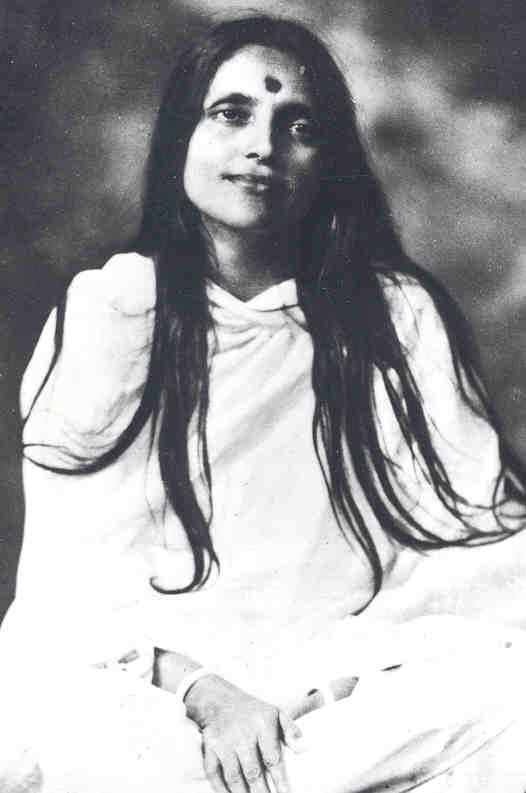
Anandamayi Ma
Совпадают в вопросах: Что такое Абсолют? Существует ли Бог? · Кто я? Существует ли истинное «я»? · Что происходит после смерти?
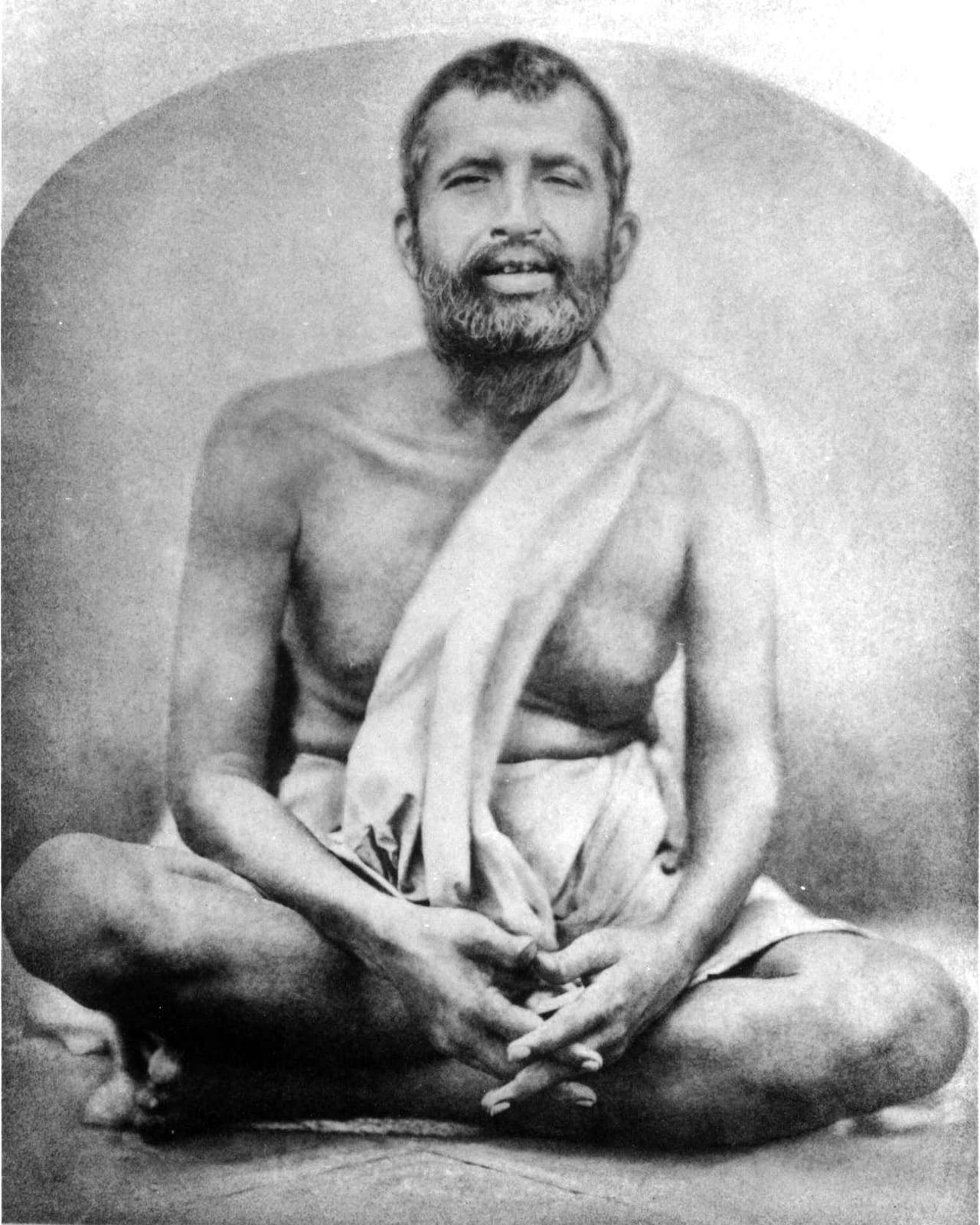
Ramakrishna
Совпадают в вопросах: Что такое Абсолют? Существует ли Бог? · Кто я? Существует ли истинное «я»? · Как достигается освобождение или спасение?
Attar
Совпадают в вопросах: Что такое Абсолют? Существует ли Бог? · Кто я? Существует ли истинное «я»? · Нужен ли учитель?
Ibn Arabi
Совпадают в вопросах: Что такое Абсолют? Существует ли Бог? · Кто я? Существует ли истинное «я»? · Реален ли мир?
Дальше всего от

Nikolai Berdyaev
Расходятся в вопросах: Кто я? Существует ли истинное «я»? · Нужен ли учитель?
Jiddu Krishnamurti
Расходятся в вопросах: Как достигается освобождение или спасение? · Нужен ли учитель?
Carl Gustav Jung
Расходятся в вопросах: Что такое Абсолют? Существует ли Бог? · Кто я? Существует ли истинное «я»? · Почему мы страдаем?

Seraphim of Sarov
Расходятся в вопросах: Кто я? Существует ли истинное «я»?
Предания и рассказы
Предания и рассказы
Житийное повествованиеrelato épico
Born on an island in the Yamunā
Происхождение рассказа: Mahābhārata, Ādiparvan, section LXIII of Ganguli's translation (and Satyavatī's account to Bhīṣma, section CV). It is epic legend with no verifiable historical basis.
Житийное повествованиеrelato épico
The grandfather of both sides
Происхождение рассказа: Mahābhārata, Ādiparvan, sections CV–CVI of Ganguli's translation. Sullivan sees in this episode a central piece in the construction of Vyāsa as an author figure.
Оспариваетсяrelato épico (interpolación)
Gaṇeśa the scribe
Происхождение рассказа: Ādiparvan, section I of Ganguli's translation (vulgate). Sukthankar's critical edition (1933) relegates it to appendix I of the Ādiparvan because it is missing from many manuscripts: it is regarded as an interpolation.
Источник: Sukthankar, Vishnu S. (ed.). The Mahābhārata for the First Time Critically Edited. Vol. 1: The Ādiparvan, with Prolegomena. Poona: Bhandarkar Oriental Research Institute, 1933 (edición crítica completa, 1919–1966).
Житийное повествованиеrelato épico
Sañjaya's divine sight
Происхождение рассказа: Mahābhārata, Bhīṣmaparvan, section II of Ganguli's translation (Jambū-khaṇḍa-nirmāṇa). Text checked.
Житийное повествованиеrelato épico
One night with the dead
Происхождение рассказа: Mahābhārata, Āśramavāsikaparvan, sections XXXI–XXXIII of Ganguli's translation. Text checked (section XXXII).
Житийное повествованиеrelato épico
Śuka's echo
Происхождение рассказа: Mahābhārata, Śāntiparvan (Mokṣadharma), sections CCCXXXIII–CCCXXXIV of Ganguli's translation. The Bhāgavata Purāṇa (1.2.2) preserves a version in which the trees answer.
Житийное повествованиеrelato purāṇico
Vyāsa's dissatisfaction
Происхождение рассказа: Bhāgavata Purāṇa, book I, chaps. 4–7. A self-presentation of the Purāṇa itself, composed according to scholarship around the ninth–tenth centuries; summary after Bryant's introduction (2003).
Источник: Bryant, Edwin F. (trad. e introd.). Krishna: The Beautiful Legend of God. Śrīmad Bhāgavata Purāṇa, Book X. Londres: Penguin, 2003. Introducción (el marco del Bhāgavata y su atribución a Vyāsa).
Учение
Учение
Понятия, на которых строится мысль учителя, объяснённые в их контексте.
Subtle dharma (sūkṣma dharma)dharma-sutil
Ethics of the Mahābhārata.
Источник: Hiltebeitel, Alf. Rethinking the Mahābhārata: A Reader's Guide to the Education of the Dharma King. Chicago: University of Chicago Press, 2001 (caps. 1–2, sobre Vyāsa como autor y la fecha de composición).
The fifth Veda (itihāsa)quinto-veda
The Mahābhārata's self-understanding (Ādiparvan, section LXIII).
Источник: Sullivan, Bruce M. Kṛṣṇa Dvaipāyana Vyāsa and the Mahābhārata: A New Interpretation. Leiden: Brill, 1990; reed. como Seer of the Fifth Veda: Kṛṣṇa Dvaipāyana Vyāsa in the Mahābhārata. Delhi: Motilal Banarsidass, 1999.
Vyāsa as a function: the twenty-eight Vyāsasvyasa-de-cada-era
Viṣṇu Purāṇa, part III, chaps. 3–4.
Action without desire for the fruit (niṣkāma karma)nishkama-karma
Bhagavad Gītā, cantos 2–5.
Guru Pūrṇimā (Vyāsa Pūrṇimā)guru-purnima
Hindu religious calendar.
Видео
Видео
Записи, интервью и документальные фильмы. Видео воспроизводятся с YouTube; здесь они не хранятся.
Understanding the Mahabharata
Лекция· EN· 2021· 79 min
Oxford Centre for Hindu StudiesОфициальный канал
Mahābhārata - History or Mythology? | Prof. Robert P. Goldman
Лекция· EN· 2022· 92 min
Argumentative Indians
Dharma and Dharmas: The Moral and Ethical Legacies of the Mahābharata and Rāmāyaṇa
Лекция· EN· 2022· 109 min
Karwaan Heritage
The Geography of the Mahabharata
Лекция· EN· 2022· 67 min
Bhandarkar Oriental Research InstituteОфициальный канал
From Manuscripts to Masterpieces - Bhandarkar Institute's Mahabharata Publications
Документальный фильм· EN· 2023· 3 min
Bhandarkar Oriental Research InstituteОфициальный канал
Dr. Vishwa Adluri - Mahābhārata: The Principal Monument to Bhakti
Лекция· EN· 2018· 54 min
Indian Institute of World Culture - IIWCОфициальный канал
Wendy Doniger: Cutting the Red Cord of Vengeance — The Oresteia and the Mahabharata
Лекция· EN· 2021· 37 min
Einstein ForumОфициальный канал
Peter Brook on the making of his 1985 production of The Mahabharata
Интервью· EN· 2015· 3 min
Young VicОфициальный канал
Mahabharata: the Ancient Indian Epic
Документальный фильм· EN· 2021· 16 min
World History EncyclopediaОфициальный канал
Brahma Sutra with Shankara Bhashyam | Session 13 (Sutra 1.1.4) | Swami Tattwamayananda
Лекция· EN· 2026· 79 min
Vedanta Society of New YorkОфициальный канал
Bharat Ek Khoj | Episode-5 | Mahabharata, Part I
Документальный фильм· HI· 1988· 49 min
Prasar Bharati ArchivesОфициальный канал
Bharat Ek Khoj | Episode-6 | Mahabharata, Part II
Документальный фильм· HI· 1988· 43 min
Prasar Bharati ArchivesОфициальный канал
Juan Arnau. Bhagavad Gita. Tesoros de la Literatura India
Лекция· ES· 2020· 35 min
Casa de la India in SpainОфициальный канал
Diálogo entre Òscar Pujol y Agustín Pániker: «La Bhagavadgītā»
Лекция· ES· 2023· 76 min
Casa AsiaОфициальный канал
«La Bhagavadgītā», conferencia dictada por el Dr. Òscar Pujol
Лекция· ES· 2023· 90 min
RDenIndiaОфициальный канал
Галерея
Галерея
Изображения с проверенной лицензией. Каждое сохраняет своё авторство и атрибуцию.
Рукописи
Рукописи
Рукописные свидетельства и древние тексты, с указанием хранителя и условий доступа.
FA · Nastaʿlīq (persa) · Mahābhārata (s. IV a. C.–IV d. C.); traducción persa de la década de 1580
Razmnāma (traducción persa del Mahābhārata), copia ilustrada de 1598
- Сохранившийся список
- Copia ilustrada de 1598, hoy dispersa
- Хранитель
- Folios dispersos; uno en el Victoria and Albert Museum (Londres) y otro en el Dallas Museum of Art
- Оцифровка
- collections.vam.ac.uk/item/O112323/painting-the-…
Связи
Связи
Влияния, ученичество и близость взглядов. Документированная связь отличается от сходства, выявленного путём анализа.
Родственник
According to the Mahābhārata, Vyāsa is the son of Parāśara, grandson of Śakti and great-grandson of Vasiṣṭha. A textual, not historical, genealogy.
Документированная связь
Ученик
In the Bhāgavata Purāṇa, Nārada appears as Vyāsa's teacher and advises him to compose the Bhāgavata. A textual relation.
Документированная связь
Идеи, близкие к
The two 'authors' of the epics are at once characters in their works and names that authorise whole corpora; the Viṣṇu Purāṇa counts Vālmīki among the twenty-eight Vyāsas.
Сходство, выявленное путём анализа
Испытал влияние
Tradition ascribes to Vyāsa the commentary (Yogabhāṣya) on Patañjali's Yogasūtras; Maas maintains that both texts are by the same author.
Документированная связь
Повлиял на
Śaṅkara commented on the Brahmasūtras, which he ascribes to Bādarāyaṇa (identified with Vyāsa by tradition), and on the Bhagavad Gītā.
Документированная связь
Повлиял на
Rāmānuja
Rāmānuja founded his Vedānta on his commentary on the Brahmasūtras (Śrī Bhāṣya) and also commented on the Gītā.
Документированная связь
Идеи, близкие к
The traditional list of Advaita teachers places Gauḍapāda after Vyāsa and his son Śuka; it is a school genealogy, not historically documented.
Сходство, выявленное путём анализа
Повлиял на
In 1900 Vivekananda devoted a lecture to the Mahābhārata and commented on the Gītā on many occasions.
Документированная связь
Повлиял на
Yogananda wrote an extensive commentary on the Bhagavad Gītā, God Talks with Arjuna, published posthumously in 1995.
Документированная связь
Идеи, близкие к
Aurobindo made the Bhagavad Gītā one of the foundations of his integral yoga; the relation is one of reception of the work ascribed to Vyāsa.
Сходство, выявленное путём анализа
Идеи, близкие к
The Bhāgavata Purāṇa, ascribed to Vyāsa, was the central text of Caitanya's devotion and of the Gauḍīya school.
Сходство, выявленное путём анализа
Источники
Источники
Библиография и каталоги, использованные для этой статьи.
- Wikipedia (inglés), «Vyasa», sobre la Guru Pūrṇimā (Vyāsa Pūrṇimā), los cirañjīvin y los lugares de culto asociados.
- Wikidata, «Vyasa», QID Q330521 (sabio legendario, compilador de los Veda y autor del Mahābhārata; LCCN n79109341; GND 119017687; BnF 11928738t).
- Sullivan, Bruce M. Kṛṣṇa Dvaipāyana Vyāsa and the Mahābhārata: A New Interpretation. Leiden: Brill, 1990; reed. como Seer of the Fifth Veda: Kṛṣṇa Dvaipāyana Vyāsa in the Mahābhārata. Delhi: Motilal Banarsidass, 1999.
- Hiltebeitel, Alf. Rethinking the Mahābhārata: A Reader's Guide to the Education of the Dharma King. Chicago: University of Chicago Press, 2001 (caps. 1–2, sobre Vyāsa como autor y la fecha de composición).
- Fitzgerald, James L. (trad.). The Mahābhārata, vol. 7: Book 11, The Book of the Women; Book 12, The Book of Peace, Part One. Chicago: University of Chicago Press, 2004. Introducción.
- Brockington, John. The Sanskrit Epics. Leiden: Brill, 1998 (Handbuch der Orientalistik, 2. Abt., Bd. 12). Capítulos sobre el Mahābhārata.
- Sukthankar, Vishnu S. (ed.). The Mahābhārata for the First Time Critically Edited. Vol. 1: The Ādiparvan, with Prolegomena. Poona: Bhandarkar Oriental Research Institute, 1933 (edición crítica completa, 1919–1966).
- Ganguli, Kisari Mohan (trad.). The Mahabharata of Krishna-Dwaipayana Vyasa. Calcuta: Bharata Press (P. C. Roy), 1883–1896. Ādi Parva, secc. I, LXII, LXIII y CV–CVI; Bhishma Parva, secc. II; Asramavasika Parva, secc. XXXII; Svargarohanika Parva, secc. V. Project Gutenberg n.º 15474–15477.
- Telang, Kashinath Trimbak (trad.). The Bhagavadgîtâ, with the Sanatsugâtîya and the Anugîtâ. Oxford: Clarendon Press, 1882 (Sacred Books of the East 8).
- Arnold, Edwin (trad.). The Song Celestial; or, Bhagavad-Gîtâ (from the Mahâbhârata). Londres: Trübner, 1885. Project Gutenberg n.º 2388.
- Rocher, Ludo. The Purāṇas. Wiesbaden: Otto Harrassowitz, 1986 (A History of Indian Literature, vol. II, fasc. 3).
- Dutt, Manmatha Nath (trad.). A Prose English Translation of Vishnupuranam (Based on Professor H. H. Wilson's Translation). Calcuta, 1894. Parte III, secc. III–IV (los veintiocho Vyāsa y la división del Veda). Project Gutenberg n.º 66208.
- Nakamura, Hajime. A History of Early Vedānta Philosophy, Part One. Delhi: Motilal Banarsidass, 1983 (sobre Bādarāyaṇa y la fecha de los Brahmasūtra).
- Maas, Philipp A. «A Concise Historiography of Classical Yoga Philosophy». En Eli Franco (ed.), Periodization and Historiography of Indian Philosophy. Viena: Sammlung de Nobili, 2013, pp. 53–90.
- Woods, James Haughton (trad.). The Yoga-System of Patañjali … and the Comment, called Yoga-bhāshya, attributed to Veda-Vyāsa. Cambridge (Mass.): Harvard University Press, 1914 (Harvard Oriental Series 17).
- Bryant, Edwin F. (trad. e introd.). Krishna: The Beautiful Legend of God. Śrīmad Bhāgavata Purāṇa, Book X. Londres: Penguin, 2003. Introducción (el marco del Bhāgavata y su atribución a Vyāsa).
- Thibaut, George (trad.). The Vedânta-Sûtras with the Commentary by Śaṅkarâkârya. Part I. Oxford: Clarendon Press, 1890 (Sacred Books of the East 34). Introducción. Project Gutenberg n.º 16295.
- Vivekananda, Swami. «The Mahabharata», conferencia en Pasadena, 1 de febrero de 1900. The Complete Works of Swami Vivekananda, vol. 4 (Wikisource).
- Thibaut, George (trad.). The Vedânta-Sûtras with the Commentary by Râmânuja. Oxford: Clarendon Press, 1904 (Sacred Books of the East 48). Project Gutenberg n.º 7297.
- Paramahansa Yogananda. God Talks with Arjuna: The Bhagavad Gita. Royal Science of God-Realization. 2 vols. Los Ángeles: Self-Realization Fellowship, 1995.
- Wikipedia (inglés), «Bhagavad Gita», sección de traducciones (Charles Wilkins, The Bhagvat-Geeta, Londres, 1785).
- Victoria and Albert Museum, «The sage Vyasa with disciples observes his son Suka approaching them», pintura de Banwari para una copia del Razmnāma (traducción persa del Mahābhārata), 1598 (registro O112323).
- Правообладатель
- Textos sánscritos de dominio público. Traducciones con derechos propios: University of Chicago Press (van Buitenen, Fitzgerald), Penguin (Debroy, Smith, Patton, Bryant), Bantam (Miller), SUNY Press (Sargeant, Hariharānanda Āraṇya), Seuil (Biardeau), Kairós, Edaf (Barrio), Trotta (Consuelo Martín), Advaita Ashrama (Gambhirananda). Son de dominio público las de Ganguli (1883–1896), Telang (1882), Arnold (1885), Burnouf (1861), Schroeder (1912), Thibaut (1890–1904), Woods (1914) y Dutt (1894–1897).
Ожидает подтверждения
То, что в этой статье пока не удалось установить. Мы предпочитаем сказать об этом, а не заполнять пробел.
- Fechas: no hay nacimiento ni muerte; la línea de tiempo usa las fechas de los textos atribuidos. Las horquillas (Brockington, Hiltebeitel, Nakamura, Maas, Rocher) se resumen sin cita de página: precisarlas.
- Ediciones en español: solo se han verificado la adaptación de R. K. Narayan (Kairós) para el Mahābhārata y las Gītā de Edaf y Trotta. Buscar con ISBN la Bhagavadgītā de Òscar Pujol (Kairós) y ediciones españolas de los Purāṇa y de los Brahmasūtra distintas de Trotta; también ediciones en italiano, ruso e hindi (Gita Press).
- Obras atribuidas menores (Vyāsa Smṛti, Devī Bhāgavata, Adhyātma Rāmāyaṇa): falta fuente académica propia y ediciones con ISBN.
- Sala de lectura: falta la segunda parte de los Vedānta-Sūtras de Thibaut (SBE 38) en una fuente con texto; no se ha encontrado traducción española de dominio público de ninguna obra. Las páginas inglesas por libro del Mahābhārata en Wikisource son esbozos y no se han registrado.
- Manuscritos: identificar las signaturas de los folios del Razmnāma de 1598 (V&A, Dallas) y añadir el manuscrito de Jaipur (1584–1586).
- Vídeos: verificar el idioma de otras charlas en hindi de canales académicos (BORI) para equilibrar las lenguas.
Исследовано 2026-10-26