Индуизм · Бхакти · Ведическая традиция
Narada
नारद
Легендарная фигура
Божественный мудрец (деварши) индуистской традиции, вестник между богами и людьми, играющий на вине. Он появляется в «Ригведе», в «Айтарея-брахмане», в «Чхандогья-упанишаде» (диалог с Санаткумарой), в «Махабхарате», в «Рамаяне», где пересказывает Вальмики историю Рамы, и в пуранах, сделавших его образцом преданного. Ему приписывают «Нарада-бхакти-сутру» неясной средневековой датировки; «Нарада-смрити» — юридический трактат первых веков нашей эры (по Оливеллу, V–VI вв.), который критика относит к другому автору; а также «Нарада-пурану» и «Нарада-панчаратру».
- трудов
- 12трудов
- изданий
- 29изданий
- цитат
- 7цитат
- видео
- 13видео
- изображений
- 8изображений
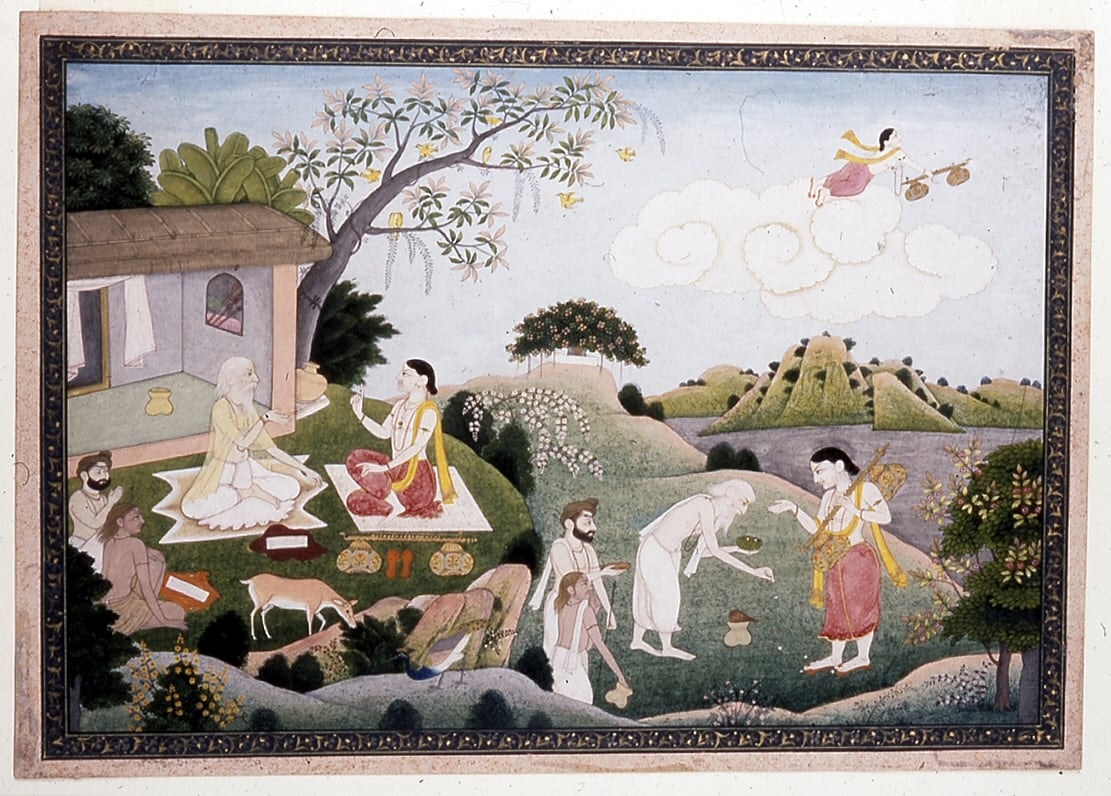
Nārada visita a Vālmīki · Public domain
Своими словами
«Sir, I am only a knower of mantras, not a knower of the Self.»Chāndogya Upaniṣad VII.1.3, palabras de Nārada a Sanatkumāra; sánscrito de Wikisource; traducciones del investigador.

Главная мысль
Parabhakti (supreme love): The Nārada Bhakti Sūtra defines devotion as “supreme love” (paramaprema) directed to God and immortal in nature.
В контексте
Биография
4 мин чтения
Перевод с испанского оригинала, выполненный с помощью ИИ; ожидает проверки носителем языка.
Вестник между мирами
Нарада — одна из самых вездесущих и вместе с тем неуловимых фигур санскритской литературы. Он появляется в ведийских гимнах, в упанишадах, в обоих эпосах и почти во всех пуранах, и всегда в движении: божественный мудрец (деварши), странствующий по трём мирам со своей виной, приносящий вести от богов к людям и от людей к богам, дающий советы царям, наставляющий поэтов и нередко разжигающий распри, которые в конце концов служат высшему замыслу. Исторической личностью ни в каком поддающемся проверке смысле он не является; это литературный и религиозный тип, который традиция обогащала на протяжении более чем двух тысячелетий и под чьим именем собрались сочинения самых разных эпох и жанров.
От ведийского гимна к упанишаде
Традиционные списки авторов «Ригведы» приписывают Нараде из рода Канвы гимн 8.13 и вместе с Парватой — гимны 9.104 и 9.105, посвящённые соме; это поздние атрибуции, которые нельзя читать как биографические сведения. В «Айтарея-брахмане» Нарада и Парвата живут в доме бездетного царя Харишчандры, и именно Нарада отвечает ему в десяти строфах о ценности сына и советует пообещать его Варуне: так начинается знаменитое сказание о Шунахшепе. А в «Чхандогья-упанишаде» (VII) он становится героем одного из прекраснейших диалогов всего корпуса: мудрец, овладевший всеми знаниями своего времени, приходит к Санаткумаре и признаётся, что знает лишь слова — «я знаток мантр, но не Атмана» — и что страдает; учитель ведёт его ступень за ступенью к бесконечному (бхуман), единственному, в чём есть счастье.
Советник эпоса
В «Махабхарате» Нарада — гость, который является ко двору Пандавов и подвергает Юдхиштхиру долгому опросу об искусстве правления — о казне, войске, советниках, правосудии, заботе о земледельцах, — прежде чем описать ему залы собраний богов; в «Шантипарве» он отправляется на Белый остров (Шветадвипу), чтобы узреть Нараяну, — это центральный эпизод «Нараянии» и теологии панчаратры. В «Бхагавад-гите» Кришна говорит, что среди божественных мудрецов он — Нарада. В «Рамаяне» именно Нарада, когда Вальмики спрашивает его о совершенном человеке своего времени, кратко пересказывает ему историю Рамы: по свидетельству самой поэмы, всё сказание рождается из этой беседы.
Бхакта пуран
Вайшнавские пураны сделали его образцом преданного. «Бхагавата-пурана» приписывает ему прежнюю жизнь в облике сына служанки, который, прислуживая аскетам, слушал их рассказы о Вишну и удостоился мимолётного видения бога; родившись вновь сыном Брахмы, он странствует по вселенной, воспевая божественные имена. Это он находит Вьясу удручённым после создания «Махабхараты» и советует ему воспеть славу Кришны — таково традиционное происхождение самой «Бхагаваты»; он наставляет Прахладу ещё во чреве матери и направляет мальчика Дхруву на путь подвижничества. Но те же тексты сохраняют и образ гордого Нарады, которого одурачивает иллюзия (майя) Вишну, а народное воображение изобразило его назойливым мудрецом, сеющим раздоры между богами и царями. Двойственность входит в саму природу персонажа.
Афоризмы божественной любви
Самое читаемое сочинение под его именем — «Нарада-бхакти-сутра», восемьдесят четыре афоризма о преданности. Она определяет бхакти как высшую любовь к Богу, приводит определения Парашарьи, Гарги и Шандильи, прежде чем дать собственное — посвящать Богу все свои действия и испытывать крайнюю тоску, забывая о Нём, — ставит в пример пастушек (гопи) Враджи, утверждает, что преданность выше действия, знания и йоги, ибо она сама есть свой плод, и объявляет её невыразимой, как вкус для немого. Время её создания неизвестно: зависимость от культа Кришны относит её к Средневековью, и Гэвин Флад считает её, возможно, текстом XII века. Рамакришна советовал преданность, которой учил Нарада, как путь, присущий нынешней эпохе, а Вивекананда в годы жизни в Соединённых Штатах вольно перевёл этот текст.
Одно имя для многих книг
Под его авторитетом собрались тексты самой разной природы. «Нарада-смрити» — самый юридический из трактатов о дхарме: оставляя в стороне обряды и покаяния, она занимается только судопроизводством и восемнадцатью основаниями тяжб — долгами, вкладами, договорами, наследством, оскорблениями. Её датировка у разных авторов колеблется между первыми веками нашей эры и V–VI веками, которые предлагает Оливелл, и критика приписывает её не мудрецу эпоса, а законоведу, укрывшемуся за его именем. «Нарада-пурана» (или «Нарадия») и её малая версия, «Брихан-нарадия», обязаны своим названием тому, что Нарада выступает в них собеседником; «Нарадия-шикша» посвящена фонетике и музыке самаведийского пения; «Сангита-макаранда» — музыке; а так называемая «Нарада-панчаратра» представляет собой позднюю религиозную компиляцию, которую Отто Шрадер не причислял к древним панчаратрским самхитам.
Первый музыкант
В индийском воображении Нарада прежде всего музыкант богов: седобородый мудрец, который бродит с виной — в традиции её называют Махати — и поёт имя Нараяны. Традиция приписывает ему изобретение этого инструмента, и его имя стоит во главе трактатов по теории музыки. Иконография — могольские и раджпутские миниатюры, живопись Кангры, куклы яванского ваянга, где Батара Нарада служит советником богов, — показывает, как далеко странствовал вестник. Его рождение (Нарада-джаянти) отмечают в месяце джьештха, а индийская пресса порой с юмором называет его первым журналистом.
Авторитет в пути
У Нарады нет биографии, потому что его назначение — быть проездом. Всюду, где истории нужна весть, совет или толчок, появляется он. Традиция превратила эту подвижность в образ преданной души, что не оседает ни в одном мире и поёт во всех; критика видит в ней след персонажа, созданного многими руками на протяжении веков. Между этими двумя прочтениями остаётся черта, которая роднит его с великими легендарными учителями Индии: его авторитет заключён в том, что ему приписывают, а не в том, что он, как можно доказать, совершил.
Источники: Vivekananda, Swami. «Narada-Bhakti-Sutras (a free translation dictated by Swamiji in America)», en The Complete Works of Swami Vivekananda, vol. 6 (Notes of Class Talks and Lectures). Texto en Wikisource. · Sturdy, E. T. (trad.). Nârada Sûtra: An Inquiry into Love (Bhakti-jijnâsâ). Londres: Longmans, Green & Co., 1896. · Sinha, Nandalal (trad.). The Bhakti Sûtras of Nârada. Allahabad: Pāṇini Office (Sacred Books of the Hindus 7, parte 1); ejemplar digitalizado fechado en 1917. · Jolly, Julius (trad.). The Minor Law-Books, parte I: Nârada, Brihaspati. Oxford: Clarendon Press, 1889 (Sacred Books of the East 33). Introducción sobre la Nāradasmṛti. · Lariviere, Richard W. (ed. y trad.). The Nāradasmṛti. 2 partes. Filadelfia: Department of South Asia Regional Studies, University of Pennsylvania, 1989 (University of Pennsylvania Studies on South Asia 4–5); reimpr. Delhi: Motilal Banarsidass, 2003 (ISBN 9788120818040).
Хронология
Жизнь год за годом
Каждая точка — документированное событие. Нажмите, чтобы прочитать о нём, с источником и степенью достоверности.
X век до н. э.
Nārada in the lists of Ṛgvedic poets
The Anukramaṇī ascribes hymn 8.13 to Nārada Kāṇva and, with Parvata, hymns 9.104 and 9.105. A traditional ascription later than the hymns themselves.
ПреданиеJamison, Stephanie W. y Joel P. Brereton (trads.). The Rigveda: The Earliest Religious Poetry of India. 3 vols. Nueva York: Oxford University Press, 2014. Introducciones a RV 8.13 y 9.104–105.
X век до н. э.
Nārada in the lists of Ṛgvedic poets
The Anukramaṇī ascribes hymn 8.13 to Nārada Kāṇva and, with Parvata, hymns 9.104 and 9.105. A traditional ascription later than the hymns themselves.
Предание
ок. 700 до н. э.
Counsellor of Hariścandra (Aitareya Brāhmaṇa)
In the story of Śunaḥśepa (AB VII.13–14), Nārada answers King Hariścandra in ten stanzas on the worth of a son and advises him to ask Varuṇa for one. The text’s date is approximate (late Vedic period).
Предание
VI век до н. э.
Nārada before Sanatkumāra (Chāndogya Upaniṣad VII)
A dialogue in which Nārada, master of all learning, confesses that he knows only words and is led to the infinite (bhūman). The Upaniṣad’s date is approximate.
Предание
ок. 200 до н. э. – 400
The sage of the epic
The Mahābhārata presents him as Yudhiṣṭhira’s counsellor (Sabhāparvan 5) and the seer of Nārāyaṇa in Śvetadvīpa (Nārāyaṇīya); the Rāmāyaṇa, as the one who tells Vālmīki the story of Rāma. The epics took shape between c. 300 BCE and 400 CE.
Вероятно
ок. 500
The Nārada Smṛti
A legal treatise devoted to procedure and the eighteen titles of litigation. Olivelle places it around the 5th–6th centuries; other scholars, in the first centuries CE. Scholars do not ascribe it to the sage of the epic.
Оспаривается
ок. 850
The Bṛhannāradīya Purāṇa
Hazra dates this upapurāṇa centred on devotion to Viṣṇu to around the 9th century; the major Nāradīya would be later, with parts earlier than the 11th century.
Оспаривается
ок. 900
Teacher of Vyāsa in the Bhāgavata Purāṇa
The Bhāgavata (I.4–6) gives him a previous life as the son of a maidservant and shows him advising Vyāsa to sing the glories of Kṛṣṇa. The Purāṇa’s date is debated (c. 9th–10th centuries).
Оспаривается
XII век
The Nārada Bhakti Sūtra
Composition of the 84 aphorisms on devotion ascribed to Nārada. Uncertain date; Flood considers it possibly twelfth-century.
Оспаривается
1865
Edition of the Nārada Pañcarātra
K. M. Banerjea publishes in Calcutta, in the Bibliotheca Indica, the Sanskrit text of the Jñānāmṛtasāra, known as the Nārada Pañcarātra.
Документировано
1889
Jolly translates the Nārada Smṛti
Julius Jolly publishes the English translation in the Sacred Books of the East (vol. 33).
Документировано
1896
First English translation of the Bhakti Sūtra
E. T. Sturdy publishes in London “Nârada Sûtra: An Inquiry into Love”.
Документировано
1989
Critical edition of the Nārada Smṛti
Richard W. Lariviere publishes the critical edition and annotated translation in Philadelphia.
Документировано
Труды
Главные труды
Труды, без которых не понять это наследие.
Традиционная атрибуция · ок. 1150
Nārada Bhakti Sūtra (Nārada’s Aphorisms on Devotion)
नारदभक्तिसूत्र
Eighty-four aphorisms defining devotion (bhakti) as supreme love for God, immortal in nature. After quoting the definitions of Pārāśarya (worship), Garga (sacred stories) and Śāṇḍilya (delight in the Self), it gives Nārada’s own: to consecrate every act to God and to feel extreme anguish at forgetting Him, like the gopīs of Vraja. It holds that bhakti is superior to action, knowledge and yoga because it is its own fruit; teaches its means —renunciation, ceaseless worship, hearing and singing the divine qualities and, above all, the grace of great souls—; declares it ineffable, “like taste for a mute”; distinguishes secondary from supreme devotion and lists eleven forms of attachment to God.
12 изданий

Традиционная атрибуция · ок. 500
Nārada Smṛti (Nārada’s Treatise on Law)
नारदस्मृति
The only treatise on dharma devoted entirely to procedural and substantive law, without rules on rites or penances. After an introduction on procedure (the plaint, the answer, evidence, witnesses, documents and ordeals), it sets out the eighteen titles of litigation: debts, deposits, partnerships, resumption of gifts, service, wages, sale without ownership, non-delivery and rescission of purchase, conventions, boundary disputes, relations between husband and wife, inheritance, violence, verbal and physical assault, gambling and betting, and miscellaneous cases. It survives in two recensions; the shorter was commented on by Asahāya and revised by Kalyāṇabhaṭṭa.
6 изданий
Narada
Nārada Purāṇa (Nāradīya Purāṇa)
Позднейший сборник · ок. 1000
Nārada Purāṇa (Nāradīya Purāṇa)
नारदपुराण (नारदीयपुराण)
A Vaiṣṇava Purāṇa in two parts: the first (125 chapters, in four sections) deals with devotion to Viṣṇu, the duties of classes and stages of life, rites and vows and the auxiliary sciences of the Veda, and devotes a chapter to summarising each of the eighteen major Purāṇas, which makes it a valuable document for their history; the second (82 chapters) includes the story of King Rukmāṅgada and long glorifications of pilgrimage places along the Ganges. It is distinguished from the shorter Bṛhannāradīya.
3 издания
Все труды (12)
Narada
Bṛhannāradīya Purāṇa
The Conscious LibraryBṛhannāradīya Purāṇa
850
Narada
Nārada Pañcarātra (Jñānāmṛtasāra Saṃhitā)
The Conscious LibraryNārada Pañcarātra (Jñānāmṛtasāra Saṃhitā)
Narada
Nāradīya Śikṣā
The Conscious LibraryNāradīya Śikṣā
Narada
Saṅgītamakaranda
The Conscious LibrarySaṅgītamakaranda
Narada
Ṛgvedic hymns ascribed to Nārada (8.13; 9.104–105)
The Conscious LibraryṚgvedic hymns ascribed to Nārada (8.13; 9.104–105)
1000
Narada
Nārada’s stanzas on the son (Aitareya Brāhmaṇa VII.13)
The Conscious LibraryNārada’s stanzas on the son (Aitareya Brāhmaṇa VII.13)
700
Narada
Nārada’s abridged Rāmāyaṇa (Rāmāyaṇa I.1)
The Conscious LibraryNārada’s abridged Rāmāyaṇa (Rāmāyaṇa I.1)
100
Narada
Nārada’s questionnaire on government (Mahābhārata, Sabhāparvan 5)
The Conscious LibraryNārada’s questionnaire on government (Mahābhārata, Sabhāparvan 5)
Narada
Nāradaparivrājaka Upaniṣad
The Conscious LibraryNāradaparivrājaka Upaniṣad
Изречения
Изречения, найденные в конкретном труде. Каждое сопровождается указанием происхождения и степени надёжности.
Sir, I am only a knower of mantras, not a knower of the Self.so 'haṃ bhagavo mantravid evāsmi nātmavit
ПровереноChāndogya Upaniṣad VII.1.3, palabras de Nārada a Sanatkumāra; sánscrito de Wikisource; traducciones del investigador.
Апокрифические изречения и изречения спорной атрибуции (1)
«“The best path to union with God is to follow the way of divine love as taught by Narada.”»
It circulates attributed to Ramakrishna without a specific reference. What is documented in the 1911 English Gospel is the idea —the devotion taught by Nārada is the path suited to this age—, not this literal sentence.
Последние слова
Проверяемых записей о последних словах не существует.
Nārada is a mythical figure to whom tradition ascribes no death: the texts present him as a divine sage who travels the worlds in every age. There are no last words to record.
Спросить
На что отвечают эти труды
Двенадцать великих вопросов человечества и то, что позволяют на них ответить эти тексты, со ссылками. Мы никогда не вкладываем слова в чужие уста.
Что такое Абсолют? Существует ли Бог?
God is the beloved Lord to whom every act is consecrated
Личный БогСказано прямо
The Nārada Bhakti Sūtra does not discuss God's existence: it takes it for granted and deals with how to love him. It defines devotion as supreme love directed to him (sūtra 2) and its sign as the surrender of all acts to the Lord and extreme anguish at the slightest forgetting (sūtra 19). This God is personal: he has qualities that are heard and sung (sūtra 37), he grants grace (sūtra 40) and he can be loved as master, friend, child or lover (sūtra 82). The model it proposes is the cowherd women of Vraja, in love with Kṛṣṇa (sūtra 21). The text does not deny ultimate unity, for it goes so far as to say that between God and his own there is no difference (sūtra 41), but the Absolute is reached here as a relationship of love, not as an abstract principle.
Сравнить этот вопрос с другими учителямиКто я? Существует ли истинное «я»?
He does not theorise the self: he describes how love of God transforms it
Не высказывался
The Nārada Bhakti Sūtra does not ask what the self is: its subject is devotion. It does describe what happens to one who attains it: he becomes perfect, immortal and satisfied (sūtra 4), ceases to desire, to grieve and to hate, and becomes intoxicated, still and delighting in himself (sūtra 6). The question appears more clearly elsewhere in the tradition, in the Chāndogya Upaniṣad, where Nārada is the disciple who confesses to Sanatkumāra that he knows the mantras but not the Self, and learns that the infinite is the ātman, the only source of happiness. But that passage presents him as a pupil, not as a teacher, and cannot be taken as his doctrine.
Сравнить этот вопрос с другими учителямиПочему мы страдаем?
Forgetting God hurts, and bad company multiplies the passions
Отделённость от БогаСледует из учения
The Nārada Bhakti Sūtra offers no theory of suffering, but one can be deduced from its doctrine. The sign of true love is to feel extreme anguish at the slightest forgetting of God (sūtra 19), and full devotion is described as a state in which one no longer desires, grieves or hates (sūtra 5): ordinary pain thus comes from living turned towards something else. The text also points to its mechanism: bad company arouses desire, anger, confusion, forgetfulness of the goal, loss of judgement and ruin; the passions, which at first are ripples, become an ocean (sūtras 43–45). In the Chāndogya Upaniṣad, Nārada comes to his teacher in sorrow and learns that there is no happiness in the small.
Сравнить этот вопрос с другими учителямиЧто происходит после смерти?
The sūtra promises the immortality of love; it does not describe the beyond
Не высказывался
The Nārada Bhakti Sūtra is not concerned with what happens after death. It says that devotion is immortal in nature (sūtra 3) and that one who attains it becomes perfect, immortal and satisfied (sūtra 4), but it does not clarify whether that immortality is a state of the soul after death, a life in God's presence, or the fullness that love already gives in this life, which is what the context suggests. Nor does it discuss rebirth, which the culture of its time took for granted. The Vaiṣṇava traditions that read it place the devotee, after death, in God's world and at his service; the Purāṇic stories about Nārada himself, who remembers a previous life, belong to legend, not to the sūtra.
Сравнить этот вопрос с другими учителямиКак достигается освобождение или спасение?
Devotion surpasses action, knowledge and yoga: it is its own fruit
Через преданность и предание себяСказано прямо
The Nārada Bhakti Sūtra places devotion above the other paths: it is greater than action, knowledge and yoga (sūtra 25), because it is not a means to anything else but its own fruit (sūtras 26 and 30). It reviews the opinions of other teachers —that knowledge is its means, or that the two support each other— and concludes that devotion needs no other foundation. Its means are renunciation of objects and of company, unbroken worship and the hearing and singing of God's qualities (sūtras 35–37), but the principal one is the grace of great souls or a drop of divine grace (sūtra 38). The goal is neither a knowledge nor an absorption but love itself, which leaves the devotee satisfied and immortal.
Сравнить этот вопрос с другими учителямиНужен ли учитель?
The principal means is the company of great souls; flee bad company
Община и традицияСказано прямо
The Nārada Bhakti Sūtra speaks not of an individual guru but of the company of saints. It declares that the principal means of attaining devotion is the grace of great souls or a drop of divine grace (sūtra 38); that company is hard to obtain, unattainable by one's own effort and unfailing in its effects (sūtra 39), and is gained only by God's grace, since between him and his own there is no difference (sūtras 40–41). Hence the exhortation: seek that, seek that alone (sūtra 42). The reverse is equally sharp: bad company must always be avoided (sūtra 43). The text closes by invoking a long series of teachers of devotion, from the Kumāras and Vyāsa to Hanumān (sūtra 83), as guarantors of the tradition.
Сравнить этот вопрос с другими учителямиРеален ли мир?
The world is not denied: it is offered to God with all it contains
Проявление божественногоСледует из учения
The Nārada Bhakti Sūtra has no cosmology, but neither does it treat the world as an illusion to escape from. It asks the devotee not to be troubled by worldly losses, since he has surrendered to God his own self, the world and the Veda (sūtra 61), and specifies that, once devotion is attained, activity in the world is not to be abandoned, but its fruit renounced (sūtra 62). The world is thus the field in which love is exercised and consecrated. The Purāṇic literature associated with Nārada and the Vaiṣṇava theology in which the sūtra is read complete the picture: the universe is the Lord's work and manifestation, real and dependent on him, and not an appearance superimposed on an impersonal absolute.
Сравнить этот вопрос с другими учителямиЧто такое любовь?
Intense love for God, inexpressible like taste for a mute
Тоска и соединениеСказано прямо
Love is the whole subject of the Nārada Bhakti Sūtra. It defines it as supreme love for God (sūtra 2), immortal in nature, and says it begins when all thoughts, words and deeds are surrendered to the Lord and the slightest forgetting brings extreme anguish (sūtra 19). Its nature is inexpressible: as the mute cannot say what he tastes, but his gestures betray it (sūtras 51–52). The model is the cowherd women of Vraja, who loved Kṛṣṇa without forgetting his greatness (sūtras 21–24). That love, though one, takes eleven forms, from servanthood and friendship to the love of a lover and the supreme pain of separation (sūtra 82). And it knows no human boundaries: among those who love thus there is no distinction of caste, learning, form or wealth (sūtra 72).
Сравнить этот вопрос с другими учителямиСвободны ли мы или всё предопределено?
Keep acting, renounce the fruit and surrender everything to God
Карма и выборСледует из учения
The Nārada Bhakti Sūtra does not pose the problem of determinism, but a position can be deduced from its counsels. The devotee goes on acting: once devotion is attained, activity in the world is not to be abandoned, but its fruit renounced (sūtra 62), and even once conviction is firm the rules of scripture must be respected (sūtras 12–13). What is decisive is a sustained choice: to consecrate all acts to God (sūtra 19) and to direct towards him even desire, anger and pride (sūtra 65). At the same time, the principal means does not depend on one's own effort: it is the grace of great souls or of God (sūtras 38–40). Human freedom is real, but its highest use is to surrender to another.
Сравнить этот вопрос с другими учителямиЗачем медитировать или молиться?
Remembering unceasingly, hearing and singing the Beloved's qualities
Дружба с БогомСледует из учения
For the Nārada Bhakti Sūtra spiritual practice is a form of loving intercourse with God. Its means are unbroken worship (sūtra 36) and, even amid ordinary life, the hearing and singing of the Lord's qualities (sūtra 37). The mark of true love is constant remembrance: consecrating all acts to him and suffering at the slightest forgetting (sūtra 19). The relationship can take eleven forms, from service to friendship, filial affection, the love of a lover and total absorption (sūtra 82), and the devotee who surrenders thus does not do so to obtain anything: devotion is its own fruit. To pray is neither to ask nor to train, but to keep alive a personal relationship that fills the whole of existence.
Сравнить этот вопрос с другими учителямиМожет ли разум познать предельное?
One must not enter into disputes: love is not explained, it is tasted
Предельное лежит за пределами умаСказано прямо
The Nārada Bhakti Sūtra relativises discursive knowledge in two ways. First, it places devotion above knowledge (sūtra 25) and, against those who hold that knowledge is its means, affirms that it is its own fruit (sūtras 28–30), like a king or a banquet, which are enjoyed not by knowing about them but by having them (sūtras 31–32). Second, it advises against dispute: one should not resort to argument, because it leads to excess and has no end (sūtras 74–75). The nature of love is inexpressible, like taste for a mute (sūtras 51–52). Study is not excluded —the texts that nourish devotion are recommended (sūtra 76)— but the ultimate is known by loving.
Сравнить этот вопрос с другими учителямиУйти от мира или преобразить его?
Not abandoning life in the world: renouncing the fruit and offering everything
Созерцание в действииСказано прямо
The Nārada Bhakti Sūtra expressly rejects withdrawal as a condition of devotion. Once devotion is attained, activity in the world is not to be abandoned, but its fruit renounced, and the means that sustain it are to be kept up (sūtra 62); the devotee should not be troubled by worldly losses, since he has surrendered to God his self, the world and the Veda (sūtra 61). What it asks is to transform motivation: to direct towards God even desire, anger and pride (sūtra 65). Ordinary life thus becomes the place of love. The renunciation the sūtra does demand is of bad company and of talk about women, wealth, unbelievers and enemies (sūtras 43 and 63).
Сравнить этот вопрос с другими учителями
Созвучия и противоречия
Созвучия и противоречия
Рассчитаны вопрос за вопросом на основе позиций. Причина каждого совпадения или расхождения — по нажатию.
Ближе всего к

Rabia al-Adawiyya
Совпадают в вопросах: Что такое Абсолют? Существует ли Бог? · Почему мы страдаем? · Как достигается освобождение или спасение?
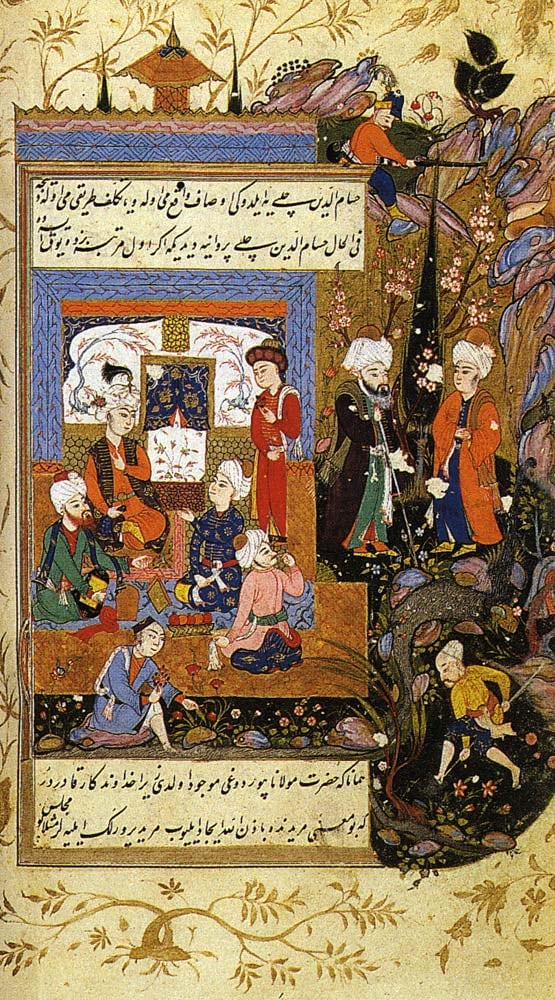
Rumi
Совпадают в вопросах: Что такое Абсолют? Существует ли Бог? · Почему мы страдаем? · Как достигается освобождение или спасение?

Chaitanya Mahaprabhu
Совпадают в вопросах: Что такое Абсолют? Существует ли Бог? · Почему мы страдаем? · Как достигается освобождение или спасение?
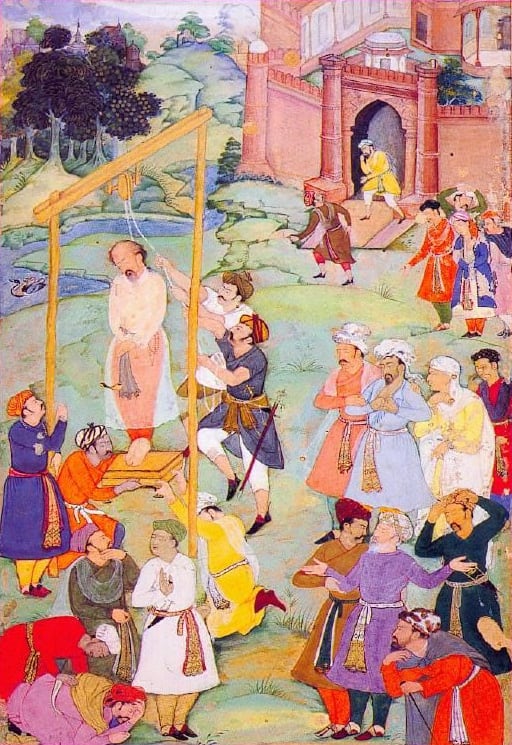
Al-Hallaj
Совпадают в вопросах: Что такое Абсолют? Существует ли Бог? · Почему мы страдаем? · Как достигается освобождение или спасение?
Дальше всего от
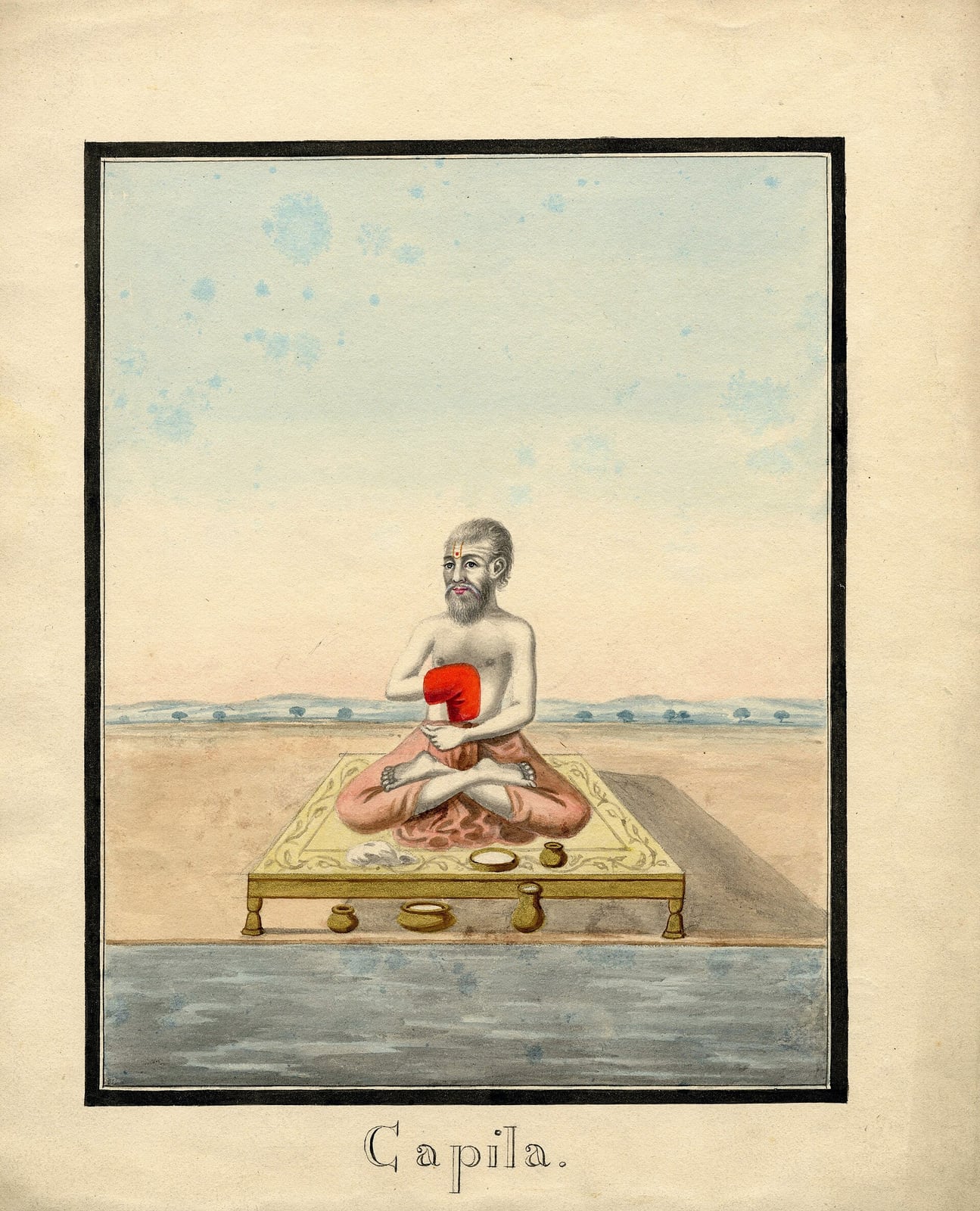
Kapila
Расходятся в вопросах: Что такое Абсолют? Существует ли Бог?
Jiddu Krishnamurti
Расходятся в вопросах: Как достигается освобождение или спасение?
Gaudapada
Расходятся в вопросах: Что такое Абсолют? Существует ли Бог? · Почему мы страдаем? · Как достигается освобождение или спасение?
Carl Gustav Jung
Расходятся в вопросах: Что такое Абсолют? Существует ли Бог? · Почему мы страдаем? · Как достигается освобождение или спасение?
Предания и рассказы
Предания и рассказы
Устная традицияperiodo upaniṣádico
“I know mantras, not the Self”
Происхождение рассказа: Chāndogya Upaniṣad VII.1–26, checked against the Sanskrit on Wikisource. A didactic dialogue in an early Upaniṣad; not a historical event but a teaching in narrative form. The translations of the sentences quoted are the researcher’s.
Устная традицияperiodo védico tardío
The childless king and the promise to Varuṇa
Происхождение рассказа: Aitareya Brāhmaṇa VII.13–18, checked in Martin Haug’s translation (1863; repr. 1922). The story was recited at the royal consecration (rājasūya). A ritual text, not a chronicle.
Житийное повествованиеtiempo legendario
Vālmīki asks about the perfect man
Происхождение рассказа: Rāmāyaṇa, Bālakāṇḍa, sargas 1–2 (critical ed.; trans. Robert P. Goldman, 1984). The first two sargas belong to the layers of the poem considered later; the story is an aetiology of poetry, not a historical event.
Источник: Goldman, Robert P. (trad.). The Rāmāyaṇa of Vālmīki: An Epic of Ancient India, vol. I: Bālakāṇḍa. Princeton: Princeton University Press, 1984. Sarga 1–2 (Nārada narra a Vālmīki la historia de Rāma).
Житийное повествованиеtiempo mítico
The son of the maidservant
Происхождение рассказа: Bhāgavata Purāṇa I.4–6, a devotional text of debated date (c. 9th–10th centuries), checked in Burnouf’s French translation (1840). The scene works as a foundation story for the Bhāgavata itself.
Житийное повествованиеtiempo mítico
Kubera’s sons turned into trees
Происхождение рассказа: Bhāgavata Purāṇa X.10 (Sanskrit on Wikisource), taken up in Kṛṣṇaite iconography as the episode of the yamalārjuna trees. A devotional story with no historical basis.
Устная традицияtiempo mítico
The water Viṣṇu asked for
Происхождение рассказа: A Purāṇic story with many variants: in the Devī-Bhāgavata Purāṇa (book VI) Nārada is turned into a woman by bathing in a pond; the version with the village and the flood is the one popularised by Heinrich Zimmer (1946), who drew it from Purāṇic sources. Details (twelve years, half an hour) vary between versions; Zimmer’s is followed here.
Источник: Zimmer, Heinrich. Myths and Symbols in Indian Art and Civilization, ed. Joseph Campbell. Nueva York: Pantheon Books, 1946 (Bollingen Series VI). Capítulo I, relato de Nārada y la māyā de Viṣṇu.
Оспариваетсяtradición medieval y moderna
The highwayman who became a poet
Происхождение рассказа: The highwayman legend is later than the Rāmāyaṇa. In the Adhyātma Rāmāyaṇa it is the seven sages (saptarṣi) who convert the highwayman; the figure of Nārada as initiator belongs to later popular versions. No ancient source supports it.
Учение
Учение
Понятия, на которых строится мысль учителя, объяснённые в их контексте.
Parabhakti (supreme love)para-bhakti
It is the central notion of the Vaiṣṇava theology of devotion, later developed by the schools of Rāmānuja, Madhva and Caitanya; the Nārada Bhakti Sūtra and the Śāṇḍilya Bhakti Sūtra are its two aphoristic manuals.
Источник: Wikisource en sánscrito: «नारदभक्तिसूत्रम्» (Nārada Bhakti Sūtra, 84 aforismos).
Bhūman (the infinite)bhuman
It is one of the Upaniṣadic texts most quoted by Vedānta; the Brahmasūtra (I.3.8–9) discuss whether bhūman denotes breath or Brahman.
Mahatsaṅga (the company of great souls)mahat-sanga
The value placed on the company of the saintly (satsaṅga) is a feature common to Hindu devotional movements, from the Bhāgavata to the medieval poet-saints.
Источник: Wikisource en sánscrito: «नारदभक्तिसूत्रम्» (Nārada Bhakti Sūtra, 84 aforismos).
The eleven forms of attachment to Godekadasha-asakti
The classification anticipates the theory of devotional sentiments (bhakti-rasa) systematised in the sixteenth century by Rūpa Gosvāmī, a disciple of Caitanya.
Источник: Wikisource en sánscrito: «नारदभक्तिसूत्रम्» (Nārada Bhakti Sūtra, 84 aforismos).
Vyavahāra (litigation and its eighteen titles)vyavahara
It is the only dharmaśāstra that entirely excludes ritual and penance; scholars ascribe it to a jurist distinct from the sage of the epic.
Источник: Lariviere, Richard W. (ed. y trad.). The Nāradasmṛti. 2 partes. Filadelfia: Department of South Asia Regional Studies, University of Pennsylvania, 1989 (University of Pennsylvania Studies on South Asia 4–5); reimpr. Delhi: Motilal Banarsidass, 2003 (ISBN 9788120818040).
Devarṣi (divine sage)devarshi
The category brings together a small group of figures in the Purāṇas; Nārada is the only one who became a recurring character throughout narrative literature.
Видео
Видео
Записи, интервью и документальные фильмы. Видео воспроизводятся с YouTube; здесь они не хранятся.
“Learning from the Sage Narada” | Swami Sarvapriyananda
Лекция· EN· 51 min
Ramakrishna Vedanta Society of North TexasОфициальный канал
Nārada Bhakti Sūtra 1/5 | Pravrajika Divyanandaprana
Лекция· EN· 82 min
Ramakrishna Vedanta Society of North TexasОфициальный канал
Narada Bhakti Sutra by Swami Mitrananda | Day 1 | Narada Jayanthi 2021
Лекция· EN· 43 min
Chinmaya Mission ChennaiОфициальный канал
Narada Bhakti Sutra | Day 1 | Swami Abhedananda
Лекция· EN· 57 min
Chinmaya Mission South AfricaОфициальный канал
The 3 Qualities Of Divine Love | Excerpts From Narad Bhakti Sutra Discourse By Gurudev
Лекция· EN· 9 min
Gurudev Sri Sri Ravi ShankarОфициальный канал
2. Narada Bhakti Sutras || Swami Ishadhyanananda
Смотреть на YouTube
Это видео нельзя встроить; оно откроется на YouTube.
2. Narada Bhakti Sutras || Swami Ishadhyanananda
Лекция· EN· 71 min
Vedanta Society of SacramentoОфициальный канал
भक्त को संसार में कैसे जीना चाहिए? नारद भक्ति दर्शन - 21/37 (1990)
Лекция· HI· 20 min
Jagadguru Shri Kripalu Ji Maharaj - OfficialОфициальный канал
Narada Bhakti Sutram - 84 Sutrams - Recited by Smt. Vidhya Ramesh
Запись третьих лиц· SA· 12 min
Nivedita R
Swami Brahmarupananda - True Happiness, Sanatkumara’s instruction to Narada in the Chandogya Upanishad
Лекция· EN· 80 min
Ramakrishna Vedanta Society of North Carolina (Vedanta NC)Официальный канал
Dialogue between Narada and Sanatkumar. Chandogya Upanishad Chapter 7. - Prof. Rambachan
Лекция· EN· 75 min
Discourse on Hinduism
Sarga 1.1 - HOW did Narada DESCRIBE Shri Rama to Sage Valmiki! - #ValmikiRamayanam
Разбор· EN· 28 min
The Sanskrit Channel
Understanding the Dharma Shastras: A Conversation with Dr. Patrick Olivelle and Dr. Donald Davis
Интервью· EN· 113 min
Meru Media
EPISODIO 5: EL PASADO DE UN SABIO - La historia de Narada Muni
Запись третьих лиц· ES· 11 min
Historias del Srimad Bhagavatam
Галерея
Галерея
Изображения с проверенной лицензией. Каждое сохраняет своё авторство и атрибуцию.
Связи
Связи
Влияния, ученичество и близость взглядов. Документированная связь отличается от сходства, выявленного путём анализа.
Учитель
According to the Bhāgavata Purāṇa (I.4–6), Nārada advises Vyāsa, dissatisfied after composing the Mahābhārata, to sing the glories of Kṛṣṇa; the Bhagavad Gītā (10.13) names them together among those who proclaimed God. A narrative relation within the tradition.
Документированная связь
Повлиял на
In the first sarga of the Rāmāyaṇa, Nārada tells Vālmīki the story of Rāma, the kernel from which the poem arises. The later legend making Nārada the initiator of the highwayman Ratnākara does not come from the Rāmāyaṇa.
Документированная связь
Повлиял на
Vivekananda dictated in the United States a free translation of the Nārada Bhakti Sūtra, included in volume 6 of his complete works.
Документированная связь
Повлиял на
Ramakrishna recommended the devotion “of the Rishi Narada” as the path suited to the present age, according to the 1911 English edition of the Gospel.
Документированная связь
Идеи, близкие к
The Bhagavad Gītā (10.26) names in the same verse Nārada, foremost of divine sages, and Kapila, foremost of the perfected; the Mahābhārata presents Nārada as versed in Sāṃkhya.
Сходство, выявленное путём анализа
Идеи, близкие к
The Chāndogya Upaniṣad brings together, in consecutive chapters, Uddālaka’s teaching to Śvetaketu (VI) and Sanatkumāra’s to Nārada (VII): two paths to knowledge of the Self.
Сходство, выявленное путём анализа
Идеи, близкие к
The Nārada Smṛti and the Yājñavalkya Smṛti are the two great dharmaśāstras after Manu; Olivelle places Nārada’s after Yājñavalkya’s and regards it as the most specialised in law.
Сходство, выявленное путём анализа
Идеи, близкие к
Caitanya’s Gauḍīya school inherits the theology of devotion of the Bhāgavata, where Nārada is Vyāsa’s teacher, and its authors quote definitions of bhakti under the name Nārada Pañcarātra.
Сходство, выявленное путём анализа
Идеи, близкие к
Mīrābāī’s love for Kṛṣṇa, with its pain of separation, corresponds to the forms of attachment that the Nārada Bhakti Sūtra (82) recognises as full devotion, following the model of the gopīs.
Сходство, выявленное путём анализа
Упоминается в других статьях
Источники
Источники
Библиография и каталоги, использованные для этой статьи.
- Wikidata, «Narada» (santo de la clase celestial), QID Q844066; GND 118818422; VIAF 193295452.
- Wikisource en sánscrito: «नारदभक्तिसूत्रम्» (Nārada Bhakti Sūtra, 84 aforismos).
- Vivekananda, Swami. «Narada-Bhakti-Sutras (a free translation dictated by Swamiji in America)», en The Complete Works of Swami Vivekananda, vol. 6 (Notes of Class Talks and Lectures). Texto en Wikisource.
- Sturdy, E. T. (trad.). Nârada Sûtra: An Inquiry into Love (Bhakti-jijnâsâ). Londres: Longmans, Green & Co., 1896.
- Sinha, Nandalal (trad.). The Bhakti Sûtras of Nârada. Allahabad: Pāṇini Office (Sacred Books of the Hindus 7, parte 1); ejemplar digitalizado fechado en 1917.
- Jolly, Julius (trad.). The Minor Law-Books, parte I: Nârada, Brihaspati. Oxford: Clarendon Press, 1889 (Sacred Books of the East 33). Introducción sobre la Nāradasmṛti.
- Lariviere, Richard W. (ed. y trad.). The Nāradasmṛti. 2 partes. Filadelfia: Department of South Asia Regional Studies, University of Pennsylvania, 1989 (University of Pennsylvania Studies on South Asia 4–5); reimpr. Delhi: Motilal Banarsidass, 2003 (ISBN 9788120818040).
- Olivelle, Patrick. «Dharmaśāstra: A Textual History». En Timothy Lubin, Donald R. Davis Jr. y Jayanth K. Krishnan (eds.), Hinduism and Law: An Introduction. Cambridge: Cambridge University Press, 2010, pp. 28–57.
- Wikisource en sánscrito: «छान्दोग्योपनिषद्/अध्यायः ७» (Chāndogya Upaniṣad VII, diálogo de Nārada y Sanatkumāra).
- Goldman, Robert P. (trad.). The Rāmāyaṇa of Vālmīki: An Epic of Ancient India, vol. I: Bālakāṇḍa. Princeton: Princeton University Press, 1984. Sarga 1–2 (Nārada narra a Vālmīki la historia de Rāma).
- Burnouf, Eugène (trad.). Le Bhâgavata Purâna, ou Histoire poétique de Krĭchṇa, tome premier. París: Imprimerie royale, 1840. Libro I, caps. 4–6 (Nārada y Vyāsa; la vida anterior de Nārada).
- Arnold, Edwin (trad.). The Song Celestial, or Bhagavad-Gîtâ. Londres: Trübner, 1885. Capítulo X, versos 13 y 26. Project Gutenberg n.º 2388.
- M. [Mahendranath Gupta]. The Gospel of Sri Ramakrishna (According to M., a Son of the Lord and Disciple). Edición inglesa condensada del autor. Madrás: Ramakrishna Math, 1911.
- Rocher, Ludo. The Purāṇas. Wiesbaden: Otto Harrassowitz, 1986 (A History of Indian Literature II.3). Entradas sobre el Nāradīya y el Bṛhannāradīya.
- Tagare, Ganesh Vasudeo (trad.). The Nārada-Purāṇa. 5 vols. Delhi: Motilal Banarsidass, 1980–1982 (Ancient Indian Tradition and Mythology 15–19).
- Haug, Martin (trad.). The Aitareya Brahmanam of the Rigveda. Bombay, 1863; reimpr. Allahabad: Pāṇini Office, 1922. VII.13–14 (Hariścandra y Nārada).
- Schrader, F. Otto. Introduction to the Pāñcarātra and the Ahirbudhnya Saṃhitā. Madrás: Adyar Library, 1916.
- Flood, Gavin. An Introduction to Hinduism. Cambridge: Cambridge University Press, 1996 (capítulo sobre la devoción vaiṣṇava).
- Wikisource en sánscrito: «नारदीयशिक्षा» (Nāradīya Śikṣā).
- Telang, M. R. (ed.). Saṅgīta-makaranda of Nārada. Baroda: Central Library, 1920 (Gaekwad's Oriental Series 16).
- Zimmer, Heinrich. Myths and Symbols in Indian Art and Civilization, ed. Joseph Campbell. Nueva York: Pantheon Books, 1946 (Bollingen Series VI). Capítulo I, relato de Nārada y la māyā de Viṣṇu.
- Jamison, Stephanie W. y Joel P. Brereton (trads.). The Rigveda: The Earliest Religious Poetry of India. 3 vols. Nueva York: Oxford University Press, 2014. Introducciones a RV 8.13 y 9.104–105.
- van Buitenen, J. A. B. (trad.). The Mahābhārata, vol. 2: The Book of the Assembly Hall; The Book of the Forest. Chicago: University of Chicago Press, 1975 (Sabhāparvan 5–11); y The Mahābhārata, edición crítica, Śāntiparvan (Nārāyaṇīya), Poona: BORI, 1949–1966.
- Banerjea, K. M. (ed.). Śrī Nārada Pañcarātram: the Jñānāmṛtasāra Saṃhitā. Calcuta: Asiatic Society, 1865 (Bibliotheca Indica); trad. inglesa de Swami Vijnanananda, Allahabad, 1921 (Sacred Books of the Hindus 23).
- Wikisource en sánscrito: «नारदस्मृतिः» y «नारदपुराणम्» (textos sánscritos con subpáginas).
- Hazra, Rajendra Chandra. Studies in the Upapurāṇas, vol. I. Calcuta: Sanskrit College, 1958 (sobre el Bṛhannāradīya).
- Wikipedia en inglés, «Narada» (consultada para la iconografía, el culto, Nārada Jayantī y la imagen popular; contrastada con las fuentes primarias).
- Wereldmuseum Amsterdam (antiguo Tropenmuseum), marioneta de wayang golek «Batara Narada», inv. TM-4283-48; descripción en Wikimedia Commons.
- Wikisource en sánscrito: «श्रीमद्भागवतपुराणम्» (Bhāgavata Purāṇa; libros IV, VII y X para Dhruva, Prahlāda y los hijos de Kubera).
- Wikipedia en inglés, «Valmiki» (versiones de la leyenda del bandolero Ratnākara: los siete sabios en el Adhyātma Rāmāyaṇa, Nārada en los relatos populares).
- Правообладатель
- Textos sánscritos en dominio público. Las traducciones de Vivekananda (m. 1902), Jolly (m. 1932), Haug (m. 1876) y Burnouf (m. 1852) son de dominio público; la de E. T. Sturdy (1896; m. 1957) solo lo es en EE. UU. Las ediciones modernas (Sri Ramakrishna Math, Vedanta Press, Bhaktivedanta Book Trust, Art of Living, Advaita Ashrama, Inner Traditions, Motilal Banarsidass, University of Pennsylvania) tienen derechos propios.
Ожидает подтверждения
То, что в этой статье пока не удалось установить. Мы предпочитаем сказать об этом, а не заполнять пробел.
- Ediciones en español con ISBN del Nārada Bhakti Sūtra, de la Nārada Smṛti y del Nārada Purāṇa: no localizadas (Open Library sin resultados; Google Books devolvió error 429). Revisar BNE e Iberlibro.
- Comprobar en Flood (1996) la página exacta de la datación «posiblemente del siglo XII» del Nārada Bhakti Sūtra, tomada de una referencia secundaria.
- Comprobar la fecha de muerte de Nandalal Sinha y la fecha original (1911 o 1917) de su traducción en la serie Sacred Books of the Hindus.
- Verificar la referencia exacta de la versión de Zimmer del relato de la māyā (capítulo y fuente purāṇica que él cita).
- Localizar una edición con ISBN de la Nāradaparivrājaka Upaniṣad (p. ej., en las Saṃnyāsa Upaniṣads de Olivelle) y del Saṅgītamakaranda.
- Los vídeos no traen año de publicación en oEmbed; se dejó year en null. El vídeo de la Vedanta Society of Sacramento devuelve 401 (no insertable).
Исследовано 2026-10-26