
Traditional attribution
Letters
Ἐπιστολαί
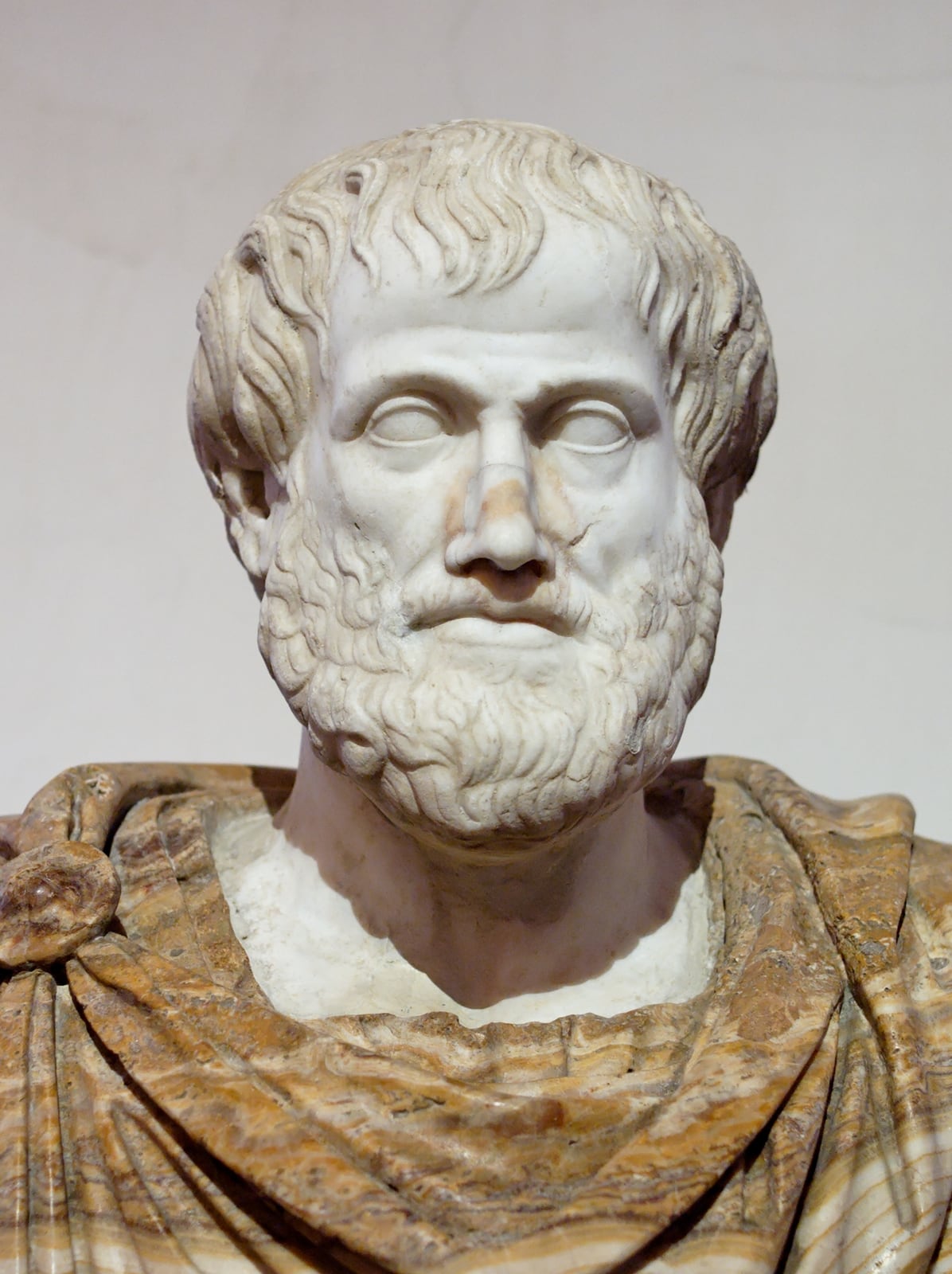
Correspondence attributed to Aristotle, known from fragments quoted by ancient authors and from apocryphal letters. It circulated widely in the Middle Ages, above all through the Arabic tradition that made Aristotle Alexander's political adviser.
amazon.com · Link to the store.
Authorship note
Diogenes Laertius mentions collections of letters to Philip, Alexander, Antipater and others. Those that survive are mostly Hellenistic or later forgeries; some letters transmitted in Arabic, such as the one addressed to Alexander on the government of cities, are of highly disputed authenticity.
Editions and translations
Editions in your language first, without hiding the others. Each with its cover and its store.
English

The Complete Works of Aristotle: The Revised Oxford Translation
Princeton University Press, 1984
Translation: Varios (traducción de Oxford revisada, ed. Jonathan Barnes)
ISBN 0691016518
Edición en dos volúmenes (Bollingen Series LXXI.2); ISBN del registro de Open Library de la obra completa.
Griego antiguo
Aristotle
Aristotelis qui ferebantur librorum fragmenta (ed. Valentin Rose)
The Conscious LibraryAristotelis qui ferebantur librorum fragmenta (ed. Valentin Rose)
Teubner, 1886
Edición clásica de los fragmentos; la de Olof Gigon (De Gruyter, 1987) es la más reciente.
Español

Fragmentos
Gredos (Biblioteca Clásica Gredos, 338), 2005
Translation: Álvaro Vallejo Campos
ISBN 9788424927714
Other works by Aristotle
- Categories
- On Interpretation (De interpretatione)
- Prior Analytics
- Posterior Analytics
- Topics
- Sophistical Refutations
- Physics
- On the Heavens (De caelo)
- On Generation and Corruption
- Meteorology (Meteorologica)
- On the Cosmos (De mundo)
- On the Soul (De anima)
- On Sense and the Sensible
- On Memory and Recollection
- On Sleep and Waking
- On Dreams
- On Divination in Sleep
- On Length and Shortness of Life
- On Youth and Old Age, On Life and Death
- On Respiration
- On Breath (De spiritu)
- History of Animals (Historia animalium)
- Parts of Animals
- Movement of Animals (De motu animalium)
- Progression of Animals (De incessu animalium)
- Generation of Animals
- On Colours (De coloribus)
- On Things Heard (De audibilibus)
- Physiognomics (Physiognomonica)
- On Plants (De plantis)
- On Marvellous Things Heard (De mirabilibus auscultationibus)
- Mechanical Problems (Mechanica)
- Problems (Problemata)
- On Indivisible Lines (De lineis insecabilibus)
- Situations and Names of Winds (Ventorum situs)
- On Melissus, Xenophanes and Gorgias
- Metaphysics
- Nicomachean Ethics
- Magna Moralia
- Eudemian Ethics
- On Virtues and Vices
- Politics
- Economics (Oeconomica)
- Rhetoric
- Rhetoric to Alexander (Rhetorica ad Alexandrum)
- Poetics
- Constitution of the Athenians (Athenaion Politeia) · 328
- Protrepticus (Exhortation to Philosophy) · 350
- On Philosophy
- Eudemus, or On the Soul
- Gryllus, or On Rhetoric · 360
- On Ideas
- On the Good
- On Poets
- Homeric Problems
- Constitutions of 158 Cities
- List of Pythian Victors · 335
- Didascaliae (Records of Dramatic Productions)
- On Justice
- On Kingship and Alexander, or On Behalf of Colonists
- Hymn to Virtue (to Hermias) · 341
- Will · 322
- Fragments (collections of the lost works)
- Theology of Aristotle · 840
- Book of Causes (Liber de causis) · 850
- Secret of Secrets (Secretum secretorum) · 950
Sources
- Rose, Valentin (ed.). Aristotelis qui ferebantur librorum fragmenta. Leipzig: Teubner, 1886; y Gigon, Olof (ed.). Aristotelis Opera III: Librorum deperditorum fragmenta. Berlín: De Gruyter, 1987.
Affiliate link: if you buy through it, the library may receive a commission at no extra cost to you. When an edition's real cover is not available, we show an illustrative library cover.