
Traditional attribution
Secret of Secrets (Secretum secretorum)
Sirr al-asrār
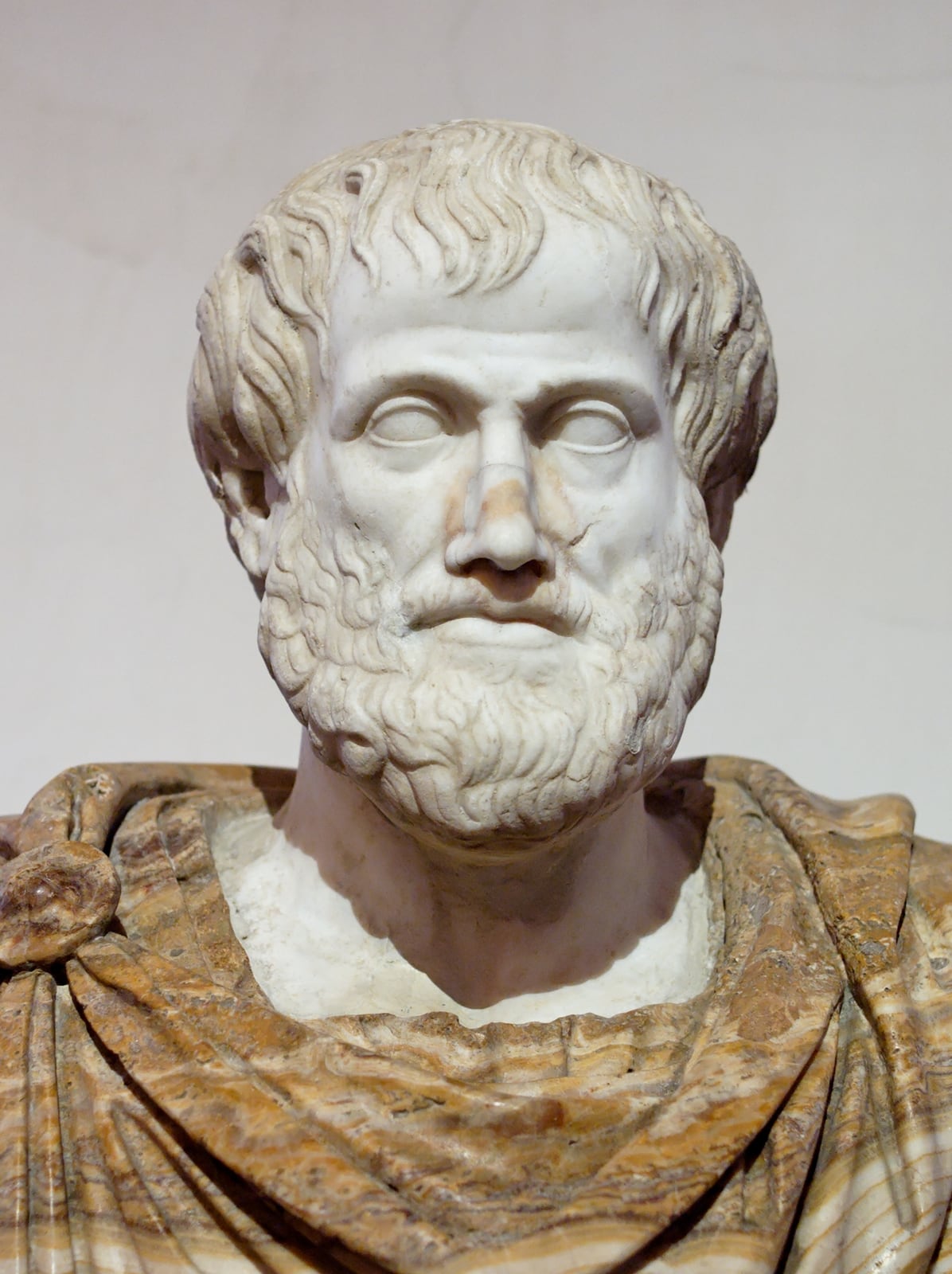
A treatise on government, justice, the choice of counsellors, hygiene, medicine, astrology, alchemy and physiognomy, which for centuries made Aristotle the wise counsellor of kings. It was one of the most copied works of the Middle Ages.
amazon.es · Español · Link to the store.
Authorship note
A pseudepigraph: an Arabic mirror for princes of the tenth century, presented as Aristotle's letter to Alexander; translated into Latin in the twelfth century and into the vernaculars, among them Castilian (Poridat de las poridades).
Editions and translations
Editions in your language first, without hiding the others. Each with its cover and its store.
Latín
Aristotle
Secretum secretorum cum glossis et notulis (Opera hactenus inedita Rogeri Baconi, fasc. V)
The Conscious LibrarySecretum secretorum cum glossis et notulis (Opera hactenus inedita Rogeri Baconi, fasc. V)
Clarendon Press, 1920
Edición del texto latino a cargo de Robert Steele.
Español

The Secreto de los secretos: A Castilian Version
Scripta Humanistica, 1995
ISBN 9781882528127
Edición de una versión castellana medieval (Open Library registra a Philip Jones como editor).
Other works by Aristotle
- Categories
- On Interpretation (De interpretatione)
- Prior Analytics
- Posterior Analytics
- Topics
- Sophistical Refutations
- Physics
- On the Heavens (De caelo)
- On Generation and Corruption
- Meteorology (Meteorologica)
- On the Cosmos (De mundo)
- On the Soul (De anima)
- On Sense and the Sensible
- On Memory and Recollection
- On Sleep and Waking
- On Dreams
- On Divination in Sleep
- On Length and Shortness of Life
- On Youth and Old Age, On Life and Death
- On Respiration
- On Breath (De spiritu)
- History of Animals (Historia animalium)
- Parts of Animals
- Movement of Animals (De motu animalium)
- Progression of Animals (De incessu animalium)
- Generation of Animals
- On Colours (De coloribus)
- On Things Heard (De audibilibus)
- Physiognomics (Physiognomonica)
- On Plants (De plantis)
- On Marvellous Things Heard (De mirabilibus auscultationibus)
- Mechanical Problems (Mechanica)
- Problems (Problemata)
- On Indivisible Lines (De lineis insecabilibus)
- Situations and Names of Winds (Ventorum situs)
- On Melissus, Xenophanes and Gorgias
- Metaphysics
- Nicomachean Ethics
- Magna Moralia
- Eudemian Ethics
- On Virtues and Vices
- Politics
- Economics (Oeconomica)
- Rhetoric
- Rhetoric to Alexander (Rhetorica ad Alexandrum)
- Poetics
- Constitution of the Athenians (Athenaion Politeia) · 328
- Protrepticus (Exhortation to Philosophy) · 350
- On Philosophy
- Eudemus, or On the Soul
- Gryllus, or On Rhetoric · 360
- On Ideas
- On the Good
- On Poets
- Homeric Problems
- Constitutions of 158 Cities
- List of Pythian Victors · 335
- Didascaliae (Records of Dramatic Productions)
- On Justice
- On Kingship and Alexander, or On Behalf of Colonists
- Hymn to Virtue (to Hermias) · 341
- Will · 322
- Letters
- Fragments (collections of the lost works)
- Theology of Aristotle · 840
- Book of Causes (Liber de causis) · 850
Sources
- Kraye, Jill; Ryan, W. F.; Schmitt, C. B. (eds.). Pseudo-Aristotle in the Middle Ages: The Theology and Other Texts. Londres: The Warburg Institute, 1986.
Affiliate link: if you buy through it, the library may receive a commission at no extra cost to you. When an edition's real cover is not available, we show an illustrative library cover.