Mahāvīra
Anuttaraupapātikadaśā (Those Reborn in the Highest Heavens)
Later compilation
Anuttaraupapātikadaśā (Those Reborn in the Highest Heavens)
अणुत्तरोववाइयदसाओ (Aṇuttarovavāiyadasāo) / अनुत्तरौपपातिकदशा
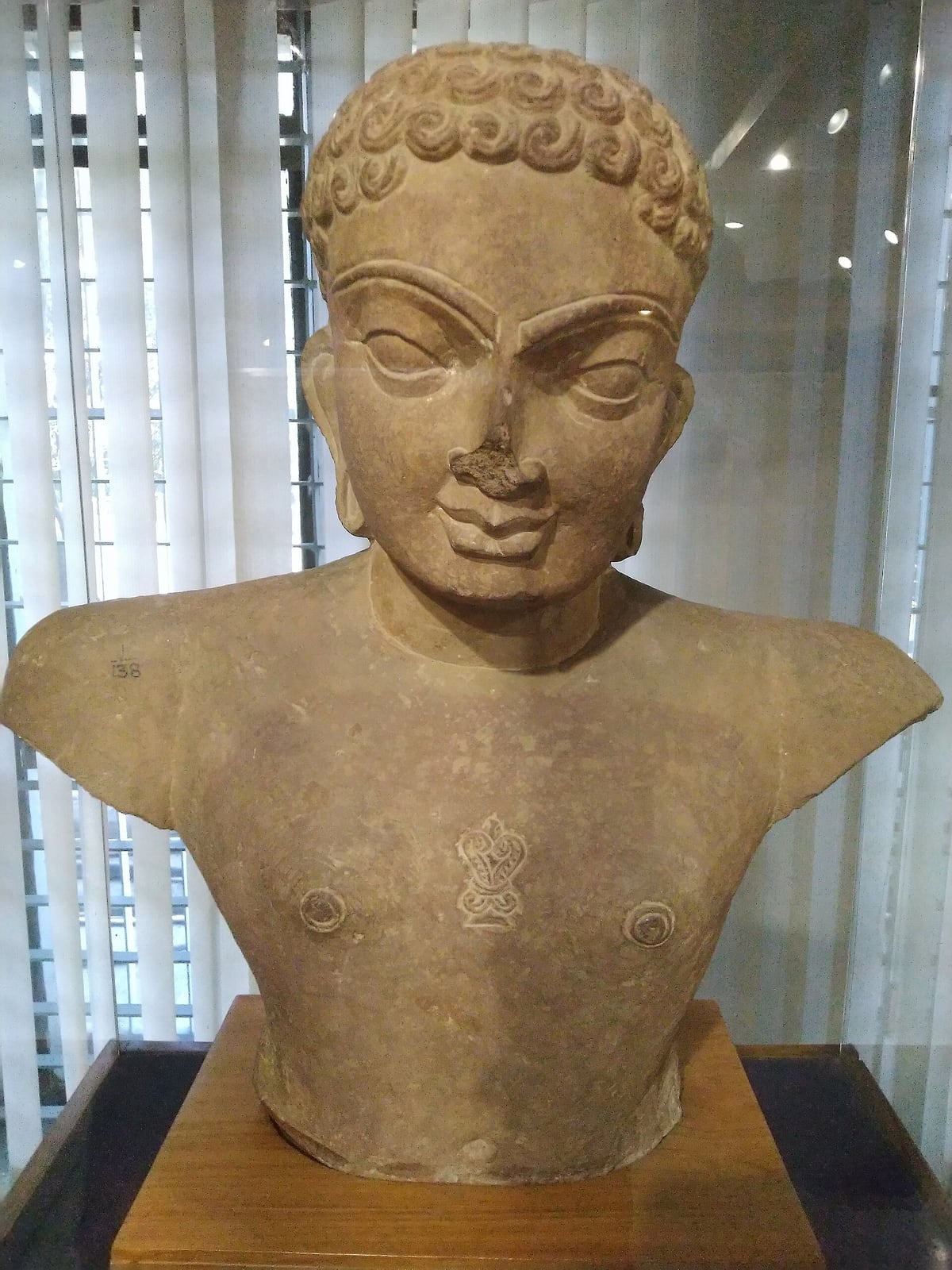
The ninth Aṅga, a short one: lives of ascetics who, after a life of extreme austerity, were reborn in the highest heavens, from which only one human existence remains before liberation. The portrait of the monk Dhanya, wasted by fasting, stands out.
No edition of this work is currently on sale in a store we have been able to verify.
Authorship note
Canonical compilation: according to the Śvetāmbara tradition it transmits Mahāvīra's teaching as recited by his disciple Sudharman to Jambū; it was written down at Valabhī (c. 453/466 CE) and contains strata of very different periods. Mahāvīra did not write it. The Digambaras regard the original Aṅgas as lost.
Editions and translations
Editions in your language first, without hiding the others. Each with its cover and its store.
English
Mahāvīra
The Antagaḍa-dasāo and Aṇuttarovavāiya-dasāo
The Conscious LibraryThe Antagaḍa-dasāo and Aṇuttarovavāiya-dasāo
Royal Asiatic Society (Oriental Translation Fund), 1907
Translation: L. D. Barnett
Other works by Mahāvīra
- The Śvetāmbara canon (the Āgamas) · 453
- Ācārāṅga (The Book of Conduct)
- Sūtrakṛtāṅga (The Book of Doctrines)
- Sthānāṅga (The Stations)
- Samavāyāṅga (The Groupings)
- Bhagavatī Sūtra (Vyākhyāprajñapti)
- Jñātādharmakathā (Parables and Stories of the Doctrine)
- Upāsakadaśā (The Ten Lay Followers)
- Antakṛddaśā (Those Who Made an End)
- Praśnavyākaraṇa (Explanation of Questions)
- Vipākaśruta (The Ripening of Deeds)
- Dṛṣṭivāda (The Exposition of Views, lost)
- The fourteen Pūrvas (lost)
- Aupapātika (On Rebirths)
- Rājapraśnīya (The King's Questions)
- Jīvājīvābhigama (Understanding the Living and the Non-living)
- Prajñāpanā (The Exposition)
- Sūryaprajñapti (Exposition on the Sun)
- Jambūdvīpaprajñapti (Exposition on Jambūdvīpa)
- Candraprajñapti (Exposition on the Moon)
- Nirayāvalikā (The Series of Hells)
- Kalpāvataṃsikā (The Ornaments of the Heavens)
- Puṣpikā (The Flowers)
- Puṣpacūlikā (The Flower Crests)
- Vṛṣṇidaśā (The Ten Vṛṣṇis)
- Kalpasūtra (Lives of the Jinas)
- Daśāśrutaskandha (The Ten Chapters)
- Bṛhatkalpa (The Great Code)
- Vyavahāra (Procedure)
- Niśītha (The Penances)
- Mahāniśītha (The Great Code of Penances)
- Jītakalpa (The Customary Code)
- Uttarādhyayana (The Last Lectures)
- Daśavaikālika (The Ten Evening Lectures)
- Āvaśyaka (The Obligatory Duties)
- Piṇḍaniryukti (On Alms)
- Nandīsūtra (The Auspicious Sūtra)
- Anuyogadvāra (The Doors of Exegesis)
- Catuḥśaraṇa (The Four Refuges)
- Āturapratyākhyāna (The Renunciation of the Sick)
- Mahāpratyākhyāna (The Great Renunciation)
- Bhaktaparijñā (The Renunciation of Food)
- Taṇḍulavaicārika (Reflection on the Grains of Rice)
- Saṃstāraka (The Straw Bed)
- Gacchācāra (Conduct in the Group)
- Gaṇividyā (The Science of the Group Leader)
- Devendrastava (Hymn of the Kings of the Gods)
- Maraṇasamādhi (Death in Concentration)
- Ṣaṭkhaṇḍāgama (The Scripture in Six Parts)
- Kasāyapāhuḍa (Treatise on the Passions)
Sources
- Dundas, Paul. The Jains. 2.ª ed. Londres / Nueva York: Routledge, 2002 (Library of Religious Beliefs and Practices). ISBN 9780415266055.
Affiliate link: if you buy through it, the library may receive a commission at no extra cost to you. When an edition's real cover is not available, we show an illustrative library cover.