The self
आत्मन्
ātman
sa · Devanagari
Self; in the Upaniṣads, the conscious and imperishable principle of the person, which non-dual Vedānta identifies with Brahman.
अहंकार
ahaṃkāra
sa · Devanagari
Literally, the I-maker; in Sāṃkhya, the function that appropriates experience by saying I and mine. Often rendered as ego.
anattā
anattā
pi · Latin
Not-self; one of the three marks of existence in Buddhism: nothing observed in oneself is a permanent and autonomous self.
བདག
bdag
bo · Tibetan
I, self; in Tibetan Buddhism, above all as the object of negation: the absence of a self with inherent existence (bdag med).
نَفْس
nafs
ar · Arabic
Soul, person, oneself; in Sufism, the appetitive self that must be educated, with degrees the Qur’an names from the one inciting to evil to the one at peace.
己
jǐ
zh · Han
Oneself; in the Analects, the self that is cultivated and overcome in order to return to ritual and realise humaneness (仁).
What the word I refers to
Every human being says I without difficulty, and almost none could say what it refers to. The question the traditions ask through this concept is not primarily psychological but at once ontological and practical: whether there is something permanent in us that is properly oneself, and whether the answer changes the way one lives. The answers range from affirming a Self identical with the Absolute to denying any substantial self, by way of a self that exists only in relation. One should not translate them all into the same word.
Affirming, denying, building
The Upaniṣads seek the ātman, the one who sees without being seen. The Chāndogya Upaniṣad (6.8.7) concludes a series of teachings from Uddālaka to his son with the formula tat tvam asi, you are that; the Bṛhadāraṇyaka (2.3.6) describes the ultimate through successive negations, neti neti, not this, not this. Śaṅkara's non-dual Vedānta identifies the ātman with Brahman and regards the empirical self as a superimposition. For that same tradition, and for the Sāṃkhya from which it takes the term, ahaṃkāra, the I-maker, is not the Self but a product of nature: the function that appropriates experience. When ahaṃkāra is translated today as ego and ātman as Self, with a capital, that distinction is preserved.
Early Buddhism took the opposite path. In the discourse on the characteristic of not-self (Saṃyutta Nikāya 22.59) the Buddha examines the five aggregates, body, feeling, perception, formations and consciousness, and shows that none of them can be a self, because each is impermanent, brings unease and does not obey our will. Yet when the ascetic Vacchagotta asks him directly whether a self exists, he remains silent (Saṃyutta Nikāya 44.10), because either answer would confirm an extreme view. Anattā is a teaching for letting go of clinging, not one more metaphysical thesis. The Madhyamaka school, central to Tibetan Buddhism, specifies that what is negated is a self with inherent existence (bdag), not the conventional self that acts and answers for its actions.
Other cultures do not pose the question in terms of substance. In the Analects (12.1) Confucius defines humaneness (仁) as overcoming oneself and returning to ritual: the self (己) is something cultivated in relationships with parents, rulers and friends. Sufism distinguishes degrees in the nafs that it takes from the Qur’an: the one inciting to evil (12:53), the self-reproaching one (75:2) and the one at peace (89:27). The self is neither denied nor simply identified with God: it is educated and, at its culmination, passes away in Him (fanāʾ) in order to subsist through Him (baqāʾ).
Apparent agreements
In the twentieth century voices multiplied that call the ego a mental construction. Krishnamurti held that the self is a bundle of memories and that the observer is the observed; Gurdjieff and Ouspensky taught that the human being has not one self but many that take turns; Eckhart Tolle describes the ego as identification with thought.
The agreements are real on the negative side: almost all distrust the self that defends itself, compares and appropriates. But they diverge on the positive side. For Vedānta there is an eternal Self beneath the ego; for Buddhism there is nothing to look for underneath; for Gurdjieff the true self does not yet exist and has to be built; for Confucius the self is completed in relationship; for Sufism the purified self returns to a personal God. Saying that all of them speak of transcending the ego hides the fact that they do not agree on what remains when the ego stops being in charge.
С точки зрения каждой традиции
Адвайта-веданта · ātman
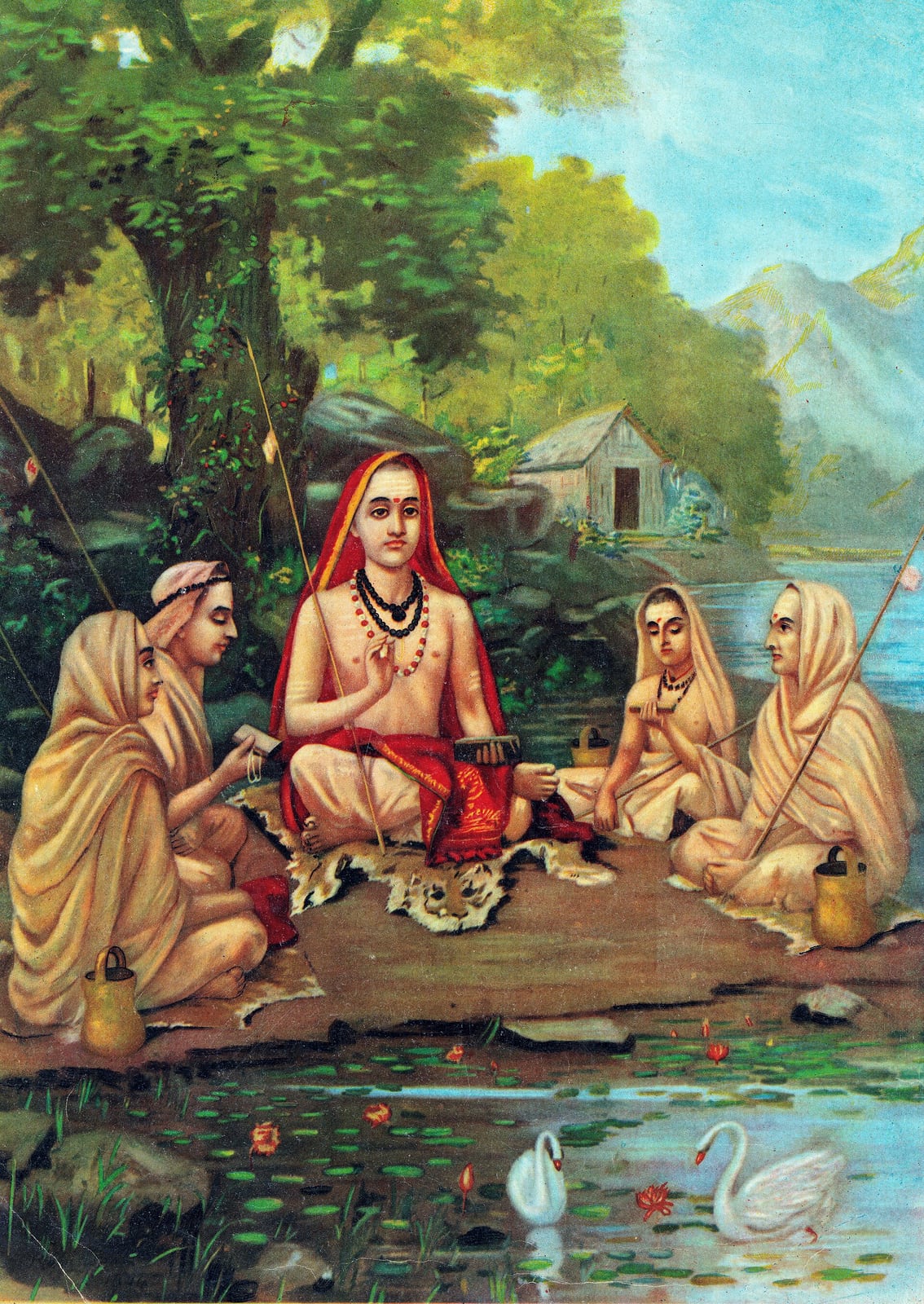
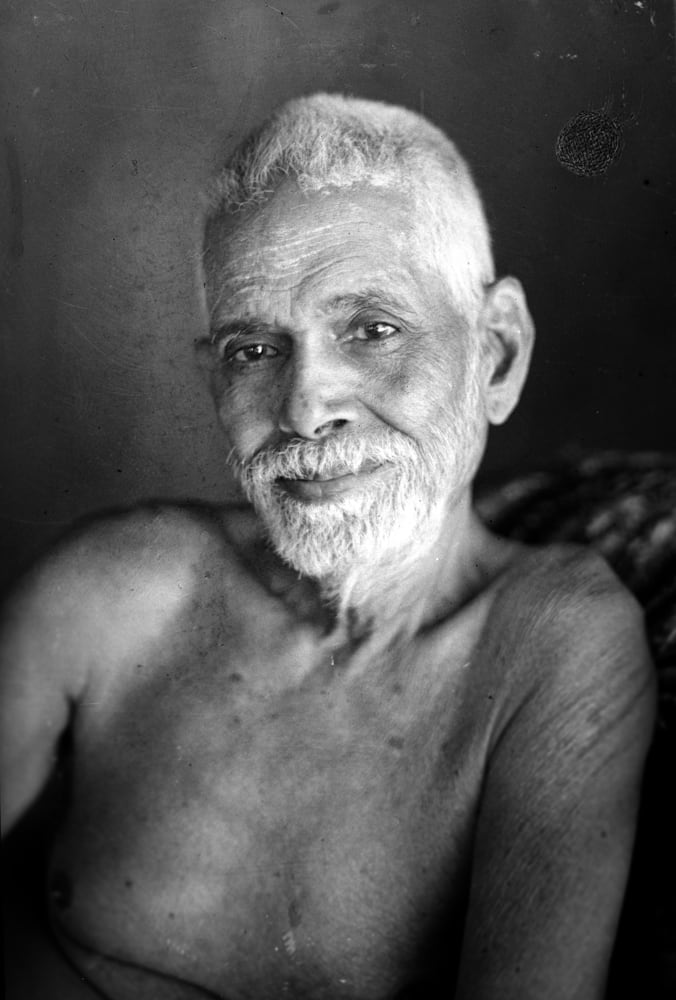
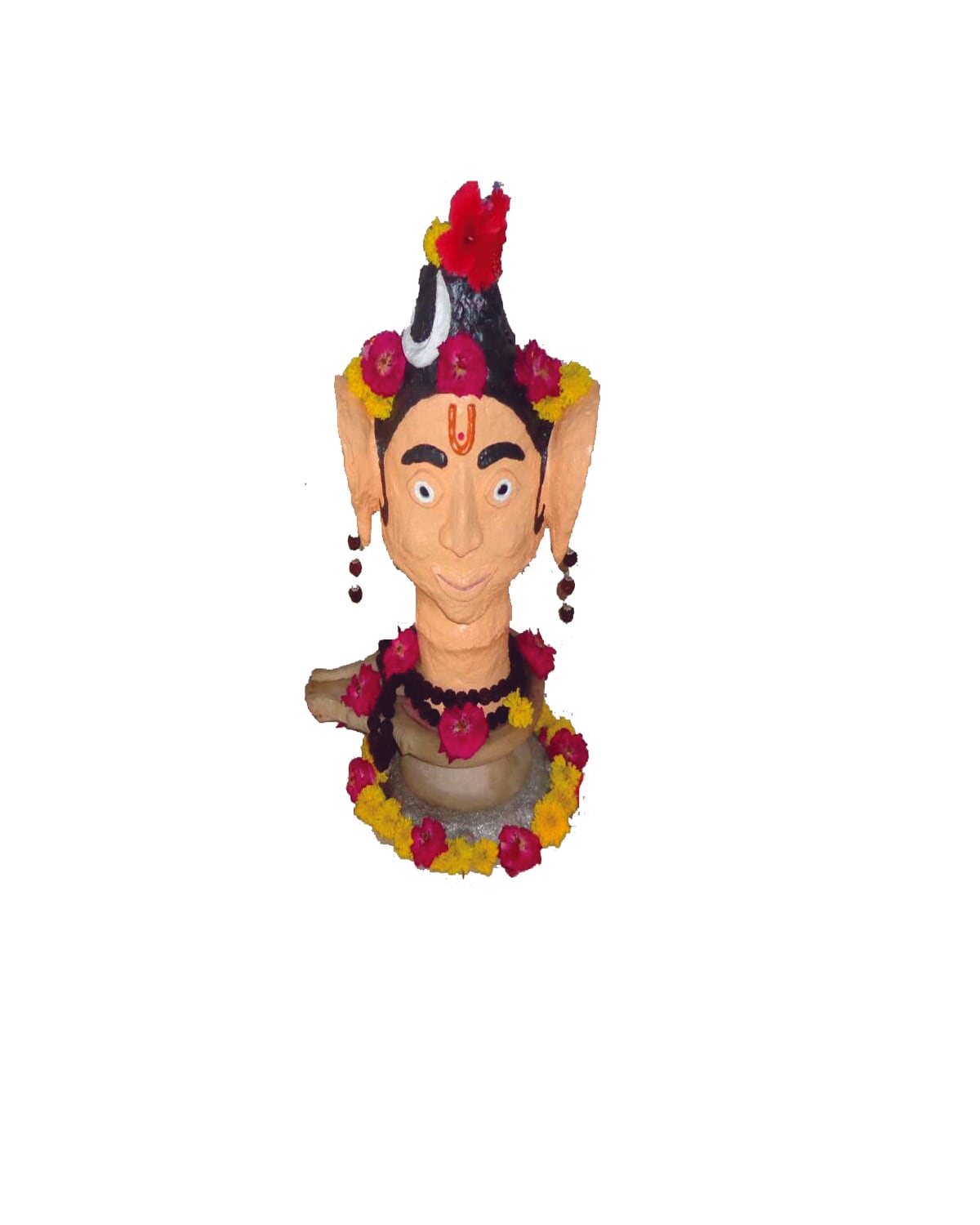
For non-dual Vedānta, the true self is the ātman, pure consciousness that is neither born nor dies, identical with Brahman. Śaṅkara explains the ordinary error as superimposition (adhyāsa): we attribute to the Self the properties of body and mind, and to the mind the consciousness of the Self; he sets this out in the introduction to his commentary on the Brahma Sūtra. Ramana Maharshi proposed a direct method: to ask who am I and follow the I-thought to its source, where it dissolves. Nisargadatta Maharaj taught remaining in the sense of being until one sees that one is nothing one perceives. The ego is not destroyed by effort: it is recognised as unreal.
Буддизм · anattā
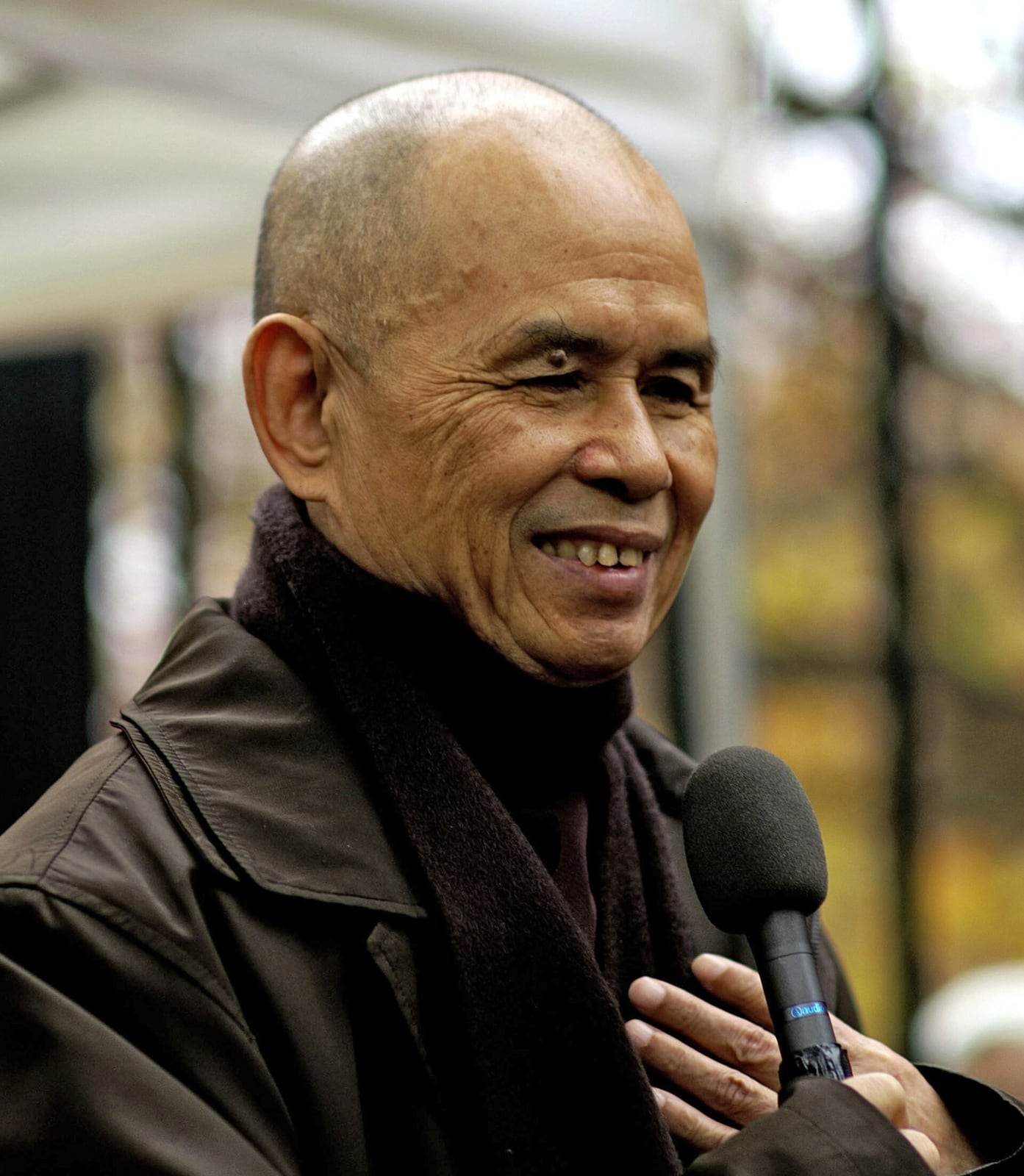
The Anattalakkhaṇa Sutta (SN 22.59), presented as the Buddha's second discourse, goes through the five aggregates and concludes that of none of them can one say this is mine, this I am, this is my self. Buddhism does not deny that there is a person who acts and reaps the fruits of actions; it denies that there is a permanent and independent core within that person. The Madhyamaka school, from Nāgārjuna to Tsongkhapa, specifies that the self exists conventionally and dependently, but not by itself; this is the position the Dalai Lama explains. Thich Nhat Hanh expresses it with the notion of interbeing: we are made of elements that are not ourselves.


Конфуцианство · 己
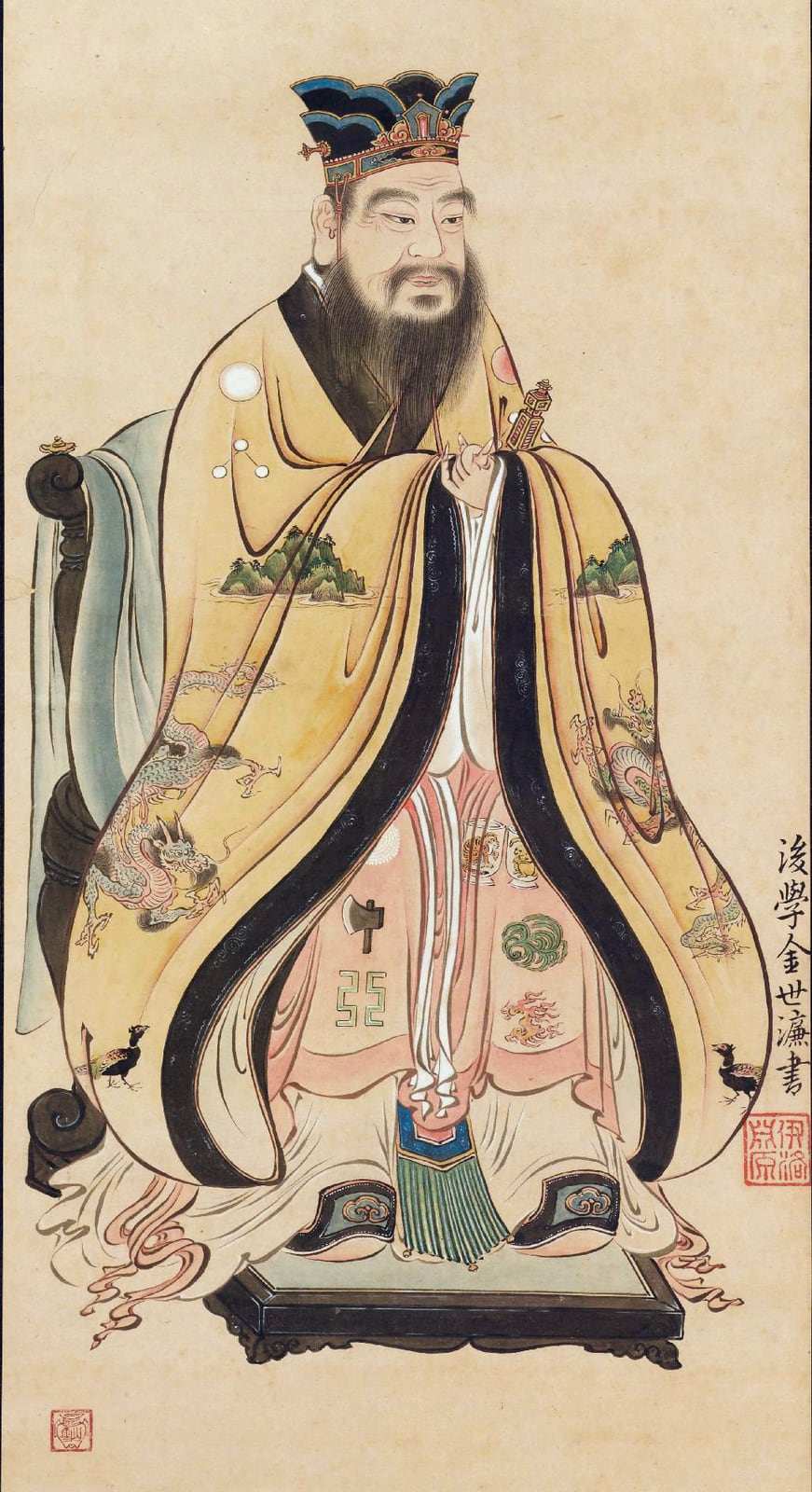
Confucius does not speculate on the metaphysical nature of the self. His interest is in its formation. In the Analects (12.1) he defines humaneness (仁) as overcoming oneself and returning to ritual, and adds that its practice depends on oneself, not on others. The self is formed through study, through the daily examination of one's own conduct of which his disciple Zengzi speaks (1.4), and above all through relationships: son, father, subject, friend. The point is neither to discover a hidden ground nor to deny it, but to become fully human. Being someone is a social and moral achievement, not a prior given.
Суфизм · nafs
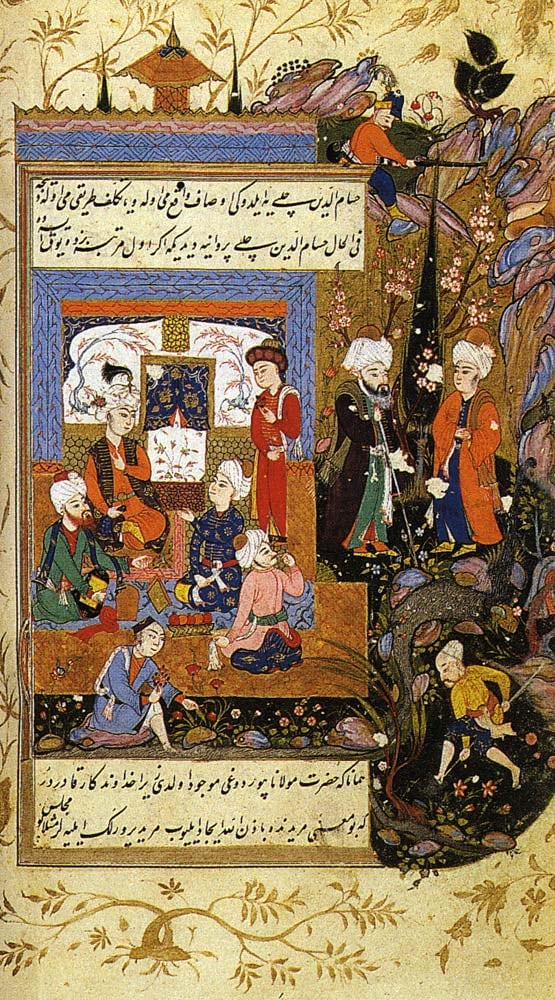
The Sufi tradition reads in the Qur’an a pedagogy of the self. The nafs that incites to evil (12:53) is the appetitive, possessive self; the self-reproaching one (75:2), the conscience that begins to examine itself; the one at peace (89:27), the reconciled soul invited to return to its Lord. The path consists in combating and educating the nafs under a master's guidance until the passing away (fanāʾ) of one's own self in God and subsistence (baqāʾ) through Him. Ibn Arabi interprets the traditional saying whoever knows himself knows his Lord as the key to this way. Rumi multiplies images of the self that must die in order to live.
Четвёртый путь · muchos yoes
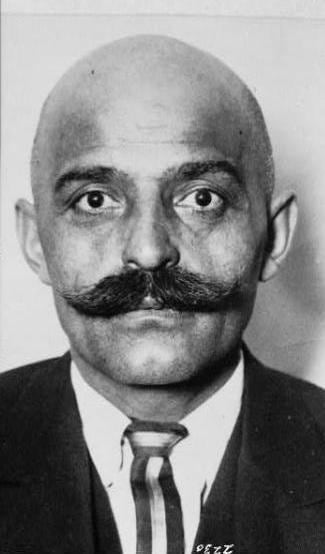
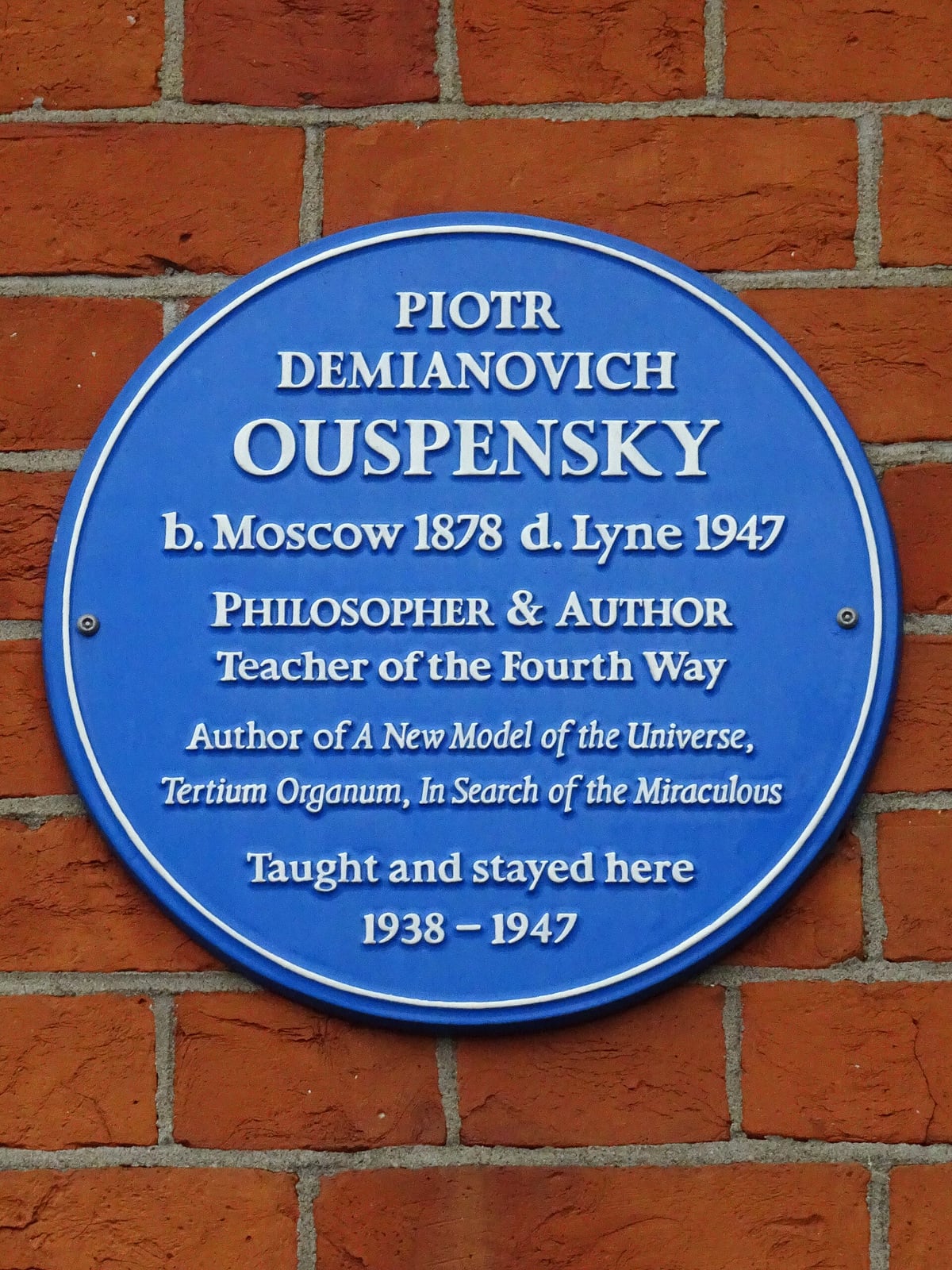
According to Gurdjieff, as Ouspensky conveys it in In Search of the Miraculous, the human being has no permanent and indivisible I. Every thought, desire or sensation says I, and each of these small I's commits the whole person without consulting the others; that is why one promises what another I will not keep. The teaching does not deny that there could be a real I, but holds that one is not born with it: it must be formed through conscious work, self-remembering and voluntary suffering. This thesis resembles Buddhist not-self in its diagnosis but reverses it in the remedy, which consists in building unity, not in letting go of the idea of self.
Современная недвойственность · ego
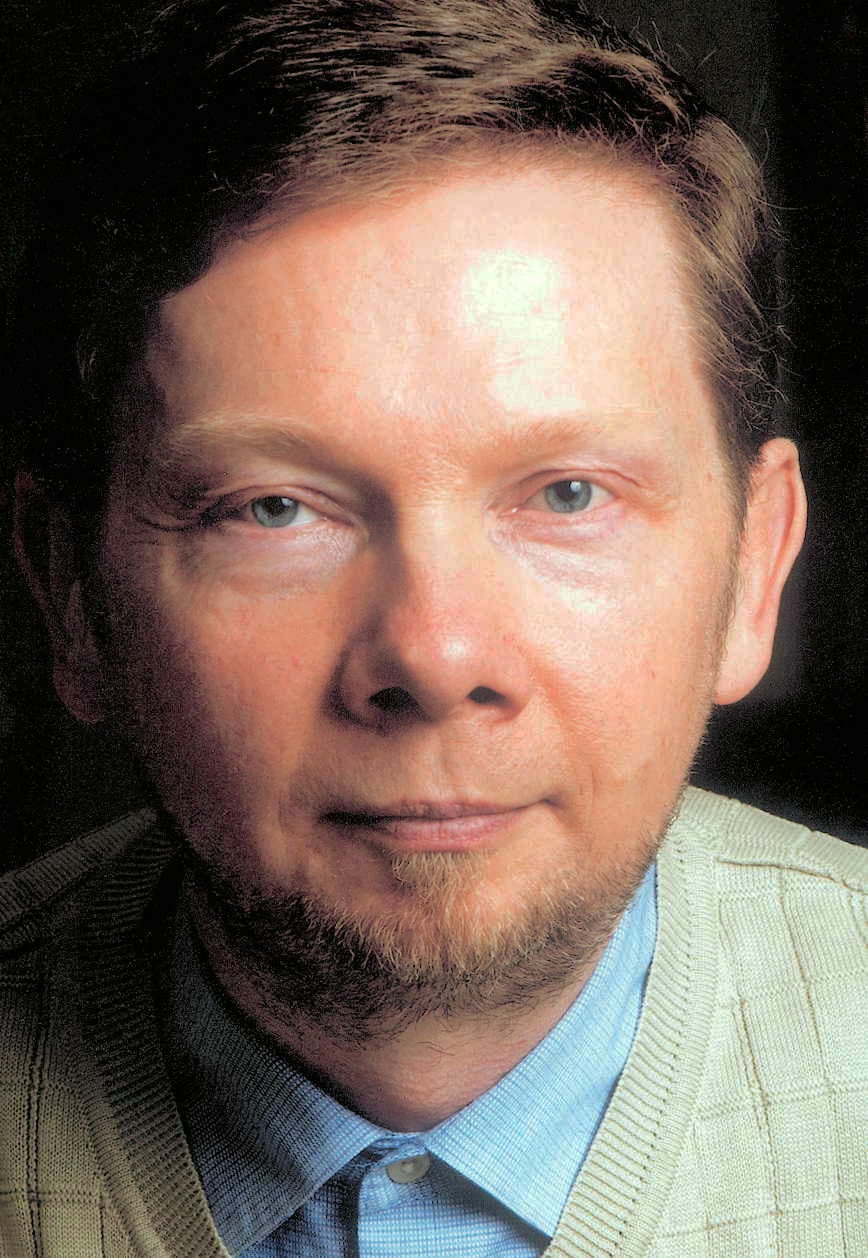
Eckhart Tolle, in The Power of Now (1997) and A New Earth (2005), describes the ego as identification with the mind: with thoughts, personal history, roles and possessions. He does not regard it as an entity but as a pattern that needs to compare itself, to be right and to project itself into time. Against it he places presence, the awareness that can observe thought without being confused with it. His language draws on elements of Vedānta, Buddhism and Christian mysticism without adhering to any of them, and it does not include the ethical, ritual or communal disciplines that those traditions consider inseparable from the transformation of the self.
Связанные вопросы