Attention
sati
sati
pi · Latin
Memory, keeping in mind; in Buddhism, the faculty of holding the object and what one is doing before the mind. Usually rendered as mindfulness.
मनस्कार
manaskāra
sa · Devanagari
The act of directing the mind; in Abhidharma, a mental factor present in every moment of consciousness, which may be wise (yoniśo) or not.
念
niàn
zh · Han
To think of, to remember, to keep in mind; the character Chinese Buddhism used to translate smṛti / sati.
προσοχή
prosochḗ
grc · Greek
Attention, watchfulness over oneself; a fundamental attitude of the Stoic and, later, of Eastern Christian monasticism.
כַּוָּנָה
kavvānāh
he · Hebrew
Intention, direction of the heart; in halakhah and Jewish mysticism, the inner attention with which one prays and fulfils the commandments.
مراقبة
murāqaba
ar · Arabic
Vigilance, attentive watching; in Sufism, the constant awareness of being seen by God, called in the Qur’an al-Raqīb, the Watcher.
Where the mind goes
Attention looks like the most modest concept on this list and may be the most disputed. What humanity asks through it is twofold: where the mind is while we live, and whether its direction can be educated. Almost every tradition answers that it can, that attention can be trained. But they do not agree on what it is, what it is directed towards, or what it is for.
The Pali word sati does not originally mean attention but memory. The canon defines the faculty of sati as the capacity to remember what was done and said long ago (Saṃyutta Nikāya 48.9), and in practice it names keeping in mind: not forgetting the object, not losing sight of what one is doing. The English translation mindfulness, spread by translators of the canon from the late nineteenth century and turned into a secular technique at the end of the twentieth, has often been detached from that context. In the discourse on the foundations of mindfulness (Majjhima Nikāya 10) sati is applied to the body, feelings, mind and phenomena, and it serves a precise end: to see their impermanence and let go of clinging.
Not a single thing
Buddhism itself distinguishes two senses that English tends to merge. Abhidharma calls manaskāra the simple act of directing the mind, present in every moment of consciousness, including that of a focused thief; what matters is whether it is wise (yoniśo) or not. Sati, by contrast, is a wholesome faculty to be cultivated. Attending is not, by itself, a virtue.
Stoicism called prosochḗ the constant watch over one's own judgements. Epictetus devotes one of his discourses to it (Discourses 4.12) and holds that there is no area of life in which it can be relaxed without harm. Stoic attention is directed at what is up to us: the assent we give to our impressions. Eastern Christian monasticism inherited the word and joined it to nēpsis, sobriety or watchfulness, to the point that the great Byzantine anthology of texts on prayer, the Philokalia, presents itself as the work of the neptic fathers. Here attention guards the heart for prayer and for the presence of God.
In rabbinic Judaism the central word is kavvānāh, direction of the heart. The Mishnah discusses whether someone who recites the Shema without attention has fulfilled the obligation (Berakhot 2:1) and recalls that the pious of old would wait an hour before praying in order to direct their hearts to God (Berakhot 5:1). Attention here is not neutral observation but orientation towards someone. Sufism developed something close in murāqaba: living in the knowledge that God watches, in the light of the hadith of Gabriel, which defines excellence (iḥsān) as worshipping God as if one saw Him, knowing that even if one does not see Him, He sees.
What resembles and what does not
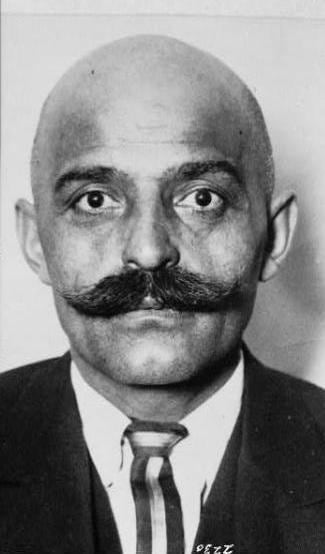
The twentieth century added voices of its own. Gurdjieff and Ouspensky spoke of self-remembering, a divided attention that includes the one who observes; Krishnamurti, of a choiceless awareness that pursues no result.
The similarities are technical: all these disciplines ask one to return again and again to something and to notice distraction. The differences are fundamental. Sati serves to see that there is no permanent self; Stoic prosochḗ protects the freedom of a rational self; kavvānāh and murāqaba are directed towards a personal God; self-remembering aims to create a presence that the human being does not yet have. Calling all of it mindfulness erases these differences of purpose.
С точки зрения каждой традиции
Буддизм · sati
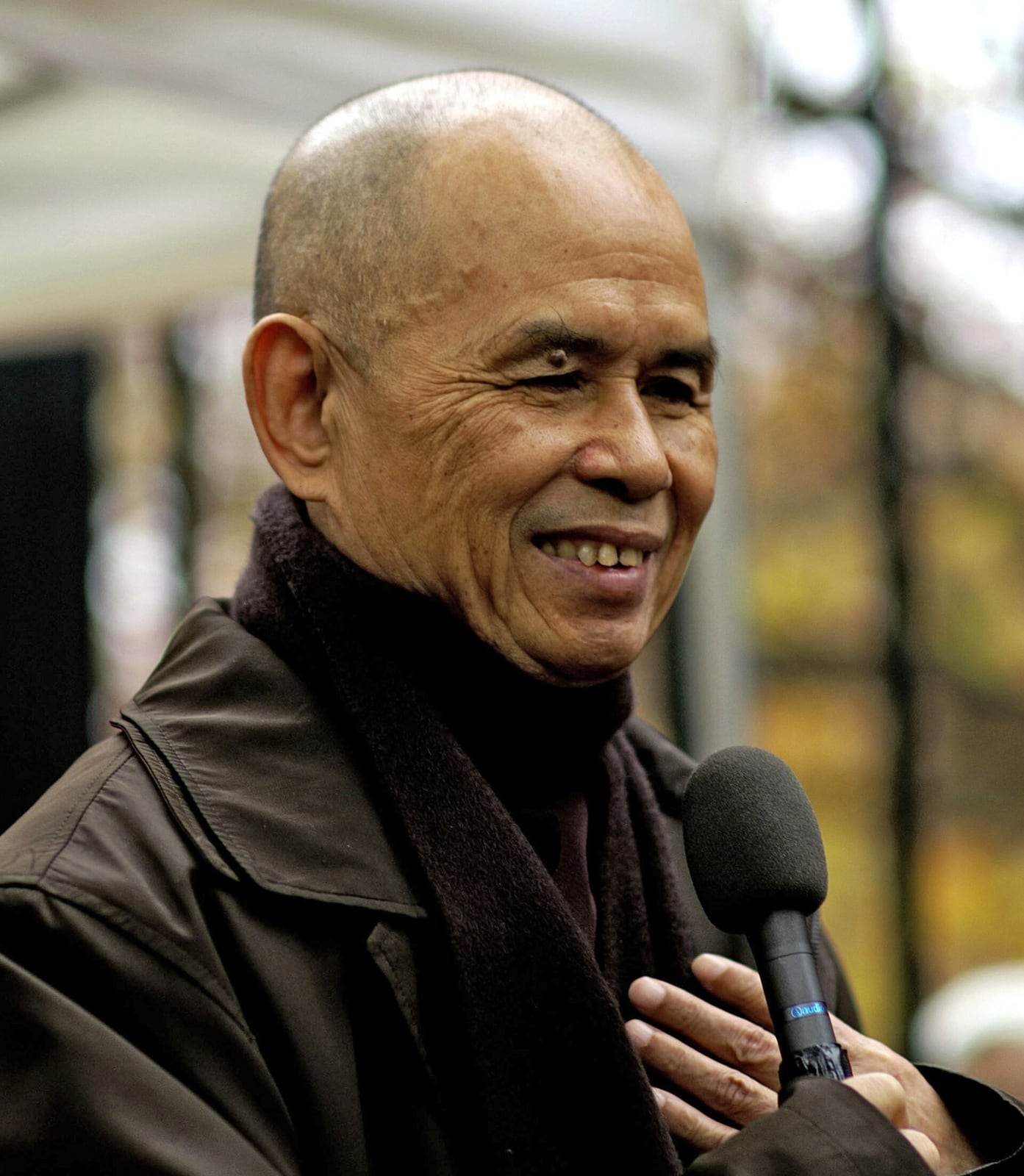
The Satipaṭṭhāna Sutta (Majjhima Nikāya 10) presents four foundations of mindfulness: the body, feelings, states of mind and phenomena. The practitioner observes, for instance, a long or short breath knowing that it is long or short, and contemplates how phenomena arise and cease. Sati is one of the five faculties and the seventh factor of the path, inseparable from concentration and wisdom; its function is not to relax but to prepare insight into impermanence and not-self. Thich Nhat Hanh, in The Miracle of Mindfulness (1975), extended this practice to everyday gestures such as washing dishes or walking, without detaching it from its ethical framework.

Стоицизм · prosochḗ
For Stoicism, attention is the condition of the whole moral life. Epictetus devotes discourse 4.12 of his Discourses, recorded by Arrian, to prosochḗ, and warns that whoever abandons it thinking he can recover it later accumulates bad habits. Its object is not the breath or sensations but impressions (phantasíai) and the assent given to them: watching at every moment what is up to one and what is not. Marcus Aurelius practises something similar in the Meditations, written as exercises addressed to himself. Stoic attention does not seek to dissolve the self; it protects the freedom of rational judgement, which it regards as the ruling part of the soul.
Православие · nēpsis / prosochḗ
Desert monasticism and the Byzantine tradition made inner watchfulness a central discipline. Nēpsis, sobriety or wakefulness, consists in guarding the door of the heart so that thoughts (logismoí) do not carry the person away before they are noticed. The Philokalia, an anthology published in Venice in 1782 by Nicodemus the Hagiorite and Macarius of Corinth, gathers texts by the so-called neptic fathers that teach this watchfulness joined to unceasing prayer, in particular the Jesus Prayer. Unlike Buddhist mindfulness, its aim is not to observe the arising and ceasing of phenomena but to keep the heart awake before God.
Иудаизм · kavvānāh
Rabbinic literature has debated since the Mishnah whether the commandments require kavvānāh, intention or direction of the heart. Berakhot 2:1 asks whether someone who reads the Shema passage without directing the heart has fulfilled the duty, and Berakhot 5:1 recalls that the pious of old waited an hour before prayer to orient themselves towards God. Maimonides rules that prayer without kavvānāh is not prayer (Mishneh Torah, Laws of Prayer 4:15). Later Kabbalah multiplied the kavvanot, meditations on the divine names that accompany the ritual words. This attention is not objectless observation: it is a mind directed towards someone, within an act that has a prescribed form.
Суфизм · murāqaba
The Arabic root of murāqaba is the same as that of al-Raqīb, the Watcher, one of the names of God in the Qur’an (4:1). Classical Sufi manuals describe it as the permanent awareness that God knows the inner and outer life of the person, and link it to the hadith of Gabriel transmitted by Muslim, which defines iḥsān as worshipping God as if one saw Him, knowing that He sees even if one does not see Him. Over time murāqaba also came to name a practice of silent meditation in several orders. Its sense is relational: one does not observe the mind in order to understand it; one knows oneself observed and lives accordingly.
Четвёртый путь · recuerdo de sí
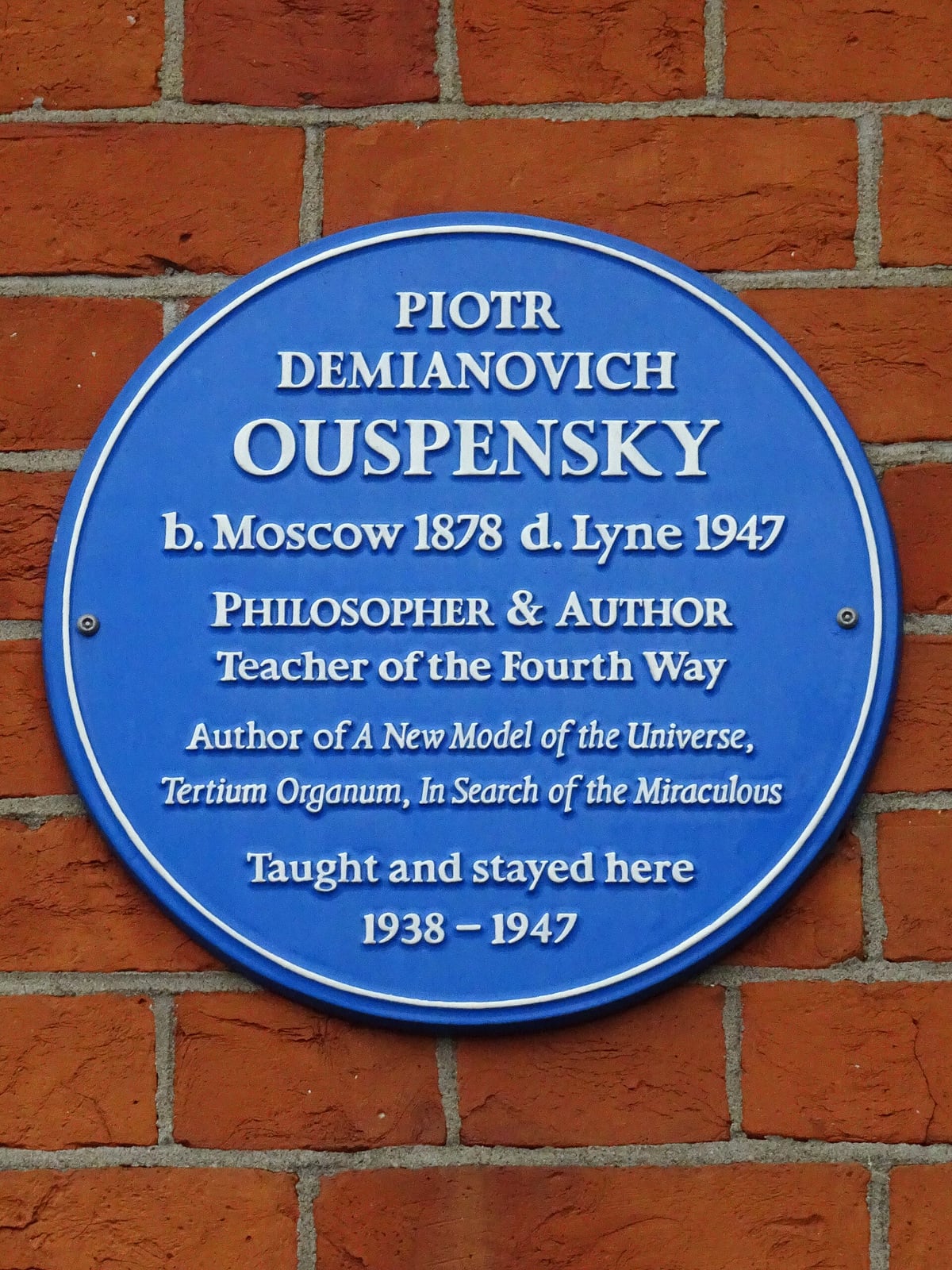
In Gurdjieff's teaching, as Ouspensky conveys it in In Search of the Miraculous (ch. 7), the ordinary human being lives asleep: events happen to him without his being present. Self-remembering is a divided attention directed at once to the object and to oneself, like an arrow with two heads. Ouspensky relates that the exercise showed him how rarely he truly remembered himself. Unlike Buddhist sati, this attention does not aim to see that there is no self but to create a permanent self that does not yet exist, and it is practised in the midst of ordinary life, with the help of a school.
Связанные вопросы