Enlightenment
बोधि
bodhi
sa · Devanagari
Awakening; from the root budh, to wake or become aware, the same as buddha, the awakened one. Rendering it as enlightenment is a modern choice.
悟り
satori
ja · Kanji
Understanding, realisation; in Japanese Zen, the sudden realisation of one’s own nature.
見性
kenshō
ja · Kanji
Seeing the nature; in Zen, the first direct glimpse of buddha-nature, which must later be deepened.
φωτισμός
phōtismós
grc · Greek
Illumination; in early Christianity, a name for baptism and, in Dionysius the Areopagite, the second of three ways, between purification and perfection.
illuminatio
illuminatio
la · Latin
Illumination; in Augustine, the divine light that enables the mind to know unchanging truths.
إشراق
ishrāq
ar · Arabic
Radiance, sunrise; in Suhrawardī, the philosophy of illumination, which conceives reality as degrees of light proceeding from the Light of lights.
A metaphor that travels badly
Very few words in this repertoire have suffered as much in translation as enlightenment. The question it holds is old and serious: whether there is an understanding that transforms the one who attains it irreversibly, and what it consists of. But the word we now use for it comes from a metaphor of light that not every tradition uses, and that in Europe also evokes the eighteenth-century movement of the Enlightenment.
The Sanskrit bodhi derives from the root budh, to wake. Buddha means the awakened one, not the enlightened one. Nineteenth-century Western translators chose enlightenment, perhaps out of affinity with the rationalism of their time, and the word has prevailed. According to the accounts in the Pali canon (Majjhima Nikāya 36), the Buddha's awakening consisted of three knowledges attained in the three watches of one night: recollection of past lives, insight into the dying and rebirth of beings according to their deeds, and the destruction of the defilements through knowledge of the four noble truths. It is a knowing with content, not a radiance without an object.
Sudden, gradual, received
Chinese and Japanese Buddhism debated whether awakening is sudden or gradual. The Platform Sūtra, attributed to Huineng, narrates a verse contest in which the monk Shenxiu compares the mind to a mirror that must be wiped constantly, and Huineng replies that there is neither mirror nor dust. Modern scholarship regards this scene as a later construction of the Southern school, but it fixed a lasting distinction. Japanese Zen speaks of kenshō, seeing one's own nature, and of satori; Dōgen, by contrast, held that practice and realisation are one and that sitting in zazen is already the expression of awakening.
Early Christianity called baptism phōtismós, illumination: Justin does so (First Apology, 61), and the Letter to the Hebrews (6:4) speaks of those who were once enlightened. Dionysius the Areopagite (Celestial Hierarchy, ch. 3) described the ascent as purification, illumination and perfection, a scheme medieval mysticism turned into the three ways. Augustine developed a theory of divine illumination: the mind knows necessary truths because it participates in a light that is not its own. Here light is received, and the one who illuminates is God. In Islam, the Light Verse (Qur’an 24:35) says that God is the light of the heavens and the earth, and the philosopher Suhrawardī, executed in Aleppo in 1191, built in The Philosophy of Illumination (Ḥikmat al-ishrāq) an ontology in which everything is light in degrees, from the Light of lights downwards.
Hindu India hardly uses the image. It prefers to speak of knowledge (jñāna), of Self-realisation or of samādhi, and debates whether liberation can be attained in life.
What resembles and what does not
These traditions share the idea of an understanding that cannot be reduced to information, that changes one's relation to oneself and to the world, and that usually requires ethical preparation and discipline. Almost all of them also warn against anyone who proclaims himself enlightened.
But they do not agree on what is understood or on who produces it. Buddhist awakening sees impermanence, not-self and the end of thirst; Vedāntic realisation recognises an eternal Self; Christian illumination is the gift of a personal God and part of a path towards union; Suhrawardī's is a metaphysics of light. In contemporary spiritual language, enlightenment is often used for a psychological state separable from any doctrine. That sense is new and should not be projected onto the ancient texts.
Depuis chaque tradition
Bouddhisme · bodhi
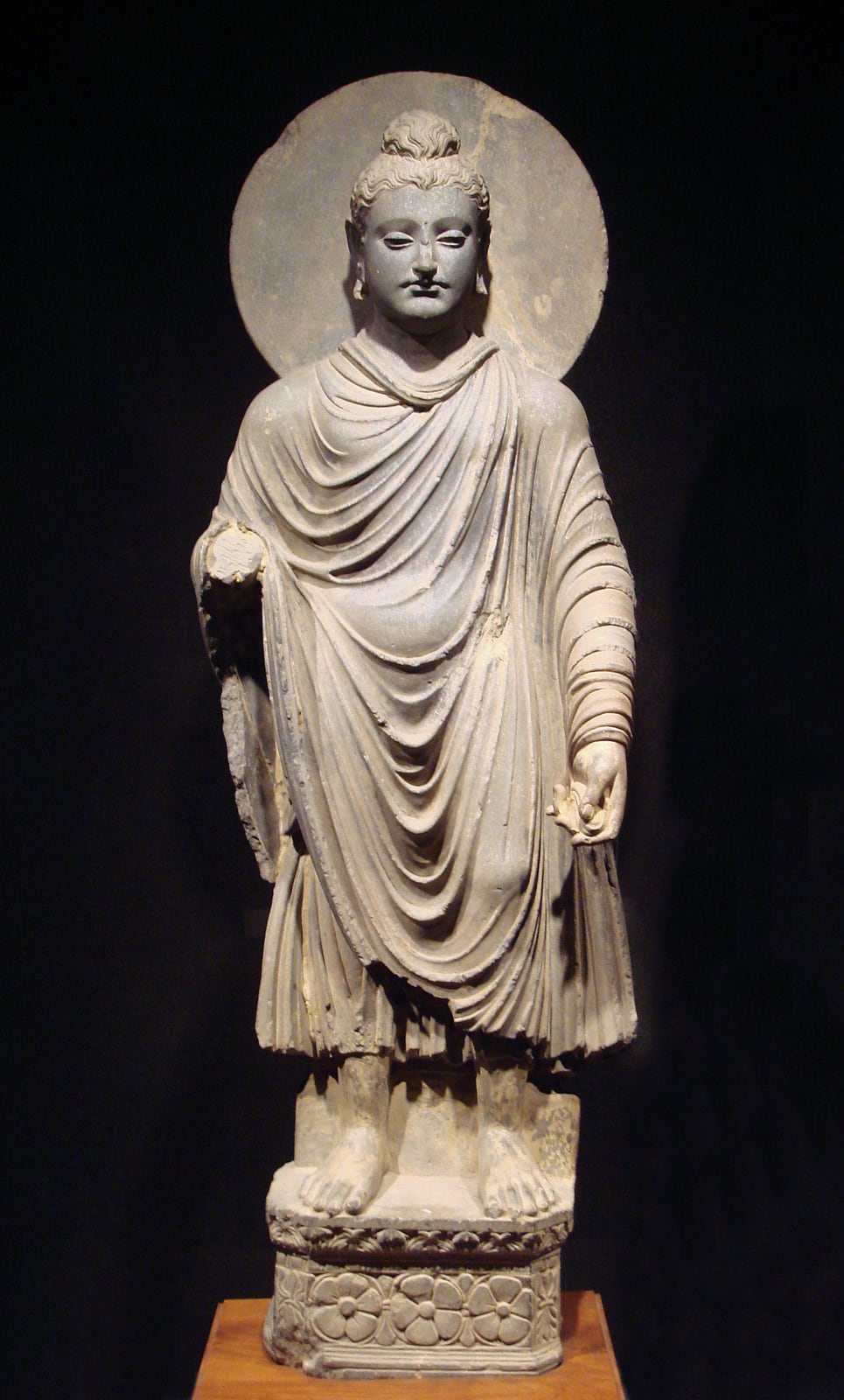
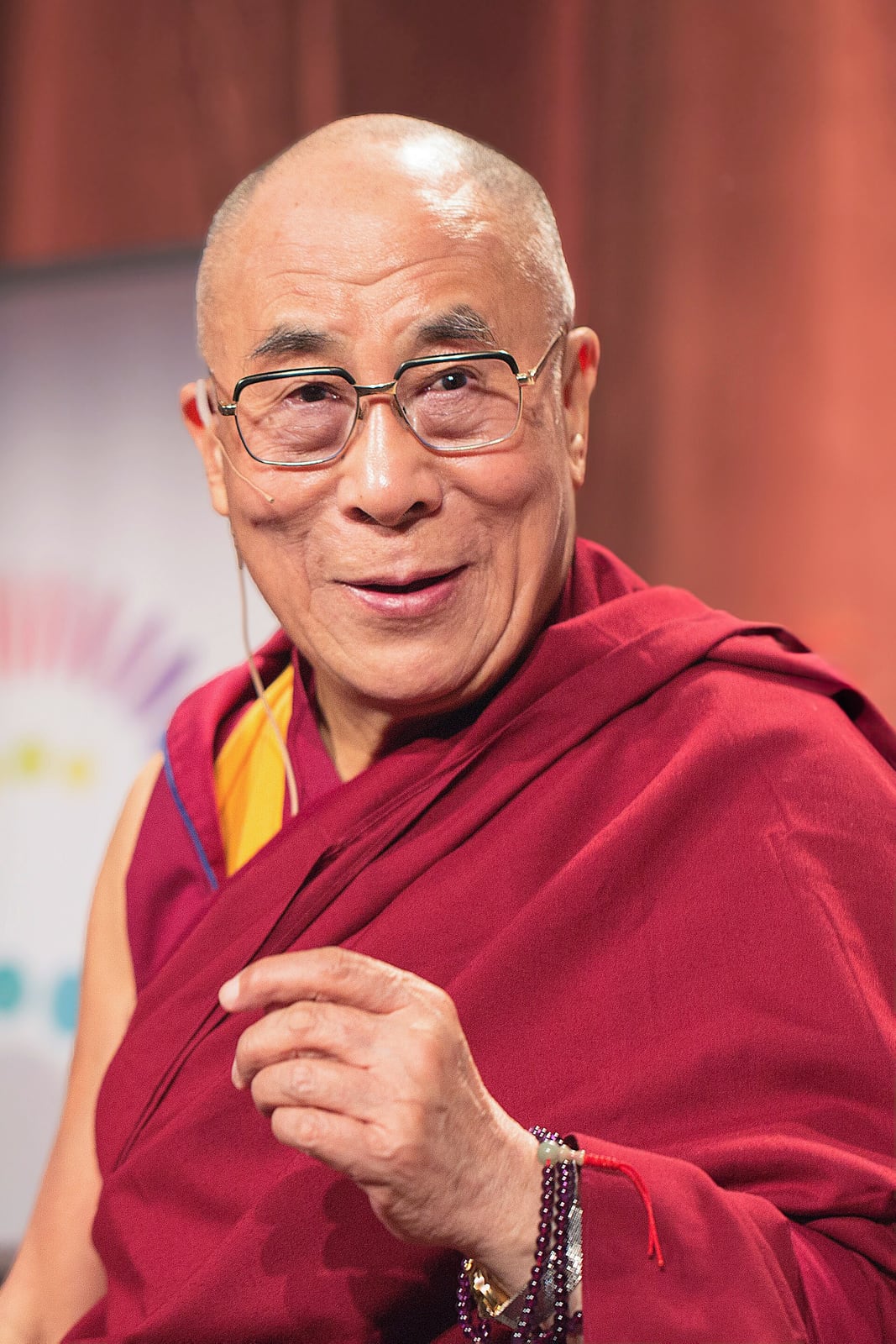
The accounts in the Pali canon place the Buddha's awakening under a tree at Uruvelā, today's Bodh Gayā. The Mahāsaccaka Sutta (Majjhima Nikāya 36) describes it as three successive knowledges in a single night, the last of which is the understanding of the four noble truths and the extinction of the defilements. The awakened one knows that birth is exhausted and that what had to be done is done. Tradition distinguishes stages on the path, from the stream-enterer to the arhat, and the Mahāyāna adds the complete awakening of a buddha, directed to the good of all. The Dalai Lama insists that it is a gradual process of transforming the mind.
Zen / Chan · kenshō / satori
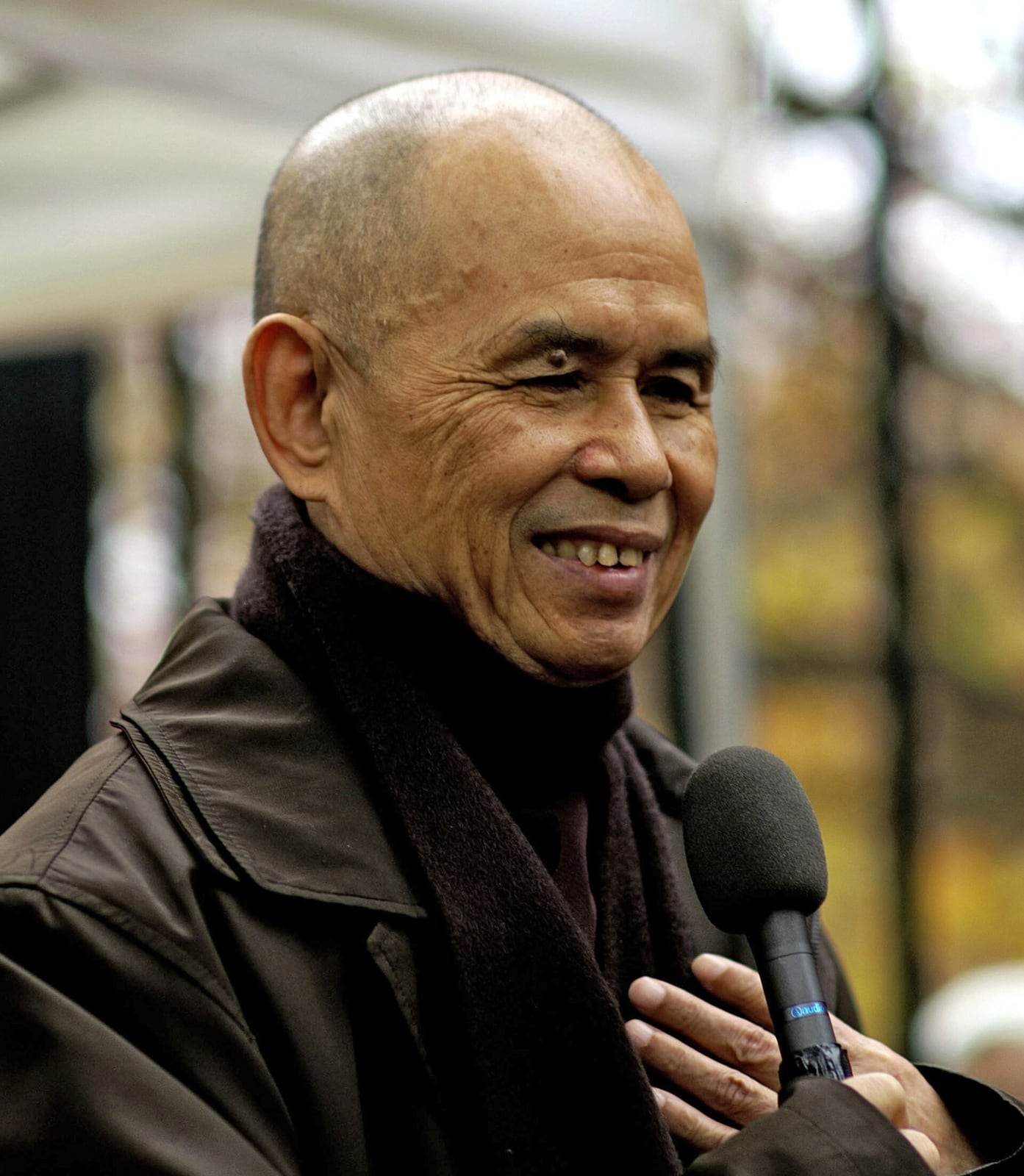
Chinese Chan and Japanese Zen made sudden awakening their hallmark. The Platform Sūtra opposes Huineng's Southern school, which upholds the direct seeing of one's own nature, to the Northern school, which supposedly taught gradual purification; historians regard that opposition as largely polemical. In the Rinzai school, kōan practice seeks to provoke kenshō, which must then mature over years. Dōgen, founder of Japanese Sōtō, rejects pursuing satori as a goal: in the Bendōwa he holds that practice and realisation are not two. Thich Nhat Hanh, of the Vietnamese Linji lineage, speaks of awakening in each moment of mindfulness.
Christianisme · phōtismós / illuminatio
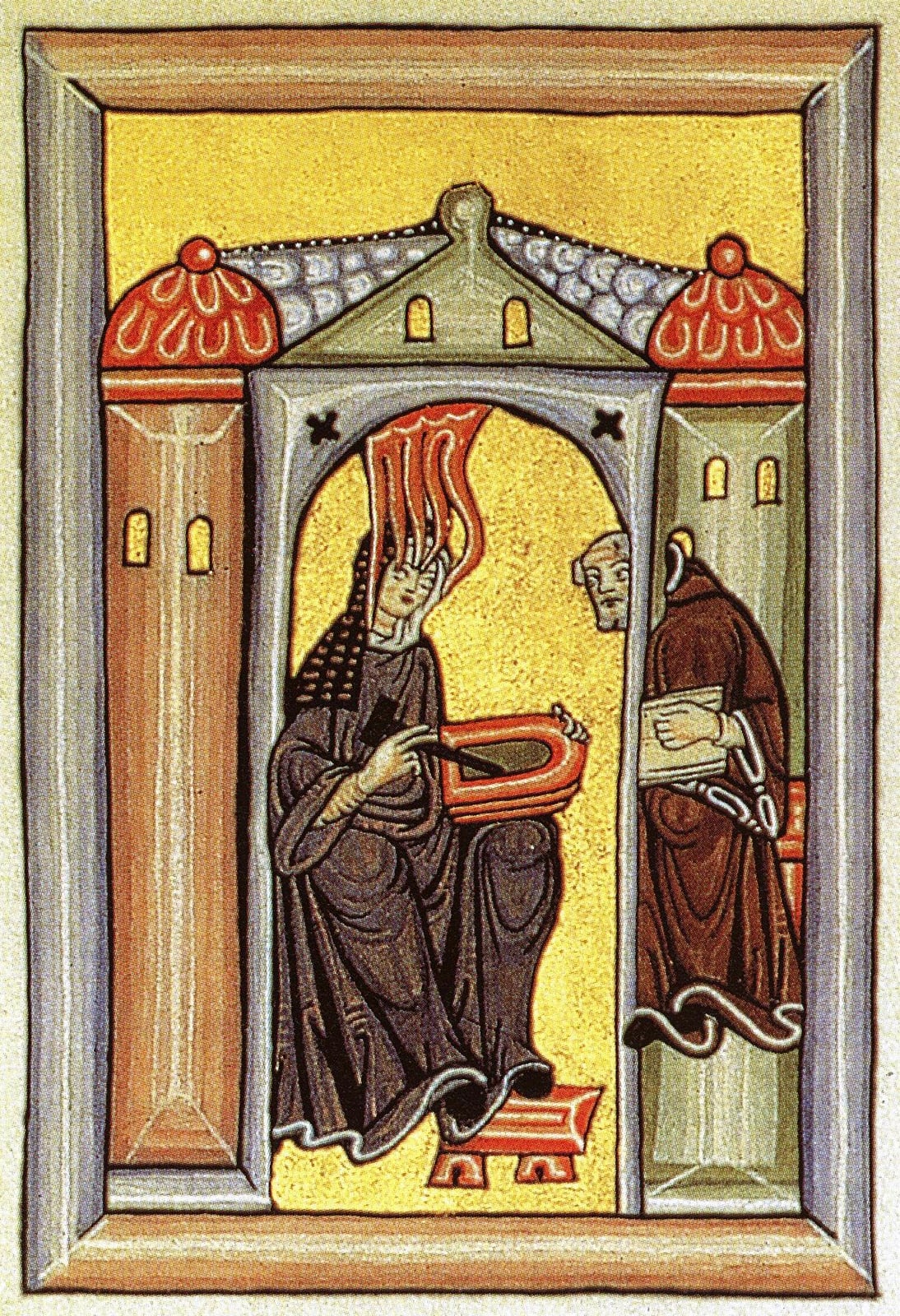
In Christianity illumination has two senses. One is sacramental: Justin, around the year 155, calls baptism illumination (First Apology, 61), because the one who receives it is enlightened in understanding. The other is spiritual: Dionysius the Areopagite describes purification, illumination and perfection as the movement of the whole hierarchy (Celestial Hierarchy, ch. 3), and medieval theology turned this into the illuminative way, the stage between the purgative and the unitive. Augustine adds a theory of knowledge: we understand what is true in God's light. Hildegard describes her visions as coming from the shadow of the living light. In every case the light comes from outside.

Islam · ishrāq
The Light Verse (Qur’an 24:35) presents God as the light of the heavens and the earth, compared to a lamp in a niche, and was endlessly commented on by theologians and mystics; al-Ghazālī devoted The Niche of Lights to it. Shihāb al-Dīn Suhrawardī (1154-1191) founded the school of illumination: in Ḥikmat al-ishrāq he holds that reality is light in differing degrees of intensity, that true knowledge is the direct presence of the known rather than reasoning, and that this wisdom was shared by the ancient Persian and Greek sages. His influence was great on later Persian philosophy, above all on Mullā Ṣadrā.
Advaita Vedanta · jñāna
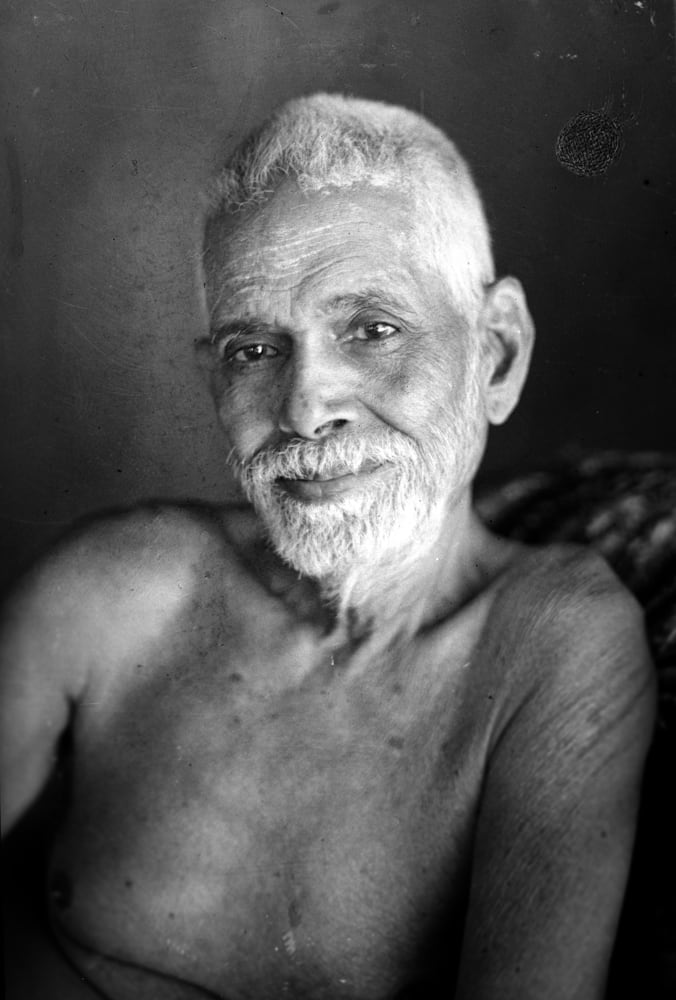
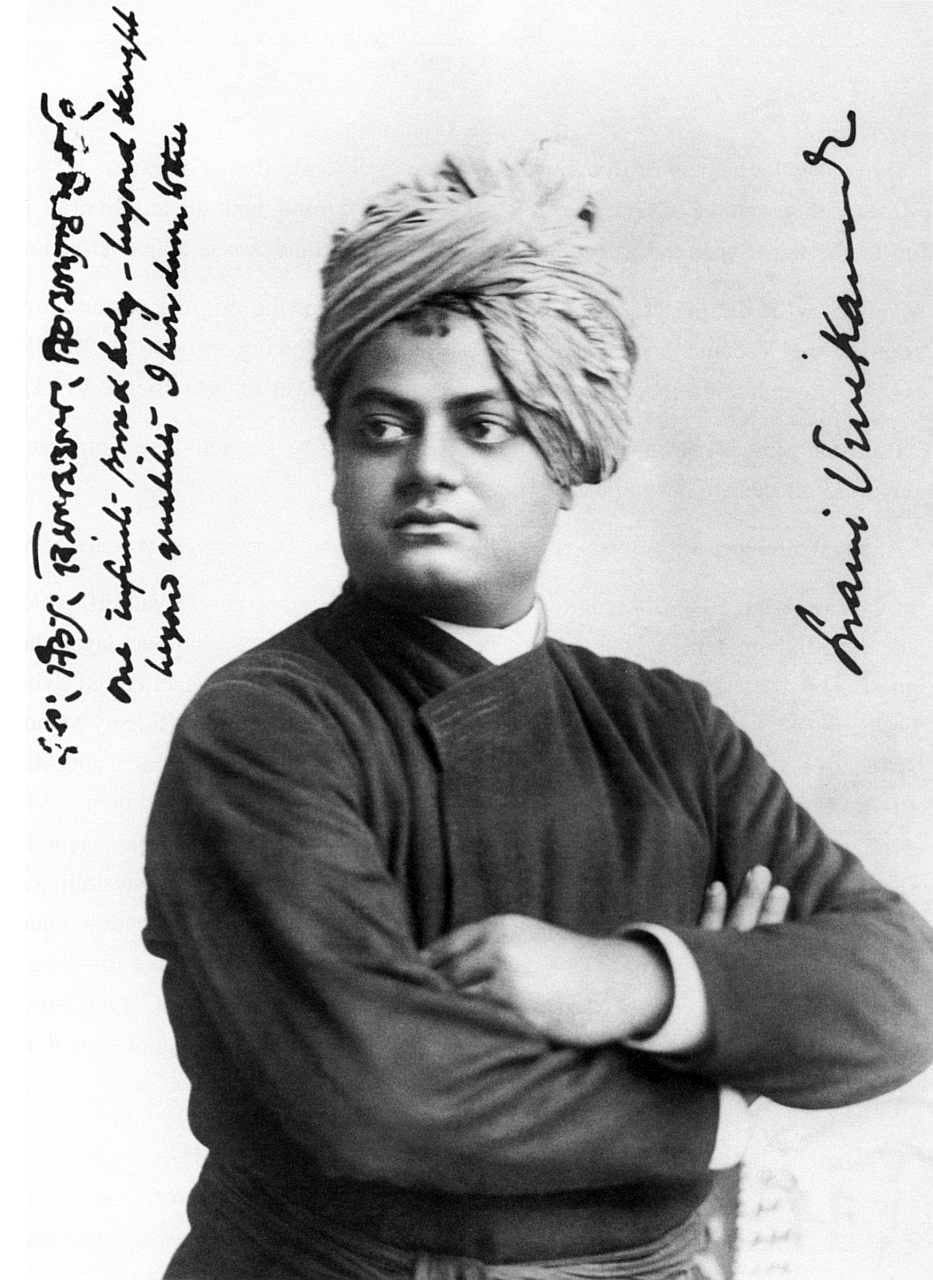
Vedānta speaks not of enlightenment but of knowledge (jñāna) or Self-realisation. For Śaṅkara the Self already is what it is and has always been free; what is attained is the end of ignorance, which allows liberation in life. Ramana Maharshi related that at sixteen, in Madurai, an intense experience of death revealed to him that he was not the body, and from then on he held that realisation is not the acquisition of something new but the removal of what conceals it. Vivekananda spoke of superconsciousness and samādhi. Nisargadatta denied that there was anyone who becomes enlightened: the ultimate precedes all experience.

Recherche sur la conscience · enlightenment
In the spiritual language of the late twentieth century, enlightenment came to designate a state of consciousness supposedly describable without doctrinal commitment. David R. Hawkins, in Power vs. Force (1995), proposed a numerical scale of levels of consciousness in which enlightenment occupies the highest band, between 700 and 1000, and recounted his own experience as the irruption of a Presence. Eckhart Tolle opens The Power of Now with the account of a sudden transformation. These proposals should be read as testimonies and personal models: Hawkins' scale rests on muscle testing that scientific research has not validated.


Questions liées