Consciousness
चित्
cit
sa · Devanagari
Pure consciousness; in Vedānta, one of the three names of Brahman (sat-cit-ānanda): the light that knows without being an object of knowledge.
विज्ञान
vijñāna
sa · Devanagari
Discriminating cognition; in Buddhism, one of the five aggregates, which arises dependent on an organ and an object and is not a self.
རིག་པ
rig pa
bo · Tibetan
Knowing, lucid awareness; in Dzogchen, primordial awareness as distinguished from ordinary mind (sems).
心
xīn
zh · Han
Heart-mind; in Chinese thought, the seat at once of thinking, feeling and willing, without the Western separation between reason and affect.
συνείδησις
syneídēsis
grc · Greek
Knowing with oneself; in Paul and Christian tradition, the moral conscience that judges one’s own acts.
conscientia
conscientia
la · Latin
Shared knowledge or knowledge of oneself; first moral conscience and, from seventeenth-century philosophy on, also consciousness in the psychological sense.
One word for several questions
In English, conscience and consciousness have separated, but in many European languages a single word still carries both senses, and that ambiguity reflects a history. The Latin conscientia and the Greek syneídēsis first meant knowing something together with another, or knowing something about oneself, and they specialised in moral conscience: the voice that accuses or excuses. Only with seventeenth-century philosophy, above all with Descartes and Locke, did the word come to designate the fact of being aware, first-person experience. Beneath one term, then, several questions are hidden: what being aware is, whether consciousness depends on the brain or precedes it, whether it has degrees, and how it relates to the good.
Asian traditions do not always separate these questions as the West does, nor do they separate them in the same way as one another. Comparing them requires looking carefully at where they draw the line between what is conscious and what is material.
Where the line is drawn
Sāṃkhya offers an extreme case. For this school, mind, intellect (buddhi) and the sense of self belong to material nature (prakṛti); consciousness is solely the witness (puruṣa), which neither acts nor changes. What the West calls mind is here subtle matter. Vedānta keeps that intuition: cit, pure consciousness, is one of the names of Brahman and cannot be an object, because it is what knows every object. The Māṇḍūkya Upaniṣad (verses 3-7) goes through waking, dreaming and deep sleep, and names a fourth (turīya) that is not one more state but the ground of the three.
Early Buddhism denies this. Vijñāna is one of the five aggregates and arises dependent on an organ and an object: there is visual, auditory and mental consciousness, but no consciousness that passes intact from life to life. The Mahātaṇhāsaṅkhaya Sutta (Majjhima Nikāya 38) shows the Buddha rebuking the monk Sāti for holding the opposite. The Yogācāra school later developed a theory of eight consciousnesses, including a storehouse consciousness (ālaya-vijñāna) that preserves the seeds of actions. Tibetan Buddhism defines mind as clarity and knowing, and Dzogchen distinguishes ordinary mind (sems) from rig pa, primordial awareness that recognises itself.
China speaks of xīn, heart-mind, which thinks and feels at once. Mencius places in it the four sprouts of virtue (2A6), so that consciousness is moral from the outset. The Analects (2.4) describe Confucius' maturity at seventy as following what his heart desired without transgressing the norm.
What is shared and what is distinct
The twentieth century added new languages. Gurdjieff and Ouspensky spoke of four states of consciousness, of which the ordinary human being knows only two; David R. Hawkins proposed a scale of levels of consciousness; neuroscience, from the end of the century, has treated consciousness as an empirical problem.
There are agreements: many traditions distinguish between the contents of experience and that which is aware of them, and almost all hold that ordinary consciousness is not the only one possible. But they diverge on the fundamentals. For Vedānta consciousness is the only reality; for Buddhism it is a conditioned process; for Sāṃkhya, an inactive witness facing a material mind; for Confucianism, a heart that feels duty; for the Christian tradition, above all a moral judgement. Comparing without noticing these boundaries produces equivalences that no text supports.
Depuis chaque tradition
Advaita Vedanta · cit
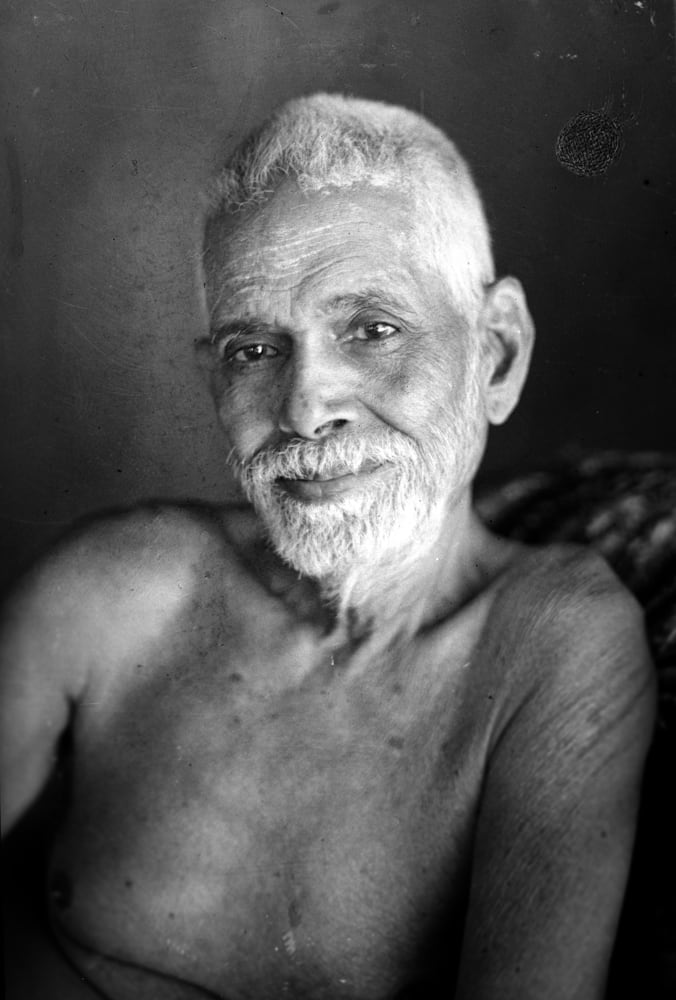
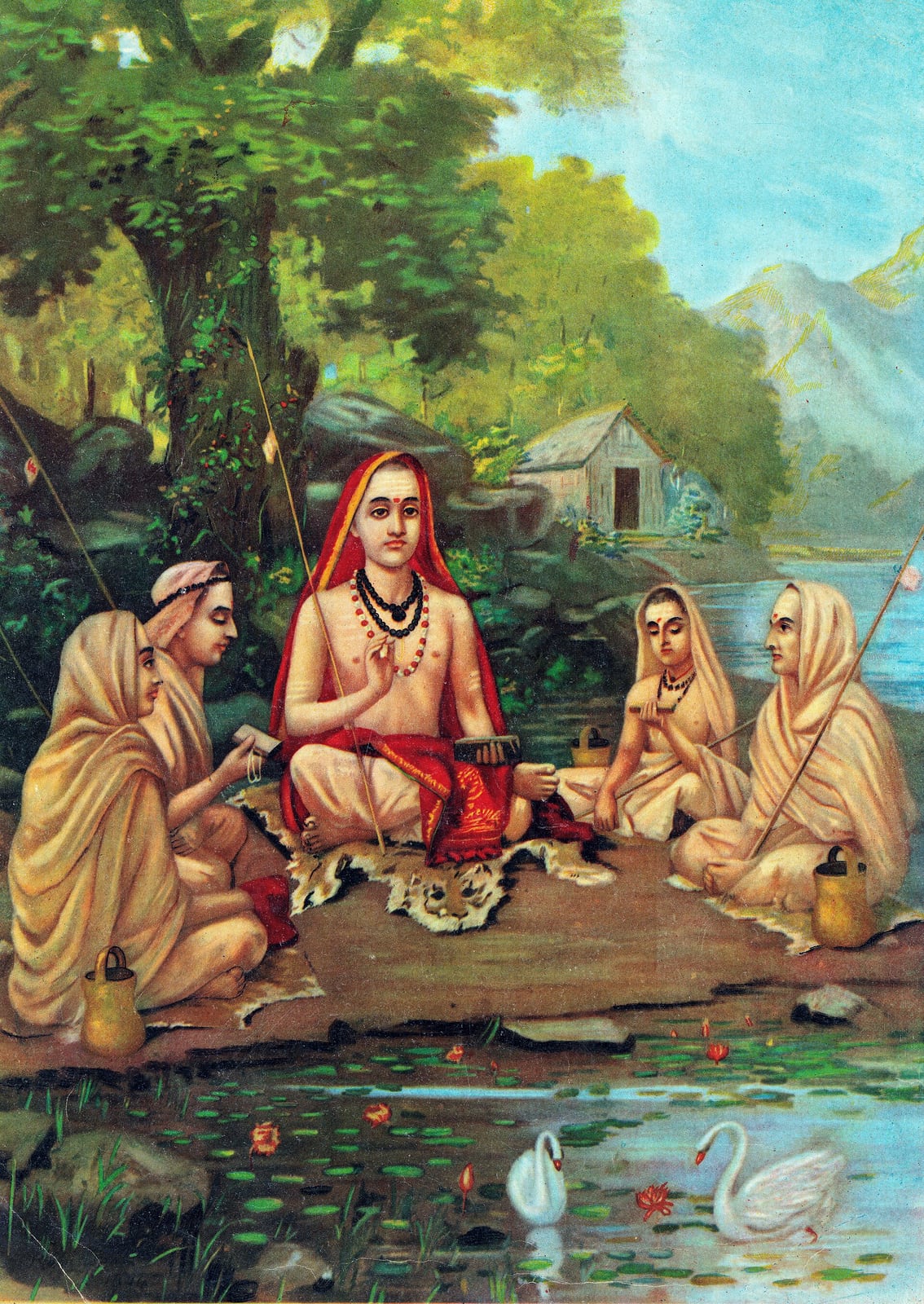
For non-dual Vedānta, Brahman is being, consciousness and fullness (sat-cit-ānanda), and pure consciousness is the witness (sākṣin) of all states of mind without being affected by them. The Māṇḍūkya Upaniṣad describes three states and a fourth that sustains them, and Śaṅkara insists that the knower cannot become an object. Ramana Maharshi taught turning attention towards that consciousness by asking who it is that is aware. Nisargadatta Maharaj introduced a nuance of his own: the consciousness of I am is still a product bound to the body, and the Absolute precedes even that. Not every teacher of the school would accept this distinction.
Mahāyāna · vijñāna
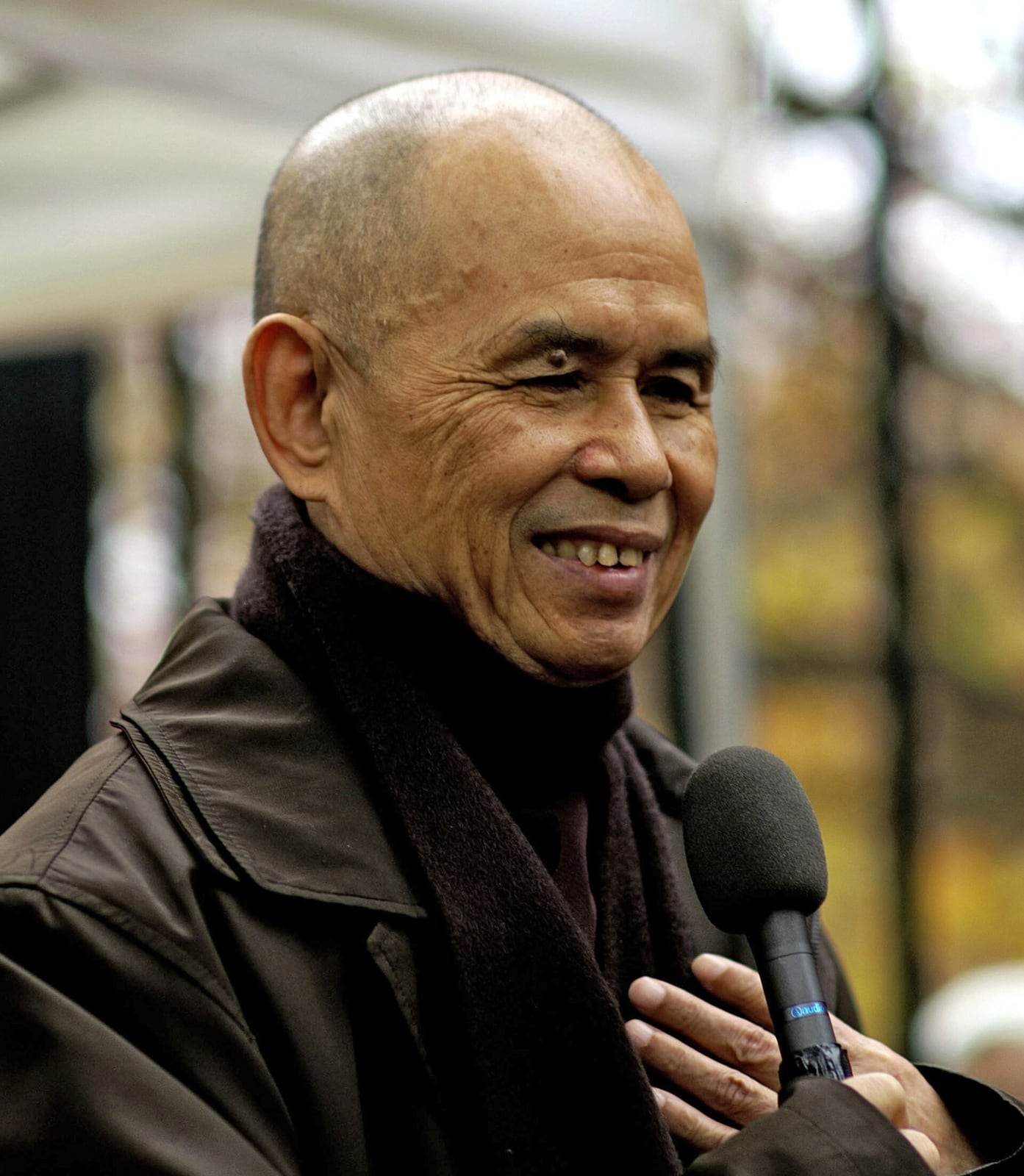
The Yogācāra school, founded in India by Asaṅga and Vasubandhu in the fourth century, distinguishes eight consciousnesses: the five of the senses, mental consciousness, a consciousness that clings to the idea of self (manas) and the storehouse consciousness (ālaya-vijñāna), where the traces of actions are deposited as seeds. Experiences arise when those seeds ripen. This theory posits no self, but explains the continuity of the person and of karma. Thich Nhat Hanh set it out in Understanding Our Mind (2006), based on Vasubandhu's Thirty Verses and their Chinese tradition, and turned it into a practical psychology: watering wholesome seeds and not harmful ones.
Bouddhisme tibétain · rig pa
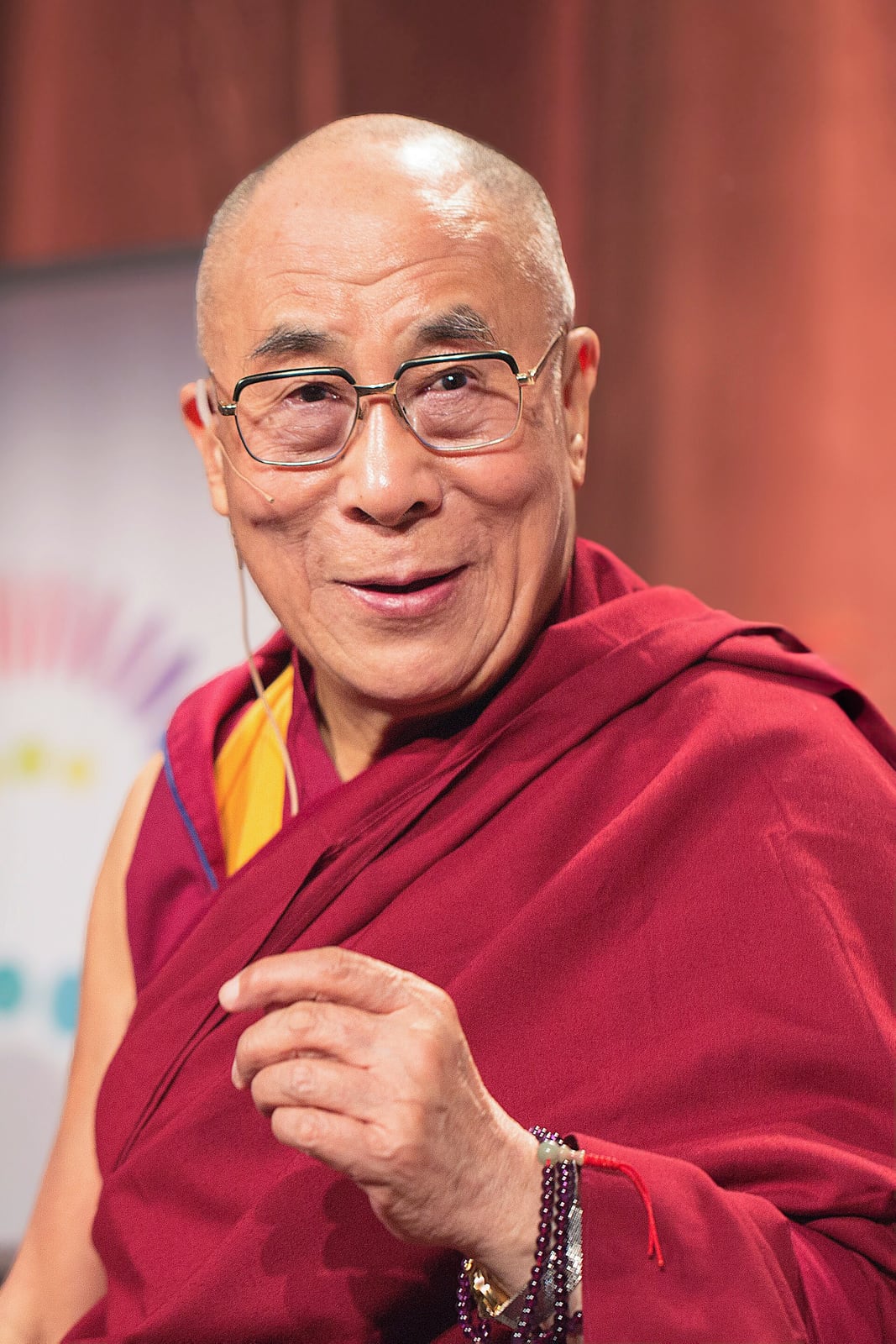
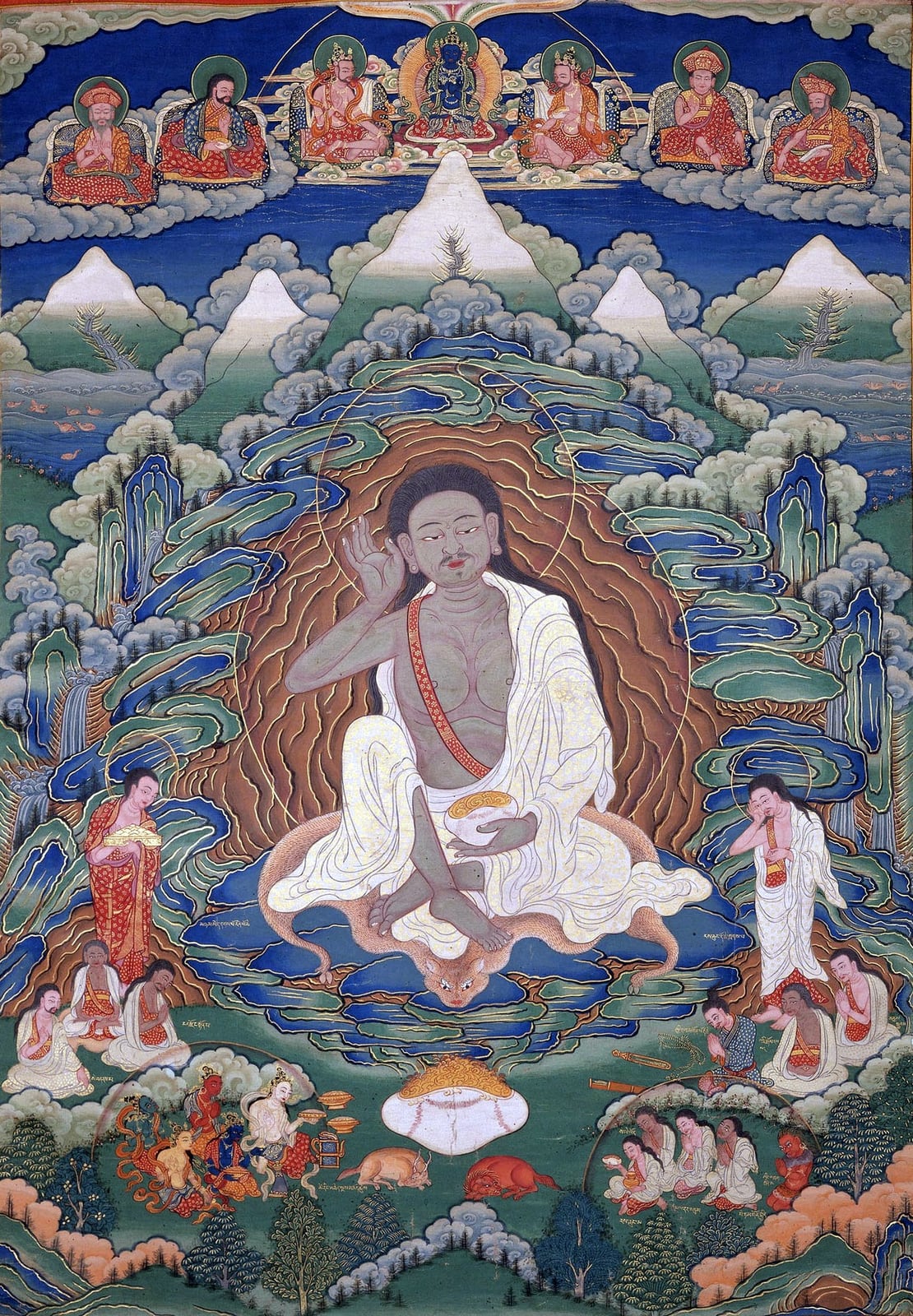
Tibetan epistemology, heir to Dharmakīrti, defines mind as that which is clear and knowing: it is not matter, though it depends on conditions. On that basis Dzogchen distinguishes ordinary mind (sems), which fabricates and judges, from rig pa, primordial awareness, empty and luminous, which the practitioner recognises through a teacher's introduction. The songs attributed to Milarepa describe the mind in its nature in a similar way, from the Mahāmudrā of the Kagyu school. The Dalai Lama has kept up for decades, at the meetings of the Mind and Life Institute, a dialogue with neuroscience on whether consciousness can be reduced to brain activity, a question he regards as open.
Confucianisme · 心
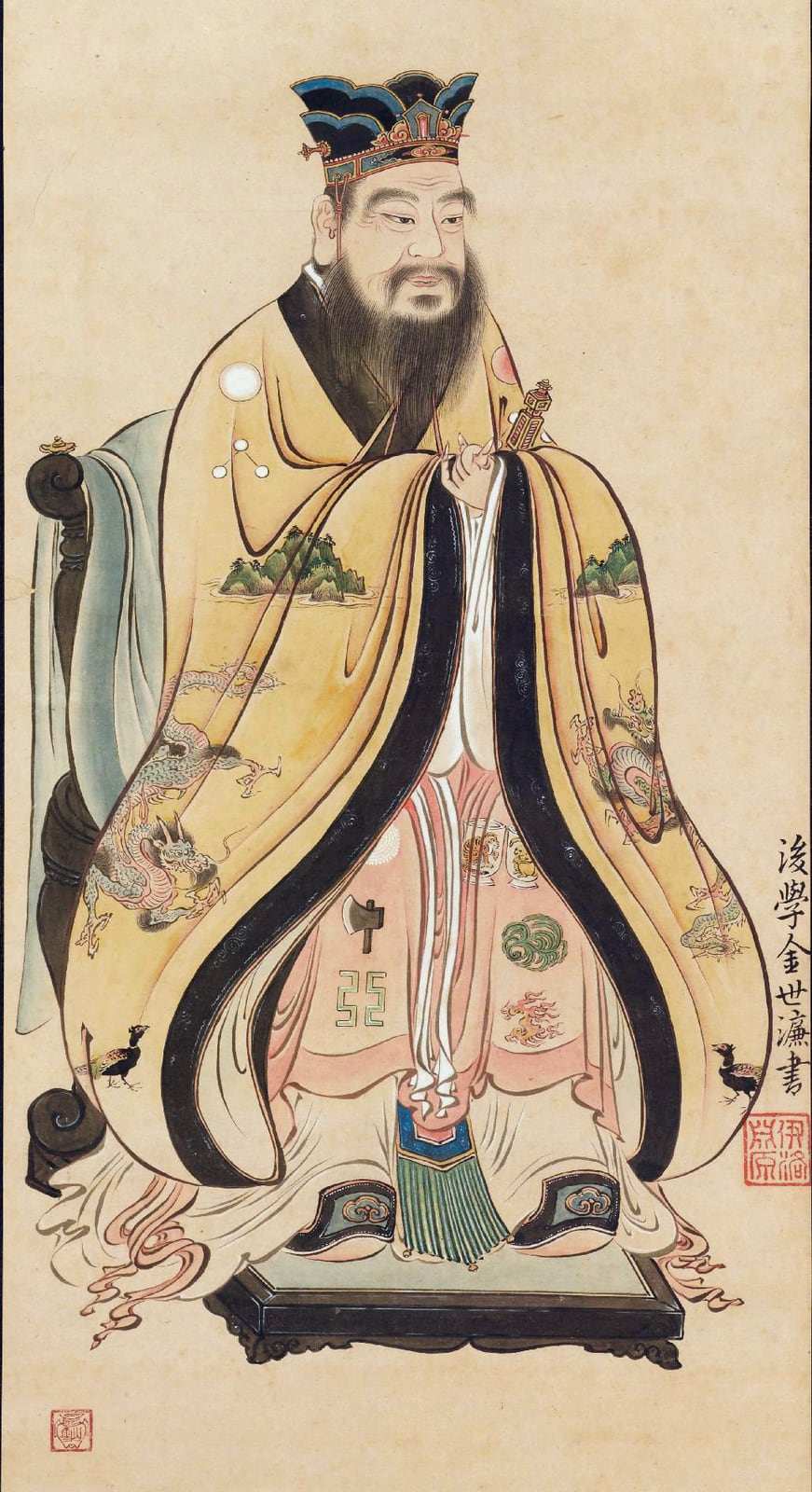
Confucian thought does not separate consciousness from moral life. The character 心 designates at once the heart and the mind, the organ that thinks, feels and judges. Mencius states that every human being has in the heart four sprouts, commiseration, shame, deference and the sense of right and wrong, which when grown are the four virtues (2A6). The Analects (2.4) sum up Confucius' course until, at seventy, he could follow the desires of his heart without overstepping the norm. The question of the nature of consciousness as a psychological fact does not arise; what matters is to cultivate it.
Christianisme · syneídēsis / conscientia
In the New Testament, syneídēsis is moral conscience. Paul writes that the Gentiles, who do not have the Law, show that it is written on their hearts, their conscience bearing witness and accusing or excusing them (Romans 2:15), and he asks that a brother's weak conscience be respected (1 Corinthians 8). Scholasticism distinguished synderesis, a natural habit that knows the first principles of action, from conscience, an act that applies them to a particular case (Thomas Aquinas, Summa theologiae I, question 79, articles 12 and 13). Conscience can err, but it binds. For the Christian tradition, consciousness in the moral sense is where the person answers before God.
Quatrième Voie · estados de consciencia
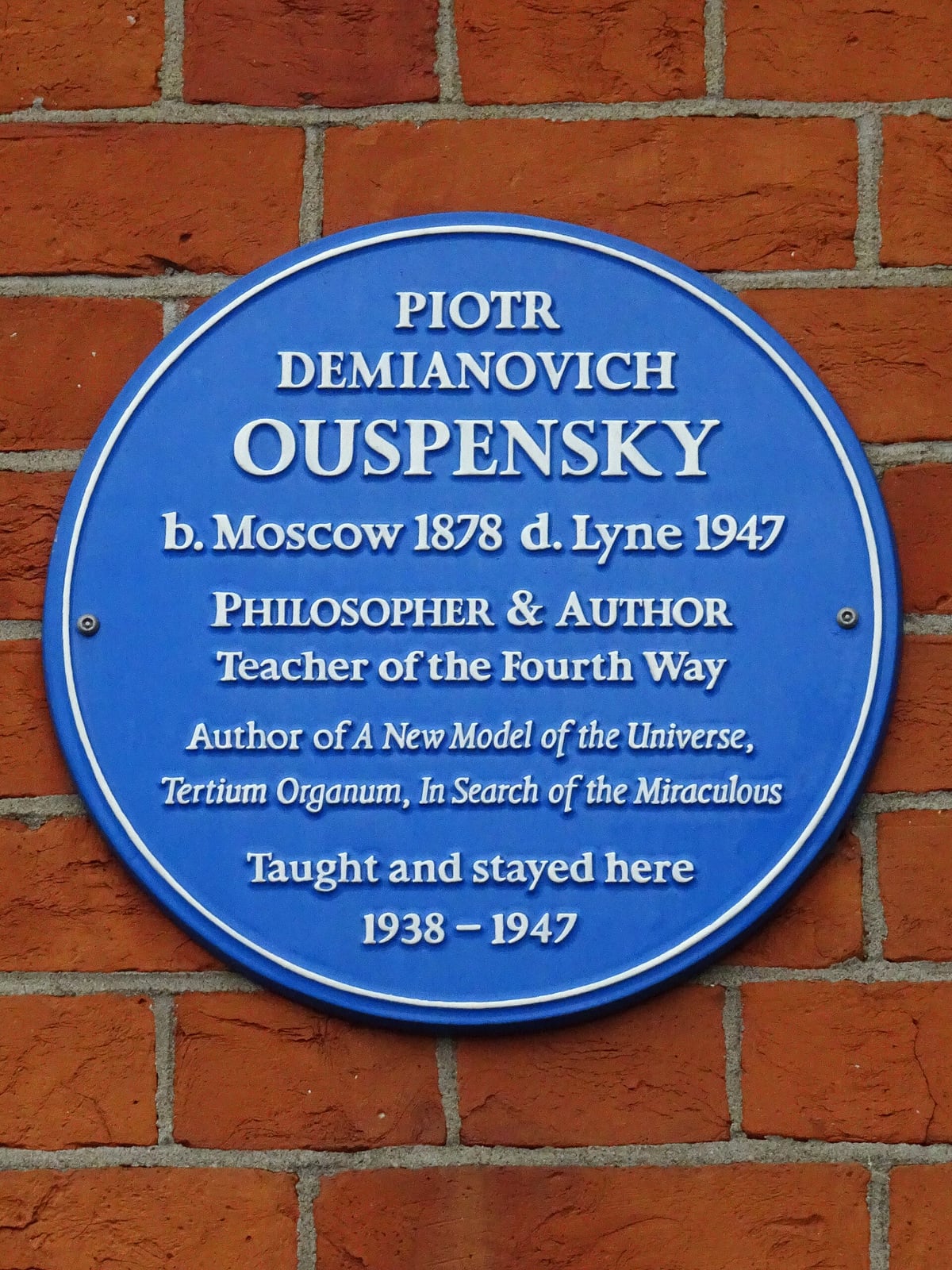
Gurdjieff, according to Ouspensky's account in In Search of the Miraculous, distinguished four states of consciousness: sleep, the ordinary waking state, which he called relative consciousness and which was in fact another form of sleep, self-consciousness and objective consciousness. The ordinary human being knows only the first two and believes he possesses the others. Self-consciousness appears in brief moments and can be cultivated through self-remembering; objective consciousness would allow one to know things as they are. This teaching does not identify consciousness with a divine ground but with a capacity that is earned by effort and that most people never develop.

Questions liées