Stoicism
Zeno of Citium
Ζήνων ὁ Κιτιεύς
c. 334 BCE – c. 262 BCEHistorically documented person
Greek philosopher born at Citium in Cyprus (c. 334–262 BCE), founder of Stoicism. A merchant who reached Athens after a shipwreck, he trained with the Cynic Crates, with Megarians and with Academics, and around 300 BCE began teaching in the Stoa Poikile, the painted portico that gave the school its name. He defined the end of life as living in agreement and divided philosophy into logic, physics and ethics. His writings, beginning with the Republic, are lost: we know them through fragments and testimonies.
- works
- 28works
- editions
- 24editions
- quotes
- 10quotes
- videos
- 10videos
- images
- 5images
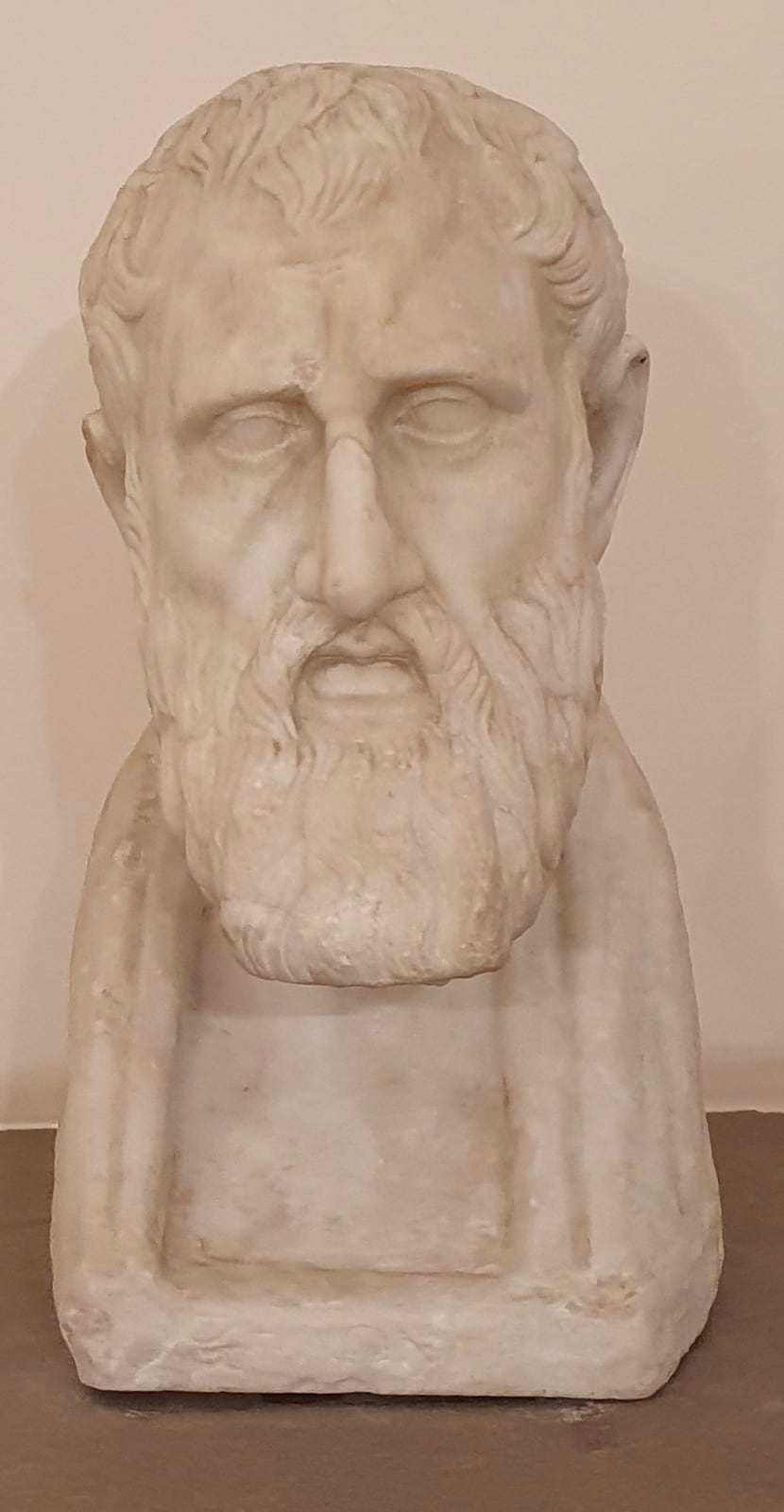
Busto de Zenón de Citio (colección Farnese, Nápoles) · CC BY-SA 4.0
In their words
«I made a prosperous voyage when I suffered shipwreck.»Diógenes Laercio VII 4; Laercio advierte que otros sitúan el dicho en la época en que seguía a Crates. Griego: Diógenes Laercio VII, ed. de Wikisource griega; inglés: R. D. Hicks (Loeb, 1925, dominio público); español: traducción propia.

Their central idea
Living in agreement (homologia): The end (*telos*) of human life, according to Zeno, is "living in agreement".
See in context
Biography
5 min read
A founder without books
Zeno of Citium founded one of the most influential schools of antiquity, and not a single page of his survives. His twenty-odd books were lost, partly, one may suppose, because the treatises of his third successor, Chrysippus, made them unnecessary to the school itself. What we know comes from Book VII of Diogenes Laertius' Lives, which gathers anecdotes, an Athenian decree and the list of his works, and from hundreds of quotations and paraphrases in Cicero, Plutarch, Stobaeus, Sextus Empiricus or Athenaeus, collected in 1905 by Hans von Arnim in the first volume of the Stoicorum veterum fragmenta. Those sources often speak of "the Stoics" without distinguishing the founder from his followers, and separating what is his is a delicate task.
The merchant from Citium
He was born around 334 BCE at Citium, on the south coast of Cyprus, a Greek city with a large Phoenician population; his opponents called him "the Phoenician" and he never concealed his origin. He was the son of Mnaseas, a merchant who, according to Demetrius of Magnesia, brought him Socratic books from Athens as a boy. Laertius describes him as lean, tall, swarthy, with a wry neck, fond of green figs and of the sun. Around 312, aged about twenty-two according to his pupil Persaeus, he was shipwrecked with a cargo of purple near Piraeus. He went up to Athens, sat down in a bookshop and read the second book of Xenophon's Memorabilia; he asked where men like Socrates could be found, and the bookseller pointed to Crates the Cynic, who happened to pass by: "Follow that man."
Apprenticeship: the dog, Megara and the Academy
From Crates he learned indifference to convention, though, Laertius says, he was too modest for Cynic shamelessness: the master made him carry a pot of lentil soup through the Ceramicus and, when Zeno tried to hide it, broke it with a blow of his staff. Afterwards he frequented Stilpo of Megara, Diodorus Cronus and Polemo, head of the Academy, who reproached him for slipping in by the garden door to steal his doctrines and dress them up in Phoenician fashion. Years later he would say he had made a good voyage when he was shipwrecked. From this manifold training came a system of his own: the Cynic ethics of self-sufficiency and virtue, Megarian dialectic, and the Socratic and Platonic heritage.
The Republic "on the dog's tail"
While still a pupil of Crates he wrote his most famous work, the Republic, and some said in jest that he had written it "on the dog's tail". It was a reply to Plato and a continuation of Diogenes of Sinope: a community of sages, the only true citizens, friends and free men, without temples, law courts or gymnasia, without coinage, with community of wives and the same dress for men and women. Plutarch summed up its ideal: that we should not live divided into cities and demes with laws of their own, but regard all men as fellow citizens, like a herd grazing together under a common law. His successors were at times embarrassed by the book; Chrysippus defended it as genuine, and a librarian at Pergamum went so far as to cut the awkward passages out of his works.
The painted portico
Around 300 BCE he began teaching as he walked up and down in the Stoa Poikile, the portico in the agora decorated by Polygnotus, where under the Thirty fourteen hundred citizens had been put to death. People came there to hear him, and his followers, first called Zenonians, came to be called Stoics, "the men of the portico". He spoke briefly and sharply, shunned crowds and lived with proverbial frugality: bread, honey, a little wine, a thin cloak; "more temperate than Zeno the philosopher" was an Athenian saying, and the comic poets mocked a philosophy that taught men to go hungry. Antigonus Gonatas, king of Macedon, attended his lectures when in Athens and invited him to his court; Zeno, by then old, sent him his pupils Persaeus and Philonides.
Logic, physics and ethics
Zeno was the first, according to Laertius, to divide philosophy into logic, physics and ethics. He defined the end of life as "living in agreement", that is, in accordance with a single consistent reason; Cleanthes, his successor, reportedly added "with nature", though other sources already credit Zeno with the full formula. He introduced the term kathekon, the appropriate or due action, and defined passion as an irrational movement of the soul, an excessive impulse, with four genera: distress, fear, desire and pleasure. In physics, the world is a living, rational being formed of an active principle, the logos or god, and a passive one, matter; the soul is a warm breath. Cicero preserves the gesture with which he explained knowledge: the open hand was presentation, the fingers slightly bent assent, the closed fist comprehension, and the fist gripped by the other hand knowledge, which only the sage possesses.
A Stoic death
He died around 262 BCE. According to Laertius, as he left the school he tripped and broke a toe; he struck the ground with his hand, quoted a line from Timotheus' Niobe—"I come; why do you call me?"—and died on the spot by holding his breath. Another version says he stopped eating. Persaeus gave him seventy-two years; other sources ninety-eight. The Athenians, who had entrusted him with the keys of the walls, voted to crown him with a golden crown and bury him at public expense in the Ceramicus, because he had exhorted the young to virtue and his life had been an example of what he taught. On hearing of it, Antigonus said he had lost his audience.
The legacy of the Stoa
He was succeeded by Cleanthes of Assos and then by Chrysippus of Soli, who turned his insights into a system so complete that the school stopped reading its founder. The Stoa lasted five centuries, passed to Rome with Panaetius and Posidonius and culminated in Seneca, Epictetus and Marcus Aurelius; Epictetus advised asking, before any powerful man, what Socrates or Zeno would have done. His idea of a law and a citizenship common to all rational beings nourished modern natural law and cosmopolitanism. In Larnaca, ancient Citium, the city remembers its most famous son to this day.
Sources: Diógenes Laercio. Vidas y opiniones de los filósofos ilustres, libro VII, 1–160 (Zenón y la doctrina estoica), s. III d. C. Trad. inglesa de R. D. Hicks, Loeb Classical Library 185, 1925 (Wikisource en inglés); texto griego en Wikisource griega; trad. de C. D. Yonge, Bohn, 1853 (Project Gutenberg n.º 57342). · Diógenes Laercio. Los diez libros de Diógenes Laercio sobre las vidas, opiniones y sentencias de los filósofos más ilustres, trad. de José Ortiz y Sanz, tomo II (libros VI–X). Imprenta Real, Madrid, 1792 (Internet Archive). · Arnim, Hans von (ed.). Stoicorum veterum fragmenta, vol. I: Zeno et Zenonis discipuli. Teubner, Leipzig, 1905 (Internet Archive). · Pearson, Alfred C. (ed.). The Fragments of Zeno and Cleanthes, with Introduction and Explanatory Notes. C. J. Clay, Londres, 1891 (Internet Archive). · Cappelletti, Ángel J. (introd., trad. y notas). Los estoicos antiguos: Zenón, Aristón, Apolófanes, Herilo, Dionisio de Heraclea, Perseo, Cleantes, Esfero. Gredos (Biblioteca Clásica Gredos, 230), Madrid, 1996.
Timeline
A life, year by year
Each point is a documented event. Click to read it, with its source and degree of certainty.
c. 334 BCEage 0Citio (Chipre)
Birth
Born at Citium, son of Mnaseas (or Demeas). The date is inferred from Persaeus' chronology (arrival in Athens at 22, death at 72) and the Athenian decree of the archonship of Arrhenides (262/261 BCE). Wikidata records 334. Years BCE are expressed as negative numbers.
ProbableDiógenes Laercio. Vidas y opiniones de los filósofos ilustres, libro VII, 1–160 (Zenón y la doctrina estoica), s. III d. C. Trad. inglesa de R. D. Hicks, Loeb Classical Library 185, 1925 (Wikisource en inglés); texto griego en Wikisource griega; trad. de C. D. Yonge, Bohn, 1853 (Project Gutenberg n.º 57342).
After their death
- c. 230 BCEChrysippus heads the Stoa
- c. 50 BCEPhilodemus, On the Stoics
- 1891Pearson edits the fragments
- 1905Stoicorum veterum fragmenta, vol. I
c. 334 BCE · age 0
Birth
Born at Citium, son of Mnaseas (or Demeas). The date is inferred from Persaeus' chronology (arrival in Athens at 22, death at 72) and the Athenian decree of the archonship of Arrhenides (262/261 BCE). Wikidata records 334. Years BCE are expressed as negative numbers.
Probable
c. 312 BCE · age 22
Shipwreck and meeting with Crates
He is shipwrecked with a cargo of purple near Piraeus, reads Xenophon's Memorabilia in an Athenian bookshop and becomes a pupil of Crates the Cynic (Diogenes Laertius VII 2–3). Laertius also gives the age of thirty.
Tradition
c. 310 BCE
The Republic
While still a pupil of Crates he writes the Republic, inspired by that of Diogenes of Sinope; it was jokingly said that he had written it "on the dog's tail" (Diogenes Laertius VII 4).
Probable
c. 305 BCE
With Stilpo, Diodorus and Polemo
He leaves Crates and studies with the Megarian Stilpo, the dialectician Diodorus Cronus and Polemo, head of the Academy; according to Laertius, for some twenty years (VII 2, 4, 16, 25).
Probable
c. 300 BCE
Begins teaching in the Painted Stoa
He begins teaching in the Stoa Poikile in the agora; his followers, first called Zenonians, come to be called Stoics (Diogenes Laertius VII 5).
Probable
c. 276 BCE
Antigonus Gonatas' invitation
Antigonus Gonatas, king of Macedon from 277/276, who attended his lectures, invites him to his court; Zeno sends Persaeus and Philonides. Laertius copies the exchange of letters, of disputed authenticity (VII 6–9).
Probable
c. 262 BCE · age 72
Death and public honours
He dies after tripping as he left the school (Diogenes Laertius VII 28). An Athenian decree of the archonship of Arrhenides grants him a golden crown and a tomb in the Ceramicus at public expense (VII 10–12).
Probable
c. 262 BCE
Cleanthes, second scholarch
Cleanthes of Assos succeeds him at the head of the school; Zeno compared him to hard wax tablets, hard to write on but retaining what is written (Diogenes Laertius VII 37).
Documented
c. 230 BCE
Chrysippus heads the Stoa
Chrysippus of Soli heads the school around 230–206 BCE and systematises the doctrine; his treatises displace Zeno's.
Documented
c. 50 BCE
Philodemus, On the Stoics
Philodemus of Gadara discusses the Republics of Zeno and Diogenes and the Stoic attempts to disown them (PHerc. 155 and 339).
Documented
1891
Pearson edits the fragments
Alfred C. Pearson publishes The Fragments of Zeno and Cleanthes, the first annotated edition of Zeno's fragments.
Documented
1905
Stoicorum veterum fragmenta, vol. I
Hans von Arnim collects in the first volume of the SVF the fragments and testimonies of Zeno and his immediate pupils; its numbering remains the standard reference.
Documented
Works
Essential works
The works without which their legacy cannot be understood.
Written work · c. 310 BCE
Republic (Politeia)
Πολιτεία
Zeno's most famous work, written in his youth while he still followed Crates. According to the critics cited by Diogenes Laertius (VII 32–33), it declared ordinary education useless, called those who are not virtuous enemies and strangers to one another and reserved for the good the status of citizens, friends and free men; it established community of wives, forbade building temples, law courts and gymnasia, dispensed with coinage and ordered men and women to dress alike. Plutarch sums it up as the project of a single way of life and a single order for all men, like a herd under a common law. It is the founding text of Stoic cosmopolitanism.
5 editions · amazon.com
Written work
On Impulse, or On Human Nature
Περὶ ὁρμῆς ἢ περὶ ἀνθρώπου φύσεως
In this treatise, according to Diogenes Laertius (VII 87), Zeno was the first to designate as the end of life "living in agreement with nature", which amounts to living according to virtue, since nature leads us to it. The double title indicates that the work studied impulse (horme), the tendency that moves animals and that in man should be governed by reason. Other sources (Stobaeus) credit Zeno with the short formula "living in agreement" and Cleanthes with the addition "with nature"; the contradiction between the two testimonies is still debated.
4 editions
Later compilation · 1905
Fragments and testimonies
Ζήνωνος ἀποσπάσματα (SVF I 1–332)
The only form in which Zeno can be read today. It comprises the life and sayings in Diogenes Laertius VII 1–38—the shipwreck, the pot of lentils, "a friend is another self", "we have two ears and one mouth to listen more and speak less"—the doctrines the sources expressly attribute to him in logic (comprehension illustrated with the hand), physics (the two principles, fire, the soul as warm breath) and ethics (the end, the appropriate, the passions), and the testimonies on his Republic. Von Arnim's edition numbers 332 fragments of Zeno.
11 editions · amazon.com
Complete works (28)
Zeno of Citium
On Life according to Nature
The Conscious LibraryOn Life according to Nature
Zeno of Citium
On the Passions
The Conscious LibraryOn the Passions
Zeno of Citium
On the Appropriate (Duty)
The Conscious LibraryOn the Appropriate (Duty)
Zeno of Citium
On Law
The Conscious LibraryOn Law
Zeno of Citium
On Greek Education
The Conscious LibraryOn Greek Education
Zeno of Citium
On Vision
The Conscious LibraryOn Vision
Zeno of Citium
On the Whole (the Universe)
The Conscious LibraryOn the Whole (the Universe)
Zeno of Citium
On Signs
The Conscious LibraryOn Signs
Zeno of Citium
Pythagorean Questions
The Conscious LibraryPythagorean Questions
Zeno of Citium
Universals (General Questions)
The Conscious LibraryUniversals (General Questions)
Zeno of Citium
On Diction
The Conscious LibraryOn Diction
Zeno of Citium
Homeric Problems (5 books)
The Conscious LibraryHomeric Problems (5 books)
Zeno of Citium
On Listening to Poetry
The Conscious LibraryOn Listening to Poetry
Zeno of Citium
Art (Handbook of Rhetoric)
The Conscious LibraryArt (Handbook of Rhetoric)
Zeno of Citium
Solutions
The Conscious LibrarySolutions
Zeno of Citium
Refutations (2 books)
The Conscious LibraryRefutations (2 books)
Zeno of Citium
Memoirs of Crates
The Conscious LibraryMemoirs of Crates
Zeno of Citium
Ethics
The Conscious LibraryEthics
Zeno of Citium
On Reason (Discourse)
The Conscious LibraryOn Reason (Discourse)
Zeno of Citium
On Substance
The Conscious LibraryOn Substance
Zeno of Citium
On the Soul
The Conscious LibraryOn the Soul
Zeno of Citium
Art of Love
The Conscious LibraryArt of Love
Zeno of Citium
Diatribes (Interludes)
The Conscious LibraryDiatribes (Interludes)
Zeno of Citium
Chreiai (Anecdotes)
The Conscious LibraryChreiai (Anecdotes)
Quotations
Quotations located in a specific work. Each carries its provenance and its level of confidence.
I made a prosperous voyage when I suffered shipwreck.Νῦν εὐπλόηκα, ὅτε νεναυάγηκα.
ProbableDiógenes Laercio VII 4; Laercio advierte que otros sitúan el dicho en la época en que seguía a Crates. Griego: Diógenes Laercio VII, ed. de Wikisource griega; inglés: R. D. Hicks (Loeb, 1925, dominio público); español: traducción propia.
Apocryphal quotes or disputed attributions (2)
«Man conquers the world by conquering himself.»
It circulates online attributed to Zeno of Citium without any reference. It does not appear in Diogenes Laertius nor in the fragments collected by Pearson and von Arnim.
«We have two ears and one mouth so that we can listen twice as much as we speak.»
A modern, arithmetical version of the saying genuinely transmitted by Diogenes Laertius (VII 23), which says only "that we may listen more and talk less". The "twice as much" form is not in the ancient text.
Last words
Contradictory versions
«"I come, I come, why dost thou call for me?"»Ἔρχομαι· τί μ' αὔεις;
Diogenes Laertius VII 28: leaving the school he tripped and broke a toe; striking the ground with his hand, he recited this line from the poet Timotheus' Niobe, addressed to the earth or to death, and died on the spot by holding his breath. At VII 31 Laertius himself records the variant "I come of my own accord; why then call me?" and another tradition according to which he died by ceasing to eat, with no final words. English: R. D. Hicks; Spanish: own translation.
Source: Diógenes Laercio. Vidas y opiniones de los filósofos ilustres, libro VII, 1–160 (Zenón y la doctrina estoica), s. III d. C. Trad. inglesa de R. D. Hicks, Loeb Classical Library 185, 1925 (Wikisource en inglés); texto griego en Wikisource griega; trad. de C. D. Yonge, Bohn, 1853 (Project Gutenberg n.º 57342).
Ask
What their work answers
Twelve great human questions and what their texts allow us to answer, with references. We never put words in their mouth.
What is the Absolute? Does God exist?
God is the reason pervading matter, and its substance is the whole cosmos
An impersonal AbsoluteStated explicitly
Only testimonies and fragments of Zeno survive, but they already contain the core of Stoic theology. According to Diogenes Laertius, Zeno distinguished two principles of the whole, a passive one, unqualified matter, and an active one, the reason in it, which is god; and he held that the substance of god is the whole cosmos and the heaven. God is thus immanent, corporeal in the Stoic sense, craftsman and seminal reason of all that exists, and may be given the names of Zeus or of fate. It is not a separate being creating from outside but the rational order of the world, conceived as a craftsmanlike fire proceeding methodically towards generation.
Compare this question with other teachersWho am I? Is there a true self?
A soul of warm breath, citizen of a single human community
A self cultivated in relationshipInferred from their doctrine
For Zeno, according to the testimonies, the soul is a warm, corporeal breath that holds the living being together and has a ruling part where impression, assent and impulse reside. The human end is to live in agreement with nature, which is to live according to virtue, and that nature is rational and therefore common. His Republic, known from Plutarch's summary, drew the political consequence: not to live apart in cities with their own laws, but to regard all humans as fellow citizens under a single law. The Stoic self is not an isolated substance: it discovers itself in its kinship with the other rational beings.
Compare this question with other teachersWhy do we suffer?
Passion is an excessive impulse, against right reason and nature
Social and moral disorderStated explicitly
According to the testimonies, Zeno defined passion as an irrational movement of the soul contrary to nature, or an excessive impulse. The four basic passions — desire, fear, pleasure and distress — are not blows from outside: they arise from hasty judgements about what is good or bad, to which the soul gives its assent. Since the human end is to live in agreement with nature, which is to live according to virtue, suffering appears when impulse overflows rational measure. The anecdote of the shipwreck that led him to philosophy sums up the other side: a setback is no evil if reason is in order.
Compare this question with other teachersWhat happens after death?
The soul is corporeal and not eternal: it lasts a while and dissolves
Silence or reserveInferred from their doctrine
The testimonies about Zeno are scarce on this point. According to Diogenes Laertius, for him the soul is warm breath, that is, a body, and the Stoic school held that it survives death, but not for ever. The known variants belong to his successors: Cleanthes thought all souls last until the conflagration that closes each cosmic cycle, and Chrysippus, only those of the wise. No source attributes to Zeno a description of the beyond or a personal reward. The ethics he founded rests not on what is to come but on living now in agreement with nature; death is an indifferent, neither good nor bad.
Compare this question with other teachersHow is liberation or salvation attained?
To live in agreement with nature, which is to live by virtue
Through virtue and harmonyStated explicitly
Diogenes Laertius attributes to Zeno the formula that defined Stoicism: the end is to live in agreement with nature, which amounts to living according to virtue, since nature leads us to it. Virtue suffices for happiness, and all else — health, wealth, fame, even life — is indifferent. The sage, who possesses virtue, is free, a king and happy even in chains. There is no leap and no grace: the good is reached little by little, says a saying Laertius attributes to him, but it is no little thing. Zeno's own conversion, who came to philosophy after a shipwreck, became an example of that slow transformation.
Compare this question with other teachersIs a teacher necessary?
He learned from several masters and founded a school open in a portico
Helpful but not indispensableInferred from their doctrine
According to Diogenes Laertius, Zeno reached Athens after a shipwreck, read Xenophon in a bookshop and asked where he could find men like Socrates; the bookseller pointed to Crates, who was passing by, and he became his disciple. Afterwards he studied with Stilpo, Polemo and the dialectician Diodorus, some twenty years in all, and only then founded his own school in the Painted Portico, a public place. The path shows the teacher as a guide, not as the exclusive holder of truth: Zeno took from each what seemed right to him. His doctrine places the weight on each person's reason, which the sage embodies perfectly.
Compare this question with other teachersIs the world real?
The cosmos is god's body, a craftsmanlike fire that generates all
Manifestation of the divineStated explicitly
For Zeno, according to the testimonies, the world is real and corporeal, and penetrated through and through by divine reason. God is the active principle acting in matter, and his substance is the whole cosmos and the heaven; nature is a craftsmanlike fire proceeding methodically towards generation. This rational cosmos is a living being, ensouled and intelligent, and periodically resolves into fire in a conflagration from which the same order is born again. There is no distance between the divine and the world: the world is the divine visible and at work, and each thing bears a seminal reason within it. To understand it is to understand fate.
Compare this question with other teachersWhat is love?
Eros is the god of friendship and of the city's concord
Ordered benevolenceInferred from their doctrine
Only scattered reports about love survive from Zeno, but they are significant. Athenaeus relates that, in his Republic, he presented Eros as the god of friendship and freedom, and also as the author of the city's concord. The Stoic definition of love transmitted by Diogenes Laertius — an impulse to form a friendship aroused by visible beauty — points the same way: the sage's love seeks not the union of bodies but friendship. Asked what a friend is, Zeno replied: “Another self.” His ideal of a single human community under a common law extends that bond to all humans, though with an order marked by reason.
Compare this question with other teachersAre we free, or is everything determined?
“It was fated that I should steal.” “And that you should be flogged”
Destiny and responsibilityStated explicitly
The Stoics held that everything happens according to fate, a chain of causes coinciding with the divine reason governing the cosmos, and Diogenes Laertius' report already places Zeno in that line. But they did not therefore exempt humans from responsibility. The best-known anecdote sums it up: to a slave caught stealing, who claimed it was fated that he should steal, Zeno replied that it was also fated that he should be flogged. Fate is no excuse: the assent we give to our impressions is our own work, and we answer for it. The formula attributed to the school — fate leads the willing and drags the unwilling — expresses that reconciliation.
Compare this question with other teachersWhy meditate or pray?
His Republic would have no temples; no testimony of his practice remains
Did not address it
No teaching of Zeno on prayer or meditation survives, nor any report of how he practised them. The only thing the sources transmit is a controversial thesis of his Republic: in the ideal city no temples should be built, because it is not fitting to hold sacred a work of builders and craftsmen, which is worth little. Plutarch records it to reproach the Stoics for inconsistency, since they attended the rites. The thesis suggests that the sacred lies in reason rather than in buildings, but it is not enough to attribute a doctrine of prayer to him. The spiritual exercises now associated with Stoicism belong to later authors.
Compare this question with other teachersCan reason know the ultimate?
From assent to knowledge: the sage's clenched fist
Study and learningStated explicitly
Zeno founded the Stoic theory of knowledge, according to which reason can grasp reality with certainty. Cicero relates how he explained it with a gesture: the open hand with fingers outstretched was impression; the fingers slightly bent, assent; the closed fist, comprehension; and the fist gripped by the other hand, knowledge, which only the sage possesses. There are “cognitive” impressions that cannot be false, and on them a firm knowledge is built. Since the cosmos is governed by reason, human reason can know its order. That knowledge is reached through long study of logic, physics and ethics, which the school taught as a whole.
Compare this question with other teachersWithdraw from the world or transform it?
A single human community under a common law, like a herd grazing together
Order societyStated explicitly
Zeno's Republic, written according to tradition while he still followed Crates, was a political manifesto. Plutarch summarises it thus: that we should not live apart in cities and villages, each with its own laws, but regard all humans as fellow citizens, and that there be one life and one order, like a herd grazing together under a common law. Other testimonies add provocative traits: no temples, no law courts, no coinage, community of wives among the wise. More than a programme of immediate government, it is the image of a just order founded on shared reason. The later Stoic school held that the sage takes part in politics if nothing prevents him.
Compare this question with other teachers
Affinities & tensions
Affinities and tensions
Calculated question by question from their positions. The reason for each agreement or clash, on click.
Thinks most like
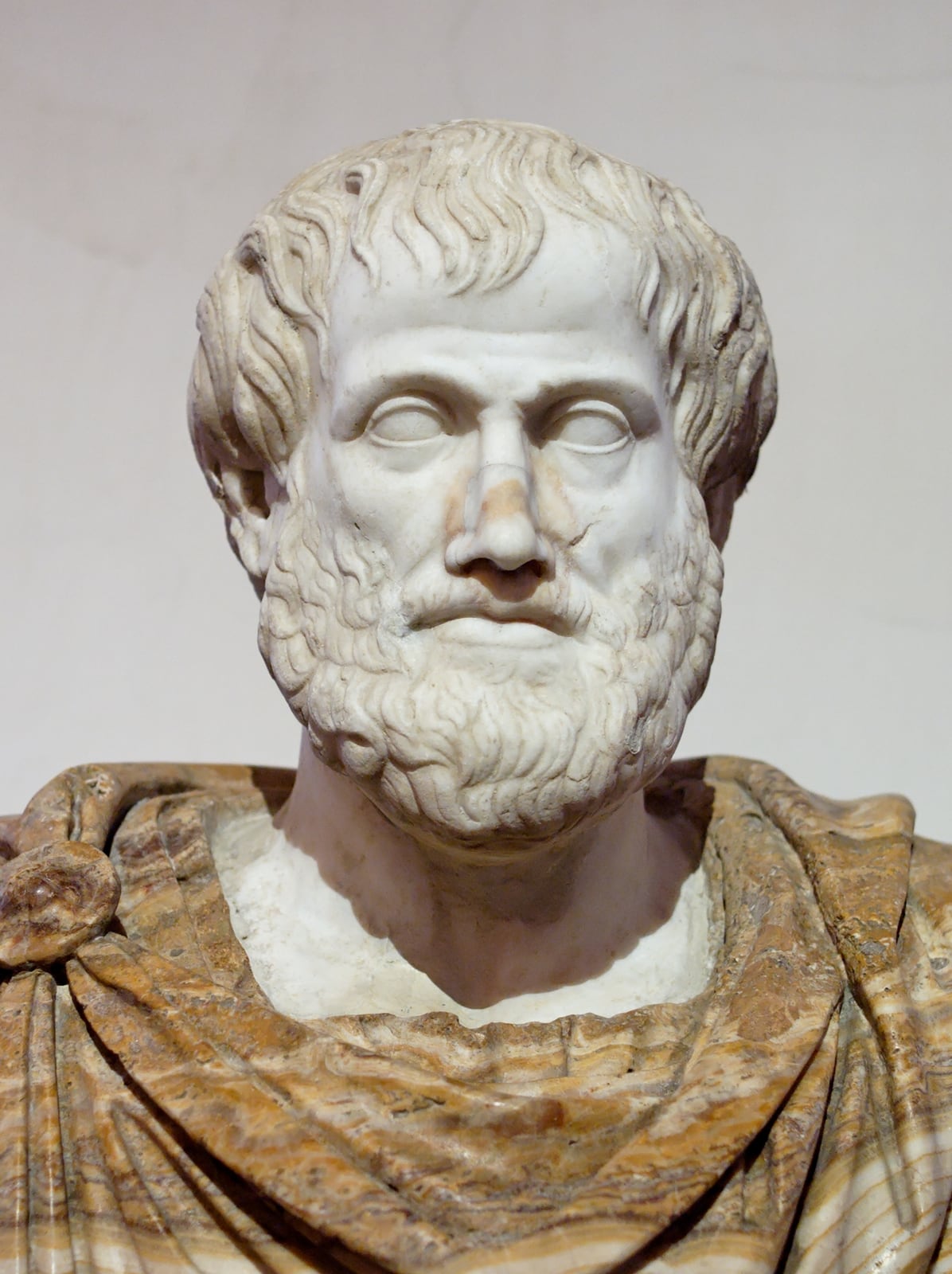
Aristotle
They agree on: What is the Absolute? Does God exist? · Who am I? Is there a true self? · Why do we suffer?
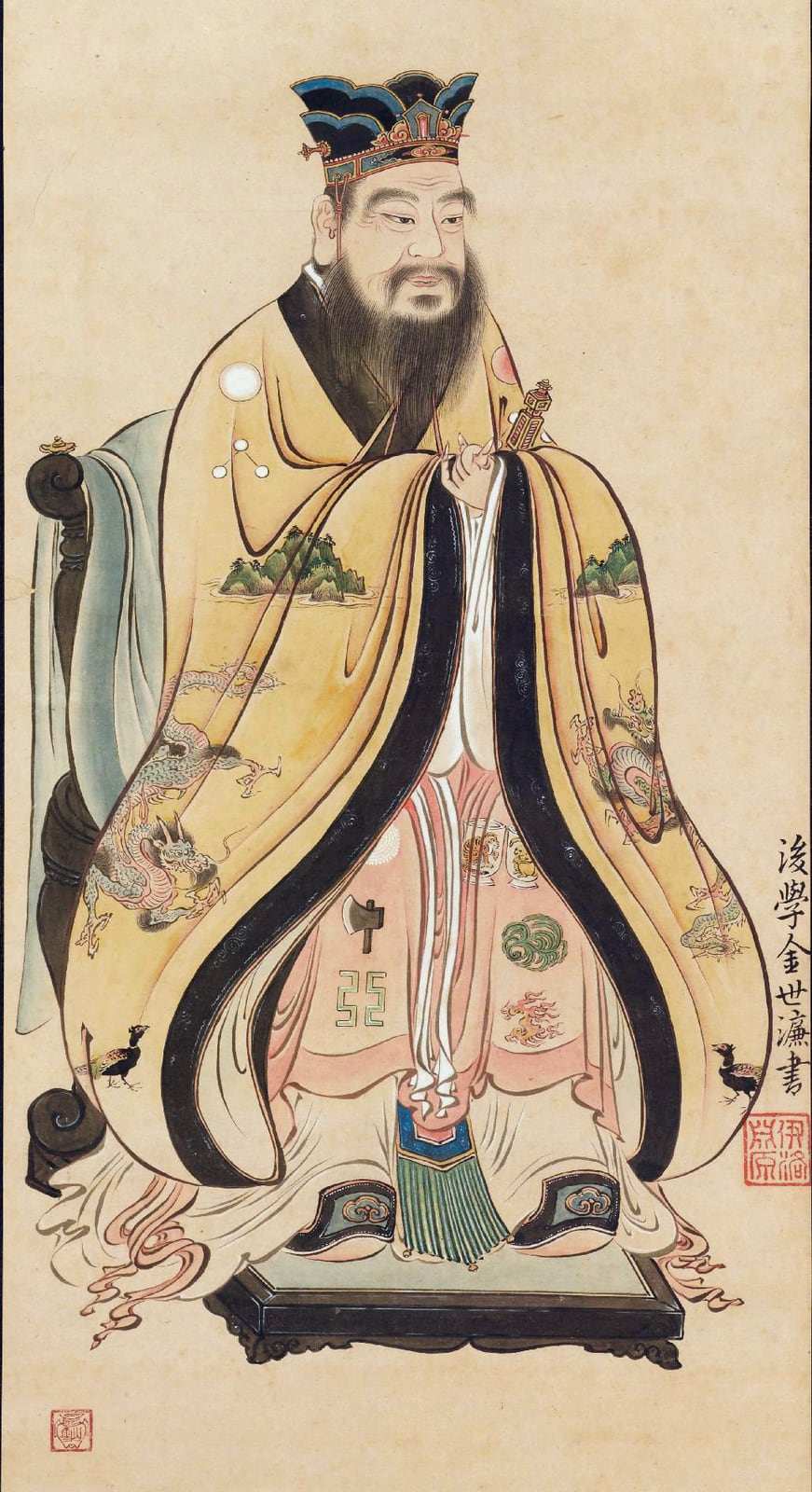
Confucius
They agree on: Who am I? Is there a true self? · Why do we suffer? · What happens after death?
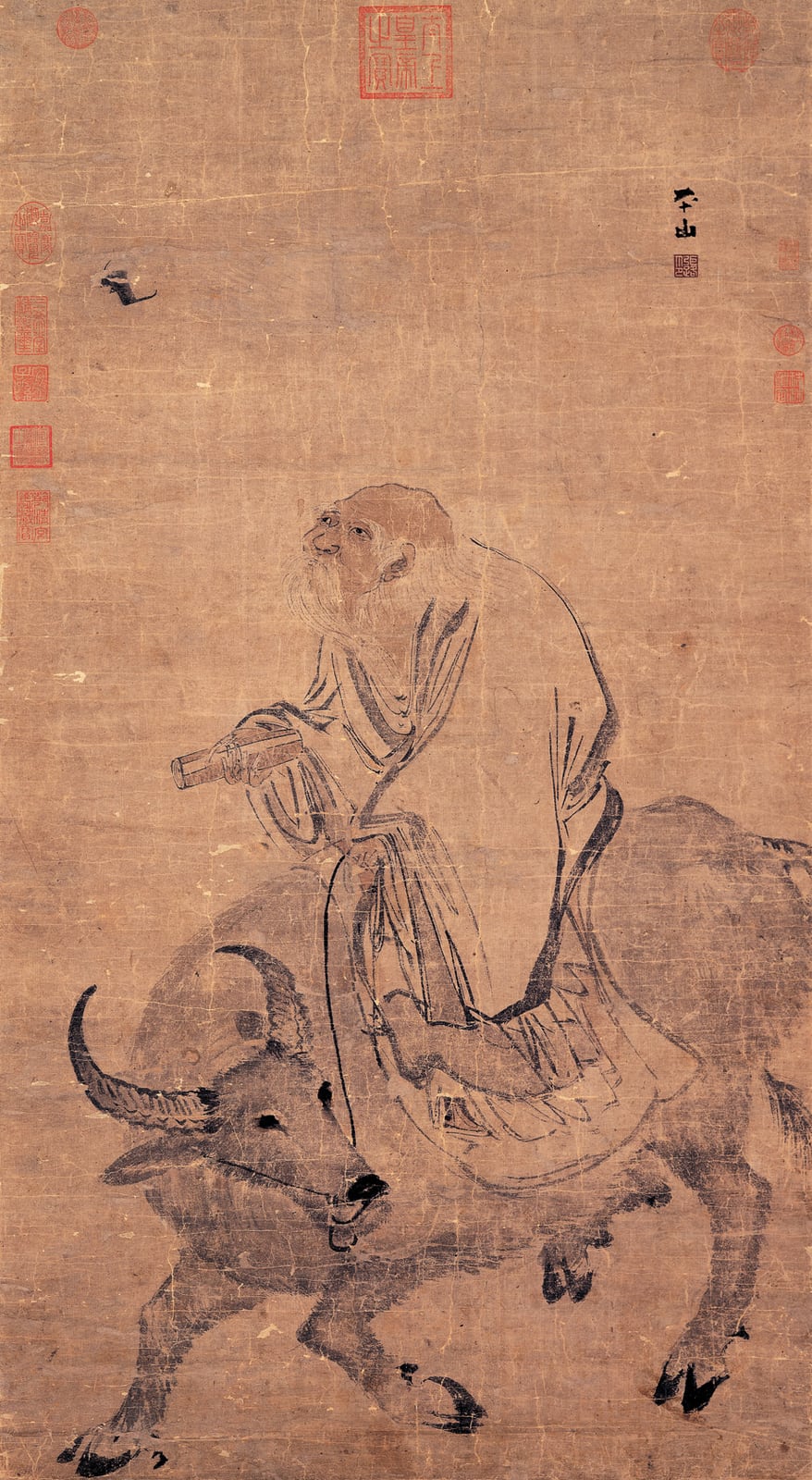
Laozi
They agree on: Why do we suffer? · What happens after death? · How is liberation or salvation attained?
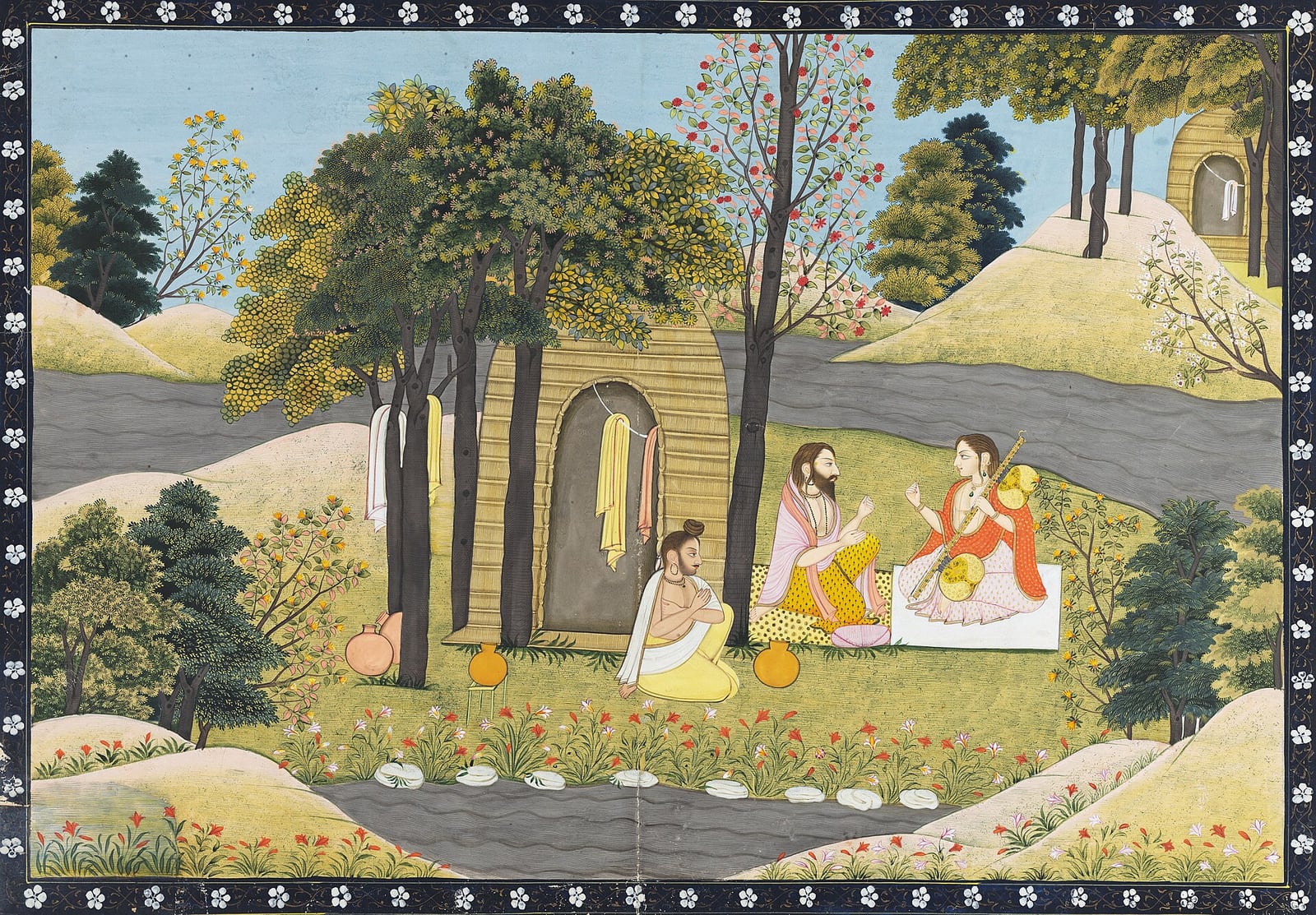
Valmiki
They agree on: Why do we suffer? · What happens after death? · How is liberation or salvation attained?
Thinks most unlike
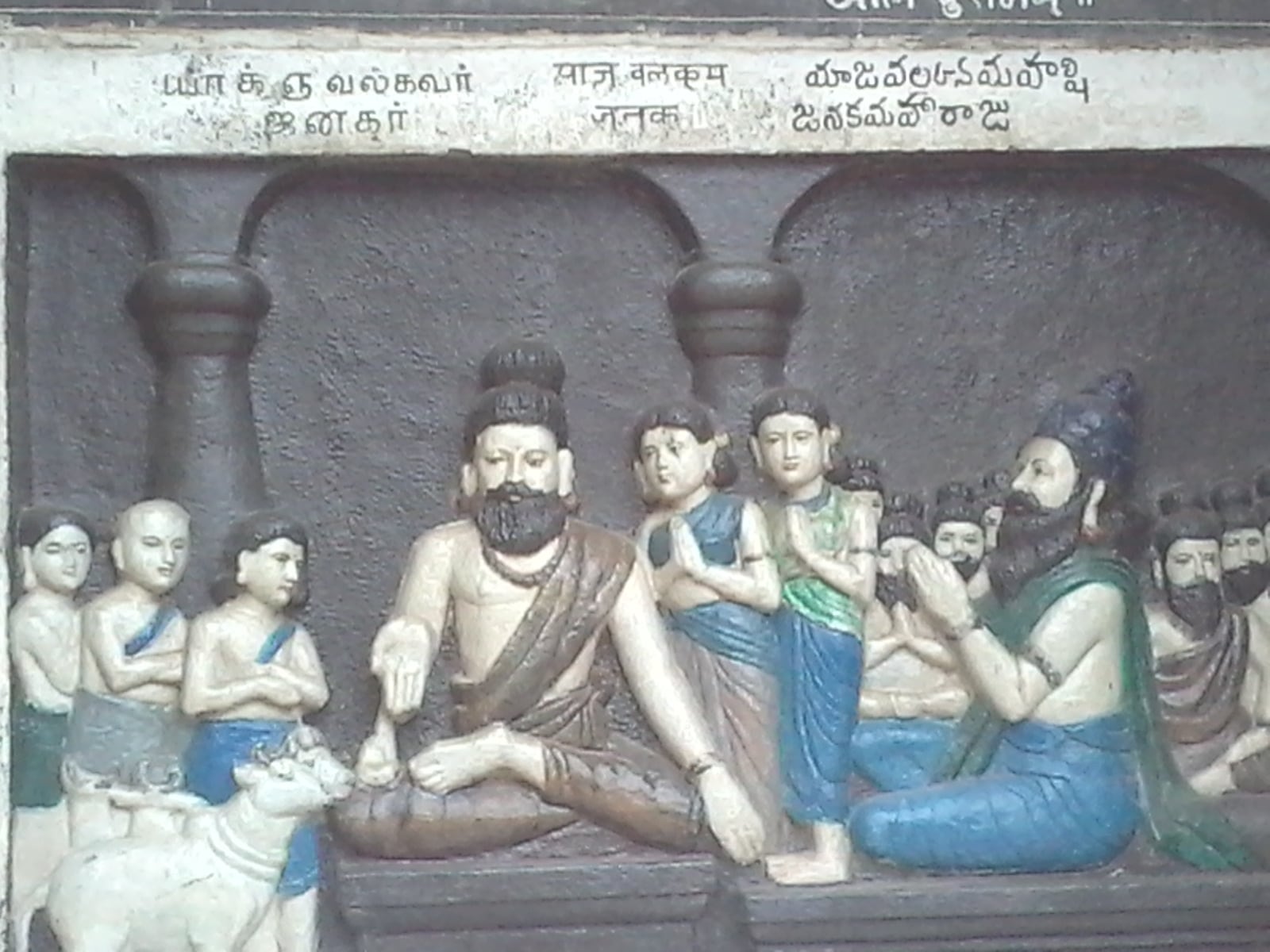
Yajnavalkya
They clash on: What is the Absolute? Does God exist? · Who am I? Is there a true self? · Why do we suffer?
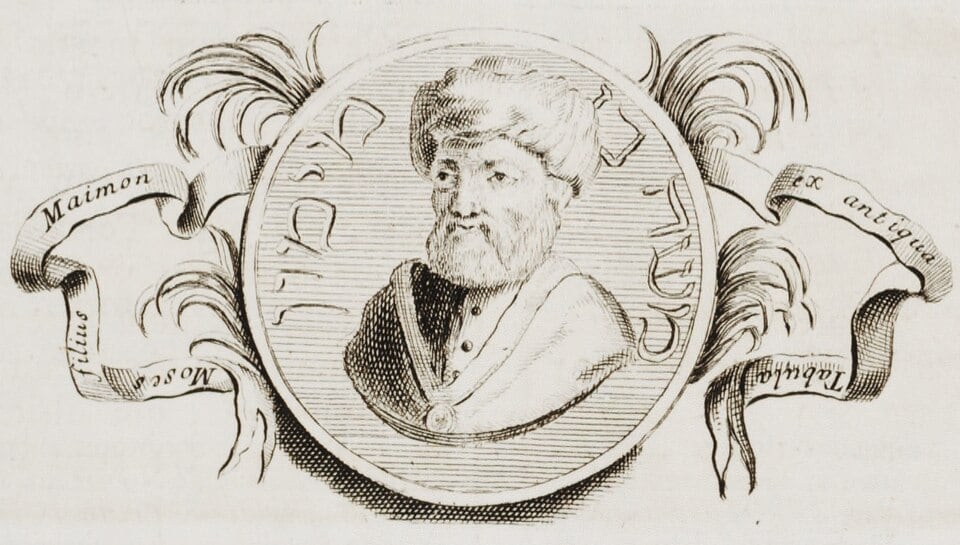
Maimonides
They clash on: What is the Absolute? Does God exist? · Who am I? Is there a true self? · Why do we suffer?
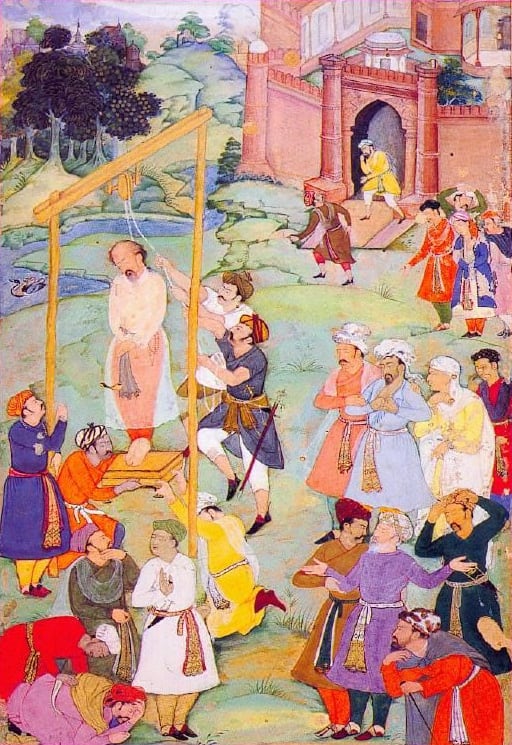
Al-Hallaj
They clash on: What is the Absolute? Does God exist? · Who am I? Is there a true self? · Why do we suffer?

Rabia al-Adawiyya
They clash on: What is the Absolute? Does God exist? · Why do we suffer? · What happens after death?
Anecdotes and stories
Anecdotes and stories
Oral traditionc. 312 a. C.
The shipwreck and the bookshop
Origin of the story: Diogenes Laertius VII 2–5 and 31–32, with several contradictory versions (Hecato, Apollonius of Tyre, Demetrius of Magnesia). The story has the shape of an exemplary conversion and was probably embellished in the school; Zeno's mercantile background and his arrival in Athens with Crates are, by contrast, plausible.
Oral traditionc. 312–310 a. C.
The pot of lentil soup
Origin of the story: Diogenes Laertius VII 3, with no named source. It is a chreia of school tradition; it reflects the relationship between Cynicism and Stoicism well, but cannot be taken as verified fact.
Testimonyc. 300–262 a. C.
Zeno's hand
Origin of the story: Cicero, Academica II (Lucullus) 145, voiced by the Academic Cicero criticising Zeno and Antiochus; a report transmitted more than two centuries later, but consistent with the terminology other sources attribute to Zeno (katalepsis, phantasia kataleptike).
Documentedc. 262 a. C.
The keys of the city and the golden crown
Origin of the story: Diogenes Laertius VII 6, 10–12 and 15, who copies the decree. Some scholars believe the transmitted text conflates two different decrees (one during his life and one posthumous); no one doubts that Athens officially honoured Zeno.
Disputedc. 276–262 a. C.
Zeno and Antigonus
Origin of the story: Diogenes Laertius VII 6–9 and 13–15 (the letters, from Apollonius of Tyre); Epictetus, Discourses II 13. The friendship between king and philosopher is well attested; the letters are generally regarded as later compositions.
Disputedc. 262 a. C.
"I come"
Origin of the story: Diogenes Laertius VII 28 and 31, with two versions of the death. Timotheus' Niobe was a well-known dithyramb; the gesture of striking the ground addresses the earth or the underworld. On the "reasonable exit" (eulogos exagoge), see Diogenes Laertius VII 130.
Teachings
Teachings
The notions that structure their thought, explained in context.
Living in agreement (homologia)homologia
Diogenes Laertius VII 87; Stobaeus, Eclogae II 7 (LS 63B). It is the founding definition of Stoic ethics, taken up by Seneca, Epictetus and Marcus Aurelius.
The appropriate (kathekon)kathekon
Diogenes Laertius VII 25 and 107–109.
The passions (pathe)pathe
Diogenes Laertius VII 110–111 (citing Zeno's On the Passions).
Presentation and comprehension (katalepsis)katalepsis
Cicero, Academica II 145 and I 40–42; Diogenes Laertius VII 46–54.
The two principles: logos and matterlogos-y-materia
Diogenes Laertius VII 134, 136, 142 and 157 (On Substance, On the Whole, On the Soul).
The world-city (cosmopolis)cosmopolis
Diogenes Laertius VII 32–34; Plutarch, Moralia 329a–b; Schofield (1991).
Source: Schofield, Malcolm. The Stoic Idea of the City. Cambridge University Press, Cambridge, 1991.
Virtue and indifferentsadiaphora
Diogenes Laertius VII 101–105 and 160 (Ariston); Cicero, De finibus III–IV.
Videos
Videos
Recordings, interviews and documentaries. Videos play from YouTube; they are not hosted here.
La filosofía helenística (III): El estoicismo · La March
Lecture· ES· 2022· 59 min
Fundación Juan MarchOfficial channel
La filosofía helenística (I) · La March
Lecture· ES· 2022· 57 min
Fundación Juan MarchOfficial channel
Diógenes, Epicuro y Crisipo | Historia de la filosofía (8/61)
Lecture· ES· 2017· 87 min
Ernesto Castro
Cynics, Stoics, Epicureans
Lecture· EN· 2021· 46 min
Gresham CollegeOfficial channel
A History of Philosophy | 16 Stoicism
Lecture· EN· 2015· 64 min
wheatoncollegeOfficial channel
Stoicon 2018: Tony Long "Stoicism Ancient and Modern"
Lecture· EN· 2018· 50 min
Modern StoicismOfficial channel
Stoics vs. Skeptics vs. Epicureans | AA Long on Hellenistic Philosophy
Interview· EN· 2025· 86 min
Johnathan Bi
The philosophy of Stoicism - Massimo Pigliucci
Analysis· EN· 2017· 6 min
TED-EdOfficial channel
Introducing... The Early and Middle Stoics
Lecture· EN· 2020· 107 min
Dan Taylor
Geschichte der Philosophie (5): Stoa, Epikureer und pyrrhonische Skepsis, Prof. Dr. Torsten Wilholt
Lecture· DE· 2013· 76 min
InstPhilOfficial channel
Gallery
Gallery
Images with verified licences. Each keeps its authorship and attribution.
Manuscripts
Manuscripts
Manuscript witnesses and ancient texts, with their custodian and conditions of access.
GRC · Mayúscula griega (papiro) · s. I a. C.
Φιλοδήμου Περὶ τῶν Στωικῶν (PHerc. 155 y 339)
- Surviving witness
- Rollos carbonizados de la Villa de los Papiros de Herculano.
- Custodian
- Biblioteca Nazionale «Vittorio Emanuele III», Officina dei Papiri Ercolanesi, Nápoles · PHerc. 155; PHerc. 339
Connections
Connections
Influences, discipleships and affinities. Documented relations are distinguished from similarities identified by analysis.
Disciple of
Crates de Tebas
His first teacher in Athens (Diogenes Laertius VII 2–4); Zeno wrote Memoirs of Crates.
Documented relation
Influenced by
Through Crates, Diogenes' pupil, he inherited Cynic ethics; his Republic continues Diogenes', as Philodemus notes, and it was said he wrote it "on the dog's tail" (Diogenes Laertius VII 4).
Documented relation
Influenced by
He came to philosophy by reading Xenophon's Memorabilia of Socrates (Diogenes Laertius VII 3); Epictetus names them together as models (Encheiridion 33).
Documented relation
Disagreed with
He studied with Polemo, head of the Academy (VII 2, 25); his Republic and his corporeal physics oppose Plato's, and his pupil Persaeus wrote against the Laws (VII 36).
Documented relation
Contemporary of
Zeno was born around 334, when Aristotle was teaching at the Lyceum; no direct relationship is recorded. The Athenian decree in his honour was also to be inscribed at the Lyceum (Diogenes Laertius VII 11).
Similarity identified by analysis
Contemporary of
They taught at the same time in Athens, the Stoa and the Garden; Epicurus mentions in his letters Zeno's followers called Stoics and Persaeus and Philonides at Antigonus' court (Diogenes Laertius VII 5, 9).
Documented relation
Teacher of
Cleantes de Aso
Pupil and successor at the head of the school (Diogenes Laertius VII 37, 168–176).
Documented relation
Influenced
Crisipo de Solos
Third scholarch, he systematised the doctrine and defended the authenticity of Zeno's Republic (Diogenes Laertius VII 34).
Documented relation
Influenced
Epictetus holds up Zeno as an example of freedom before Antigonus (Discourses II 13) and advises asking what Socrates or Zeno would have done (Encheiridion 33).
Documented relation
Influenced
The last great representative of the Stoa that Zeno founded; the Meditations do not name him, but develop his ethics of agreement with nature and the idea of the universal city.
Documented relation
Met
Antígono Gonatas
The king of Macedon attended his lectures, invited him to his court and asked for him to be buried in the Ceramicus (Diogenes Laertius VII 6–9, 15).
Documented relation
Ideas akin to
A typological parallel: both conceive virtue as the harmony of the individual with a rational world order and make ethics the basis of public life; there is no historical contact.
Similarity identified by analysis
Sources
Sources
Bibliography and catalogues consulted for this profile.
- Wikidata, entidad Q171303 «Zeno of Citium» (91 enlaces entre wikis; P31=Q5). Registra nacimiento en 334 a. C. y muerte en 263 a. C.; lugar de nacimiento, Citio.
- Diógenes Laercio. Vidas y opiniones de los filósofos ilustres, libro VII, 1–160 (Zenón y la doctrina estoica), s. III d. C. Trad. inglesa de R. D. Hicks, Loeb Classical Library 185, 1925 (Wikisource en inglés); texto griego en Wikisource griega; trad. de C. D. Yonge, Bohn, 1853 (Project Gutenberg n.º 57342).
- Diógenes Laercio. Los diez libros de Diógenes Laercio sobre las vidas, opiniones y sentencias de los filósofos más ilustres, trad. de José Ortiz y Sanz, tomo II (libros VI–X). Imprenta Real, Madrid, 1792 (Internet Archive).
- Arnim, Hans von (ed.). Stoicorum veterum fragmenta, vol. I: Zeno et Zenonis discipuli. Teubner, Leipzig, 1905 (Internet Archive).
- Pearson, Alfred C. (ed.). The Fragments of Zeno and Cleanthes, with Introduction and Explanatory Notes. C. J. Clay, Londres, 1891 (Internet Archive).
- Cappelletti, Ángel J. (introd., trad. y notas). Los estoicos antiguos: Zenón, Aristón, Apolófanes, Herilo, Dionisio de Heraclea, Perseo, Cleantes, Esfero. Gredos (Biblioteca Clásica Gredos, 230), Madrid, 1996.
- Durand, Marion; Shogry, Simon; Baltzly, Dirk. «Stoicism». The Stanford Encyclopedia of Philosophy, ed. Edward N. Zalta; primera publicación del 20 de enero de 2023.
- Schofield, Malcolm. The Stoic Idea of the City. Cambridge University Press, Cambridge, 1991.
- Dorandi, Tiziano. «Filodemo, Gli Stoici (PHerc. 155 e 339)». Cronache Ercolanesi 12 (1982).
- Cicerón. Académicos II (Lúculo) 145, 45 a. C. Trad. inglesa de C. D. Yonge, The Academic Questions, Treatise De Finibus, and Tusculan Disputations, Bohn, Londres, 1853 (Project Gutenberg n.º 29247).
- Plutarco. Sobre la fortuna o la virtud de Alejandro I 6 (Moralia 329a–b), s. I–II d. C. Texto griego en Wikisource griega.
- Epicteto. Disertaciones II 13 y Enquiridión 33, c. 108 d. C. Trad. inglesa de George Long, A Selection from the Discourses of Epictetus with the Encheiridion (Project Gutenberg n.º 10661).
- Long, A. A. y Sedley, D. N. The Hellenistic Philosophers, vol. 1. Cambridge University Press, Cambridge, 1987 (Estobeo, Églogas II 7 sobre el fin: LS 63B).
- Sellars, John. Stoicism. Acumen, Chesham, 2006 (Ancient Philosophies, 1).
- Inwood, Brad y Gerson, Lloyd P. (trads.). The Stoics Reader: Selected Writings and Testimonia. Hackett, Indianápolis, 2008.
- «Zeno of Citium», Wikipedia en inglés, y «Zenón de Citio», Wikipedia en español (consultadas para contrastar datos y bibliografía; texto propio).
- Open Library (Internet Archive): ediciones de los estoicos antiguos y de Diógenes Laercio verificadas por ISBN.
- Inwood, Brad (ed.). The Cambridge Companion to the Stoics. Cambridge University Press, Cambridge, 2003.
- Rights holder
- Textos antiguos en dominio público; cada traducción y edición moderna pertenece a su traductor o editorial
Pending confirmation
What this profile has not yet been able to settle. We would rather say so than fill it in.
- Fechas: se adopta c. 334–262 a. C. (cronología de Perseo y decreto del arcontado de Arrénides, 262/261); Wikidata da la muerte en 263. Laercio da también 98 años de vida y una llegada a Atenas a los 30.
- Numeración SVF: comprobar los números de fragmento de la República y de cada tratado en SVF I (se ha citado solo el total, 1–332, para Zenón).
- Edición española de Gredos de 2001 (ISBN 9788424925918): confirmar si es reedición del volumen de Cappelletti (BCG 230) o una obra distinta.
- Traducción española de dominio público de los fragmentos de Zenón: no localizada; solo la de Diógenes Laercio por Ortiz y Sanz (1792).
- Manuscritos: no hay manuscritos de obras de Zenón; se registra el papiro de Filodemo. Verificar su digitalización.
- Imágenes: la estatua moderna de Zenón en Lárnaca (Plaza de Europa) existe en Commons, pero no se ha incluido por ser una escultura moderna que puede estar protegida por derechos de autor; revisar su licencia y la libertad de panorama en Chipre.
- Programas de afiliación: ninguno verificado. Lista vacía.
- Vídeos: no se ha encontrado un documental de televisión pública dedicado a Zenón en canal oficial; los vídeos son lecciones generales sobre el estoicismo antiguo.
Researched on 2026-10-25