Bhakti · Sikhism
Guru Nanak
ਗੁਰੂ ਨਾਨਕ · گرو نانک · गुरु नानक
1469 – 1539Historically documented person
Spiritual teacher and poet from the Punjab (1469-1539), first of the ten gurus and founder of the Sikh tradition. After an experience in the Bein river he proclaimed that "there is no Hindu, no Muslim", travelled for two decades with the musician Mardana and founded at Kartarpur a community of disciples who worked, sang and ate together. His 974 compositions, among them the Japji, are preserved in the Guru Granth Sahib; the janamsakhis narrating his life are hagiographic.
- works
- 27works
- editions
- 42editions
- quotes
- 10quotes
- videos
- 15videos
- images
- 9images
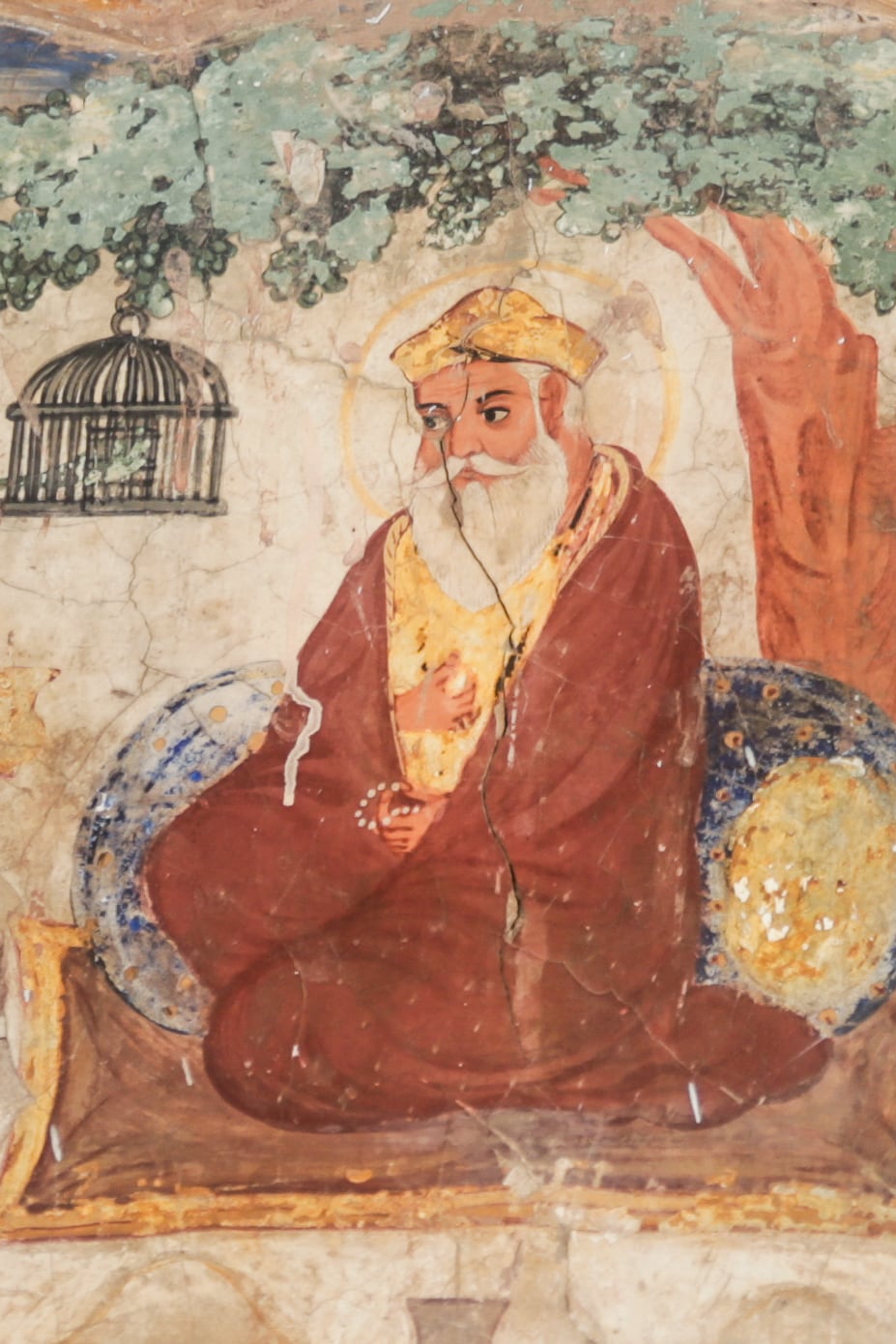
Guru Nanak en un mural del gurdwara Baba Atal Rai · CC BY-SA 4.0
In their words
«One God. Truth is his name. Creator, without fear, without enmity, of timeless form, unborn, self-existent; attained by the guru's grace.»Mul Mantar, Guru Granth Sahib, ang 1. Traducción propia.

Their central idea
Ik Onkar: one God: The Sikh scripture opens with a sign, the numeral "one" joined to the syllable Onkar, which Nanak made the emblem of his theology: there is a single God, at once transcendent, without form (nirgun), and present throughout creation (sargun).
See in context
Biography
4 min read
Talwandi
Nanak was born in 1469 at Rai Bhoi di Talwandi, a village in the Punjab some seventy kilometres west of Lahore, now called Nankana Sahib, in Pakistan. Almost all the traditional biographies place his birth in the month of Vaisakh, that is, in April —the 15th, by the usual conversion—, although Sikhs celebrate his anniversary on the full moon of Kattak, in November, following a tradition that prevailed in the nineteenth century. His father, Kalu, of the Khatri mercantile caste and the Bedi lineage, was accountant to the local landowner, Rai Bular, a Muslim; his mother was called Tripta, and his elder sister, Nanaki, would be the first to recognise something exceptional in him. He learned to read, to keep accounts and, the biographies say, some Persian.
The Bein river
Around 1487 he married Sulakhani at Batala, with whom he had two sons, Sri Chand and Lakhmi Das. Through Nanaki's husband he entered the service of Daulat Khan Lodi, governor of the region, as keeper of the granary at Sultanpur. There, according to the janamsakhis —the collections of stories about his life—, he bathed every morning in the Bein river; one day he did not come back. He was given up for drowned. He reappeared on the third day, kept silent and, when he spoke, said: "There is no Hindu, there is no Muslim." The biographies describe those days as an audience at the divine court in which he received the charge to praise the Name. The traditional date is 1499, when he was about thirty; nothing allows it to be verified.
The roads
He left his post and set out on long journeys, the udasis, accompanied by Mardana, a Muslim musician who played the rebec while Nanak sang. The janamsakhis take him east, as far as Benares, Bengal, Assam and Puri; south, as far as Sri Lanka; north, to the Himalaya and Mount Sumeru, where he debates with the Nath yogis; west, as far as Mecca and Baghdad. W. H. McLeod, who subjected these stories to historical criticism, concluded that he very probably travelled widely, especially to Hindu and Muslim pilgrimage centres, but that the detailed itineraries are later constructions. In Baghdad there is a shrine dedicated to "Baba Nanak" with an inscription whose reading and date are disputed. Nanak's compositions, on the other hand, confirm his interlocutors: brahmins, qadis, ascetics, yogis.
Babur
Around 1520 the army of Babur, who a few years later would found the Mughal empire, sacked Saidpur, today's Eminabad. Nanak was there or close by, and what he saw entered his work: four hymns known as the Babarvani describe the slaughter, the women dragged away, the temples and mosques laid waste, and address God with a question that has no equivalent in the devotional poetry of his time: with so many people beaten and crying out, did you feel no pain? The janamsakhis add that Nanak was taken prisoner, that in jail the millstones turned by themselves and that Babur ended up releasing him; it is legend, but the hymns are direct testimony of a historical event.
Kartarpur
In the 1520s he settled at Kartarpur, a village he had founded on the banks of the Ravi. There he spent his last fifteen years as a householder and farmer, not as an ascetic: the day began with the singing of his Japji and ended with evening hymns, and the disciples —sikh means precisely "disciple"— worked the land and shared food in a common kitchen. Bhai Gurdas, a writer of the following generation, describes that community as the model of the life Nanak preached: remembering the Name, earning a living honestly and sharing what one has. For historians, the Kartarpur community is the institutional nucleus of what would become the Sikh religion.
The successor
Nanak appointed neither of his sons. Sri Chand, an ascetic, would found the Udasi order; Lakhmi Das led a lay life. The one chosen was a devotee called Lehna, from Khadur, whom Nanak renamed Angad, "limb of my body", and before whom he bowed as a disciple. A poem by the bards Satta and Balvand, included in the Sikh scripture and composed, at least in its final form, in the time of the fifth Guru, Arjan, bears witness to this transmission of authority: the light is the same, only the body has changed. Nanak died at Kartarpur on 22 September 1539. The oldest janamsakhi relates that Hindus and Muslims disputed over the body, that the master asked them to lay flowers on either side and that, in the morning, under the sheet only the flowers remained, still fresh.
The word
Unlike many founders, Nanak left a large and well-transmitted body of work: some 974 compositions —hymns (shabads), stanzas (saloks) and long poems— in Punjabi and in a mixed language of northern India, arranged by the musical modes (ragas) in which they were to be sung. His successors preserved them in manuscript books, and the fifth guru, Arjan, gathered them in 1604 into the Adi Granth together with those of other gurus and of saints such as Kabir, Ravidas and Farid; in 1708 Gobind Singh proclaimed that book the eternal guru of the Sikhs. From it come the Japji, the Asa di Var, the Sidh Gosht and the Barah Maha. The janamsakhis, by contrast, are hagiographic collections composed from the late sixteenth century onwards: the portrait they give of Nanak is that of his followers' memory, which critical history must read with caution. Their centre is clear: a single God, without form, who is reached only by his grace, through the discipline of the Name and an honest life in the midst of the world.
Sources: McLeod, W. H. Gurū Nānak and the Sikh Religion. Oxford: Clarendon Press, 1968. ISBN 9780198265214 (ed. india, Delhi: Oxford University Press, 1976, ISBN 9780195608069). · Macauliffe, Max Arthur. The Sikh Religion: Its Gurus, Sacred Writings and Authors. 6 vols. Oxford: Clarendon Press, 1909. Vol. 1 en Wikisource. · Srī Gurū Granth Sāhib (Ādi Granth). Compilado por Guru Arjan en 1604; recensión de Damdama, 1706. Edición estándar de 1.430 páginas (ang). Trad. inglesa de Manmohan Singh, 8 vols. Amritsar: Shiromani Gurdwara Parbandhak Committee, 1962-1969. · McLeod, W. H. Early Sikh Tradition: A Study of the Janam-sākhīs. Oxford: Clarendon Press, 1980. · Grewal, J. S. The Sikhs of the Punjab. The New Cambridge History of India II.3. Cambridge: Cambridge University Press, 1990 (ed. rev. 1998).
Timeline
A life, year by year
Each point is a documented event. Click to read it, with its source and degree of certainty.
April 15, 1469age 0Rai Bhoi di Talwandi (hoy Nankana Sahib, Pakistán)
Birth
Born in Vaisakh 1469 according to most janamsakhis; the Bala janamsakhi places it in Kattak (November), the date on which the Gurpurab is celebrated today.
ProbableSingh, Harbans (ed.). The Encyclopaedia of Sikhism. 4 vols. Patiala: Punjabi University, 1992-1998.
After their death
- 1604The Adi Granth
- 1708The book as eternal guru
- 1968McLeod's critique
- November 9, 2019The Kartarpur Corridor
April 15, 1469 · age 0
Birth
Born in Vaisakh 1469 according to most janamsakhis; the Bala janamsakhi places it in Kattak (November), the date on which the Gurpurab is celebrated today.
Probable
c. 1487 · age 18
Marriage to Sulakhani
Marries Sulakhani, daughter of Mul Chand; they will have two sons, Sri Chand (1494) and Lakhmi Das (1496 or 1497).
Probable
c. 1495
In Daulat Khan Lodi's service
Through his brother-in-law Jai Ram he manages the governor's granary at Sultanpur. The exact chronology is uncertain.
Probable
c. 1499 · age 30
The Bein river experience
Disappears for three days in the river and reappears saying "There is no Hindu, there is no Muslim". Traditional date; some authors propose 1496 or 1507.
Tradition
c. 1500 – 1520 · age 31
The journeys (udasis)
With the musician Mardana he travels to Hindu and Muslim pilgrimage centres. Scholarship accepts extensive travels, not the detailed itineraries.
Tradition
c. 1520 · age 51
Babur's sack of Saidpur
A witness of the sack, he composes the Babarvani hymns. His imprisonment and meeting with Babur belong to legend.
Probable
c. 1522 – 1539 · age 53
Settlement at Kartarpur
Settles as a householder and farmer in the village he has founded; organises the first Sikh community with daily singing and a common kitchen.
Probable
1539 · age 70
Lehna, successor under the name Angad
Appoints his disciple Lehna, whom he calls Angad, as successor, rather than his sons. The transmission is attested by Satta and Balvand's var in the scripture.
Documented
September 22, 1539 · age 70
Death
Dies on the tenth day of Asauj, 1596 of the Bikrami era (22 September 1539), according to Sikh records.
Probable
1604
The Adi Granth
Guru Arjan gathers the compositions of Nanak, of the following gurus and of Hindu and Muslim saints into the Sikh scripture.
Documented
1708
The book as eternal guru
Before dying, Guru Gobind Singh declares that the Granth will be the guru of the Sikhs: Nanak's word becomes their living authority.
Documented
1968
McLeod's critique
Guru Nanak and the Sikh Religion applies historical criticism to the janamsakhis and separates the few secure facts from hagiography; it opens a lasting debate in Sikh studies.
Documented
November 9, 2019
The Kartarpur Corridor
On the 550th anniversary of his birth, India and Pakistan open a corridor allowing pilgrims to cross the border to the Kartarpur gurdwara.
Documented
Works
Essential works
The works without which their legacy cannot be understood.
Written work
Japji (Japu)
ਜਪੁ
It opens the Guru Granth Sahib with the Mul Mantar, the definition of God in one line, followed by thirty-eight stanzas (pauris) and a final salok. It traverses the impossibility of reaching God through ritual purity, silence or learning; obedience to the divine will (hukam); the power of hearing and accepting the Name; the immensity of creation, and the five realms of spiritual ascent up to the "realm of truth". Sikhs recite it every morning. The final salok recurs almost identically in a var by Guru Angad, so some attribute it to the second guru.
7 editions · amazon.com
Guru Nanak
Asa di Var (Ballad in raga Asa)
Written work
Asa di Var (Ballad in raga Asa)
ਆਸਾ ਦੀ ਵਾਰ
A var or heroic ballad in twenty-four stanzas by Nanak, interspersed with saloks by him and by Guru Angad, sung every dawn in gurdwaras. It criticises the religious hypocrisy of brahmins and qadis, the sacred thread, the notion of impurity and the arrogance of power; in one of its saloks it defends the dignity of woman, from whom kings are born. It is one of the central pieces of Sikh liturgy.
4 editions · amazon.com
Guru Nanak
Sidh Gosht (Dialogue with the Siddhas)
Written work
Sidh Gosht (Dialogue with the Siddhas)
ਸਿਧ ਗੋਸਟਿ
A poem of seventy-three stanzas in raga Ramkali, in the form of a dialogue between Nanak and the Nath yogis, whom tradition places at Achal Batala or on Mount Sumeru. The yogis ask who he is, where he comes from, why he does not renounce the world; Nanak replies that true yoga is to live in the world without being stained, through the guru's Word (shabad) and remembrance of the Name. It sets out the Sikh critique of asceticism.
2 editions · amazon.de

Later compilation · 1604
Hymns and stanzas in the Guru Granth Sahib (the complete corpus)
ਸਬਦ ਅਤੇ ਸਲੋਕ (ਮਹਲਾ ੧)
The whole body of some 974 compositions by Nanak —shabads, ashtapadis, chhants, saloks and vars— spread across nineteen ragas: Sri, Majh, Gauri, Asa, Gujri, Vadhans, Sorath, Dhanasari, Tilang, Suhi, Bilaval, Ramkali, Maru, Tukhari, Bhairo, Basant, Sarang, Malar and Prabhati. The pieces with their own titles are recorded separately; the rest are short hymns exploring the Name, grace, the ego, truth and the critique of ritual religion.
6 editions · amazon.com
Complete works (27)
Guru Nanak
Mul Mantar
The Conscious LibraryMul Mantar
Guru Nanak
Onkar (Ramkali Dakhni)
The Conscious LibraryOnkar (Ramkali Dakhni)
Guru Nanak
Var in raga Majh
The Conscious LibraryVar in raga Majh
Guru Nanak
Var in raga Malar
The Conscious LibraryVar in raga Malar
Guru Nanak
Barah Maha (The twelve months), raga Tukhari
The Conscious LibraryBarah Maha (The twelve months), raga Tukhari
Guru Nanak
Babarvani (The Babur hymns)
The Conscious LibraryBabarvani (The Babur hymns)
1520
Guru Nanak
Arti ("Gagan mai thal")
The Conscious LibraryArti ("Gagan mai thal")
Guru Nanak
Kirtan Sohila (Nanak's contributions)
The Conscious LibraryKirtan Sohila (Nanak's contributions)
Guru Nanak
So Dar and Rahras (Nanak's contributions)
The Conscious LibrarySo Dar and Rahras (Nanak's contributions)
Guru Nanak
Patti (The alphabet), raga Asa
The Conscious LibraryPatti (The alphabet), raga Asa
Guru Nanak
Alahanian (Dirges), raga Vadhans
The Conscious LibraryAlahanian (Dirges), raga Vadhans
Guru Nanak
Pahare (The watches), Sri Rag
The Conscious LibraryPahare (The watches), Sri Rag
Guru Nanak
Thiti (The lunar days), raga Bilaval
The Conscious LibraryThiti (The lunar days), raga Bilaval
Guru Nanak
Kuchaji and Suchaji, raga Suhi
The Conscious LibraryKuchaji and Suchaji, raga Suhi
Guru Nanak
Saloks in sahaskriti
The Conscious LibrarySaloks in sahaskriti
Guru Nanak
Pran Sangli
The Conscious LibraryPran Sangli
Guru Nanak
Puratan Janamsakhi (and the B40 manuscript)
The Conscious LibraryPuratan Janamsakhi (and the B40 manuscript)
1600
Guru Nanak
Bhai Bala Janamsakhi
The Conscious LibraryBhai Bala Janamsakhi
1650
Guru Nanak
Miharban Janamsakhi
The Conscious LibraryMiharban Janamsakhi
1640
Guru Nanak
Bhai Gurdas's first var
The Conscious LibraryBhai Gurdas's first var
1610
Guru Nanak
Guru Nanak and the Sikh Religion (W. H. McLeod)
The Conscious LibraryGuru Nanak and the Sikh Religion (W. H. McLeod)
1968
Guru Nanak
The Sikh Religion (Max Arthur Macauliffe)
The Conscious LibraryThe Sikh Religion (Max Arthur Macauliffe)
1909
Guru Nanak
Life and teachings of Guru Nanak (Premka Kaur Khalsa)
The Conscious LibraryLife and teachings of Guru Nanak (Premka Kaur Khalsa)
2004
Quotations
Quotations located in a specific work. Each carries its provenance and its level of confidence.
One God. Truth is his name. Creator, without fear, without enmity, of timeless form, unborn, self-existent; attained by the guru's grace.ੴ ਸਤਿ ਨਾਮੁ ਕਰਤਾ ਪੁਰਖੁ ਨਿਰਭਉ ਨਿਰਵੈਰੁ ਅਕਾਲ ਮੂਰਤਿ ਅਜੂਨੀ ਸੈਭੰ ਗੁਰ ਪ੍ਰਸਾਦਿ ॥
VerifiedMul Mantar, Guru Granth Sahib, ang 1. Traducción propia.
Apocryphal quotes or disputed attributions (1)
«"Nam japo, kirat karo, vand chhako" ("remember the Name, work honestly, share"), quoted as a literal saying of Nanak.»
It faithfully sums up Nanak's ethics and the Kartarpur life described by Bhai Gurdas, but it does not appear in that form in his compositions in the Guru Granth Sahib: it is a later formula of the Sikh tradition.
Last words
Traditional attribution
«(Paraphrase) Let the Hindus place flowers on my right and the Muslims on my left: those whose flowers are still fresh in the morning shall dispose of the body.»There is no direct testimony. The Puratan janamsakhi (B40 manuscript, copied in 1733) relates that, faced with the dispute between Hindus and Muslims over his funeral rites, Nanak gave this instruction in indirect speech, covered himself with a sheet and died; in the morning only the flowers remained, all fresh. It is a hagiographic account and the wording is not fixed.
Source: McLeod, W. H. (trad.). The B40 Janam-sākhī. Amritsar: Guru Nanak Dev University, 1980 (traducción del manuscrito Panjabi B40 de la British Library, copiado en 1733).
Ask
What their work answers
Twelve great human questions and what their texts allow us to answer, with references. We never put words in their mouth.
What is the Absolute? Does God exist?
One creator God, whose name is Truth, reached through grace
A personal GodStated explicitly
The Mul Mantar that opens the Japji sums up Guru Nanak’s theology: one God, whose name is Truth, creator, without fear or enmity, timeless in form, unborn, self-existent, reached through the grace of the guru. This God creates, orders the world through his hukam (will or command), grants his gracious glance (nadar) and receives the love of those who remember him. Nanak calls him formless (nirankar) and rejects incarnation or confinement in images, but he does not conceive him as a cold principle: the soul seeks him as the bride seeks the bridegroom. The divine is both transcendent and present in the whole creation, which Nanak describes as a great cosmic worship in which the sun and moon are the lamps.
Compare this question with other teachersWho am I? Is there a true self?
The soul is light of the Light, led astray by ego (haumai)
A created, immortal soulStated explicitly
Guru Nanak sees in every being a light (jot) that proceeds from the divine Light: in his Arti he sings that one and the same light shines in all, and that it is God’s. What darkens that light is haumai, the ‘I-I’, the ego that thinks itself separate and appropriates what it receives; living from it is to live as a manmukh, turned towards one’s own mind. Whoever follows the guru’s word becomes gurmukh and recognises the divine order (hukam) in all things. In the Barah Maha the soul appears as a bride who, month after month, yearns for her husband and longs for union. The true self is therefore not the ego, but neither does it simply dissolve: it is a soul seeking to merge with its source, like water into water.
Compare this question with other teachersWhy do we suffer?
Ego separates from God; pain can be a medicine
Separation from GodStated explicitly
For Guru Nanak the root of suffering is haumai, the ego that thinks itself self-sufficient and forgets the Name. Whoever lives this way, as a manmukh, is caught in lust, anger, greed, attachment and pride, and turns on the wheel of births and deaths. The Asa di Var contains a characteristic reversal: suffering can be the medicine and pleasure the disease, because in comfort human beings forget God. Pain, then, is not only punishment: it can break the ego’s self-sufficiency and return the soul to the divine order (hukam). The way out is not to flee the world but to remember the Name and accept God’s will within ordinary life.
Compare this question with other teachersWhat happens after death?
Karma gives the body; grace opens the door of liberation
Rebirth according to karmaStated explicitly
Guru Nanak accepts the Indian framework of rebirth: the soul passes from one body to another according to its actions, and ego keeps it bound to the wheel of births and deaths. In the fourth stanza of the Japji he states his decisive nuance: through karma one obtains the garment, that is, the body; through the glance of grace, the door of liberation. Leaving the cycle is not earned by merit or ritual but received from God, and whoever remembers the Name merges with Him. In his funeral hymns (Alahanian) he recalls that death is universal and comes by divine order, and warns that it should not be called an evil if one knew how to die: dying to the ego and living in the remembrance of God.
Compare this question with other teachersHow is liberation or salvation attained?
By the grace of God and guru, through remembering the Name
Through grace and loveStated explicitly
The Mul Mantar ends by saying that God is reached through the grace of the guru (gur prasad), and the Japji specifies that karma gives the body, but the door of liberation opens through the glance of grace (nadar). Guru Nanak does not deny effort: he asks for remembrance of the Name (nam simran), truthful living and submission to the divine order (hukam). But he rejects the idea that rites, ablutions or forced silence suffice; one of the first verses of the Japji says that washing a hundred thousand times does not make one pure. Liberation (mukti) is not escape from the world but merging with God already in this life, as a gurmukh. Grace precedes and crowns the path.
Compare this question with other teachersIs a teacher necessary?
Without the guru there is no path, but the guru is the Word
IndispensableStated explicitly
For Guru Nanak the guru is indispensable: the Mul Mantar ends by saying that God is reached through the guru’s grace, and his hymns repeat that without the guru no one crosses the ocean of the world. But the guru is not, first and foremost, a person. In the Sidh Gosht, his dialogue with the yogis, Nanak replies that his guru is the Word (shabad) and the consciousness that listens to it, its disciple. The true guru is God’s voice made audible in the hymn; a human teacher is guru insofar as he transmits it. This conception explains why, after the tenth guru, authority passed to the scripture, the Guru Granth Sahib, and to the assembled community (sangat).
Compare this question with other teachersIs the world real?
True are your worlds: creation is real and God’s work
A good and real creationStated explicitly
Guru Nanak strongly affirms the reality of creation. In the Asa di Var he sings that God’s worlds and universes are true, true his forms and works; the world is not an appearance but the dwelling of the True One, who sustains it through his order (hukam). In his Arti he describes the whole cosmos as a ceremony of worship: the sky is the tray, the sun and moon are the lamps and the stars the pearls. What is false is not the world but attachment to it and forgetting its Creator. Hence he rejects the yogis’ renunciation and proposes living in the world as in a sacred place, fulfilling its duties truthfully.
Compare this question with other teachersWhat is love?
The soul-bride who, month after month, yearns for her Lord
Longing and unionStated explicitly
Guru Nanak expresses love of God through the image of the bride longing for her husband. In the Barah Maha, composed in raga Tukhari, he goes through the twelve months of the year via the feelings of the separated soul: rain, heat or cold intensify her yearning, until union comes through the Lord’s grace. That love (bhau, prem) is cultivated by remembering the Name and shows itself in conduct: Nanak asks for humility, truthfulness and service. The institutions born of his teaching, the assembled community (sangat) and the common kitchen open to all (langar), translate that love of God into practical equality between castes and sexes. Love seeks union and proves itself in shared life.
Compare this question with other teachersAre we free, or is everything determined?
All lies within the divine order, and each reaps what they sow
Destiny and responsibilityStated explicitly
Guru Nanak sets out two claims that seem opposed. The first is hukam, the divine order or will: in the second stanza of the Japji he says that by it forms are created, greatness or lowliness, pain or joy are received, and no one stands outside it. The second is responsibility: in stanza twenty he states that each one sows and each one eats what was sown. Human beings cannot leave the hukam, but they can recognise it or resist it; whoever understands it, the Japji says, stops speaking from ego. Freedom consists in walking according to the order that is written with us, as one of his recorded verses says.
Compare this question with other teachersWhy meditate or pray?
Remember the Name with every breath, in daily life
Friendship with GodStated explicitly
The practice Guru Nanak proposes is remembrance of God’s Name (nam simran), repeated and sung, both alone and in the assembled community. It is not a technique for reaching extraordinary states but a way of keeping the Beloved present amid daily life. In the first stanza of the Japji he warns that neither repeated washing purifies nor forced silence gives inner silence; what transforms is a living relationship with God. In the Sidh Gosht he argues with yogis who practise austerities and bodily techniques and sets the Word (shabad) against them as the means. For Nanak to pray is to be in love with the Lord and live according to his order, remembering him with every breath.
Compare this question with other teachersCan reason know the ultimate?
Thinking a hundred thousand times does not think Him: He is known by grace
The ultimate lies beyond the mindStated explicitly
The first stanza of the Japji sets out the mind’s limit through a series of negations: by thinking He is not reached, though one think a hundred thousand times; by keeping silent silence is not attained; by sating oneself hunger is not stilled; and a thousand clevernesses go with no one at the end. For Guru Nanak the True One lies beyond calculation and speculation and is revealed only through the divine order and grace. This does not lead him to despise understanding: his hymns are reflective, argue with yogis, Brahmins and mullahs, and ask one to understand (bujh) the hukam. But decisive knowledge is not a reasoning but recognition of the Word the guru transmits.
Compare this question with other teachersWithdraw from the world or transform it?
Pure amid impurity: honest work, sharing and community
Engage with the worldStated explicitly
Guru Nanak rejects the yogis’ renunciation: in one of his hymns he says that yoga lies not in the patched cloak, the staff or the ashes, but in remaining pure amid impurity. He himself, after his travels, settled at Kartarpur as a farmer and founded a community. Sikh tradition sums up his teaching in three precepts: remember the Name, earn one’s living honestly and share with others. His engagement with the world also had a critical dimension: in the Asa di Var he defends the dignity of woman, from whom kings are born, and in the hymns of Babur he denounces the violence of the Mughal invasion and asks God whether he felt no pain.
Compare this question with other teachers
Affinities & tensions
Affinities and tensions
Calculated question by question from their positions. The reason for each agreement or clash, on click.
Thinks most like
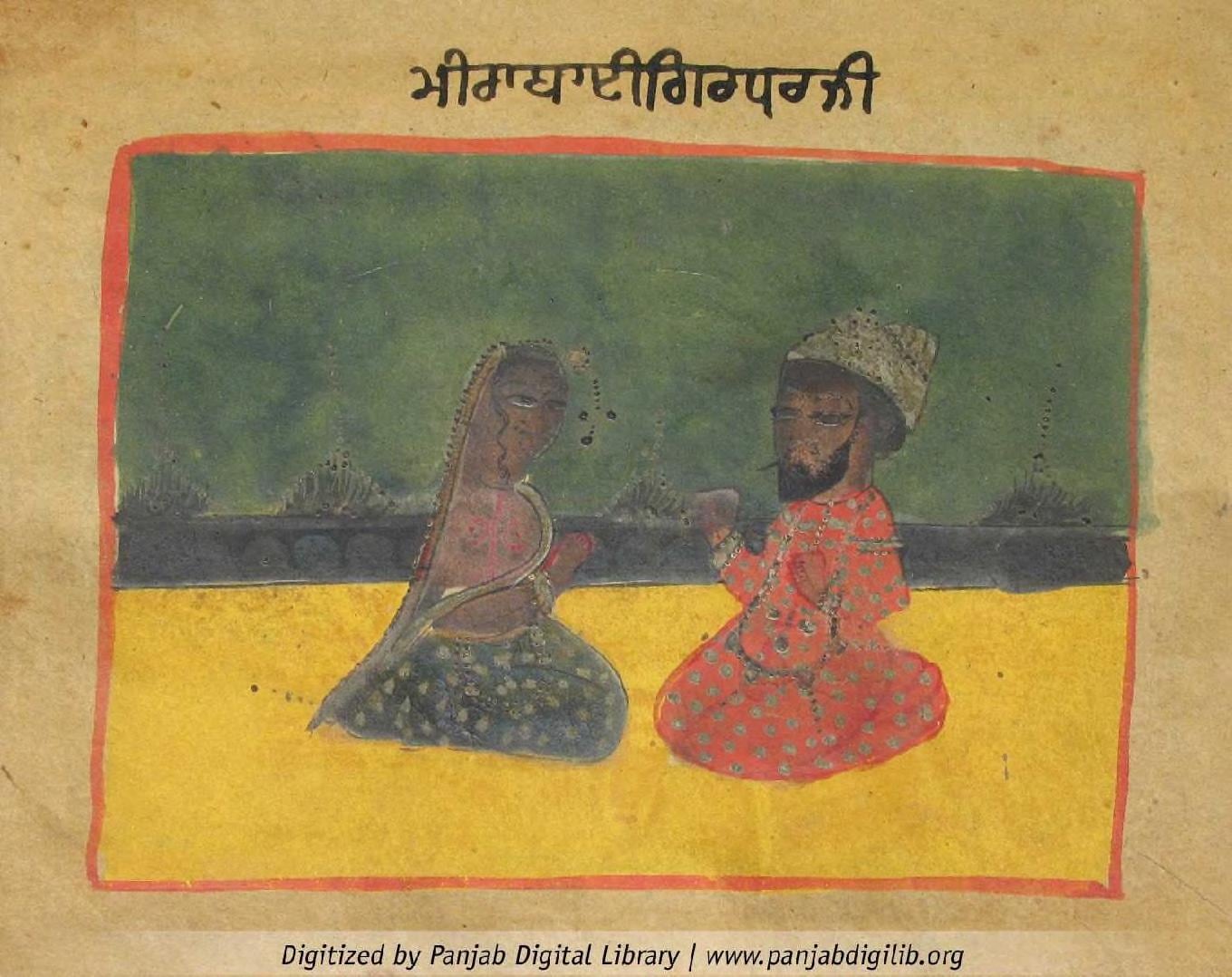
Mirabai
They agree on: What is the Absolute? Does God exist? · Why do we suffer? · Is a teacher necessary?
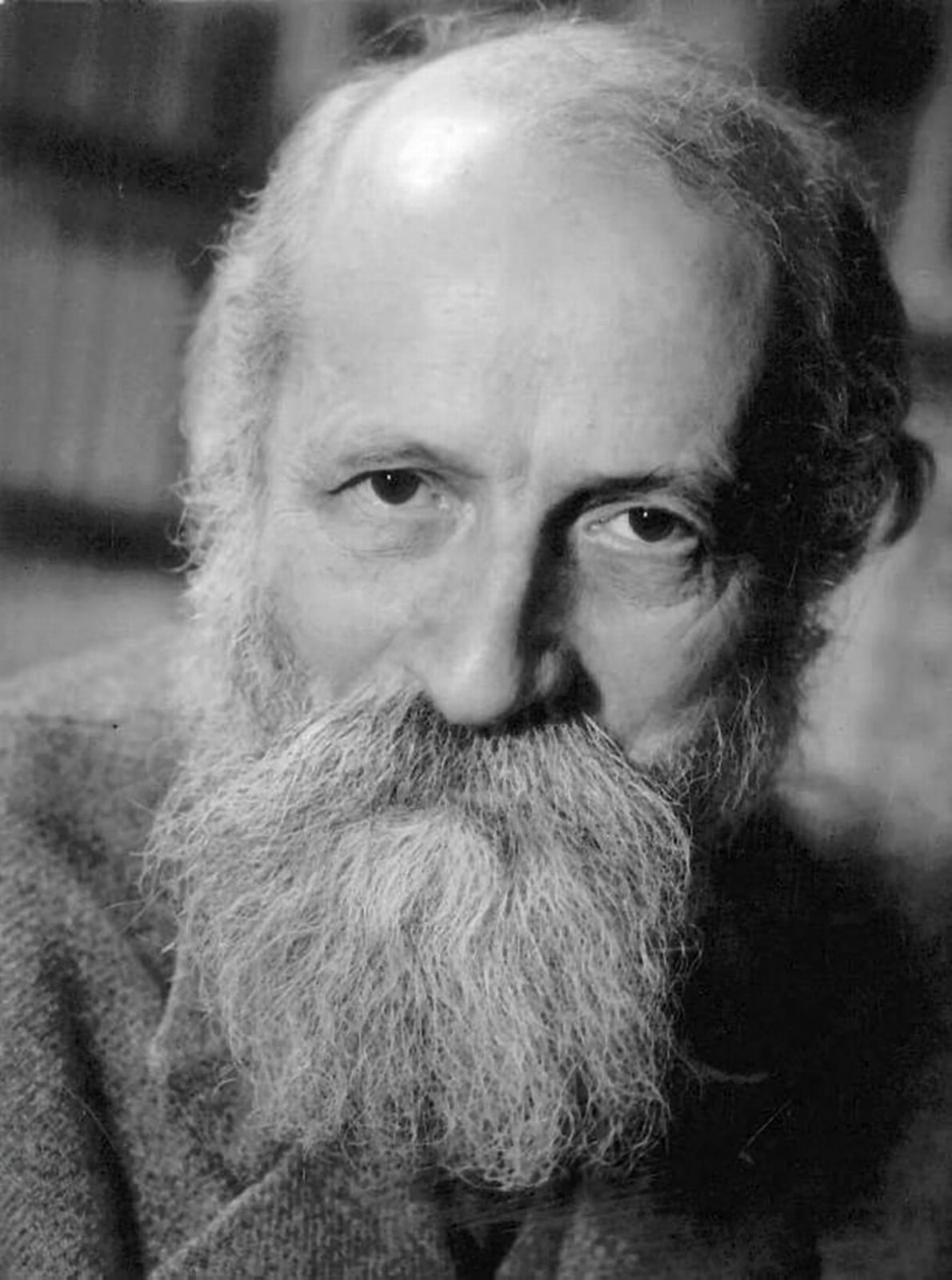
Martin Buber
They agree on: What is the Absolute? Does God exist? · Why do we suffer? · How is liberation or salvation attained?
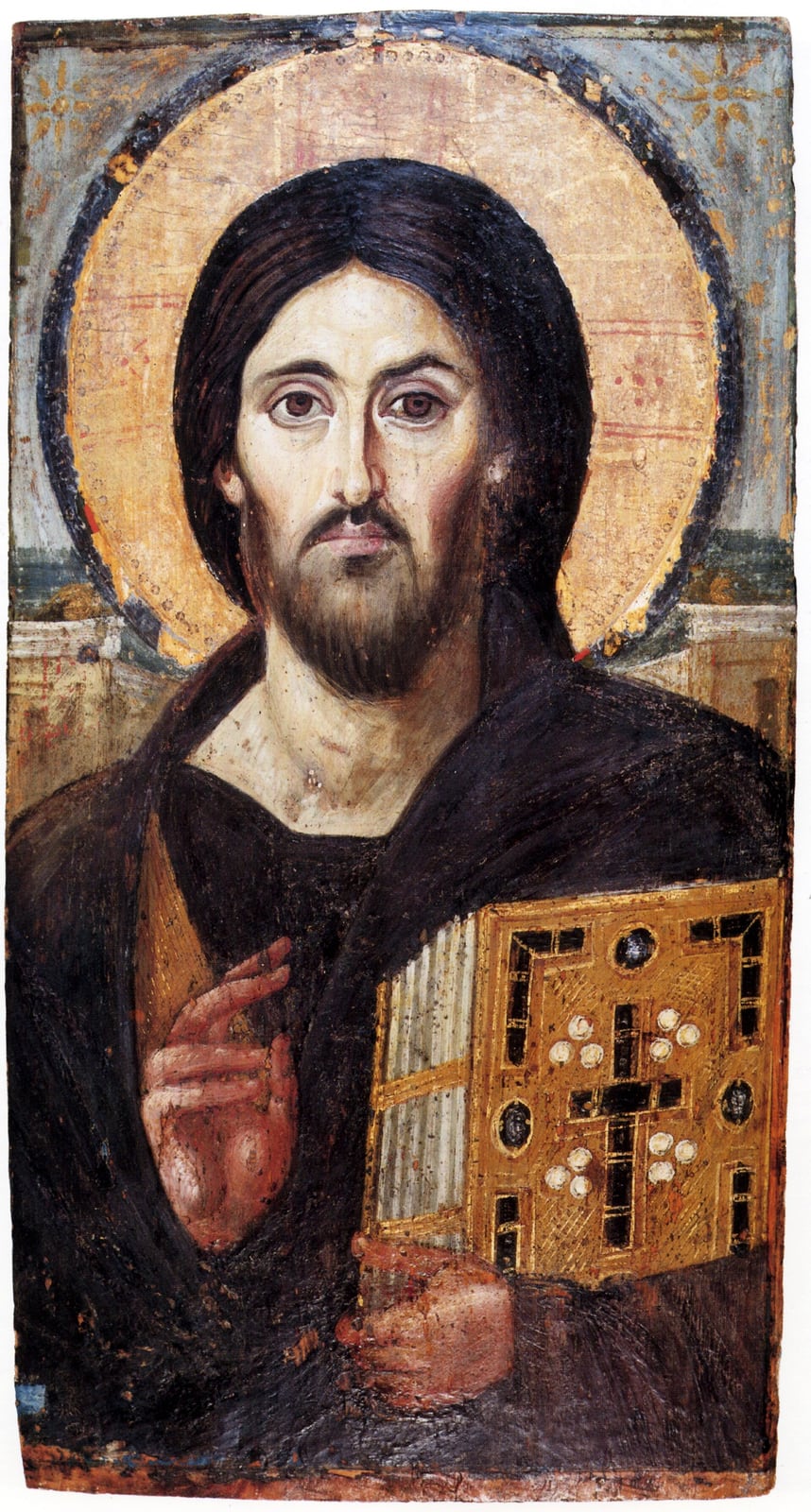
Jesus of Nazareth
They agree on: What is the Absolute? Does God exist? · Is the world real? · Who am I? Is there a true self?

John of the Cross
They agree on: What is the Absolute? Does God exist? · Who am I? Is there a true self? · Why do we suffer?
Thinks most unlike

Epicurus
They clash on: What is the Absolute? Does God exist? · Who am I? Is there a true self? · What happens after death?
Gaudapada
They clash on: Who am I? Is there a true self? · Is the world real?
Parmenides
They clash on: Is the world real?
Baruch Spinoza
They clash on: Who am I? Is there a true self? · Is a teacher necessary?
Anecdotes and stories
Anecdotes and stories
Hagiographic accountc. 1485
The true bargain (Sacha Sauda)
Origin of the story: It comes from the later janamsakhi tradition (in particular the Bala line); it is not in the oldest core of the Puratan.
Source: McLeod, W. H. Early Sikh Tradition: A Study of the Janam-sākhīs. Oxford: Clarendon Press, 1980.
Hagiographic accountc. 1499
Three days in the Bein river
Origin of the story: Puratan janamsakhi (B40 manuscript) and related traditions; McLeod regards it as a vocation story built on a probable but unverifiable experience.
Source: McLeod, W. H. (trad.). The B40 Janam-sākhī. Amritsar: Guru Nanak Dev University, 1980 (traducción del manuscrito Panjabi B40 de la British Library, copiado en 1733).
Hagiographic accountc. 1518
Feet towards the Kaaba
Origin of the story: Bhai Gurdas, Var 1, and the Puratan and Bala janamsakhis. No external source; the visit to Mecca is disputed.
Source: Bhāī Gurdās. Vārāṁ Bhāī Gurdās, Vār 1 (primeras décadas del siglo XVII). Texto y trad. en J. S. Grewal y otros; ed. de la SGPC, Amritsar.
Hagiographic accountc. 1520
Lalo's bread and Malik Bhago's
Origin of the story: Later janamsakhis; Lalo's name appears in the Tilang hymn of the Babarvani ("Jaisi mai avai khasam ki bani").
Source: McLeod, W. H. Early Sikh Tradition: A Study of the Janam-sākhīs. Oxford: Clarendon Press, 1980.
Hagiographic accountc. 1520
Babur and the millstones
Origin of the story: Puratan janamsakhi; Gurdwara Chakki Sahib at Eminabad keeps a millstone as a relic. The meeting with Babur is not recorded in his memoirs (Baburnama).
Source: McLeod, W. H. (trad.). The B40 Janam-sākhī. Amritsar: Guru Nanak Dev University, 1980 (traducción del manuscrito Panjabi B40 de la British Library, copiado en 1733).
Hagiographic account1539
Lehna, the one who obeyed
Origin of the story: The tests come from janamsakhis and later traditions; the succession is documented in Satta and Balvand's var (Ramkali), in the Guru Granth Sahib.
Source: Srī Gurū Granth Sāhib (Ādi Granth). Compilado por Guru Arjan en 1604; recensión de Damdama, 1706. Edición estándar de 1.430 páginas (ang). Trad. inglesa de Manmohan Singh, 8 vols. Amritsar: Shiromani Gurdwara Parbandhak Committee, 1962-1969.
Hagiographic account1539
The flowers under the sheet
Origin of the story: Puratan janamsakhi (B40) and later tradition; the motif of the dispute over the body is also told of Kabir.
Source: McLeod, W. H. (trad.). The B40 Janam-sākhī. Amritsar: Guru Nanak Dev University, 1980 (traducción del manuscrito Panjabi B40 de la British Library, copiado en 1733).
Teachings
Teachings
The notions that structure their thought, explained in context.
Ik Onkar: one Godik-onkar
The Sant tradition of northern India (nirgun bhakti); comparable to Islamic monotheism, but with an immanent God.
Source: McLeod, W. H. Gurū Nānak and the Sikh Religion. Oxford: Clarendon Press, 1968. ISBN 9780198265214 (ed. india, Delhi: Oxford University Press, 1976, ISBN 9780195608069).
Hukam: the divine orderhukam
Japji, stanzas 1-2; Sikh theology of grace (nadar) and will (raza).
Source: McLeod, W. H. Gurū Nānak and the Sikh Religion. Oxford: Clarendon Press, 1968. ISBN 9780198265214 (ed. india, Delhi: Oxford University Press, 1976, ISBN 9780195608069).
Haumai: the egohaumai
Asa di Var and other hymns; the term is shared with the yogic and Sant traditions.
Source: McLeod, W. H. Gurū Nānak and the Sikh Religion. Oxford: Clarendon Press, 1968. ISBN 9780198265214 (ed. india, Delhi: Oxford University Press, 1976, ISBN 9780195608069).
Nam: the Namenam
A reinterpreted Sant and Vaishnava heritage; the basis of the Sikh practice of kirtan and nitnem.
Source: McLeod, W. H. Gurū Nānak and the Sikh Religion. Oxford: Clarendon Press, 1968. ISBN 9780198265214 (ed. india, Delhi: Oxford University Press, 1976, ISBN 9780195608069).
Sach achar: truthful livingsach-achar
Asa di Var, Sidh Gosht, Sri Rag; the Kartarpur community according to Bhai Gurdas.
Source: McLeod, W. H. Gurū Nānak and the Sikh Religion. Oxford: Clarendon Press, 1968. ISBN 9780198265214 (ed. india, Delhi: Oxford University Press, 1976, ISBN 9780195608069).
Sangat and langar: the community and the common tablesangat-langar
Bhai Gurdas, Var 1; Satta and Balvand's var on Khivi's langar; Grewal.
Source: Grewal, J. S. The Sikhs of the Punjab. The New Cambridge History of India II.3. Cambridge: Cambridge University Press, 1990 (ed. rev. 1998).
Videos
Videos
Recordings, interviews and documentaries. Videos play from YouTube; they are not hosted here.
Guru Nanak Dev | Jeevan Darshan | 550th Birth Anniversary of Guru Nanak Dev
Documentary· HI· 25 min
Prasar Bharati ArchivesOfficial channel
Ritu Raag | Documentary | Birth Anniversary celebration of Guru Nanak Dev
Documentary· HI· 32 min
Prasar Bharati ArchivesOfficial channel
Ekas Ke Ham Barik | Sri Guru Nanak Dev Ji | Serial | Episode 1 (Part 1)
Third-party recording· HI· 28 min
Prasar Bharati ArchivesOfficial channel
Bharat Ek Khoj | Episode-27 | Synthesis
Documentary· HI· 1988· 59 min
Prasar Bharati ArchivesOfficial channel
What is Sikhism?
Analysis· EN· 38 min
Let's Talk Religion
Pashaura Singh, April 12, 2018 (Power Play in the Formation of the Sikh Canon)
Lecture· EN· 2018· 44 min
Center for South Asia at UW-MadisonOfficial channel
Guru Nanak - Introduction (English)
Documentary· EN· 2025· 52 min
Oneness In DiversityOfficial channel
Episode 1 (English) - Allegory, A Tapestry of Guru Nanak's Travels
Documentary· EN· 44 min
Oneness In DiversityOfficial channel
Guru Nanak Dev ਨਾਲ ਜੁੜੇ ਅਸਥਾਨਾਂ ਬਾਰੇ ਜਾਣੋ
Documentary· PA· 6 min
BBC News PunjabiOfficial channel
Guru Nanak Jayanti: सिख धर्म के संस्थापक गुरु नानक के बारे में ये बातें जानते हैं आप? (BBC Hindi)
Analysis· HI· 3 min
BBC News HindiOfficial channel
Japji Sahib | Bhai Harbans Singh | Nitnem
Third-party recording· PA· 17 min
Shabad Gurbani
Nanak Shah Fakir | Full HD Movie
Third-party recording· PA· 2015· 137 min
Gurbani MediaOfficial channel
Wo Kon Tha - Baba Guru Nanak Biography Founder of Sikhism | Complete Documentary by Faisal Warraich
Documentary· UR· 51 min
Dekho Suno Jano
Quién fue Gurú Nanak (Dubbed in Spanish)
Analysis· ES· 6 min
Basics of Sikhi
Mensaje de Guru Nanak para la Humanidad (En Español)
Lecture· ES· 56 min
Bulandpuri Spiritual Light House
Gallery
Gallery
Images with verified licences. Each keeps its authorship and attribution.
Connections
Connections
Influences, discipleships and affinities. Documented relations are distinguished from similarities identified by analysis.
Ideas akin to
Both belong to the Sant tradition of the formless God, criticise brahmins and qadis and make the Name the centre of practice. Guru Arjan included Kabir's poems in the Adi Granth; that Nanak knew them is plausible but unproven.
Similarity identified by analysis
Contemporary of
Contemporaries. The janamsakhis take Nanak to Puri, Chaitanya's city, but no meeting is recorded.
Similarity identified by analysis
Contemporary of
Contemporaries. A Mira pada appears in the Bhai Banno recension of the Adi Granth, excluded from the canon.
Similarity identified by analysis
Ideas akin to
An analogy between Nanak's sung poetry and the Sufi tradition of divine love; the Sikh scripture includes a Sufi, Farid, and the stories show Nanak conversing with pirs. No direct historical connection.
Similarity identified by analysis
Linked from other profiles
Sources
Sources
Bibliography and catalogues consulted for this profile.
- McLeod, W. H. Gurū Nānak and the Sikh Religion. Oxford: Clarendon Press, 1968. ISBN 9780198265214 (ed. india, Delhi: Oxford University Press, 1976, ISBN 9780195608069).
- Macauliffe, Max Arthur. The Sikh Religion: Its Gurus, Sacred Writings and Authors. 6 vols. Oxford: Clarendon Press, 1909. Vol. 1 en Wikisource.
- Srī Gurū Granth Sāhib (Ādi Granth). Compilado por Guru Arjan en 1604; recensión de Damdama, 1706. Edición estándar de 1.430 páginas (ang). Trad. inglesa de Manmohan Singh, 8 vols. Amritsar: Shiromani Gurdwara Parbandhak Committee, 1962-1969.
- McLeod, W. H. Early Sikh Tradition: A Study of the Janam-sākhīs. Oxford: Clarendon Press, 1980.
- Grewal, J. S. The Sikhs of the Punjab. The New Cambridge History of India II.3. Cambridge: Cambridge University Press, 1990 (ed. rev. 1998).
- Singh, Harbans. Guru Nanak and Origins of the Sikh Faith. Bombay: Asia Publishing House, 1969.
- Mandair, Arvind-Pal Singh. Sikhism: A Guide for the Perplexed. Londres: Bloomsbury, 2013.
- Singh, Nikky-Guninder Kaur (trad.). The Name of My Beloved: Verses of the Sikh Gurus. San Francisco: HarperSanFrancisco, 1995. ISBN 9780060670498.
- Wikidata, «Guru Nanak» (Q83322).
- Bhāī Gurdās. Vārāṁ Bhāī Gurdās, Vār 1 (primeras décadas del siglo XVII). Texto y trad. en J. S. Grewal y otros; ed. de la SGPC, Amritsar.
- Trumpp, Ernst. The Ādi Granth, or the Holy Scriptures of the Sikhs, Translated from the Original Gurmukhī. Londres: W. H. Allen / India Office, 1877.
- McLeod, W. H. (trad.). The B40 Janam-sākhī. Amritsar: Guru Nanak Dev University, 1980 (traducción del manuscrito Panjabi B40 de la British Library, copiado en 1733).
- Singh, Pashaura, y Louis E. Fenech (eds.). The Oxford Handbook of Sikh Studies. Oxford: Oxford University Press, 2014.
- Singh, Harbans (ed.). The Encyclopaedia of Sikhism. 4 vols. Patiala: Punjabi University, 1992-1998.
- BaniDB. Base de datos del texto gurmukhi del Guru Granth Sahib por página (ang), consultada mediante su API.
- Akashvani News (All India Radio). «Kartarpur Sahib Corridor between India and Pakistan completes 5 years». Noviembre de 2024.
- «ਜਪੁ» (Japu), texto gurmukhi con glosas. Wikisource en panyabí.
- Rights holder
- Las composiciones de Guru Nanak son de dominio público. El texto impreso oficial del Guru Granth Sahib lo edita la Shiromani Gurdwara Parbandhak Committee (SGPC); las traducciones modernas tienen titulares propios.
- Official site
- sgpc.net/
Pending confirmation
What this profile has not yet been able to settle. We would rather say so than fill it in.
- No se localizó ninguna traducción española del Japji ni del Guru Granth Sahib con ISBN; solo el libro divulgativo de Premka Kaur Khalsa (Diana, 2004).
- Completar ediciones con ISBN del Sidh Gosht, el Barah Maha y el Onkar en inglés y panyabí, y de las janamsakhis de Bala y Miharban.
- Fichar en manuscripts[] los cuadernos de Goindval (Goindval pothis) y el manuscrito B40 de la British Library con sus signaturas.
- Verificar la fecha y la lectura de la inscripción del santuario de Baba Nanak en Bagdad.
- La página gurmukhi del Japji en Wikisource lleva glosas modernas sin autor: buscar un texto limpio en dominio público.
Researched on 2026-10-25