Theosophie · Vierter Weg
P. D. Ouspensky
Пётр Демьянович Успенский
1878 – 1947Historisch belegte Person
Pjotr Demjanowitsch Uspenski (1878–1947), bekannt als P. D. Ouspensky, war ein russischer Journalist und Denker, der von Spekulationen über die vierte Dimension („Tertium Organum", 1912) zum großen Darsteller der Lehre G. I. Gurdjieffs wurde, mit dem er von 1915 bis 1924 arbeitete. Von London und später New Jersey aus lehrte er fünfundzwanzig Jahre lang den „Vierten Weg" in Gruppen, aus denen Schüler wie Maurice Nicoll oder Rodney Collin hervorgingen. Das postum erschienene „Auf der Suche nach dem Wunderbaren" ist bis heute die klarste Darstellung dieses Systems.
- Werke
- 17Werke
- Ausgaben
- 42Ausgaben
- Zitate
- 8Zitate
- Videos
- 11Videos
- Bilder
- 3Bilder
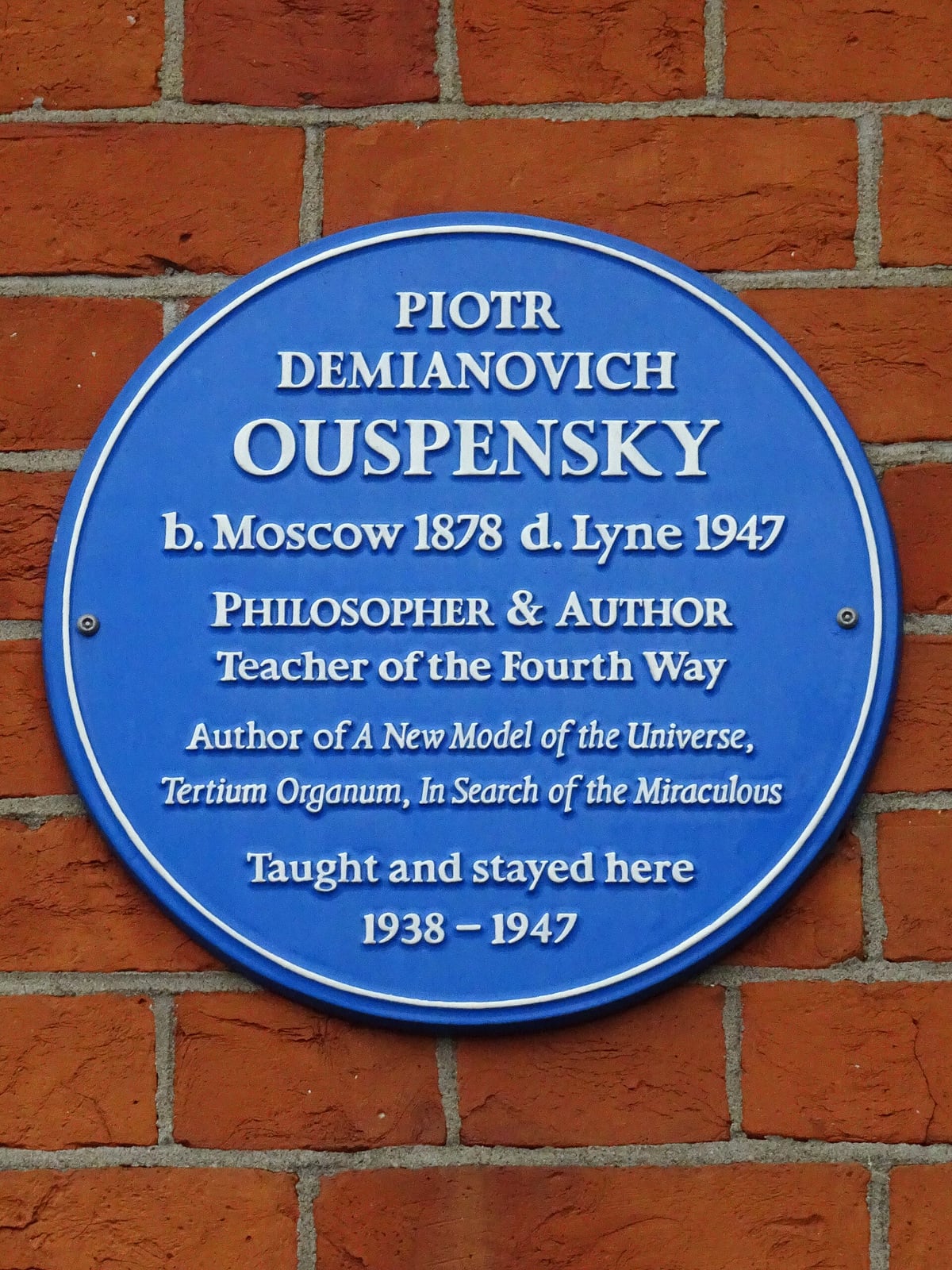
Placa azul de P. D. Ouspensky en Colet House · CC BY-SA 4.0
In eigenen Worten
«Man does not know himself.»The Psychology of Man's Possible Evolution, primera conferencia

Der zentrale Gedanke
Ordinary man does not 'do': everything happens to him, just as wars and revolutions happen to nations. Only one who has achieved inner unity and consciousness can act in the proper sense.
Im Zusammenhang sehen
Biografie
4 Min. Lesezeit
Unterstützte Übersetzung aus dem spanischen Original, Durchsicht durch einen muttersprachlichen Übersetzer ausstehend.
Ein Autodidakt im Moskau der Jahrhundertwende
Pjotr Demjanowitsch Uspenski – im Westen als P. D. Ouspensky bekannt – wurde im März 1878 in Moskau geboren, in einer Beamtenfamilie bescheidener Herkunft: Sein Vater diente in der Katasterverwaltung und im Findelhaus, seine Mutter war die Tochter eines Kaufmanns. Über den genauen Tag gehen die Quellen auseinander, weil in Russland noch der julianische Kalender galt. Er besuchte das Zweite Moskauer Gymnasium, von dem er – so die biografische Überlieferung – mit etwa sechzehn Jahren verwiesen wurde, weil er vor den Augen eines Inspektors eine Wand beschmiert hatte. Fortan bildete er sich selbst, mit einer frühen Leidenschaft für Mathematik, Psychologie und jene Phänomene, die die Wissenschaft seiner Zeit ausklammerte.
Journalist und Suchender
In den ersten Jahren des Jahrhunderts arbeitete er als Journalist in Moskau und Sankt Petersburg. Um 1907 entdeckte er die Theosophie, die sich damals in Russland stark ausbreitete, und 1908 unternahm er eine erste Reise in den Orient. Im Jahr darauf veröffentlichte er Die vierte Dimension, eine Broschüre, die Charles Howard Hinton verpflichtet ist und in der die vierte Dimension eine Ausdehnung des Raumes ist, die unsere Wahrnehmung nicht erfasst. Aus dieser Intuition ging Tertium Organum (1912) hervor, sein erstes großes Werk: ein „dritter Kanon des Denkens" nach dem Organon des Aristoteles und dem Novum Organum Bacons, der die letzte Wirklichkeit von Raum und Zeit bestreitet und eine höhere Logik vorschlägt, in der A zugleich A und Nicht-A ist. In derselben Zeit veröffentlichte er einen Essay über die Symbolik des Tarot, zwei Vorträge über den „inneren Kreis" und den Übermenschen, eine Broschüre über Yoga, Gespräche mit dem Teufel und den Roman Kinemadrama, aus dem Das seltsame Leben des Iwan Osokin werden sollte.
1913/14 reiste er nach Ägypten, Indien und Ceylon, auf der Suche nach einer lebendigen Schule esoterischen Wissens; er besuchte den theosophischen Hauptsitz in Adyar, doch der Ausbruch des Ersten Weltkriegs zwang ihn zur Rückkehr, ohne sie gefunden zu haben. Im Frühjahr 1915 hielt er in Sankt Petersburg und Moskau Vorträge über seine Reisen, die er – eben – Auf der Suche nach dem Wunderbaren nannte.
Die Begegnung mit Gurdjieff
Im selben Jahr willigte er, nachdem er mehrere Einladungen ausgeschlagen hatte, in ein Treffen in einem kleinen Moskauer Café ein, mit einem Mann von orientalischem Aussehen, schwarzem Schnurrbart und durchdringendem Blick, der ihm „verkleidet" vorkam: Georg Iwanowitsch Gurdjieff. Das Gespräch veränderte sein Leben. In den folgenden Jahren gehörte Ouspensky der Petersburger Gruppe an, notierte akribisch die Erklärungen des Meisters über den Menschen als Maschine, die Zentren, das Gesetz der Drei und das der Sieben, das Enneagramm und die „Selbsterinnerung" und machte Erfahrungen, die er mit gewissenhafter Nüchternheit schildern sollte, etwa die telepathische Verständigung, die er im August 1916 in Finnland mit Gurdjieff gehabt haben will.
Die Revolution zerstreute die Gruppe. Ouspensky folgte Gurdjieff 1917 nach Jessentuki, distanzierte sich 1918 von ihm und überlebte den Bürgerkrieg im Süden Russlands; von dort schickte er die Berichte, die A. R. Orage in London veröffentlichte und die später als Briefe aus Russland 1919 gesammelt erschienen. 1920 flüchtete er nach Konstantinopel.
London und die Unabhängigkeit
Inzwischen war Tertium Organum in die Vereinigten Staaten gelangt: Der Architekt Claude Bragdon übersetzte es mit Nicholas Bessaraboff und veröffentlichte es 1920, und der Erfolg machte aus einem unbekannten Emigranten einen gefeierten Autor. Mit Unterstützung von Lady Rothermere ließ sich Ouspensky 1921 in London nieder, wo seine Vorträge Schriftsteller, Ärzte und Journalisten anzogen; die Quellen nennen unter seinen Zuhörern Aldous Huxley, T. S. Eliot und Gerald Heard. Er half, Geld zu sammeln, damit Gurdjieff sein Institut in Fontainebleau eröffnen konnte, doch 1924 erklärte er, er werde allein weitermachen. Im letzten Kapitel von Auf der Suche nach dem Wunderbaren begründet er seine Entscheidung mit einem Satz von seltener Noblesse: Gurdjieffs Weg mochte richtiger sein als der seine, aber er war nicht der seine.
Fünfzehn Jahre lang lehrte er in London – ab 1938 auch im Colet House – und in Lyne Place (Surrey), wo seine Gruppen das Studium der Ideen mit praktischer Arbeit verbanden. 1931 erschien Ein neues Modell des Universums, das die vor der Begegnung mit Gurdjieff geschriebenen Essays sammelte und erweiterte. Zu seinen Schülern zählten Maurice Nicoll, Kenneth Walker, Robert S. de Ropp, Rodney Collin und eine Zeit lang J. G. Bennett.
Amerika und das Ende
Der Zweite Weltkrieg führte ihn 1941 in die Vereinigten Staaten; dort ließ er sich mit seiner Frau Sofia Grigorjewna auf einer Farm in New Jersey nieder und hielt weiterhin Gesprächsabende in New York. Schwer krank kehrte er 1947 allein nach England zurück. In den Zusammenkünften jener Monate verwirrte er seine Schüler mit dem Beharren darauf, sie müssten von vorn beginnen und dürften dem erlernten „System" nicht vertrauen; Rodney Collin deutete das so, als habe er die Lehre aufgegeben – eine Lesart, die die Protokolle dieser Treffen nicht eindeutig bestätigen. Er starb am 2. Oktober 1947 in Lyne Place und ist auf dem Friedhof der Holy-Trinity-Kirche von Lyne begraben.
Ein Werk in zwei Zeiten
Kurz nach seinem Tod erschienen Auf der Suche nach dem Wunderbaren – der Überlieferung nach mit dem Einverständnis Gurdjieffs selbst – und Die Psychologie der möglichen Evolution des Menschen, fünf als Einführung gedachte Vorträge. Es folgten Der vierte Weg (1957) und mehrere Sammlungen von Zusammenkünften. Ouspenskys Werk hat so zwei Zeiten: die des Denkers, der eine Logik jenseits des gesunden Menschenverstands suchte, und die des Schülers, der mit der Genauigkeit eines Journalisten die Lehre eines anderen niederschrieb. Die Klarheit dieser Niederschrift erklärt, dass man den Vierten Weg bis heute vor allem durch seine Stimme kennt. Sein Nachlass wird in der Bibliothek der Yale University aufbewahrt.
Quellen: Lachman, Gary. In Search of P. D. Ouspensky: The Genius in the Shadow of Gurdjieff. Wheaton: Quest Books, 2004. · Ouspensky, P. D. In Search of the Miraculous: Fragments of an Unknown Teaching. Nueva York: Harcourt, Brace & World, 1949; Londres: Routledge & Kegan Paul, 1950. · Ouspensky, P. D. The Psychology of Man's Possible Evolution. Nueva York: Hedgehog Press, 1950. · Webb, James. The Harmonious Circle: The Lives and Work of G. I. Gurdjieff, P. D. Ouspensky, and Their Followers. Nueva York: G. P. Putnam's Sons, 1980. · Ouspensky, P. D. Tertium Organum: The Third Canon of Thought, a Key to the Enigmas of the World. Trad. de Nicholas Bessaraboff y Claude Bragdon. Rochester (NY): Manas Press, 1920.
Zeitleiste
Das Leben, Jahr für Jahr
Jeder Punkt ist ein belegtes Ereignis. Klicken Sie, um es mit Quelle und Grad der Gewissheit zu lesen.
März 18780 JahreMoscú
Born in Moscow
Pyotr Demyanovich Uspensky is born, son of Demyan Petrovich Uspensky, an official, and Ekaterina Semyonovna Borisova. Sources give 4, 5 or 17 March, depending on the calendar used.
BelegtWikidata, «Peter Demianovich Ouspensky» (Q434266): fechas y lugares de nacimiento y muerte (registra tres fechas de nacimiento: 4, 5 y 17 de marzo de 1878).
Nach dem Tod
- 1949In Search of the Miraculous published
März 1878 · 0 Jahre
Born in Moscow
Pyotr Demyanovich Uspensky is born, son of Demyan Petrovich Uspensky, an official, and Ekaterina Semyonovna Borisova. Sources give 4, 5 or 17 March, depending on the calendar used.
Belegt
um 1894 · 16 Jahre
Expelled from the gymnasium
He is expelled from the Second Moscow Gymnasium, tradition says for graffiti painted in view of an inspector. From then on he is self-taught.
Wahrscheinlich
1907 · 29 Jahre
Journalism and Theosophy
He works as a journalist on the Moscow daily Utro (The Morning) and discovers Theosophy, which will shape his first books.
Belegt
1909 · 31 Jahre
The Fourth Dimension
He publishes his first book, on theories of the fourth dimension.
Belegt
1912 · 34 Jahre
Tertium Organum
Tertium Organum appears, his first major work, proposing a higher logic and a theory of cosmic consciousness.
Belegt
1913 – 1914
Journey to the East
He travels to Egypt, India and Ceylon in search of an esoteric school; he visits Adyar. The war forces him back to Russia.
Belegt
Februar 1915 · 36 Jahre
Lectures 'In Search of the Miraculous'
In February and March he lectures in St Petersburg on his travels under the titles 'In Search of the Miraculous' and 'The Problems of Death'.
Belegt
1915 · 37 Jahre
Meeting Gurdjieff
In a small Moscow café he meets G. I. Gurdjieff and joins his work group.
Belegt
August 1916 · 38 Jahre
The Finland experiences
By his own account he has telepathic communication with Gurdjieff at a Finnish country house. He himself admits he cannot prove it.
Umstritten
1918 · 40 Jahre
First separation from Gurdjieff
Having followed him to the Caucasus, he decides to leave Gurdjieff and continue the work independently.
Belegt
1919 · 41 Jahre
Letters from Russia
During the civil war he sends dispatches that A. R. Orage publishes in London in The New Age.
Belegt
1920 · 42 Jahre
Exile in Constantinople; Tertium Organum in English
A refugee in Constantinople, he is unaware that in Rochester Claude Bragdon has published Tertium Organum in English with great success.
Belegt
August 1921 · 43 Jahre
Arrival in London
He leaves Constantinople in August and settles in London with Lady Rothermere's support; he begins lecturing.
Belegt
1924 · 46 Jahre
Final break with Gurdjieff
He announces in London that he will continue teaching independently, apart from Gurdjieff and his Fontainebleau Institute.
Belegt
1931 · 53 Jahre
A New Model of the Universe
The collection of his pre-Gurdjieff essays is published in English.
Belegt
1938 · 60 Jahre
Colet House
He teaches at Colet House, later the home of The Study Society, where a blue plaque now commemorates him.
Belegt
1941 · 63 Jahre
Move to the United States
Because of the war he moves to the United States; with his wife Sophia Grigorievna he settles on a New Jersey farm and lectures in New York.
Wahrscheinlich
2. Oktober 1947 · 69 Jahre
Death at Lyne Place
Having returned to England that year, he dies at Lyne Place. He is buried in Holy Trinity churchyard, Lyne.
Belegt
1949
In Search of the Miraculous published
In Search of the Miraculous is published posthumously and becomes the standard account of Gurdjieff's system.
Belegt
Werke
Grundlegende Werke
Die Werke, ohne die sich das Vermächtnis nicht verstehen lässt.
Schriftliches Werk · 1912
Tertium Organum: A Key to the Enigmas of the World
Tertium Organum. Ключ к загадкам мира
His first major work: after Aristotle's Organon and Bacon's Novum Organum, it proposes a 'third canon of thought' that denies the ultimate reality of space and time, explores cosmic consciousness (Bucke, the mystics) and formulates a higher logic in which A is both A and not-A. It was a success in America in the 1920s.
4 Ausgaben · amazon.com

Schriftliches Werk · 1931
A New Model of the Universe
A collection of essays on esotericism, the fourth dimension, the superman, Christianity and the New Testament, the Tarot, yoga, dreams, eternal recurrence, sex and evolution, unified by the 'psychological method': examining each problem from the level of consciousness of the one who thinks it.
4 Ausgaben · amazon.com

Nachgelassenes Werk · 1949
In Search of the Miraculous
In Search of the Miraculous: Fragments of an Unknown Teaching
A first-person chronicle of the years with Gurdjieff in Moscow, St Petersburg and the Caucasus and a systematic account of his teaching: man as a machine, the seven categories of man, the centres, self-remembering, the laws of three and seven, the ray of creation, the enneagram. It is the standard introduction to the Fourth Way.
7 Ausgaben · amazon.com

Veröffentlichte Vorträge · 1950
The Psychology of Man's Possible Evolution
The five lectures Ouspensky read to newcomers: man does not know himself, is a machine capable of knowing it, lives in lower states of consciousness and can evolve only through conscious work on himself. It is the shortest and clearest gateway to his teaching.
4 Ausgaben · amazon.com
Das gesamte Werk (17)
P. D. Ouspensky
The Fourth Dimension
The Conscious LibraryThe Fourth Dimension
1909

The Symbolism of the Tarot
1912
P. D. Ouspensky
The Inner Circle: On the Superman
The Conscious LibraryThe Inner Circle: On the Superman
1913

What Is Yoga?
1913

Strange Life of Ivan Osokin
1915

Talks with a Devil
1916

The Fourth Way
1957

Letters from Russia, 1919
1978

Conscience: The Search for Truth
1979

A Further Record
1986

The Cosmology of Man's Possible Evolution
1989

A Record of Meetings
1992
P. D. Ouspensky
Memory
The Conscious LibraryMemory
1953
Zitate
Zitate, die in einem bestimmten Werk nachgewiesen sind. Jedes trägt seine Herkunft und seinen Grad an Verlässlichkeit.
Man does not know himself.GeprüftThe Psychology of Man's Possible Evolution, primera conferencia
Wesentliche Gedanken (redaktionelle Zusammenfassung)
Aus Achtung vor dem Urheberrecht werden diese Gedanken mit eigenen Worten zusammengefasst und nicht als wörtliche Zitate dargestellt.
- Ordinary man does not 'do': everything happens to him, just as wars and revolutions happen to nations. Only one who has achieved inner unity and consciousness can act in the proper sense.
- There are four possible states of consciousness — sleep, ordinary waking state, self-consciousness and objective consciousness — and man lives almost always in the first two while believing he has the last two.
- Human evolution is neither automatic nor collective: it is an individual possibility requiring knowledge, conscious effort and the guidance of a school.
- Time is the way we imperfectly perceive a higher dimension of space; hence the possibility that life recurs, an idea he dramatised in Strange Life of Ivan Osokin.
- Every great question of science, religion or art should be examined with a 'psychological method', asking from what level of consciousness it is posed.
Letzte Worte
Es gibt keine überprüfbaren Aufzeichnungen der letzten Worte.
There is no reliable record of his last words. Accounts of his final months — notably Rodney Collin's and the records of the 1947 meetings — report his insistence that pupils 'start again', but transmit no verifiable final words.
Fragen
Was das Werk beantwortet
Zwölf große Fragen der Menschheit und was sich aus den Texten darauf antworten lässt, mit Belegen. Wir legen niemandem Worte in den Mund.
Was ist das Absolute? Gibt es Gott?
At the top of the ray of creation, the Absolute, subject to one law
Ein unpersönliches AbsolutesAus der Lehre abgeleitet
P. D. Ouspensky approached the Absolute in two stages. In Tertium Organum (1912), before meeting Gurdjieff, he speculates on higher dimensions of space and on a cosmic consciousness the human being may attain, without appealing to a personal God. In In Search of the Miraculous (1949), where he records what he learned from Gurdjieff, he sets out the ray of creation: a scale of worlds descending from the Absolute, subject to one law, down to the Moon, subject to ninety-six; each level is more mechanical the further it is from the source. The Absolute appears there as the principle from which everything proceeds and whose will reaches directly only the first level, not as someone with whom one has dealings. His interest is not devotional but cosmological and psychological: to understand where the human being stands on that scale.
Diese Frage mit anderen Meistern vergleichenWer bin ich? Gibt es ein wahres Selbst?
Man has no permanent I, only many I's taking turns
Es gibt kein bleibendes SelbstAusdrücklich gesagt
P. D. Ouspensky sets out in In Search of the Miraculous (1949) and The Psychology of Man's Possible Evolution (1950) the central thesis of the Fourth Way: the ordinary human being has no single, permanent I. Each thought, desire or sensation says «I» for a moment and is replaced by another; there are hundreds of small I's, often contradictory, taking turns in command without any of them representing the whole. Man in this state is a machine: everything happens to him, he does nothing. Self-observation reveals this multiplicity, and seeing it is the first step. Unlike Buddhist non-self, however, the teaching holds that a real I can come to be formed through long and conscious work; the point is not to discover a Self already given but to create what does not yet exist.
Diese Frage mit anderen Meistern vergleichenWarum leiden wir?
We suffer from identification, imagination and needless negative emotions
Unwissenheit über das, was wir sindAusdrücklich gesagt
P. D. Ouspensky sets out in The Psychology of Man's Possible Evolution (1950) and The Fourth Way (1957) a psychological explanation of suffering. Ordinary man lives asleep: he identifies with every thought, emotion or circumstance, loses himself in it and believes he is that. To identification are added imagination, which produces uncontrolled scenarios, and the expression of negative emotions, which Ouspensky regards as unnecessary: they have no centre of their own in the organism, are maintained by habit and justified by reasoning. Much human suffering, he holds, comes from this mechanical functioning, which passes for natural. Self-observation, non-identification and ceasing to express negative emotions make it possible to reduce it. The teaching further distinguishes this useless mechanical suffering from the conscious suffering that work on oneself may demand.
Diese Frage mit anderen Meistern vergleichenWas geschieht nach dem Tod?
Life repeats itself: eternal recurrence, which only consciousness can change
Wiedergeburt nach dem KarmaAusdrücklich gesagt
Ouspensky defended throughout his life an idea of his own, eternal recurrence, which he sets out in A New Model of the Universe and fictionalises in Strange Life of Ivan Osokin. At death, the human being does not pass into another world or a different body: he is born again into the same life, at the same time and with the same circumstances, because time has more dimensions than we perceive. Most people repeat the same things mechanically; only someone who acquires memory and self-consciousness can introduce changes into the repetition. In In Search of the Miraculous he also records Gurdjieff's doctrine: ordinary man does not have an immortal soul already given, but the possibility of forming higher bodies through work, and only what has crystallised can survive the death of the body.
Diese Frage mit anderen Meistern vergleichenWie erlangt man Befreiung oder Erlösung?
Man is a sleeping machine; awakening requires self-remembering within a school
Durch bewusste innere ArbeitAusdrücklich gesagt
Peter D. Ouspensky sets out in In Search of the Miraculous the teaching he received from Gurdjieff between 1915 and 1918, and in The Psychology of Man's Possible Evolution the version he himself taught. The starting point is that ordinary human beings live asleep: each is a machine moved by external influences, without a permanent «I» but with a multitude of small I's succeeding one another. Evolution is neither automatic nor guaranteed; it is only possible for those who undertake it consciously. Its tools are self-observation, «self-remembering», effort against mechanicalness and work with others within a school, because no one can awaken alone. The end of that development is higher states of consciousness.
Diese Frage mit anderen Meistern vergleichenBraucht es einen Lehrer?
No one awakens alone: a school is needed, with its system and group work
Gemeinschaft und TraditionAusdrücklich gesagt
In In Search of the Miraculous, Peter D. Ouspensky transmitted the idea, received from Gurdjieff, that a sleeping man cannot wake himself: he needs a system of knowledge and other people to remind him of his sleep. That is the reason for schools, organised groups working with rules, with knowledge coming from a higher source and with common tasks. After separating from Gurdjieff in 1918 and definitively in the 1920s, Ouspensky led his own groups in London for decades, centred on studying the system. His emphasis falls more on the school and collective work than on the personal figure of the teacher.
Diese Frage mit anderen Meistern vergleichenIst die Welt wirklich?
The ray of creation: worlds of differing density and number of laws
DaseinsebenenAusdrücklich gesagt
In In Search of the Miraculous, Peter D. Ouspensky sets out the cosmology he received from Gurdjieff: the ray of creation, a scale of worlds running from the Absolute to the Moon through all worlds, our galaxy, the Sun, the planets and the Earth. Each level is subject to an increasing number of laws, so that the Earth, subject to many, is a place of great mechanicalness. Human beings live in one of the worst places in the universe, in the system's expression, and their possible evolution consists in freeing themselves from some of those laws. Before meeting Gurdjieff, in Tertium Organum, he had already argued that the three-dimensional world is a limited perception of a reality of more dimensions.
Diese Frage mit anderen Meistern vergleichenWas ist Liebe?
Love is a cosmic phenomenon that can open onto higher consciousness
Sehnsucht und VereinigungAus der Lehre abgeleitet
In Tertium Organum, P. D. Ouspensky treats love as a cosmic phenomenon not made to the measure of human ends: people use it for reproduction, pleasure or possession, but its nature exceeds all of that and belongs to an order of reality of higher dimensions. That is why, he holds, love can momentarily open a higher perception, akin to the mystical consciousness he studies in the same book, and also why it is degraded when shut up in the personal. In A New Model of the Universe, in the chapter on sex and evolution, he examines sexual energy as a force that can serve inner evolution or be wasted. Later, within the Fourth Way, he would add that mechanical man cannot truly love as long as he lacks a permanent I.
Diese Frage mit anderen Meistern vergleichenSind wir frei, oder ist alles vorherbestimmt?
Man is a machine: everything happens to him, he does nothing
Wir sind Maschinen, bis wir erwachenAusdrücklich gesagt
*In Search of the Miraculous* (1949) records as the starting point of Gurdjieff's teaching the thesis that ordinary man is a machine: he cannot do, everything happens to him, as it rains or clears up. Ouspensky makes it the axis of his own lectures, published as *The Psychology of Man's Possible Evolution*: the human being has no single permanent self but many small «I»s that take turns, and therefore has no will. Freedom is not a given but a possibility. Only through work on oneself, beginning with self-remembering, can a centre capable of doing be formed. Most people, he warns, will never leave mechanicalness.
Diese Frage mit anderen Meistern vergleichenWozu meditieren oder beten?
Self-remembering: being present to oneself while acting
Gegenwärtig seinAusdrücklich gesagt
In the Fourth Way Ouspensky sets out in *In Search of the Miraculous* and *The Fourth Way*, the central practice is neither sitting meditation nor prayer but self-remembering: dividing attention so that, while looking at something, one is at the same time aware of oneself looking. Ouspensky recounts that when he tried it he discovered he almost never remembered himself and that most of his life passed in sleep. To that effort are added non-judgemental self-observation and the struggle against identification and the expression of negative emotions. The aim is to wake from mechanicalness and form a permanent self; self-remembering is the first step towards consciousness.
Diese Frage mit anderen Meistern vergleichenKann die Vernunft das Letzte erkennen?
A higher logic and a school knowledge ordinary science cannot reach
Esoterisches WissenAusdrücklich gesagt
Ouspensky trained as a mathematician and journalist, and his first answer was intellectual: in *Tertium Organum* (1912) he proposed a «third logic» to surpass those of Aristotle and Bacon in order to think about consciousness and the higher dimensions of space. Meeting Gurdjieff in 1915 convinced him that something more was needed: an esoteric knowledge preserved by schools, which, according to *In Search of the Miraculous*, is not transmitted through books but from teacher to pupil, and only to one who has prepared his being to receive it. That knowledge must be verified personally: nothing is to be accepted on faith. The ordinary, mechanical intellect cannot reach it; one developed by work on oneself can.
Diese Frage mit anderen Meistern vergleichenSich von der Welt zurückziehen oder sie verwandeln?
The Fourth Way requires no withdrawal: one works in ordinary life
Kontemplation im HandelnAusdrücklich gesagt
In In Search of the Miraculous, P. D. Ouspensky sets out Gurdjieff's classification of the traditional ways: that of the fakir, who works on the body; that of the monk, on the emotions; and that of the yogi, on the mind. All three require leaving ordinary life and withdrawing. The Fourth Way, by contrast, does not ask one to go to the desert or the monastery: it is followed in the conditions of ordinary life, which are considered the best possible for work on oneself, and it works at once on body, emotions and mind. The practitioner keeps his trade and his family, but uses them as material for self-remembering and for observing his mechanicalness. Ouspensky led groups for decades, in London and later in the United States, on this basis. As for society, he was sceptical: collective changes, he said, happen mechanically.
Diese Frage mit anderen Meistern vergleichen
Affinitäten und Spannungen
Affinitäten und Spannungen
Frage für Frage aus den Positionen berechnet. Den Grund jeder Übereinstimmung und jedes Widerspruchs zeigt ein Klick.
Denkt ähnlich wie
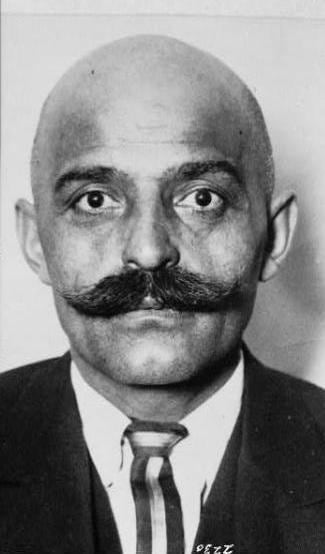
G. I. Gurdjieff
Übereinstimmung bei: Wer bin ich? Gibt es ein wahres Selbst? · Warum leiden wir? · Wie erlangt man Befreiung oder Erlösung?
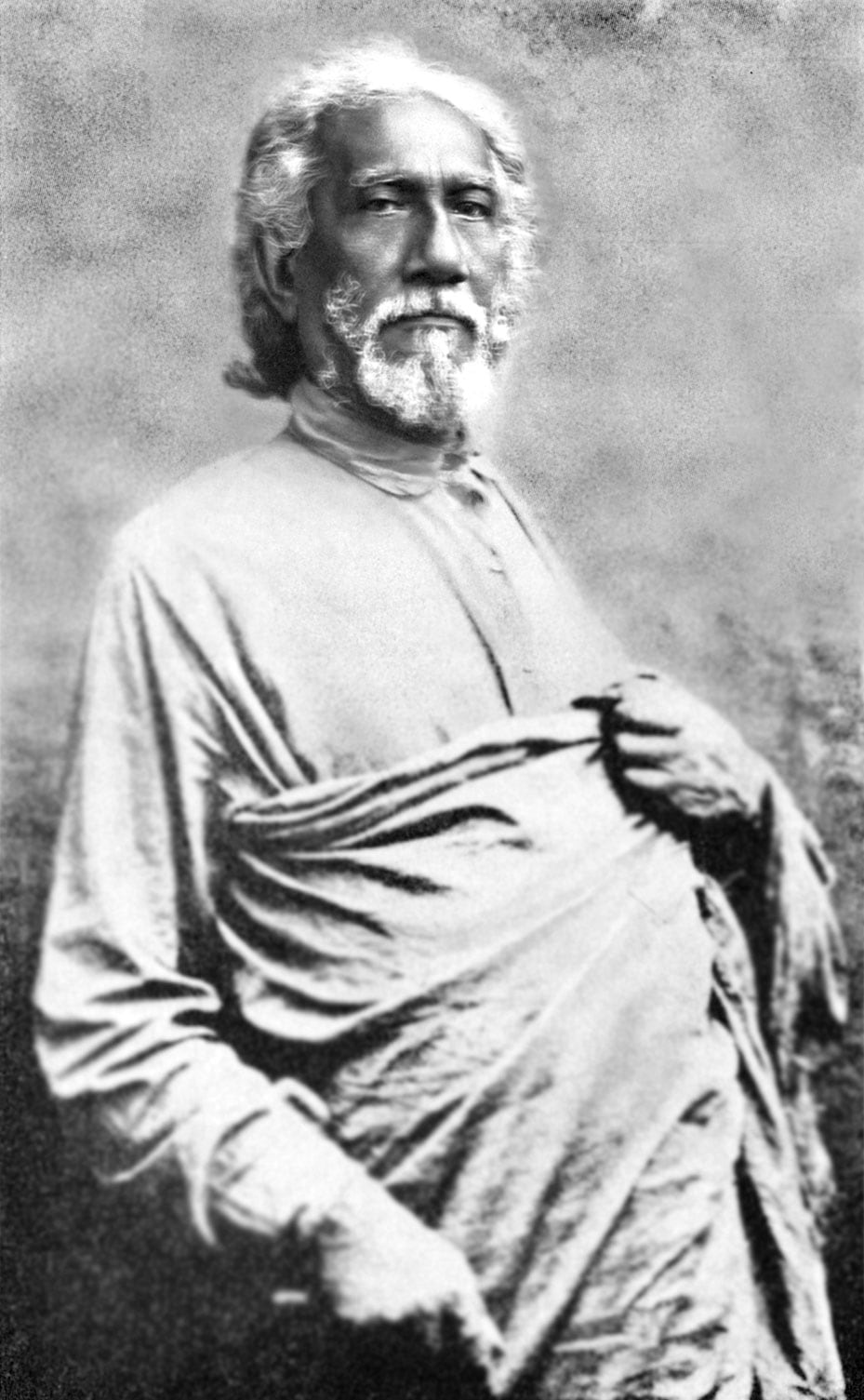
Sri Yukteswar
Übereinstimmung bei: Was ist das Absolute? Gibt es Gott? · Warum leiden wir? · Was geschieht nach dem Tod?
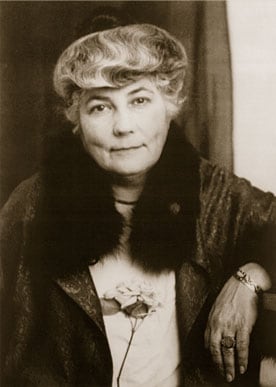
Helena Roerich
Übereinstimmung bei: Was ist das Absolute? Gibt es Gott? · Was geschieht nach dem Tod? · Ist die Welt wirklich?
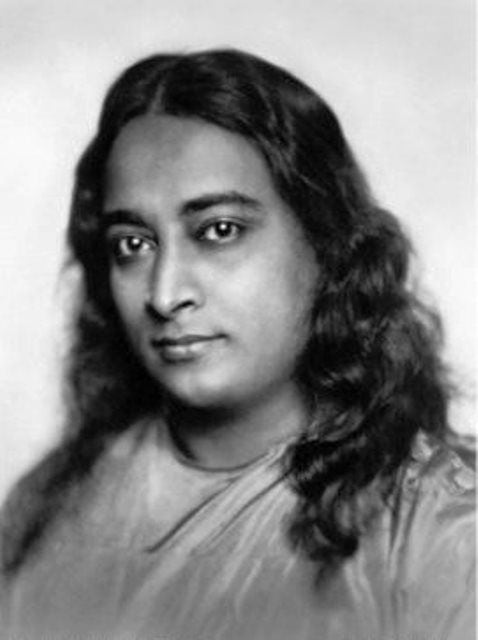
Paramahansa Yogananda
Übereinstimmung bei: Was geschieht nach dem Tod? · Ist die Welt wirklich? · Was ist Liebe?
Denkt anders als
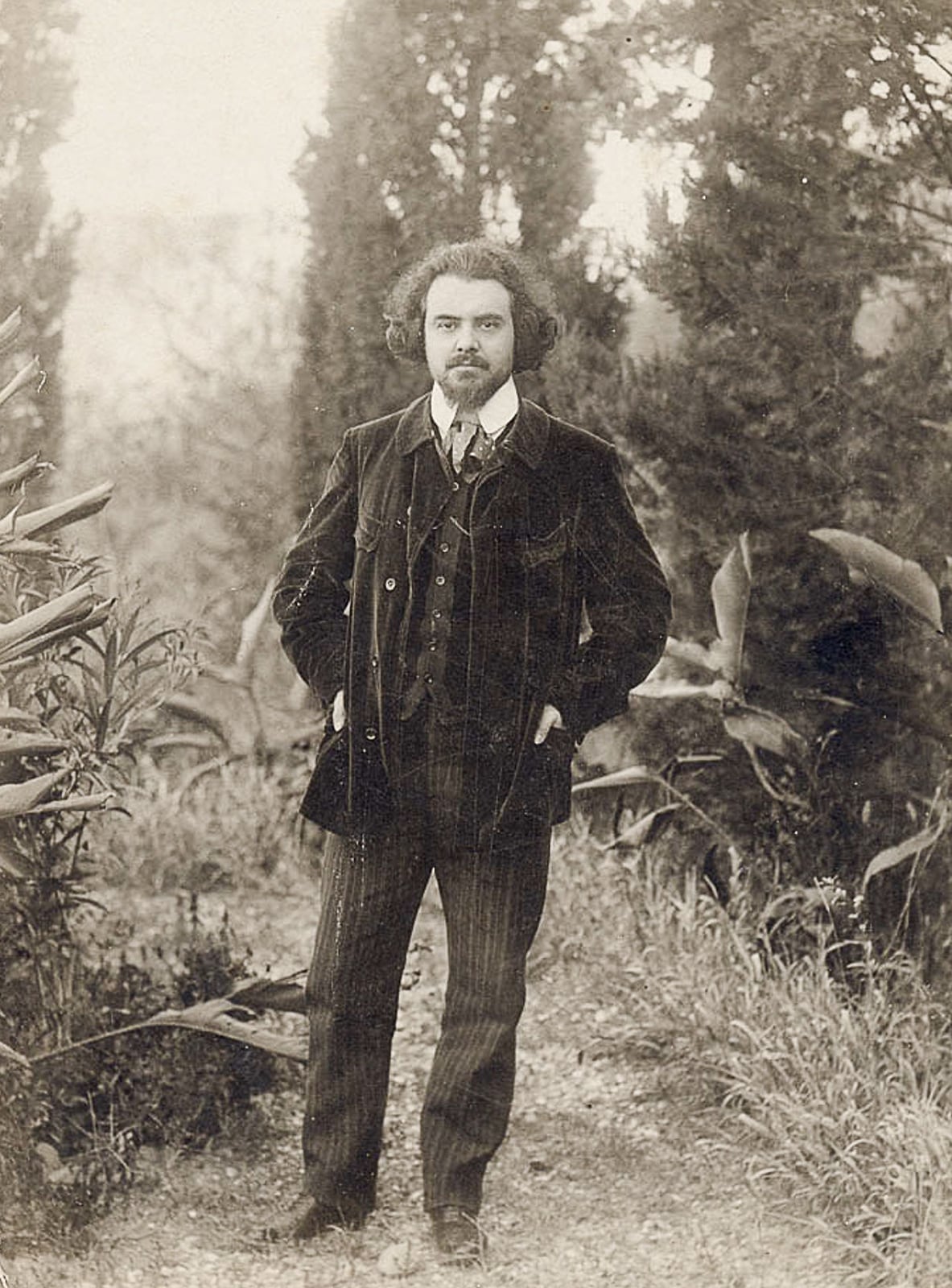
Nikolai Berdyaev
Widerspruch bei: Wer bin ich? Gibt es ein wahres Selbst? · Was geschieht nach dem Tod?
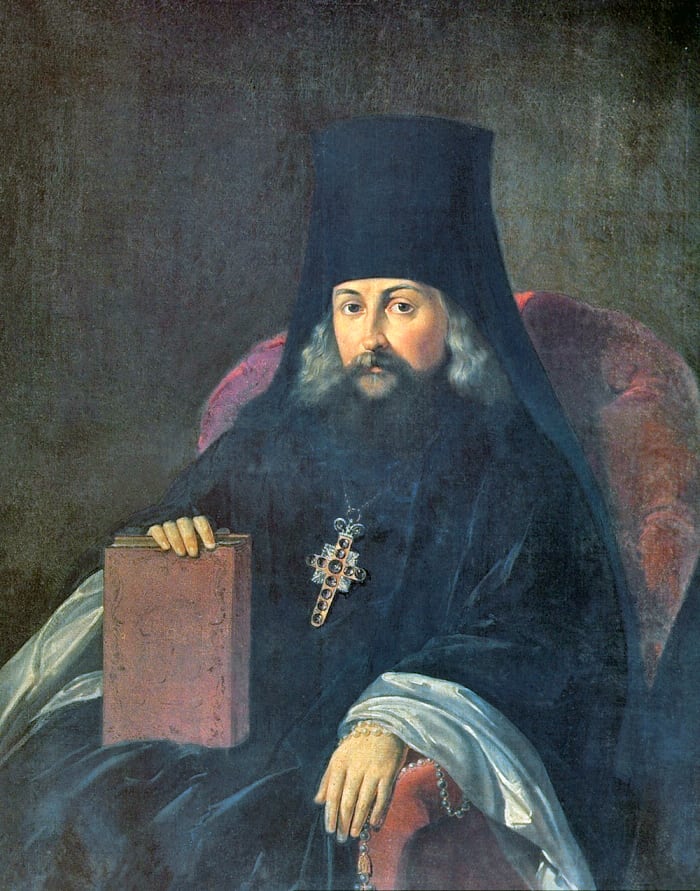
Ignatius Brianchaninov
Widerspruch bei: Wer bin ich? Gibt es ein wahres Selbst? · Was geschieht nach dem Tod?
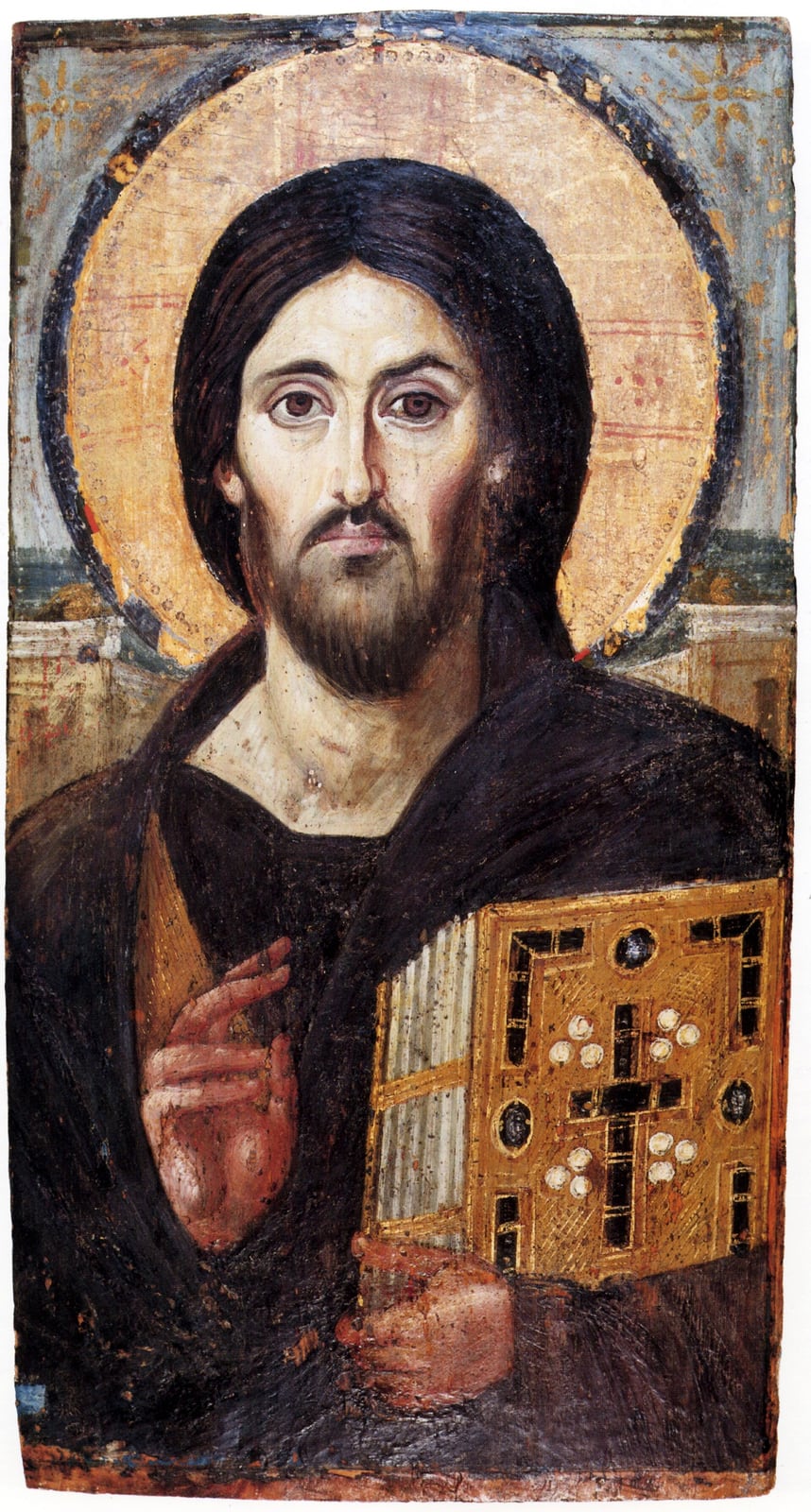
Jesus of Nazareth
Widerspruch bei: Wer bin ich? Gibt es ein wahres Selbst? · Was geschieht nach dem Tod?
Al-Hallaj
Widerspruch bei: Wer bin ich? Gibt es ein wahres Selbst? · Was geschieht nach dem Tod?
Widerspruch beiScheinbarer Widerspruch
P. D. Ouspensky · Ramana Maharshi
Many I's or a single Self: the same word for two levels
Warum: The contradiction is apparent at the level of diagnosis because they use the word I for different levels: Ouspensky calls I's the psychological states of ordinary man; Ramana reserves the term Self for the awareness that witnesses them all, which is neither a state nor a content. Ramana's ego and Ouspensky's many I's are the same reality seen from two systems. There is a real difference in the goal: the Fourth Way aims to build a permanent I through work, whereas for Ramana the Self is not built but recognised. One starts from a psychology of the machine; the other, from a Vedantic metaphysics.
Übereinstimmung bei
P. D. Ouspensky · G. I. Gurdjieff
Man is a machine: the master and the disciple who systematised his teaching
Warum: The affinity is that of a master and his most systematic disciple: Ouspensky worked with Gurdjieff in Russia between 1915 and 1918 and transmitted that teaching in In Search of the Miraculous, published posthumously in 1949. The relationship broke down: Ouspensky withdrew in 1918 and definitively in the 1920s, and led his own groups in London, centred on the study of the system rather than on the figure of the master. They agree in doctrine, not in style: Gurdjieff taught in a demanding and disconcerting way, with dances, movements and provoked situations; Ouspensky, intellectually and in an orderly fashion. Hence they part on the question of the master: one deems him indispensable; the other stresses the school.
Übereinstimmung bei
P. D. Ouspensky · Eckhart Tolle
Waking from automatic pilot: self-remembering and the power of now
Warum: There is no documented relationship between them, although the vocabulary of awakening and automatic pilot found in contemporary spirituality owes much to the Fourth Way. The affinity has clear limits. Self-remembering demands effort, a deliberate division of attention and a system of group work, and its goal is to form a permanent self that does not yet exist; Tolle's presence is presented as something not manufactured or reached in time but recognised as one's own being. Ouspensky writes for a school with discipline and hierarchy; Tolle, for individual readers without a tradition. They agree on the first step, not on the path or the goal.
Anekdoten und Erzählungen
Anekdoten und Erzählungen
Zeugnis1915
The disguised man in the Moscow café
Herkunft der Erzählung: In Search of the Miraculous, ch. 1, written by Ouspensky years later from his notes.
Zeugnis1915–1916
The cigarettes on the Nevsky
Herkunft der Erzählung: In Search of the Miraculous, ch. 7. Autobiographical account; there are no other witnesses.
Zeugnis1916
The voice in the chest: Finland, August 1916
Herkunft der Erzählung: In Search of the Miraculous, ch. 13. Ouspensky deliberately omits the content of the questions.
Belegt1920–1921
The book that travelled to America on its own
Herkunft der Erzählung: Documented by the Manas Press edition (1920) and recounted by Wikipedia and Lachman (2004).
Quelle: Wikipedia (en), «P. D. Ouspensky» (vida, obras y bibliografía).
Umstritten1947
'Start again': the 1947 meetings
Herkunft der Erzählung: English Wikipedia records Collin's view and qualifies it with A Record of Meetings; the detailed version is in Lachman (2004) and the published records.
Quelle: Wikipedia (en), «P. D. Ouspensky» (vida, obras y bibliografía).
Lehren
Lehren
Die Begriffe, die das Denken gliedern, in ihrem Zusammenhang erklärt.
Self-rememberingrecuerdo-de-si
In many respects the functional equivalent of Buddhist mindfulness or the 'watchfulness' of other traditions, though framed in its own psychological vocabulary.
Man as a machinehombre-maquina
It comes from Gurdjieff; Ouspensky made it the core of his introductory exposition.
Quelle: Ouspensky, P. D. The Psychology of Man's Possible Evolution. Nueva York: Hedgehog Press, 1950.
The four states of consciousnessestados-de-conciencia
Ouspensky had already explored 'cosmic consciousness' in Tertium Organum before meeting Gurdjieff.
Quelle: Ouspensky, P. D. The Psychology of Man's Possible Evolution. Nueva York: Hedgehog Press, 1950.
The Fourth Waycuarto-camino
It gives its name to the Atlas's fourth-way tradition.
Quelle: Wikipedia (en), «P. D. Ouspensky» (vida, obras y bibliografía).
Eternal recurrence and the fourth dimensioneterno-retorno
It is in dialogue with Nietzsche, Hinton and early twentieth-century theories of time.
Retreats
Retreats und Zentren
Orte und Begegnungen, die mit dieser Lehre verbunden sind. Wir stellen den Kontakt zu den Veranstaltern her.
Nueva York (Upper East Side) · Estados Unidos
Gurdjieff Foundation of New York
The Gurdjieff Foundation of New York
The Gurdjieff Foundation of New York belongs to the network of foundations established after Gurdjieff's death by his pupil Jeanne de Salzmann, together with the Institut Gurdjieff in Paris and the Gurdjieff Society in London. Its first president, Lord Pentland, had been a pupil of Ouspensky before working with Gurdjieff, and many of Ouspensky's pupils joined this work. It offers weekly group meetings led by senior students, classes in the Movements, the sacred dances and exercises Gurdjieff taught, meditation and retreats. Access is gradual and begins with introductory events.
Barons Court, Londres · Reino Unido
The Study Society, Colet House (London)
The Study Society
The Study Society was registered in 1951, four years after Ouspensky's death, at the initiative of his pupil Dr Francis Roles, to continue his work as a school of the Fourth Way. It is based at Colet House in west London, which presents itself as a spiritual gateway in the centre of the city. Its current programme brings together meditation, the Movements, study groups on the Masnavi and meetings devoted to Rumi, the dervish turning and a Sunday Advaita gathering. Its main website sometimes rejects automated requests; the Colet House site responds normally.
Londres · Reino Unido
Gurdjieff Studies, London
Gurdjieff Studies Ltd (organización benéfica registrada)
Gurdjieff Studies is a London charity devoted to the Fourth Way that offers group meetings, reading groups, practical activities, Movements classes and intensive residential stays. It holds that the teaching is passed on from teacher to pupil in direct lines of transmission, and maintains two reference websites: one on Gurdjieff's life and work, with his music, dances and chronology, and another devoted to P. D. Ouspensky, reconstructing his work in England, including the Lyne Place period. It is independent of the network of foundations established by Jeanne de Salzmann.
Videos
Videos
Aufnahmen, Gespräche und Dokumentarfilme. Die Videos werden von YouTube wiedergegeben; sie werden nicht hier gespeichert.
Gary Lachman - Gurdjieff, Ouspensky, and the Fourth Way
Vortrag· EN· 80 min
Theosophical Society in England & Wales
Gary Lachman on P.D. Ouspensky — Kensington Central Library
Vortrag· EN· 96 min
Gary Lachman
P. D. Ouspensky and the Gurdjieff Work with Gary Lachman
Gespräch· EN· 83 min
New Thinking Allowed with Jeffrey Mishlove
The Philosophy of the Cosmic Dance 2017 pt1. The Story of Colet House
Vortrag· EN· 57 min
Philip Jacobs
The Strange Life of P.D. Ouspensky
Analyse· EN· 6 min
Theodore Nottingham
С. А. Панин — Семинар: «Эзотерический текст как форма философии. П. Д. Успенский, Tertium Organum»
Vortrag· RU· 2020· 96 min
АИЭМ · ASEM
Шелковников А. Ю. — Пётр Демьянович Успенский — философ эзотеризма
Vortrag· RU· 2026· 27 min
АИЭМ · ASEM
Валерий Бондаренко «Пётр Успенский. Искатель чудесного»
Vortrag· RU· 2019· 127 min
СМИБС
Tertium Organum by P.D. Ouspensky (Book Review)
Analyse· EN· 2026· 32 min
Hermitix Podcast
Gurdjieff in Finland, Pinpointing the Legendary Ouspensky Telepathy Incident
Gespräch· EN· 2022· 7 min
Appleknocker Radio
¿Quién fue P.D. Ouspensky?
Aufnahme Dritter· ES· 2023· 7 min
Vojo Talks
Galerie
Galerie
Bilder mit geprüfter Lizenz. Jedes bewahrt seine Urheberschaft und seinen Herkunftsnachweis.
Handschriften
Handschriften
Handschriftliche Zeugen und alte Texte, mit ihrer verwahrenden Einrichtung und ihren Einsichtsbedingungen.
RU · Cyrillic / Latin · 1900–1947
P. D. Ouspensky Memorial Collection
- Erhaltener Textzeuge
- Papeles, manuscritos y notas de reuniones (1935–1947)
- Verwahrende Einrichtung
- Yale University Library, Manuscripts and Archives · MS 840
- Digitalisierung
- hdl.handle.net/10079/fa/mssa.ms.0840…
Beziehungen
Beziehungen
Einflüsse, Schülerschaften und Verwandtschaften. Die belegte Beziehung wird von der durch Analyse ermittelten Ähnlichkeit unterschieden.
Schüler von
Gurdjieff's pupil from 1915 to 1918 in Russia and intermittent collaborator until 1924; author of the most widely read account of his teaching.
Belegte Beziehung
Widersprach
He separated from him in 1918 and definitively in 1924; in In Search of the Miraculous he explains that Gurdjieff's way was not his.
Belegte Beziehung
Beeinflusst von
Ouspensky was interested in Theosophy from 1907 and visited Adyar in 1913–1914; the influence is that of the Theosophical movement generally, not a personal relationship (Blavatsky had died in 1891).
Durch Analyse ermittelte Ähnlichkeit
Zeitgenosse von
Contemporaries from the Theosophical milieu who founded their own esoteric schools in the interwar English-speaking world; no relationship between them is recorded.
Durch Analyse ermittelte Ähnlichkeit
Von anderen Einträgen aus verknüpft
Quellen
Quellen
Für diesen Eintrag herangezogene Bibliografie und Kataloge.
- Lachman, Gary. In Search of P. D. Ouspensky: The Genius in the Shadow of Gurdjieff. Wheaton: Quest Books, 2004.
- Open Library, autor OL2263413A (Uspenskiĭ, Petr Demʹi͡anovich): obras y ediciones con ISBN.
- Ouspensky, P. D. In Search of the Miraculous: Fragments of an Unknown Teaching. Nueva York: Harcourt, Brace & World, 1949; Londres: Routledge & Kegan Paul, 1950.
- Wikidata, «Peter Demianovich Ouspensky» (Q434266): fechas y lugares de nacimiento y muerte (registra tres fechas de nacimiento: 4, 5 y 17 de marzo de 1878).
- Ouspensky, P. D. The Psychology of Man's Possible Evolution. Nueva York: Hedgehog Press, 1950.
- Webb, James. The Harmonious Circle: The Lives and Work of G. I. Gurdjieff, P. D. Ouspensky, and Their Followers. Nueva York: G. P. Putnam's Sons, 1980.
- Ouspensky, P. D. Tertium Organum: The Third Canon of Thought, a Key to the Enigmas of the World. Trad. de Nicholas Bessaraboff y Claude Bragdon. Rochester (NY): Manas Press, 1920.
- Ouspensky, P. D. A New Model of the Universe: Principles of the Psychological Method in Its Application to Problems of Science, Religion, and Art. Londres: Kegan Paul, Trench, Trubner, 1931.
- Wikipedia (en), «P. D. Ouspensky» (vida, obras y bibliografía).
- Wikipedia (ru), «Успенский, Пётр Демьянович» (familia, primeras publicaciones rusas y bibliografía).
- Yale University Library, Manuscripts and Archives. P. D. Ouspensky Memorial Collection (MS 840).
- Wikisource en ruso, «Автор:Пётр Демьянович Успенский» (página de autor con la relación de textos de dominio público: Tertium Organum, Символы Таро, Странная жизнь Ивана Осокина, Разговоры с дьяволом).
- Wikidata, «Nicholas Bessaraboff» (Q26244034): musicólogo estadounidense, cotraductor de Tertium Organum (1894–1973).
- Rechteinhaber
- Herederos de P. D. Ouspensky y editoriales titulares de cada obra (Knopf/Penguin Random House, Routledge, Harcourt). Fallecido en 1947: dominio público en los países con plazo de 70 años post mortem desde 2018; en EE. UU. siguen protegidas las obras publicadas desde 1931.
Bestätigung ausstehend
Was dieser Eintrag noch nicht klären konnte. Wir sagen es lieber, als es aufzufüllen.
- «Obispon invita», en la transcripción original del encargo, podría referirse a P. D. Ouspensky (posible error de dictado de «Ouspensky»); confirmarlo con quien hizo el encargo.
- Día exacto de nacimiento: Wikipedia (en) da el 5 de marzo de 1878, Wikipedia (ru) el 17 de marzo (5 de marzo del calendario juliano) y Wikidata registra además el 4; se deja con precisión de mes.
- Año de la primera edición rusa de Tertium Organum (1911 o 1912) y de El simbolismo del tarot (1912 o 1913); de Kinemadrama / Iván Osokin (1915 o 1917).
- Edición castellana verificada de Conversaciones con el diablo, La cuarta dimensión y de las recopilaciones póstumas (A Further Record, Cosmology, A Record of Meetings).
- Fecha y circunstancias exactas de su traslado a EE. UU. (enero de 1941 según algunas biografías) y del regreso a Inglaterra en 1947.
- Obras menores no registradas como obra: Memory (Stourton Press, 1953), New Horizons (Globe Press, 1990) y las traducciones de Kipling, Bret Harte, Poe, Ouida, Mark Twain, Edward Carpenter y Hinton que Ouspensky hizo al ruso (fuente: Open Library OL2263413A y Wikipedia ru). Los títulos de Kessinger (Superman, What Is Yoga?, etc.) son capítulos sueltos de A New Model of the Universe.
- No hay en Wikimedia Commons un retrato fotográfico de Ouspensky con licencia libre verificada; buscar fotografías anteriores a 1917 en archivos rusos de dominio público.
- Sala de lectura (2026-10-25): los seis textos registrados quedan con caution por la regla española de 80 años (Ouspensky †1947, libre en España el 1 de enero de 2028). Además: la traducción inglesa de Tertium Organum lleva derechos de Bessaraboff (†1973) en la UE y en España; falta la fecha de muerte de R. R. Merton, traductor de A New Model of the Universe (en EE. UU. libre el 1 de enero de 2027); y hay que fijar qué redacción reproducen las páginas rusas de Символы Таро y de Iván Osokin. No registrados: Четвёртое измерение (sin texto en línea fiable localizado) y Letters from Russia 1919 (la copia de Internet Archive lleva la introducción de la edición de 1978, con derechos; el texto original está en The New Age, 1919, en el Modernist Journals Project, en números sueltos).
- Vídeos (2026-10-25): en español solo se ha localizado una semblanza divulgativa breve (Vojo Talks); no hay conferencias académicas en castellano ni documentales de televisión pública sobre Ouspensky en YouTube.
Recherchiert am 2026-10-25