
Traditional attribution
Clitophon
Κλειτοφῶν
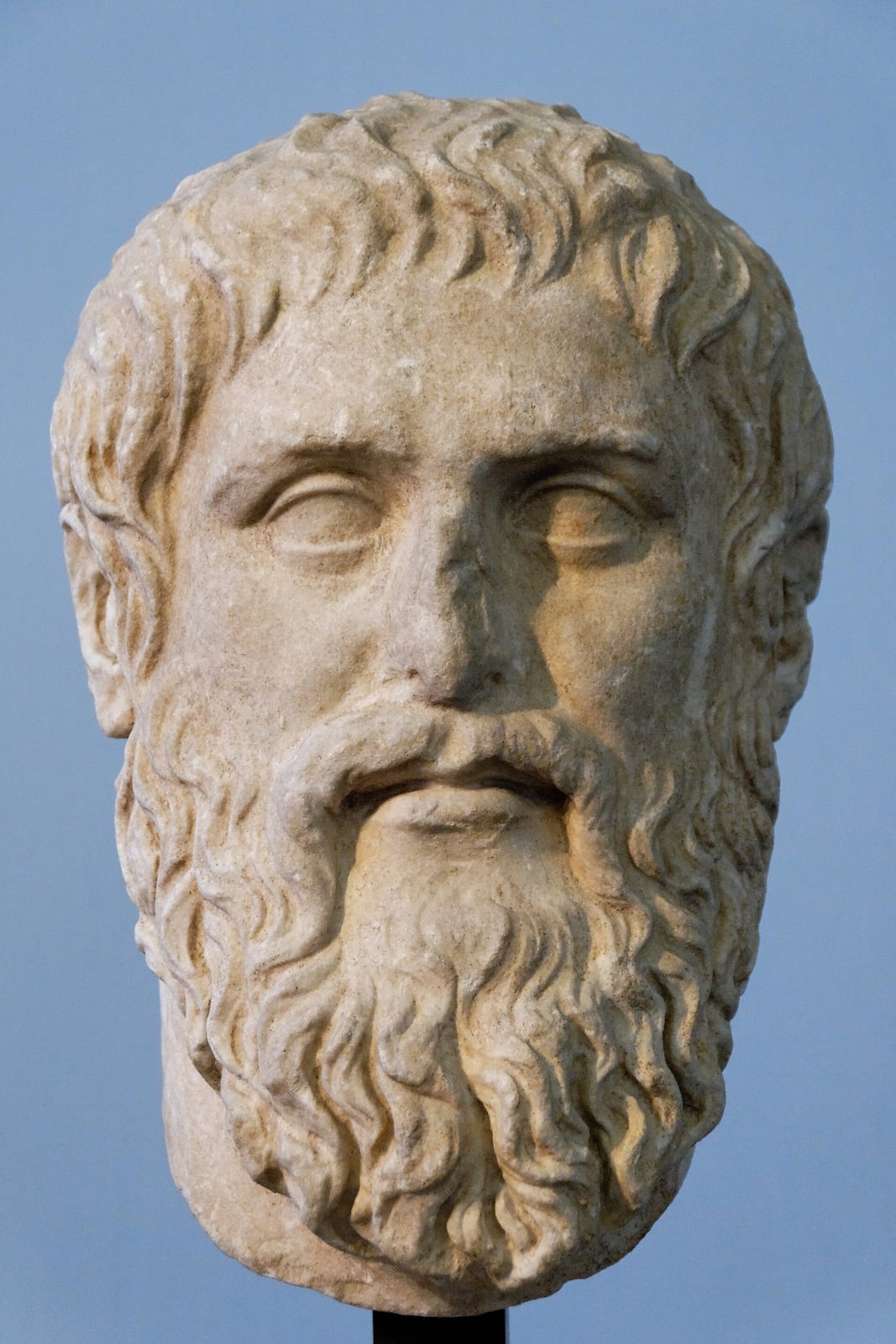
Clitophon, who has frequented both Socrates and the sophist Thrasymachus, explains why he means to leave the former: Socrates is unsurpassed at exhorting to virtue, but never says what justice is or how to attain it. Socrates does not reply. Very brief and enigmatic, it leaves posed the question the Republic will try to answer.
No edition of this work is currently on sale in a store we have been able to verify.
Authorship note
Disputed. It appears in the tetralogies as a prologue to the Republic; its brevity and its open criticism of Socrates have led many to reject it, though part of recent scholarship defends it as a draft or an authentic piece.
Editions and translations
Editions in your language first, without hiding the others. Each with its cover and its store.
English

Plato: Complete Works
Hackett, 1997
Translation: varios (ed. John M. Cooper y D. S. Hutchinson)
ISBN 0872203492
Volumen único con todo el corpus, incluidos dudosos, espurios y epigramas

Plato IX: Timaeus, Critias, Cleitophon, Menexenus, Epistles
Harvard University Press (Loeb Classical Library), 1981
Translation: R. G. Bury
ISBN 9780674992573
Loeb Classical Library 234, bilingüe (1.ª ed. 1929; reimpresión)
Plato
Clitopho
The Conscious LibraryClitopho
Henry G. Bohn (Londres), 1855
Translation: George Burges
The Works of Plato, Bohn's Classical Library, vol. 4; traducción de dominio público
Español
Plato
Clitofon
The Conscious LibraryClitofon
Medina y Navarro (Madrid), 1872
Translation: Patricio de Azcárate
Obras completas de Platón, tomo 11; traducción de dominio público
Plato
Diálogos VII: Dudosos, apócrifos, cartas
The Conscious LibraryDiálogos VII: Dudosos, apócrifos, cartas
Gredos, 1992
ISBN 9788424914783
Biblioteca Clásica Gredos 162; trad. de Juan Zaragoza (dudosos y cartas) y Pilar Gómez Cardó (apócrifos)
Other works by Plato
- Euthyphro · 395
- Apology of Socrates · 395
- Crito · 395
- Phaedo · 380
- Cratylus · 385
- Theaetetus · 368
- Sophist · 360
- Statesman · 360
- Parmenides · 370
- Philebus · 355
- Symposium · 380
- Phaedrus · 370
- Alcibiades I
- Alcibiades II
- Hipparchus
- Rival Lovers (Lovers)
- Theages
- Charmides · 390
- Laches · 390
- Lysis · 390
- Euthydemus · 385
- Protagoras · 390
- Gorgias · 387
- Meno · 385
- Hippias Major · 390
- Hippias Minor · 395
- Ion · 395
- Menexenus · 386
- Republic · 375
- Timaeus · 360
- Critias · 360
- Minos
- Laws · 350
- Epinomis · 345
- Letter I (to Dionysius II)
- Letter II (to Dionysius II)
- Letter III (to Dionysius II)
- Letter IV (to Dion) · 357
- Letter V (to Perdiccas III of Macedon)
- Letter VI (to Hermias, Erastus and Coriscus)
- Letter VII (to the relatives and friends of Dion) · 353
- Letter VIII (to the relatives and friends of Dion) · 353
- Letter IX (to Archytas of Tarentum)
- Letter X (to Aristodorus)
- Letter XI (to Laodamas)
- Letter XII (to Archytas of Tarentum)
- Letter XIII (to Dionysius II)
- Definitions
- On Justice
- On Virtue
- Demodocus
- Sisyphus
- Halcyon
- Eryxias
- Axiochus
- Epigrams
Sources
- Cooper, John M. (ed.) y Hutchinson, D. S. (ed. asociado), Plato: Complete Works, Indianápolis, Hackett, 1997 (introducción del editor sobre el corpus, las tetralogías de Trasilo y la autenticidad de cada obra).
Affiliate link: if you buy through it, the library may receive a commission at no extra cost to you. When an edition's real cover is not available, we show an illustrative library cover.