Induismo · Sufismo
Meher Baba
मेहेर बाबा · مهر بابا
1894 – 1969Persona storicamente documentata
Meher Baba (1894-1969), nato Merwan Sheriar Irani a Poona in una famiglia zoroastriana, fu un maestro spirituale indiano che si proclamò l'Avatar del suo tempo. Dal 10 luglio 1925 rimase in silenzio per quarantaquattro anni, comunicando con una tavoletta alfabetica e poi con i gesti. I suoi Discourses e Dio parla (God Speaks), dettati e curati dai discepoli, espongono una cosmologia del viaggio dell'anima verso la coscienza di Dio. Fondò Meherabad, si prese cura dei masts e viaggiò in Occidente a partire dal 1931.
- opere
- 31opere
- edizioni
- 49edizioni
- citazioni
- 7citazioni
- video
- 15video
- immagini
- 10immagini
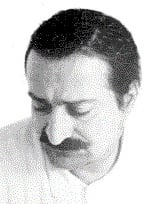
Meher Baba en 1941 · Public domain
Con le sue parole
«I have come not to teach but to awaken. Understand therefore that I lay down no precepts.»«The Universal Message» (1958), en The Path of Love

Per cominciare, un'opera
God Speaks: The Theme of Creation and Its PurposeLa sua idea centrale
God alone is real; the universe is his imagination, and each soul is God passing through that imagination in order to come to know himself consciously.
Vederlo nel contesto
Biografia
5 min di lettura
Traduzione assistita dall'originale spagnolo, in attesa di revisione da parte di un traduttore madrelingua.
Un figlio di zoroastriani a Poona
Merwan Sheriar Irani nacque il 25 febbraio 1894 a Poona, l'odierna Pune, secondo figlio di Sheriar Mundegar Irani e di Shireen. Il padre, uno zoroastriano persiano, aveva trascorso anni come derviscio errante prima di stabilirsi a Poona e sposarsi; la famiglia apparteneva alla comunità irani, imparentata con i parsi ma giunta dalla Persia in epoca più tarda. Merwan crebbe e studiò a Poona, arrivando a frequentare il Deccan College. Le testimonianze sulla sua giovinezza lo descrivono come un ragazzo socievole e sportivo, amante della musica e dei poeti — Hafez, Shakespeare, Shelley —, che fondò con gli amici un circolo per discutere dell'attualità e raccogliere denaro per opere di carità.
Il bacio di Babajan
Nel maggio del 1913, andando a lezione, notò un'anziana musulmana che viveva ai piedi di un albero a Poona e che alcuni veneravano come santa e altri consideravano pazza: Hazrat Babajan. Per mesi andò a trovarla. Una notte del gennaio 1914, secondo il racconto da lui stesso autorizzato, lei gli baciò la fronte, e il giovane rimase per quasi nove mesi in uno stato di astrazione pressoché totale, estraneo al proprio corpo. Negli anni successivi cercò altre figure che in seguito avrebbe chiamato i cinque «maestri perfetti» della sua epoca: Sai Baba di Shirdi, Upasni Maharaj, Tajuddin Baba e Narayan Maharaj. Fu Upasni, a Sakori, a restituirgli a suo giudizio la coscienza ordinaria senza fargli perdere l'esperienza di Dio; alla fine del 1921, secondo la biografia di Charles Purdom, Upasni dichiarò davanti ai suoi discepoli di aver reso Merwan «perfetto».
Meherabad e l'inizio del silenzio
Nel 1922 riunì un gruppo di discepoli — il mandali — che gli diede il nome di Meher Baba, «padre compassionevole», e aprì a Bombay una casa di disciplina severa, Manzil-e-Meem. Nel 1923 si stabilì presso il villaggio di Arangaon, vicino ad Ahmednagar, in un vecchio accampamento militare che chiamò Meherabad; lì funzionarono una scuola, un ospedale e un dispensario gratuiti e aperti a tutte le caste. Il 10 luglio 1925 smise di parlare. Per un anno e mezzo scrisse su lavagnette e quaderni; dall'inizio del 1927 comunicò indicando le lettere di una tavoletta alfabetica, e dall'ottobre del 1954 soltanto con gesti delle mani, che i suoi intimi, soprattutto Eruch Jessawala, traducevano ad alta voce. Spiegò il suo silenzio non come una pratica ascetica ma come parte del suo lavoro universale, e annunciò più volte che lo avrebbe rotto con una parola capace di risvegliare l'umanità. Non lo fece: tutte le fonti coeve concordano nel dire che rimase in silenzio fino alla morte, e i suoi seguaci interpretano in modi diversi quella promessa mancata.
L'Occidente: Gandhi, Hollywood e la stampa
Nel 1931 si recò per la prima volta in Europa a bordo della SS Rajputana, la stessa nave che portava Gandhi alla Conferenza della Tavola Rotonda; i due si incontrarono tre volte durante la traversata, benché un collaboratore di Gandhi abbia negato che questi gli avesse chiesto consiglio spirituale. Nel 1932 la stampa statunitense ne seguì i passi: il 1° giugno Mary Pickford e Douglas Fairbanks gli offrirono un ricevimento a Pickfair. Annunciò che avrebbe rotto il silenzio all'Hollywood Bowl e all'ultimo momento si imbarcò per Hong Kong. Il giornalista Paul Brunton, che lo aveva conosciuto in India, ne lasciò in L'India segreta (A Search in Secret India, 1934) un ritratto disincantato. Alla fine del decennio percorse l'India in autobus con un gruppo di donne occidentali, e nel 1938 i suoi seguaci fondarono il Meher Baba Journal.
I masts, la Nuova Vita e gli incidenti
Negli anni Trenta e Quaranta percorse il subcontinente alla ricerca dei masts, persone che considerava «ebbre di Dio», sconvolte da esperienze dei piani interiori; le lavava, le nutriva e trascorreva ore con loro, in un lavoro che il suo discepolo William Donkin documentò in The Wayfarers (1948). Nell'ottobre del 1949 diede inizio con venti compagni alla «Nuova Vita», una stagione di mendicità e di anonimato vissuta «nella disperazione e nell'impotenza», che si concluse nel febbraio del 1952. Quello stesso anno inaugurò il Meher Spiritual Center di Myrtle Beach, nella Carolina del Sud, e il 24 maggio, nei pressi di Prague, in Oklahoma, ebbe un incidente d'auto in cui si ruppe una gamba. Un secondo incidente, a Satara il 2 dicembre 1956, gli fratturò il bacino e uccise uno dei suoi compagni. Da allora camminò con dolore e fatica.
Le parole di un uomo che non parlava
La domanda su chi abbia scritto i libri di Meher Baba non è retorica. I Discourses nacquero come articoli mensili del Meher Baba Journal (1938-1942), dettati sulla tavoletta alfabetica e redatti dal professor Chakradhar D. Deshmukh; furono riuniti in cinque volumi tra il 1939 e il 1943. Nel 1955 sua sorella Mani scrisse che Deshmukh aveva «abbellito e sviluppato» i punti dettati e che talvolta li aveva fraintesi. Charles Purdom ne pubblicò una versione ridotta nel 1955; Ivy O. Duce e Don E. Stevens ripubblicarono l'insieme nel 1967, con la sua approvazione, e nel 1987 Eruch Jessawala, Bal Natu e Flagg Kris prepararono la settima edizione. God Speaks (Dio parla, 1955), la sua maggiore opera metafisica, fu dettata sulla tavoletta a partire dall'agosto del 1953 e curata da Ludwig Dimpfl e Don Stevens. Leggerlo con rigore impone di tenere a mente queste mani intermedie.
Nel settembre del 1954, durante alcuni incontri a Meherabad, pubblicò «Meher Baba's Call», in cui si presentava come l'Avatar, la stessa coscienza che, a suo dire, si era manifestata in Zoroastro, Rama, Krishna, Buddha, Gesù e Maometto; il 30 settembre pronunciò la sua «Dichiarazione finale». Per i suoi seguaci si tratta di un'affermazione di fede; per lo storico, di un'autodefinizione da registrare come tale.
La morte a Meherazad e l'eredità
Negli ultimi anni visse ritirato a Meherazad, vicino ad Ahmednagar. Nel 1966, nell'opuscolo God in a Pill?, sconsigliò ai giovani occidentali l'uso dell'LSD a fini spirituali. Dalla fine del 1968 soffrì di violenti spasmi muscolari. Morì il 31 gennaio 1969 alle 12.15 a Meherazad, secondo il certificato firmato dai suoi medici; il corpo fu sepolto nella tomba di Meherabad che aveva fatto costruire decenni prima. L'«ultimo darshan», preparato a Pune per l'aprile del 1969, si svolse senza di lui. Per disposizione testamentaria del 1967, i diritti sulle sue parole appartengono all'Avatar Meher Baba Perpetual Public Charitable Trust. La sua eco raggiunse la cultura popolare: Pete Townshend gli dedicò l'opera rock Tommy, e il suo motto «Don't worry, be happy» ispirò la canzone di Bobby McFerrin.
Fonti: Kalchuri, Bhau. Meher Prabhu: Lord Meher. The Biography of the Avatar of the Age, Meher Baba. Myrtle Beach: Manifestation, 1986-2001; edición en línea revisada (lordmeher.org), pp. 5286-5289 y 5400-5404. · Purdom, Charles B. The God-Man: The Life, Journeys and Work of Meher Baba with an Interpretation of His Silence and Spiritual Teaching. Londres: George Allen & Unwin, 1964. · Meher Baba. Discourses. 7.ª ed. revisada, ed. Eruch Jessawala, Bal Natu y J. Flagg Kris. Myrtle Beach: Sheriar Press, 1987 (3.ª reimpr. 1995), «Foreword» (historia editorial y carta de Mani Irani en The Awakener 3, n.º 1, 1955). Edición en línea del Avatar Meher Baba Trust. · Meher Baba. God Speaks: The Theme of Creation and Its Purpose. 2.ª ed. Walnut Creek: Sufism Reoriented, 1973 (3.ª reimpr. 1997); 1.ª ed. Nueva York: Dodd, Mead, 1955. Edición en línea del Trust. · Meher Baba. The Path of Love. Comp. Filis Frederick. Myrtle Beach: Sheriar Foundation, 2000 (1.ª ed. 1976); incluye «The Universal Message».
Cronologia
La vita, anno per anno
Ogni punto è un evento documentato. Fai clic per leggerlo, con la sua fonte e il suo grado di certezza.
25 febbraio 18940 anniPoona
Birth of Merwan Sheriar Irani
Born into a Zoroastrian Irani family, second son of Sheriar Mundegar Irani and Shireen.
DocumentatoWikipedia (en), «Meher Baba».
25 febbraio 1894 · 0 anni
Birth of Merwan Sheriar Irani
Born into a Zoroastrian Irani family, second son of Sheriar Mundegar Irani and Shireen.
Documentato
maggio 1913 · 19 anni
First meeting with Hazrat Babajan
While a student at Deccan College, he begins visiting the Muslim holy woman who lives under a tree in Poona.
Documentato
gennaio 1914 · 19 anni
Babajan's kiss
Babajan kisses his forehead; by his own account and that of his biographers, he remains nearly nine months unaware of his surroundings.
Tradizione
1915 · 21 anni
Meetings with Sai Baba of Shirdi and Upasni Maharaj
Meets Upasni Maharaj at Shirdi; over the following years he spends long periods with him at Sakori.
Documentato
dicembre 1921 · 27 anni
Upasni declares him 'perfect'
According to Charles Purdom, Upasni tells his disciples he has made Merwan perfect and that he is the sadguru of the age.
Tradizione
1922 · 28 anni
Manzil-e-Meem and the name Meher Baba
Gathers his first disciples, who call him Meher Baba, and opens a house of discipline in Bombay.
Documentato
1923 · 29 anni
Founding of Meherabad
Settles on a former military camp near Ahmednagar; there he will open a free school, hospital and dispensary.
Documentato
10 luglio 1925 · 31 anni
The silence begins
Stops speaking; he will keep silence until his death forty-four years later.
Documentato
gennaio 1927 · 32 anni
Gives up writing for the alphabet board
After his last written message (December 1926), he communicates by pointing to letters on a board.
Documentato
agosto 1931 · 37 anni
First journey to the West; meetings with Gandhi
Travels to England on the same ship as Gandhi, with whom he meets three times.
Documentato
1 giugno 1932 · 38 anni
Reception at Pickfair
Mary Pickford and Douglas Fairbanks hold a reception at which he delivers a message to Hollywood.
Documentato
novembre 1938 · 44 anni
The Meher Baba Journal appears
Monthly magazine in which the Discourses are serialised, prepared by C. D. Deshmukh.
Documentato
16 ottobre 1949 · 55 anni
The New Life begins
With twenty companions he begins a life of begging and anonymity that will last until February 1952.
Probabile
24 maggio 1952 · 58 anni
Car accident in the United States
A head-on collision breaks his leg and injures his face.
Documentato
30 settembre 1954 · 60 anni
'Final Declaration'
After 'Meher Baba's Call', in which he reaffirms his Avatarhood, he gives his Final Declaration; in October he gives up the alphabet board.
Documentato
1955 · 61 anni
Publication of God Speaks
Dodd, Mead publishes his main metaphysical work, edited by Ludwig Dimpfl and Don Stevens.
Documentato
2 dicembre 1956 · 62 anni
Second car accident
Suffers a fractured pelvis; one of his companions, Nilu, is killed.
Documentato
1966 · 72 anni
God in a Pill?
His rejection of the spiritual use of LSD and other drugs is published, compiled from letters to Western academics.
Documentato
17 giugno 1967 · 73 anni
Last will
Signs his will, which gives particular attention to the copyrights of his books and messages.
Documentato
31 gennaio 1969 · 74 anni
Death
Dies at 12:15 after violent spasms; the certificate gives respiratory failure. He is buried in the Meherabad tomb.
Documentato
10 aprile 1969
The 'last darshan'
Thousands of followers, hundreds of them Westerners, attend the gathering he had prepared, held in his absence until 10 June.
Documentato
Opere
Opere essenziali
Le opere senza le quali non si comprende la sua eredità.
Opera scritta · 1955
God Speaks: The Theme of Creation and Its Purpose
His most systematic metaphysical exposition. It describes how God, in an original state of unconscious infinity, experiences the urge to know himself and, through imagination, identifies with ever more complex forms—gas, stone, metal, vegetable, worm, fish, bird, animal and human—in a process of evolution of consciousness; then, through reincarnation, the soul exhausts its accumulated impressions and, in involution, crosses seven inner planes until it realises God. It distinguishes ten states of God and sets out the role of the Perfect Masters and the Avatar. It includes eleven charts and an extensive supplement of Sufi and Vedantic terminology. It is dedicated 'To the Universe—the Illusion that sustains Reality'.
5 edizioni

Conferenze pubblicate · 1939
Discourses
The practical exposition of his teaching: the *sanskaras* or mental impressions that bind consciousness, maya, the ego, reincarnation and karma, violence and non-violence, meditation, love, discipleship and God-realisation. It alternates doctrinal explanation with stories from Indian and Sufi tradition, such as that of Majnun and Layla, and prefers explaining why some actions bind and others free over laying down moral rules. It is the work most read by his followers and the one that best shows the editorial problem of a silent teacher: between dictation and printed text stand several hands and several revisions.
8 edizioni

Conferenze pubblicate · 1963
The Everything and the Nothing
A collection of short texts, poetic in tone, on the relation of lover and Beloved, illusion, ego and realisation: 'The Lover and the Beloved', 'The Pearl Diver', 'Maya the Showman', 'The One and the Zero'. It includes a chart of the soul's four journeys. It is one of the few books his followers regard as written by him, and its language is more direct and lyrical than that of the Discourses.
2 edizioni
Tutta la sua opera (31)
Meher Baba
Tiffin Lectures
The Conscious LibraryTiffin Lectures
2017
Meher Baba
Infinite Intelligence
The Conscious LibraryInfinite Intelligence
2005

In God's Hand
1925

Listen, Humanity
1957

Beams from Meher Baba on the Spiritual Panorama
1958

Life at Its Best
1957

God to Man and Man to God
1955

The Path of Love
1976
Meher Baba
The Sayings of Shri Meher Baba
The Conscious LibraryThe Sayings of Shri Meher Baba
1933
Meher Baba
Shri Meher Baba, the Perfect Master: Questions and Answers
The Conscious LibraryShri Meher Baba, the Perfect Master: Questions and Answers
1933
Meher Baba
Divine Theme
The Conscious LibraryDivine Theme
1943
Meher Baba
Messages of Meher Baba Delivered in the East and West
The Conscious LibraryMessages of Meher Baba Delivered in the East and West
1945
Meher Baba
Gems from the Discourses
The Conscious LibraryGems from the Discourses
1945
Meher Baba
God in a Pill?
The Conscious LibraryGod in a Pill?
1966
Meher Baba
Sparks from Meher Baba
The Conscious LibrarySparks from Meher Baba
1962
Meher Baba
The New Life Circulars
The Conscious LibraryThe New Life Circulars
1949
Meher Baba
The Life Circulars
The Conscious LibraryThe Life Circulars
1952
Meher Baba
On the Fiery Free Life
The Conscious LibraryOn the Fiery Free Life
1952
Meher Baba
Be True to Your Duty
The Conscious LibraryBe True to Your Duty
1954
Meher Baba
6 Messages
The Conscious Library6 Messages
1955
Meher Baba
Final Declaration
The Conscious LibraryFinal Declaration
1954
Meher Baba
The Universal Message
The Conscious LibraryThe Universal Message
1958
Meher Baba
Meher Baba Journal
The Conscious LibraryMeher Baba Journal
1938

Early Messages to the West
2009
Citazioni
Citazioni localizzate in un'opera precisa. Ciascuna porta con sé la sua provenienza e il suo grado di affidabilità.
I have come not to teach but to awaken. Understand therefore that I lay down no precepts.Verificata«The Universal Message» (1958), en The Path of Love
Idee essenziali (sintesi editoriale)
Per rispetto del diritto d'autore, queste idee sono riassunte con parole nostre e non sono presentate come citazioni letterali.
- God alone is real; the universe is his imagination, and each soul is God passing through that imagination in order to come to know himself consciously.
- Consciousness is formed through the evolution of forms, from stone to human being; in the human it reaches its fullness but remains covered by accumulated impressions, which are exhausted in successive reincarnations.
- Mental impressions or sanskaras bind consciousness to illusion; the spiritual path consists in wearing them away through love, selfless service and surrender to the master, not through the accumulation of merit.
- In each age there are five Perfect Masters who, when the cycle comes, bring down the Avatar; the Avatar is the same consciousness that manifested, in his view, in Zoroaster, Rama, Krishna, the Buddha, Jesus and Muhammad.
- The renunciation that matters is not outward but mental: one can live in the world, with family and duties, while renouncing the limited self.
- Drug-induced experiences are not spiritual: they are discontinuous and illusory, whereas God-realisation is a continuous experience.
- Worry is a self-perpetuating habit; against it he advised doing one's best, ceasing to worry and remaining cheerful in God's love, advice that circulated on cards with the formula don't worry, be happy.
Ultime parole
Racconto posteriore di testimoni
«Do not forget that I am God.»Do not forget that I am God.
Meher Baba did not speak: his last words were gestures interpreted by those present. According to *Lord Meher*, the biography by his disciple Bhau Kalchuri, shortly before 12:15 on 31 January 1969 he asked Dr Goher Irani to stop giving him injections with this phrase; that same morning he had told the men mandali 'Remember this, that I am God!' Eruch Jessawala recalled that in the early hours he spelled out with his fingers 'He did not come back', alluding to a story about a Tibetan monk, and added 'but I shall return'. Adi K. Irani's circular of 5 February 1969 says that at noon he was joking with those present about the medicines. These are testimonies from his inner circle, not independent, and transmitted through interpreted gestures.
Fonte: Kalchuri, Bhau. Meher Prabhu: Lord Meher. The Biography of the Avatar of the Age, Meher Baba. Myrtle Beach: Manifestation, 1986-2001; edición en línea revisada (lordmeher.org), pp. 5286-5289 y 5400-5404.
Chiedi
Ciò a cui risponde la sua opera
Dodici grandi domande dell'umanità e ciò che i suoi testi permettono di rispondere, con riferimenti. Non gli mettiamo mai parole in bocca.
Che cos'è l'Assoluto? Dio esiste?
God alone is real: featureless infinite and Beloved who incarnates
Personale e impersonale insiemeLo dice espressamente
In God Speaks Meher Baba describes God in the ‘Beyond-Beyond’ state as infinite existence, knowledge and bliss, unconscious of itself, and explains creation as that God’s original whim to know himself: the question ‘Who am I?’ sets the evolution of consciousness in motion. This Absolute has no features, yet it is not merely impersonal: God is also the Beloved who is loved, and Meher Baba presented himself as the Avatar, God become man in every age. In the Discourses he insists that God alone is real and all else is illusion. The divine thus has an infinite ground and a human face, and the path is to love that face until one discovers that one is oneself God.
Confronta questa domanda con altri maestriChi sono io? Esiste un vero sé?
The soul is God, and its long journey ends in discovering it
Il Sé è l'AssolutoLo dice espressamente
In God Speaks Meher Baba holds that the soul (atma) is in reality identical with the Oversoul (Paramatma): it is infinite and eternal but does not know it. To know it, it undertakes a journey he describes in detail: the evolution of consciousness through ever more complex forms, from stone to human being; reincarnation in millions of human forms; and involution through the inner planes up to realisation. What prevents the soul from knowing itself are sanskaras, impressions that bind consciousness to illusion. When they are exhausted, false individuality vanishes and the soul discovers that it was always God. The ego, for Meher Baba, is the last obstacle, and renouncing it is the only renunciation needed.
Confronta questa domanda con altri maestriPerché soffriamo?
Sanskaras bind consciousness; suffering wears them away
Il karma e l'apprendimento dell'animaLo dice espressamente
Meher Baba explains suffering through sanskaras, the impressions each experience leaves in the mind that drive new actions and new births. These impressions, accumulated through evolution and reincarnation, bind consciousness to illusion and feed the ego. In the Discourses he describes how karma operates from one life to the next and how pain, like pleasure, is the expression of sanskaras being spent. Suffering thus has no value in itself, but it is part of the process that ultimately frees the soul, especially if accepted with love and without rebellion. What truly dissolves it is love for God, which consumes impressions like fire.
Confronta questa domanda con altri maestriChe cosa accade dopo la morte?
After death, states of heaven and hell and a new incarnation
Rinascita secondo il karmaLo dice espressamente
In the Discourses and God Speaks Meher Baba sets out a detailed theory of reincarnation. After death the soul keeps its sanskaras in the subtle and mental bodies and passes through states of heaven or hell, which are not places but states of consciousness in which good and bad impressions are lived intensely. When that phase is exhausted it incarnates again in a human body, alternating between male and female lives, in different places and conditions, as its impressions require. The cycle continues until the soul begins involution and attains God-realisation. For Meher Baba death is as ordinary as sleep, and as illusory as everything that is not God.
Confronta questa domanda con altri maestriCome si raggiunge la liberazione o la salvezza?
Love God and surrender to the Master: renounce only the self
Con la devozione e l'abbandonoLo dice espressamente
Meher Baba describes several paths in the Discourses, but considers love for God the most direct and surrender to a Perfect Master or to the Avatar the most effective. The ego cannot eliminate itself: it needs an object of love greater than itself. That is why he asked his followers to make him their constant companion and think of him more than of themselves. One of his best-known sayings sums up the demand: one need renounce nothing but one’s own self, which is simple yet almost impossible. He rejected shortcuts: he wrote against the use of drugs in search of spiritual experiences. Liberation, for him, is the realisation that one is God.
Confronta questa domanda con altri maestriServe un maestro?
The Perfect Master and the Avatar awaken what the soul cannot alone
IndispensabileLo dice espressamente
Meher Baba gives the Perfect Masters and the Avatar a decisive role. In God Speaks and the Discourses he explains that in every age there are five Perfect Masters who direct the world’s spiritual affairs, and that the Avatar, God become man, descends periodically to give humanity a new impulse. The soul cannot cross the inner planes alone without getting lost in their powers and visions; it needs the grace and guidance of a realised master. He himself asked his followers to love and obey him and to make him their constant companion. At the same time he refused to found a religion and said he had come to awaken, not to teach.
Confronta questa domanda con altri maestriIl mondo è reale?
The universe is the Illusion that sustains Reality
Apparenza sull'unica realtàLo dice espressamente
Meher Baba dedicated God Speaks to the universe with a paradoxical formula: ‘the Illusion that sustains Reality’. Creation, he explains, arises from God’s whim to know himself; for that, consciousness passes through forms, worlds and planes that have no existence of their own, like images in a dream. Only God is real, and the universe is a nothing that seems to be something. But that illusion is not useless: it is the means by which the soul gains consciousness of itself and finally discovers that it is God. In The Everything and the Nothing he develops the idea that the Nothing (illusion) is the shadow of the Everything (God). The world is lived seriously but not taken for the ultimate.
Confronta questa domanda con altri maestriChe cos'è l'amore?
Love cannot be imposed: only love awakens love
Anelito e unioneLo dice espressamente
For Meher Baba love is the central force of the spiritual life. In the Discourses he describes it as the reflection of God’s unity in the world of duality: every being seeks, more or less consciously, union with what it loves, and at bottom what it seeks is God. He distinguishes human love, mixed with desire, from divine love, which asks for nothing and culminates in union with the Beloved. One of his recorded sayings states its nature: love and coercion can never go together, and though love cannot be forced on anyone, it can be awakened through love itself. That is why his teaching comes down to loving God.
Confronta questa domanda con altri maestriSiamo liberi o è tutto determinato?
Sanskaras push, but each present act can unbind them
Karma e sceltaSi deduce dalla sua dottrina
In the Discourses Meher Baba describes a strongly conditioned human life: accumulated impressions (sanskaras) largely determine the desires, circumstances and even the place and sex of each incarnation, and karma operates from one life to the next with strict logic. But he is no fatalist: human beings can act so as not to create new bonds, serve without selfishness, accept what comes with love and surrender to a master, and so hasten the exhaustion of impressions. At the same time he recalls that from the standpoint of Reality all this belongs to illusion: only God is, and his will is in everything. Full freedom comes with realisation.
Confronta questa domanda con altri maestriPerché meditare o pregare?
Make the Beloved a constant companion
Amicizia con DioLo dice espressamente
Meher Baba devoted several chapters of the Discourses to meditation: he describes it as the path the mind cuts for itself through its own illusions and distinguishes many forms, from meditation on ideas or on the master’s form to objectless meditation. But his main recommendation was simpler: to remember and love him, make him a constant companion and think of him more than of oneself. The prayer he composed, the Master’s Prayer, praises God by many names, and another, the Prayer of Repentance, asks forgiveness for faults. Praying and meditating serve, for him, to direct towards God the energy that the ego scatters, until love replaces thought.
Confronta questa domanda con altri maestriPuò la ragione conoscere l'ultimo?
He came not to teach but to awaken: the mind must be annihilated
L'ultimo è al di là della menteLo dice espressamente
Meher Baba wrote works of great doctrinal complexity, such as God Speaks, with detailed maps of planes and states of consciousness. But he insisted that such knowledge does not free: in one of his recorded sayings he states that he has come not to teach but to awaken, and therefore lays down no precepts. Real knowledge of God requires the annihilation of the mind (manonash), because the mind, however subtle, still belongs to illusion. He kept outward silence for more than forty years, which he himself explained as a service to the world, not a spiritual exercise. Reason can describe the path, but the ultimate is known only when the reasoning mind ceases.
Confronta questa domanda con altri maestriRitirarsi dal mondo o trasformarlo?
Renounce not the world but the self, serving selflessly
Contemplazione nell'azioneLo dice espressamente
Meher Baba did not ask his followers to withdraw from the world: one of his recorded sayings states that one need renounce nothing but one’s own self. In the Discourses he describes the ideal life as a life in the world, active and detached, in which selfless service is a form of worship. He himself founded schools, a hospital and a shelter at Meherabad, and spent years caring for the masts, people absorbed in ecstatic states whom he considered advanced souls. At the same time he alternated periods of seclusion, fasting and silence, and in 1949 undertook with a few companions the New Life, a phase of voluntary wandering and helplessness.
Confronta questa domanda con altri maestri
Affinità e tensioni
Affinità e tensioni
Calcolate domanda per domanda a partire dalle sue posizioni. Il perché di ogni accordo o contrasto, con un clic.
La pensa in modo simile a
Anandamayi Ma
Concordano su: Perché meditare o pregare? · Che cos'è l'Assoluto? Dio esiste? · Chi sono io? Esiste un vero sé?
Paramahansa Yogananda
Concordano su: Che cos'è l'Assoluto? Dio esiste? · Perché soffriamo? · Che cosa accade dopo la morte?
Ramakrishna
Concordano su: Che cos'è l'Assoluto? Dio esiste? · Chi sono io? Esiste un vero sé? · Che cosa accade dopo la morte?
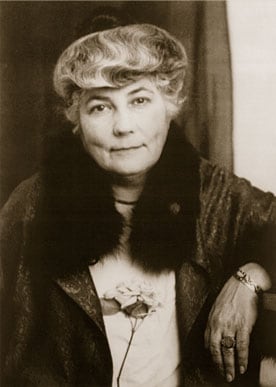
Helena Roerich
Concordano su: Perché soffriamo? · Che cosa accade dopo la morte? · Come si raggiunge la liberazione o la salvezza?
La pensa diversamente da

Emanuel Swedenborg
Si scontrano su: Chi sono io? Esiste un vero sé? · Che cosa accade dopo la morte?

Julian of Norwich
Si scontrano su: Chi sono io? Esiste un vero sé? · Che cosa accade dopo la morte? · Il mondo è reale?

Epicurus
Si scontrano su: Chi sono io? Esiste un vero sé? · Che cosa accade dopo la morte?
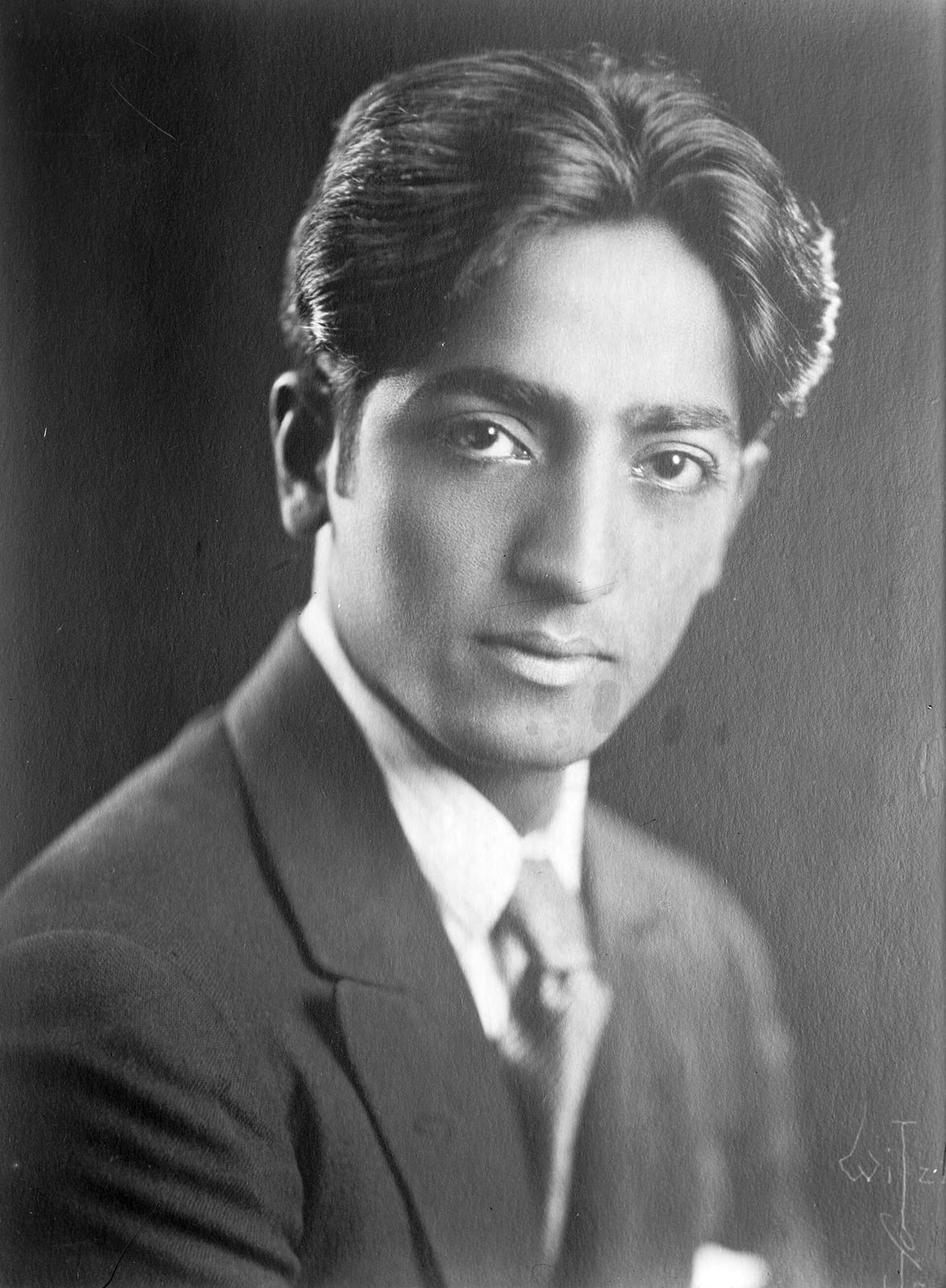
Jiddu Krishnamurti
Si scontrano su: Come si raggiunge la liberazione o la salvezza? · Serve un maestro?
Aneddoti e racconti
Aneddoti e racconti
Testimonianza1913-1914
The kiss under the tree
Origine del racconto: Meher Baba's own account recorded by his biographers (C. B. Purdom, Bhau Kalchuri) and summarised in encyclopaedias. There are no independent testimonies of the episode.
Documentato1931
Three conversations with Gandhi at sea
Origine del racconto: Documented by the press of the time and by the denial from Gandhi's circle; the details of the conversations come from Meher Baba's biographers.
Documentato1932
The word not spoken at the Hollywood Bowl
Origine del racconto: Documented by the American press (Associated Press) and by the biographies.
Documentato1949-1952
The New Life
Origine del racconto: Documented by the New Life circulars (1949-1952) and by the companions' diaries recorded in Lord Meher.
Documentato1967
The 1967 interview
Origine del racconto: Filmed; transcript and participants' memories in Lord Meher, pp. 5286-5289.
Testimonianza1969
'He did not come back'
Origine del racconto: Eruch Jessawala's recollection published by the Avatar Meher Baba Trust (Davana Brown, 2015). A single witness, from the inner circle.
Insegnamenti
Insegnamenti
Le nozioni che articolano il suo pensiero, spiegate nel loro contesto.
The Avatar and the five Perfect Mastersavatar
Set out in God Speaks and the Discourses; reaffirmed in 'Meher Baba's Call' (1954).
Evolution, reincarnation and involution of consciousnessevolucion-reencarnacion-involucion
A synthesis of Vedantic (Paramatma, atma) and Sufi (planes and journeys) terminology, with an evolutionary scheme of his own.
Sanskarassanskaras
A Sanskrit term (*saṃskāra*) from Yoga and Vedanta, reinterpreted within a framework of evolving consciousness.
The silencesilencio
A central feature of his biography and of his followers' practice (Silence Day).
The mastsmasts
The Sufi notion of the *majdhub*, the one seized by God.
Divine loveamor-divino
An inheritance of Persian Sufism (Hafez) and Indian *bhakti*.
Video
Video
Registrazioni, interviste e documentari. I video vengono riprodotti da YouTube; non sono ospitati qui.
Meher Baba Interview 1932 Newsreel
Registrazione originale· EN· 1932· 1 min
timmer17
Meher Baba in America 1932
Registrazione originale· EN· 1932· 15 min
Meher Spiritual CenterCanale ufficiale
Meher Baba's 1932 Message to Hollywood
Documentario· EN· 1932· 17 min
TechnoBaba Films
Beyond words - 1967 film of Meher Baba
Registrazione originale· EN· 1967· 37 min
Parabrama Ilahi
"The Awakener" - new Hi-Res scan of 35mm film, with sound
Documentario· EN· 1969· 4 min
Meher Nazar PublicationsCanale ufficiale
Meher Baba, The Awakener (Remastered 2021)
Documentario· EN· 1969· 55 min
timmer17
God In Human Form The Biography of Avatar Meher Baba
Documentario· EN· 66 min
Meher FilmworksCanale ufficiale
Dios En Forma Humana - Película completa en español - Meher Baba
Documentario· ES· 68 min
Meher Baba en Español - La Plata, Argentina
अवतार मेहेर बाबा के जीवन और कार्य की विशिष्टता / Meher Baba Highlights of His Life, Work and Message
Documentario· HI· 9 min
Meher Baba Video's
Pete Townshend (The Who) • Interview (Guru Meher Baba) • 1969
Intervista· EN· 1969· 10 min
ReelinInTheYears66
Eruch Jessawala - The Oral History Archive Project - 1996 Meherazad
Intervista· EN· 1996· 103 min
MeherBabaLibrary
The Greatest of My Sufferings - Meher Baba's Accident in America
Conferenza· EN· 60 min
Avatar Meher Baba Heartland CenterCanale ufficiale
Meher Baba's New Life- From the Great Seclusion to Manonash: An In-Depth Review (Session 1)
Conferenza· EN· 79 min
Meher Spiritual CenterCanale ufficiale
"Meher Baba Begins His Work at Meherabad 1924" A talk by Peter Nordeen
Conferenza· EN· 82 min
Meher Spiritual CenterCanale ufficiale
Avatar Meher Baba's Samadhi in Full High Definition
Documentario· EN· 5 min
Meherabad Moments
Galleria
Galleria
Immagini con licenza verificata. Ciascuna conserva la sua paternità e la sua attribuzione.
Manoscritti
Manoscritti
Testimoni manoscritti e testi antichi, con il loro custode e le loro condizioni di consultazione.
EN · Latin · c. 1925
In God's Hand
- Testimone conservato
- Manuscrito autógrafo de 39 páginas
- Custode
- Avatar Meher Baba Perpetual Public Charitable Trust, Archives Collection (Ahmednagar)
- Digitalizzazione
- avatarmeherbabatrust.org/online-library/…
EN · Latin · mediados de los años veinte
Intelligence Notebooks I-II
- Testimone conservato
- Dos cuadernos manuscritos
- Custode
- Avatar Meher Baba Perpetual Public Charitable Trust, Archives Collection (Ahmednagar)
EN · Latin · 1926-1927
Tiffin Lectures (notas de Framroze Dadachanji)
- Testimone conservato
- Manuscritos mecanografiados y manuscritos
- Custode
- Avatar Meher Baba Perpetual Public Charitable Trust
- Digitalizzazione
- avatarmeherbabatrust.org/tiffin-lectures/…
Relazioni
Relazioni
Influenze, discepolati e affinità. Si distingue la relazione documentata dalla somiglianza individuata per analisi.
Incontrò
Paul Brunton
The journalist visited him and portrayed him with disenchantment in A Search in Secret India (1934).
Relazione documentata
Ebbe corrispondenza con
Richard Alpert (Ram Dass)
Recipient of letters on psychedelic drugs collected in God in a Pill? (1966).
Relazione documentata
Influenzò
Pete Townshend
The Who's guitarist dedicated the rock opera Tommy (1969) and several albums to him.
Relazione documentata
Discepolo di
Hazrat Babajan
The Poona saint whose kiss (January 1914) marked the beginning of his transformation.
Relazione documentata
Discepolo di
Upasni Maharaj
His master at Sakori from 1915; according to Purdom, declared him 'perfect' in 1921. Last meeting in 1941.
Relazione documentata
Incontrò
Sai Baba de Shirdi
One of the five Perfect Masters of his age according to his teaching; he met him at Shirdi around 1915.
Relazione documentata
Incontrò
Tajuddin Baba
Master of Nagpur, another of the five Perfect Masters he recognised.
Relazione documentata
Incontrò
Narayan Maharaj
Master of Kedgaon, another of the five Perfect Masters he recognised.
Relazione documentata
Incontrò
Mahatma Gandhi
Three meetings aboard the SS Rajputana in 1931.
Relazione documentata
Ricevette l'influenza di
He read him from youth and often quoted his couplets on obedience to the master; he had them recited on the day of his death.
Relazione documentata
Idee affini a
Meher Baba identified himself with the same avataric consciousness that, he said, manifested in Jesus; it is a statement of faith, not a historical relation.
Somiglianza individuata per analisi
Idee affini a
The Sufi language of lover and Beloved, and of love as the path to God.
Somiglianza individuata per analisi
Contemporaneo di
An Indian contemporary who also often taught through silence, with a very different conception.
Somiglianza individuata per analisi
Fonti
Fonti
Bibliografia e cataloghi consultati per questa scheda.
- Kalchuri, Bhau. Meher Prabhu: Lord Meher. The Biography of the Avatar of the Age, Meher Baba. Myrtle Beach: Manifestation, 1986-2001; edición en línea revisada (lordmeher.org), pp. 5286-5289 y 5400-5404.
- Purdom, Charles B. The God-Man: The Life, Journeys and Work of Meher Baba with an Interpretation of His Silence and Spiritual Teaching. Londres: George Allen & Unwin, 1964.
- Wikidata, «Meher Baba» (Q312701).
- Wikipedia (en), «Meher Baba».
- Meher Baba. Discourses. 7.ª ed. revisada, ed. Eruch Jessawala, Bal Natu y J. Flagg Kris. Myrtle Beach: Sheriar Press, 1987 (3.ª reimpr. 1995), «Foreword» (historia editorial y carta de Mani Irani en The Awakener 3, n.º 1, 1955). Edición en línea del Avatar Meher Baba Trust.
- «A Short Publication History of the Five-volume Set», extracto de «A History of the Discourses», en Meher Baba, Discourses, 6.ª ed. revisada (Myrtle Beach: Sheriar Foundation, 2007), vol. 4, pp. 27-31; e «Introduction» al conjunto de cinco volúmenes, Avatar Meher Baba Trust.
- Meher Baba. God Speaks: The Theme of Creation and Its Purpose. 2.ª ed. Walnut Creek: Sufism Reoriented, 1973 (3.ª reimpr. 1997); 1.ª ed. Nueva York: Dodd, Mead, 1955. Edición en línea del Trust.
- Meher Baba. The Path of Love. Comp. Filis Frederick. Myrtle Beach: Sheriar Foundation, 2000 (1.ª ed. 1976); incluye «The Universal Message».
- Meher Baba. God in a Pill? San Francisco: Sufism Reoriented, 1966. Edición en línea del Trust.
- Irani, Adi K. Circular «This is the true account of Avatar Meher Baba's dropping His body, on 31st January 1969 according to the resident mandali». Ahmednagar: Meher Publications, 5 de febrero de 1969.
- Brown, Davana. «A Last Message for Us All». Avatar Meher Baba Trust, 29 de enero de 2015 (recuerdo de Eruch Jessawala).
- Avatar Meher Baba Perpetual Public Charitable Trust, Online Library «Books by Baba» (descripciones de cada título) y «Copyright and Fair Use» (testamento de 17-6-1967).
- Meher Baba. Tiffin Lectures. Ahmednagar: Avatar Meher Baba Perpetual Public Charitable Trust / Myrtle Beach: Sheriar Foundation, 2017, «Introduction». ISBN 9781880619452.
- Open Library, ediciones de Meher Baba (God Speaks, Discourses, Listen Humanity, Infinite Intelligence, Huma, Dios habla, etc.); y Meher Baba, Infinite Intelligence (Sheriar Foundation, 2005), «Acknowledgments» e introducción.
- Wikipedia (en), «Hazrat Babajan» y «Upasni Maharaj» (apoyadas en Purdom, The God-Man, y Kalchuri, Lord Meher).
- Titolare dei diritti
- Avatar Meher Baba Perpetual Public Charitable Trust (Ahmednagar), por disposición de su testamento de 17-6-1967, para la mayor parte de sus palabras; Sufism Reoriented para God Speaks (1955, 1973) y otros títulos suyos; otros derechos repartidos entre editores y compiladores. Derechos vigentes: murió en 1969.
- Sito ufficiale
- avatarmeherbabatrust.org/
In attesa di conferma
Ciò che questa scheda non ha ancora potuto chiarire. Preferiamo dirlo piuttosto che riempirlo.
- Sala de lectura: ninguna obra de Meher Baba es de dominio público (murió en 1969; derechos del Trust y de Sufism Reoriented). Los libros de 1933 (Sayings, The Perfect Master) podrían no tener copyright vigente en EE. UU., pero no en la UE ni en España: no se registran. El Trust ofrece lectura gratuita con derechos reservados.
- Confirmar en Lord Meher la fecha exacta de inicio de la Nueva Vida (16-10-1949 es la que suele darse) y la de «Meher Baba's Call» (septiembre de 1954).
- Huma: precisar fechas y lengua original (urdu o persa) de los gazales de juventud.
- Ediciones en español: solo se han verificado Dios habla (Kairós, 2001) y Discursos (Companion Enterprises, 1989); buscar traducciones de The Everything and the Nothing y Listen, Humanity.
- Consultar directamente The God-Man (Purdom, 1964) y Much Silence (Hopkinson, 1974) para cotejar la cronología temprana; aquí se citan a través de fuentes secundarias.
- Verificar si existe la edición digital de los Discourses en discoursesbymeherbaba.org con la 6.ª ed. revisada (2007) y su ensayo editorial completo.
- Relaciones con slugs fuera del catálogo (hazrat-babajan, upasni-maharaj, sai-baba-de-shirdi, tajuddin-baba, narayan-maharaj, mahatma-gandhi, paul-brunton, richard-alpert, pete-townshend).
- Fecha y forma del acto por el que los derechos pasaron al Avatar Meher Baba Trust (el Trust se constituyó por escritura en 1959; se citaba un «testamento de 1967» sin fuente primaria): confirmar antes de precisarlo.
Ricerca effettuata il 2026-10-25