Meditation
भावना
bhāvanā
sa · Devanagari
Bringing into being, cultivation; in Buddhism, the general term for the deliberate development of the mind, whether calm or insight.
ध्यान
dhyāna
sa · Devanagari
Meditative absorption; in Yoga, the continuous flow of the mind towards an object; in Buddhism, the states of absorption (Pali jhāna). The Chinese chan and Japanese zen derive from it.
坐禅
zazen
ja · Kanji
Seated meditation; the central practice of Zen, which the Sōtō school understands as an expression of awakening rather than a means to reach it.
སྒོམ
sgom
bo · Tibetan
Meditation; related to the idea of becoming familiar or habituated. Tibetan Buddhism distinguishes analytical meditation from placement meditation.
meditatio
meditatio
la · Latin
Exercise, rehearsal, reflection; in the monastic tradition, the rumination of a sacred text, a discursive stage before prayer and contemplation.
ذِكْر
dhikr
ar · Arabic
Remembrance, mention; in Sufism, the repetition of God’s names or sacred formulas. Not meditation in the strict sense but remembrance of God.
Cultivating the mind
Meditation answers a practical question that has accompanied humanity since ancient times: whether the mind can be deliberately transformed, as a body is trained, and what is sought in doing so. Today the word is used for almost any practice of silence or concentration, and that breadth hides the fact that traditions pursue different ends with methods that only look alike from outside.
One fact is enough to show the confusion. In Latin, meditatio meant exercise, rehearsal, reflection. The Carthusian monk Guigo II, in his Ladder of Monks (around 1150), ordered prayerful reading in four rungs: reading, meditation, prayer and contemplation. Meditation was the second, the discursive rumination of a text; contemplation, silence without discourse, came afterwards and was higher. In current usage, meditation almost always designates the opposite: the non-discursive practice that Guigo would have called contemplation. Reading a medieval text with the modern meaning leads to misunderstanding it.
Absorption, insight, remembrance
Sanskrit has several words. Dhyāna is absorption: the Yoga Sūtra place it between concentration (dhāraṇā) and samādhi (3.1-3), and define yoga as a whole as the cessation of the fluctuations of the mind (1.2). Early Buddhism describes four absorptions (jhāna), but the general term is bhāvanā, cultivation, which covers calm (samatha) and penetrating insight (vipassanā). Absorption alone does not liberate; understanding does. When it passed into China, dhyāna was transcribed as chan, and in Japan it was read as zen. Dōgen, in his Universal Recommendation for Zazen (1227), presents sitting not as a technique for obtaining something but as the practice of awakening itself.
Tibetan Buddhism calls meditation sgom, a term related to familiarisation, and distinguishes analytical meditation, which examines a theme until one is convinced, from placement meditation, which rests in what has been understood. Here thinking is also meditating, which contradicts the popular idea that meditating means emptying the mind.
The Abrahamic religions cultivate something close under other names. Sufism practises dhikr, remembrance of God through the repetition of His names, grounded in the Qur’an: in the remembrance of God hearts find rest (13:28). Orthodox hesychasm joins the Jesus Prayer to the breath. Breslov Hasidism teaches hitbodedut, a spontaneous and solitary conversation with God. All these practices are relational: they do not observe the mind, they address someone. Daoism, for its part, knows sitting in forgetfulness (坐忘), which the Zhuangzi puts in the mouth of Yan Hui (ch. 6): letting body and intelligence fall away until one is identified with the great current.
What resembles and what does not
Almost all these practices share posture, silence, repetition and the need for constancy, and almost all warn that extraordinary states may be distractions. That is why contemporary science has been able to study them with common instruments.
But what they seek differs. Classical yoga isolates consciousness from nature; Buddhism cultivates insight into impermanence and not-self; Dōgen's Zen seeks nothing beyond sitting itself; dhikr and the prayer of the heart seek the presence of God; Tibetan analytical meditation transforms convictions; secular technique often relieves stress. Krishnamurti went as far as to deny that meditation could be a method. Speaking of meditation in the singular is convenient; assuming it is a single practice is not.
From each tradition
Yoga · dhyāna
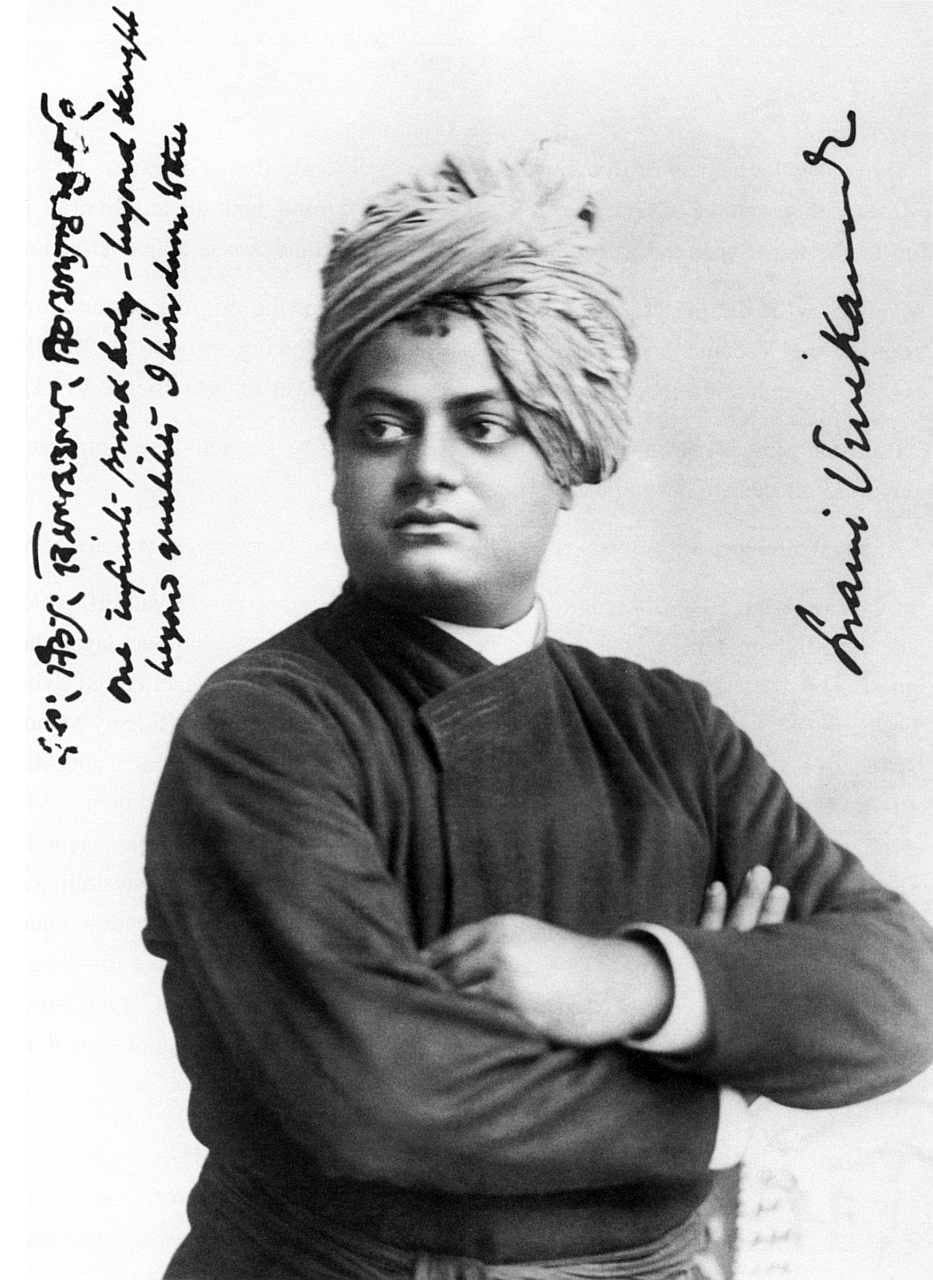
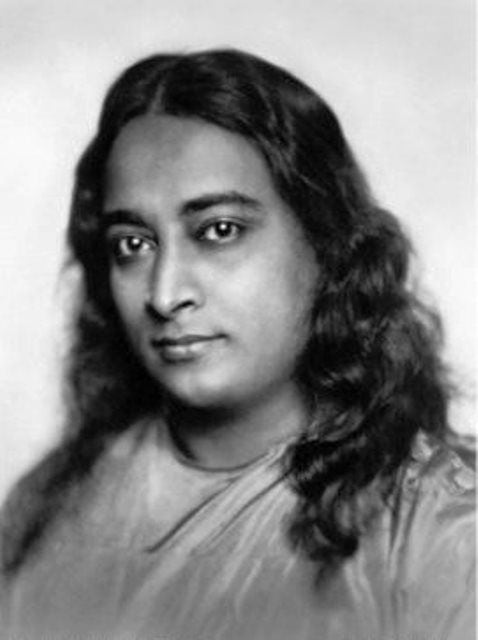
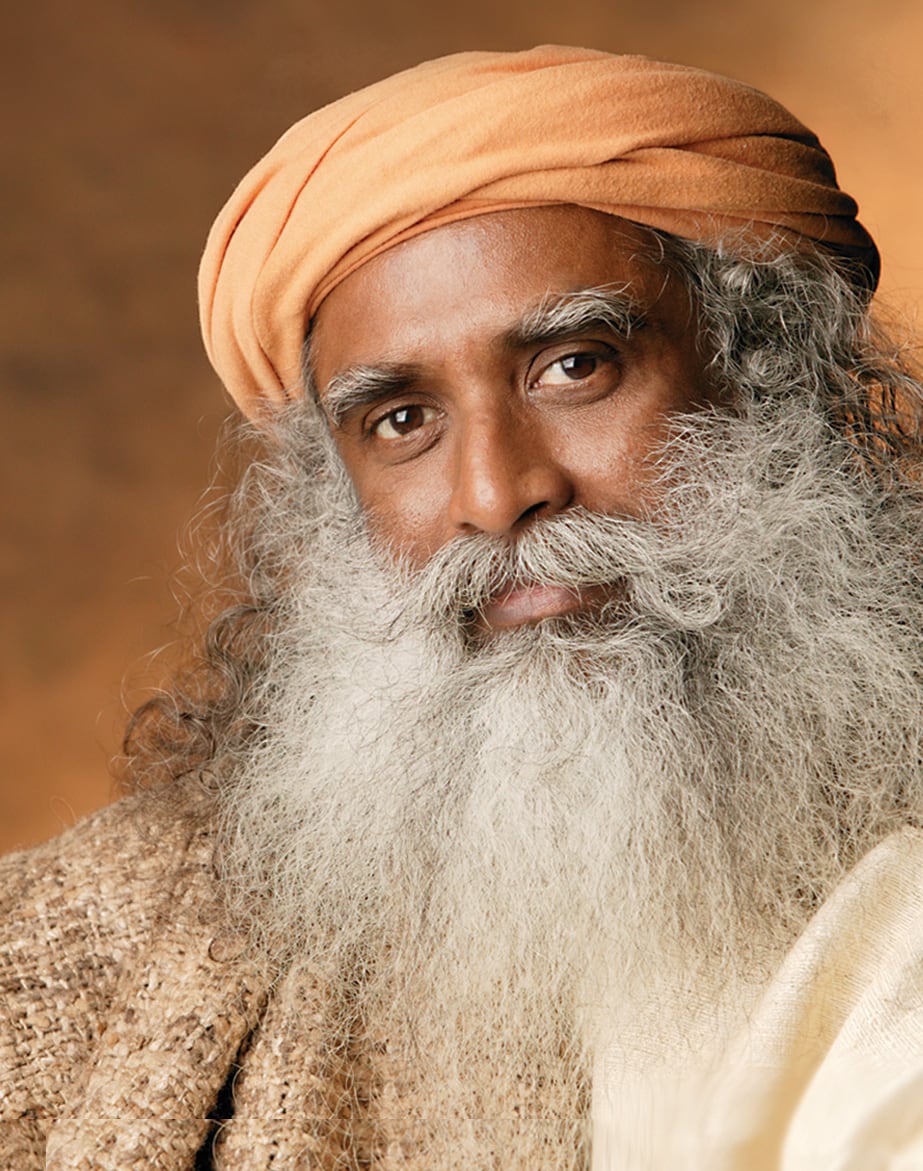
The Yoga Sūtra define yoga as the cessation of the fluctuations of the mind (1.2) and list eight limbs, from ethics and posture to concentration, absorption (dhyāna) and samādhi (2.29). The last three, practised on a single object, form saṃyama (3.4). The aim is for the seer to rest in its own form (1.3), separate from the seen. Vivekananda presented this system in Raja Yoga (1896) as an experimental science of the mind. Yogananda spread kriya yoga, a technique of his lineage that he describes in chapter 26 of his Autobiography of a Yogi (1946). Sadhguru teaches his own practices within the same horizon of inner technology.
Theravada · bhāvanā
The Pali canon distinguishes the cultivation of calm (samatha), which leads to the four absorptions, from the cultivation of insight (vipassanā), which examines the impermanence, unsatisfactoriness and not-self of phenomena. The texts relate that the future Buddha learned very high states of absorption from two teachers and abandoned them because they did not lead to awakening (Majjhima Nikāya 26). Calm prepares; understanding liberates. Buddhaghosa's Visuddhimagga systematised forty meditation objects suited to different temperaments. In the twentieth century, Burmese teachers such as Mahasi Sayadaw spread insight methods that gave rise to much of today's secular meditation.

Zen / Chan · zazen
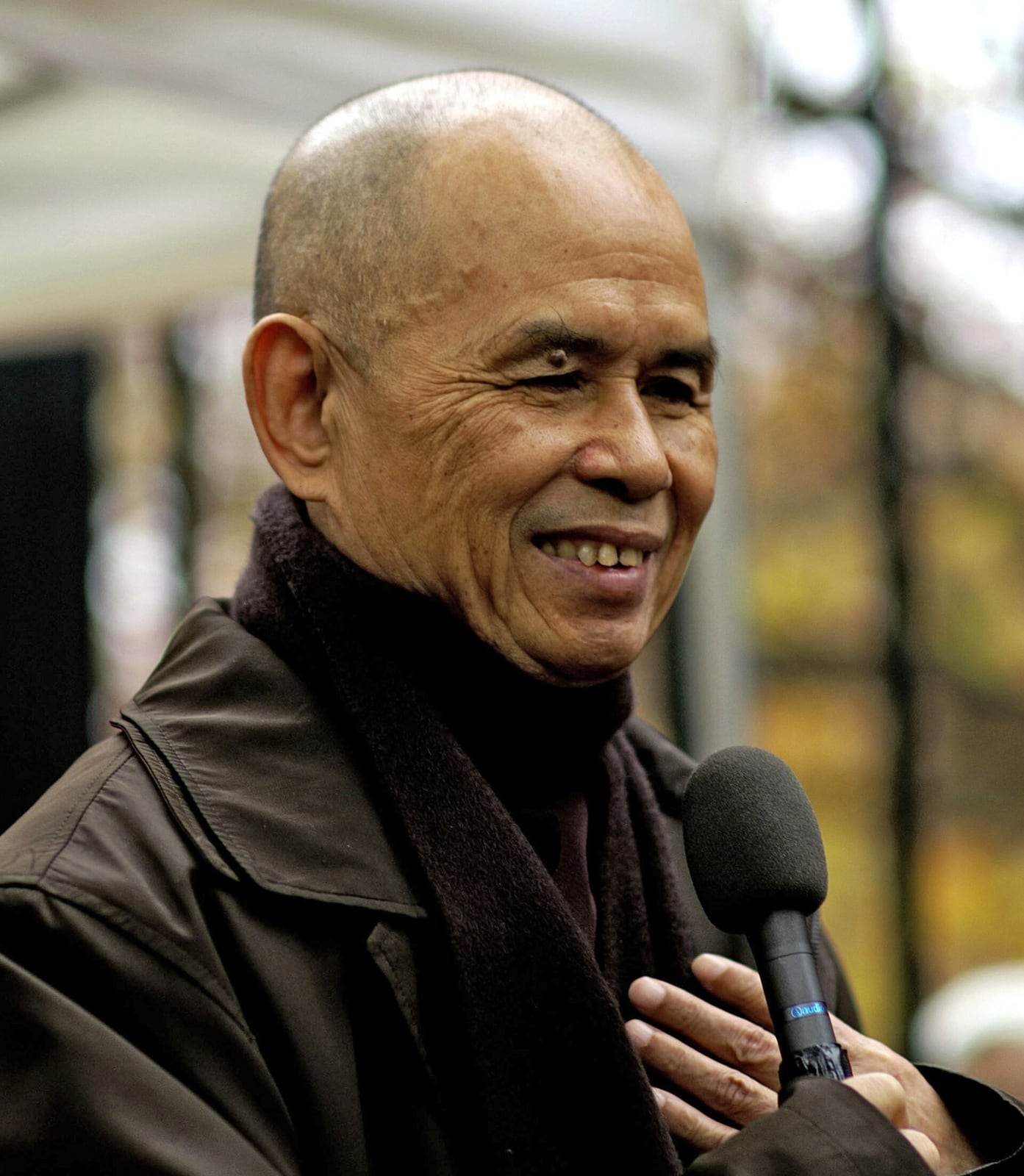
Zen made seated meditation the centre of religious life. Dōgen (1200-1253), founder of the Sōtō school in Japan, describes in the Universal Recommendation for Zazen the posture, the breathing and the attitude of neither pursuing nor rejecting thoughts, and in the Bendōwa he holds that practice and realisation are one: sitting is not a means to awaken but its expression. This practice, called just sitting (shikantaza), contrasts with the kōan work of the Rinzai school, which seeks a breakthrough. Thich Nhat Hanh, trained in Vietnamese Zen, extended meditation to walking, eating and working, with the breath as anchor.
Tibetan Buddhism (Vajrayana) · sgom
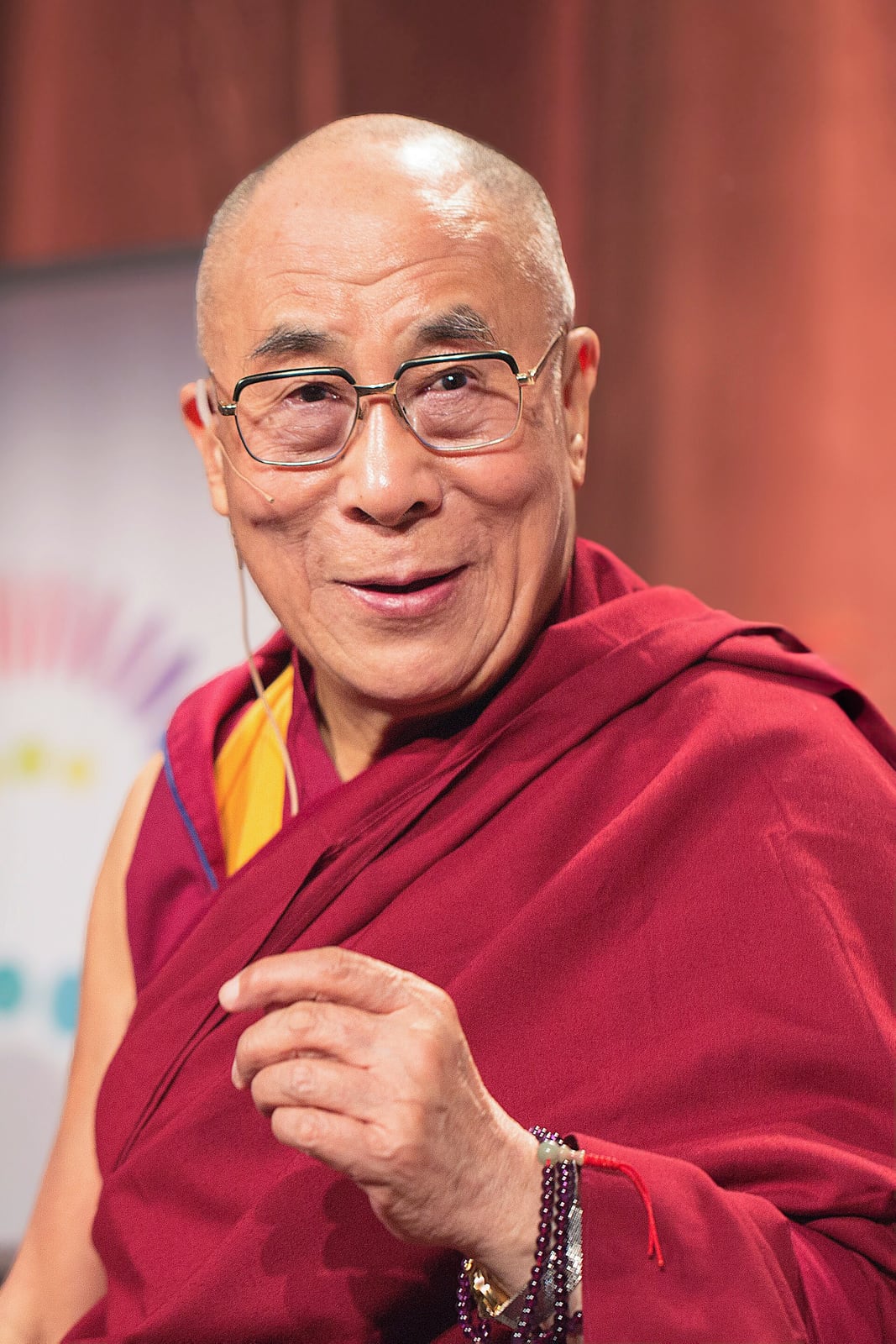
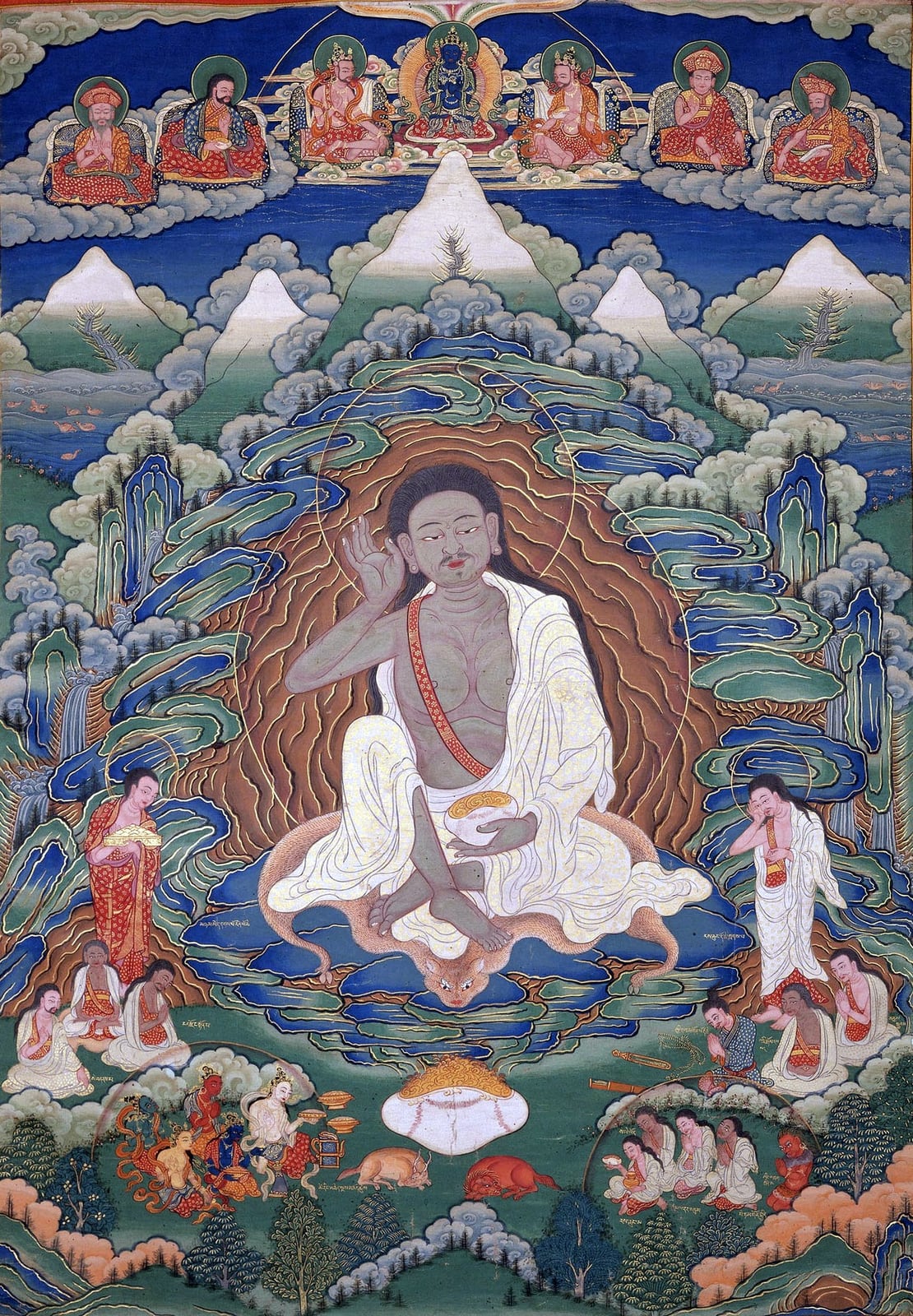
The Tibetan word for meditating is related to becoming familiar, and the Dalai Lama often explains it this way: to meditate is to habituate the mind to a way of seeing until it becomes natural. The tradition distinguishes analytical meditation (dpyad sgom), which reasons about a theme such as impermanence or compassion, from placement meditation (’jog sgom), which rests in the conviction reached; the two alternate. The Vajrayāna adds the visualisation of deities, the recitation of mantras and practices of the subtle body, transmitted through initiation. Milarepa embodies the ideal of the solitary meditator: years in caves under Marpa's instructions, practising inner heat (gtum mo) and Mahāmudrā.
Sufism · dhikr
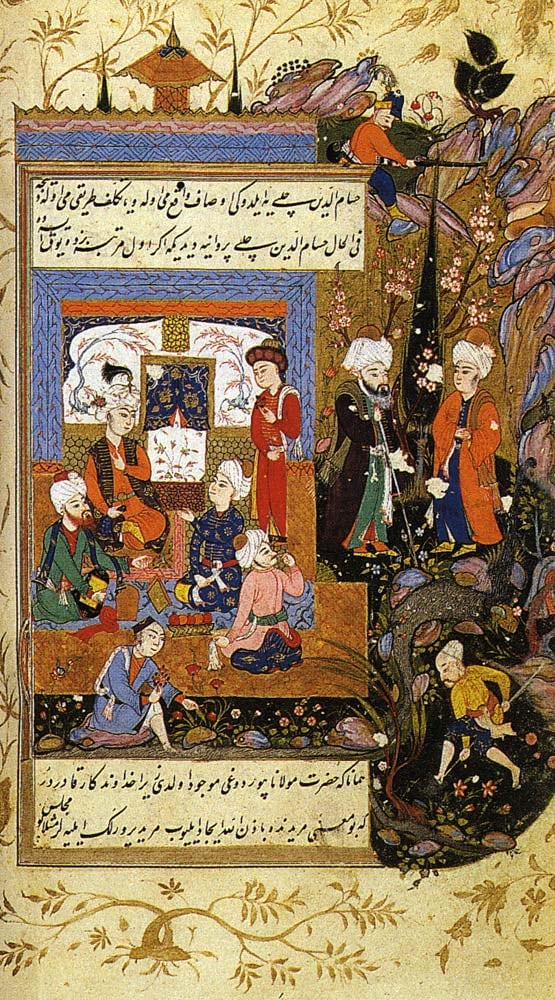
The Qur’an commands believers to remember God often (33:41) and states that in His remembrance hearts find rest (13:28). Sufism turned that remembrance into a method: the repetition, aloud or in silence, of the profession of faith, the name Allāh or other divine names, often with a rhythm of breathing and under a master's direction. The orders differ: the Naqshbandiyya prefers the silent dhikr of the heart; the Mawlawiyya, founded around Rumi's legacy, practises musical audition and the ceremonial turning (samāʿ). Dhikr does not seek to observe the mind or empty it, but for the remembrance of God to fill it completely, to the point of forgetting oneself.

Christian mysticism · meditatio
In the Latin tradition, meditation is reflection on Scripture or on the mysteries of Christ's life, and it is part of a ladder that culminates in contemplation; Guigo II orders it so in his Ladder of Monks. Teresa of Ávila defended mental prayer, which she defines in the Book of Her Life (ch. 8) as an intimate sharing between friends with the one we know loves us, against those who considered it dangerous for women. But she warned against trying to suspend thought by one's own effort: in the fourth dwelling places of the Interior Castle (ch. 3) she advises not forcing the mind into silence, which, if it comes, is given by God.

Related questions