Soul
ψυχή
psychḗ
grc · Greek
Breath, life; in Homer, the shade that leaves the dead; in Plato, an immortal principle of knowing; in Aristotle, the form of the living body.
נֶפֶשׁ
nefesh
he · Hebrew
Throat, breath, living being, person; in Genesis 2:7 the human being does not have a nefesh but becomes a living nefesh.
נְשָׁמָה
neshāmāh
he · Hebrew
Breath, the breath God breathes in (Genesis 2:7); in Kabbalah, the highest grade of the soul, above nefesh and ruaḥ.
رُوح
rūḥ
ar · Arabic
Spirit, breath; the Qur’an (17:85) says it comes from the command of the Lord and that humans have been given little knowledge of it.
जीव
jīva
sa · Devanagari
Living being, individual life principle; in Jainism, a real and eternal soul, one among infinitely many; in Vedānta, the Self as limited by its coverings.
魂魄
húnpò
zh · Han
The two souls of Chinese tradition: hun, light and yang, which rises at death; po, bodily and yin, which returns to the earth.
What animates and what survives
The word soul carries two questions that do not always go together. The first is what makes a body alive, able to feel, think and will. The second is whether anything of the person endures when the body dies. Many traditions answered the first without raising the second, and others made the second the centre of their teaching. Beneath terms we translate as soul there are conceptions that do not even agree that the soul is something distinct from the body.
The Hebrew Bible is the clearest example. In Genesis 2:7 God forms the human being from dust, breathes into him the breath of life (nishmat ḥayyim), and the human being becomes a living nefesh. He does not receive a soul: he is one. Nefesh also means throat, appetite, life, person, and animals are equally nefesh ḥayyāh. The immortality of the soul does not appear clearly in the early texts, which speak of Sheol, and later hope is formulated as resurrection (Daniel 12:2). Only medieval Jewish philosophy and Kabbalah distinguished grades, nefesh, ruaḥ and neshāmāh, and attributed a life of their own to them.
The Greek soul and its heirs
In Homer the psychḗ is what escapes through the mouth at death and descends to Hades as a powerless shade. Plato transformed it into the immortal principle that knows the forms: the Phaedo offers several arguments for its immortality, and the Republic (Book IV) divides it into reason, spirit and appetite. Aristotle, in On the Soul (II.1), defines it as the form or first actuality of a natural body that potentially has life, which makes it inseparable from the body, with the possible exception of the intellect (III.5). Christianity inherited both lines: it affirmed a soul created by God and destined to survive, but also the resurrection of the body, and Thomas Aquinas thought of it with Aristotle as the form of the body that nonetheless subsists.
The Qur’an is reticent about the rūḥ: when asked about it, the answer is that it comes from the command of the Lord and that little knowledge has been given (17:85). Theologians and Sufis later debated its relation to the nafs, the self that feels and desires.
Many souls, no soul
India offers every position. Jainism affirms infinitely many eternal and real souls (jīva). The Bhagavad Gītā compares the passage from one life to another to someone who discards worn-out clothes and puts on new ones (2.22) and calls the jīva an eternal portion of the divine (15.7). For non-dual Vedānta, the individual jīva is the one ātman limited by coverings, and its individuality is not ultimate. Buddhism, on the other hand, denies a soul that transmigrates: rebirth is explained as causal continuity, and the tradition illustrates it with the flame that lights another lamp (Milindapañha).
China thought in terms of two souls. The Book of Rites (chapter Jiao te sheng) says that at death the breath of the hun returns to heaven and the bodily po returns to the earth; ancestral worship is directed to that presence, not to a judged soul nor to a self that is reborn.
These conceptions share an intuition: the person is not reducible to visible matter. But they disagree on whether the soul is a substance, a form, a breath, a portion of the divine or a continuity without a subject, and on whether it is one, double or many. Translating them all as soul is convenient; reading them as a single doctrine would be a mistake.
From each tradition
Platonism · psychḗ
Plato is the great ancient theorist of the immortal soul. In the Phaedo, set in Socrates' last hours, arguments are offered for its survival: from opposites, from recollection, from its affinity with the invisible, and from the form of life. The soul is what knows the eternal forms and is therefore akin to them. In the Republic (Book IV) three parts are distinguished in it, reason, spirit and appetite, whose right order is inner justice, and the Phaedrus depicts it as a charioteer with two horses. To philosophise is, according to the Phaedo, to practise separating the soul from the body, that is, to learn to die.
Judaism · nefesh / neshāmāh
In the Hebrew Bible the human being is an animated unity: Genesis 2:7 presents him as dust which, on receiving the divine breath, becomes a living nefesh. The early texts describe the dead in Sheol without developing a doctrine of immortality, and the hope of resurrection appears clearly in Daniel 12:2. Rabbinic Judaism affirmed the world to come and the resurrection of the dead, and medieval philosophy, with Saadia Gaon or Maimonides, reflected on the soul in Greek categories. The Zohar distinguished the grades nefesh, ruaḥ and neshāmāh; the Midrash (Genesis Rabbah 14:9) already knew two further names, ḥayyāh and yeḥidāh, and the Kabbalah of Safed developed the doctrine of transmigration (gilgul) at length.
Christianity · anima
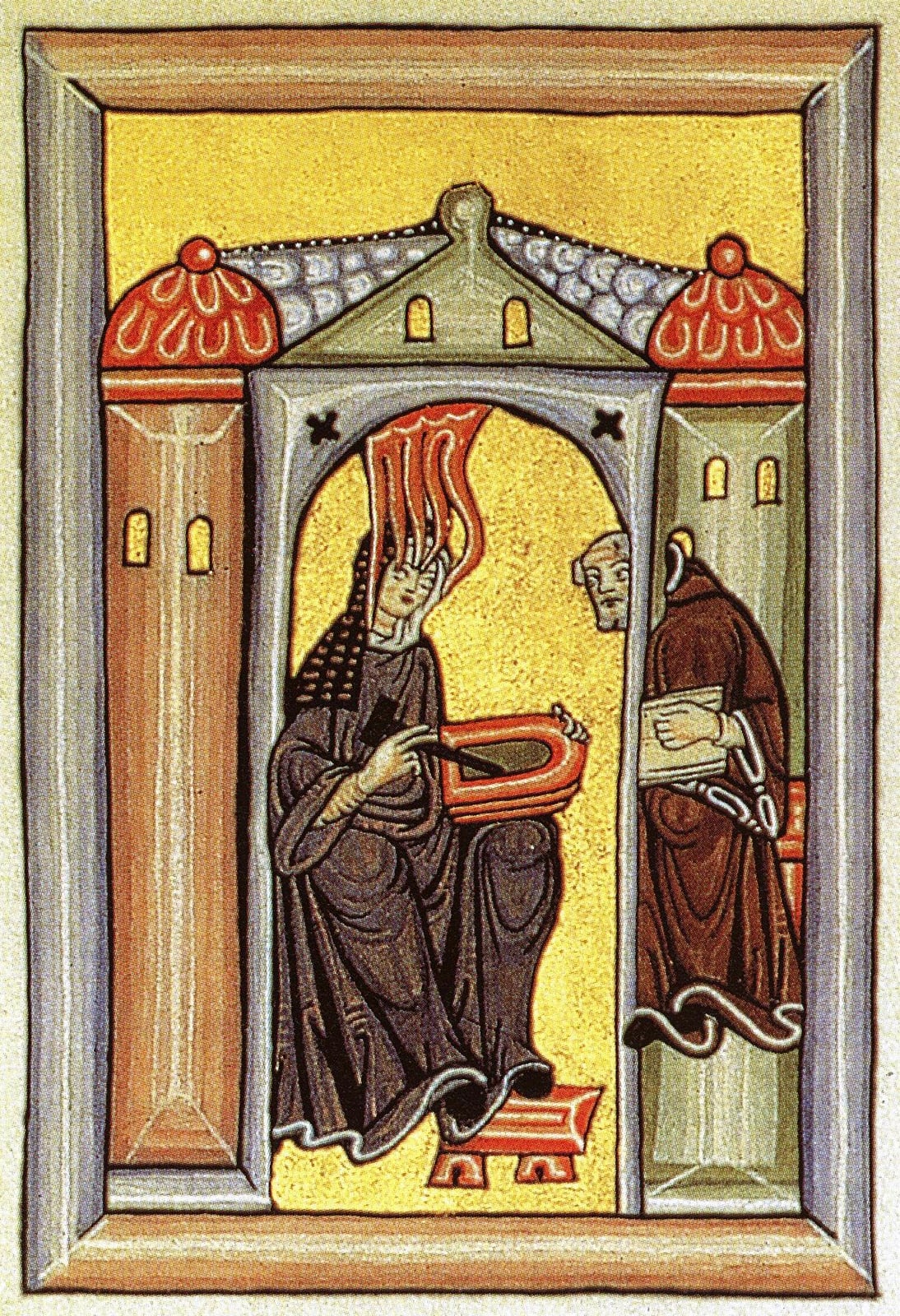
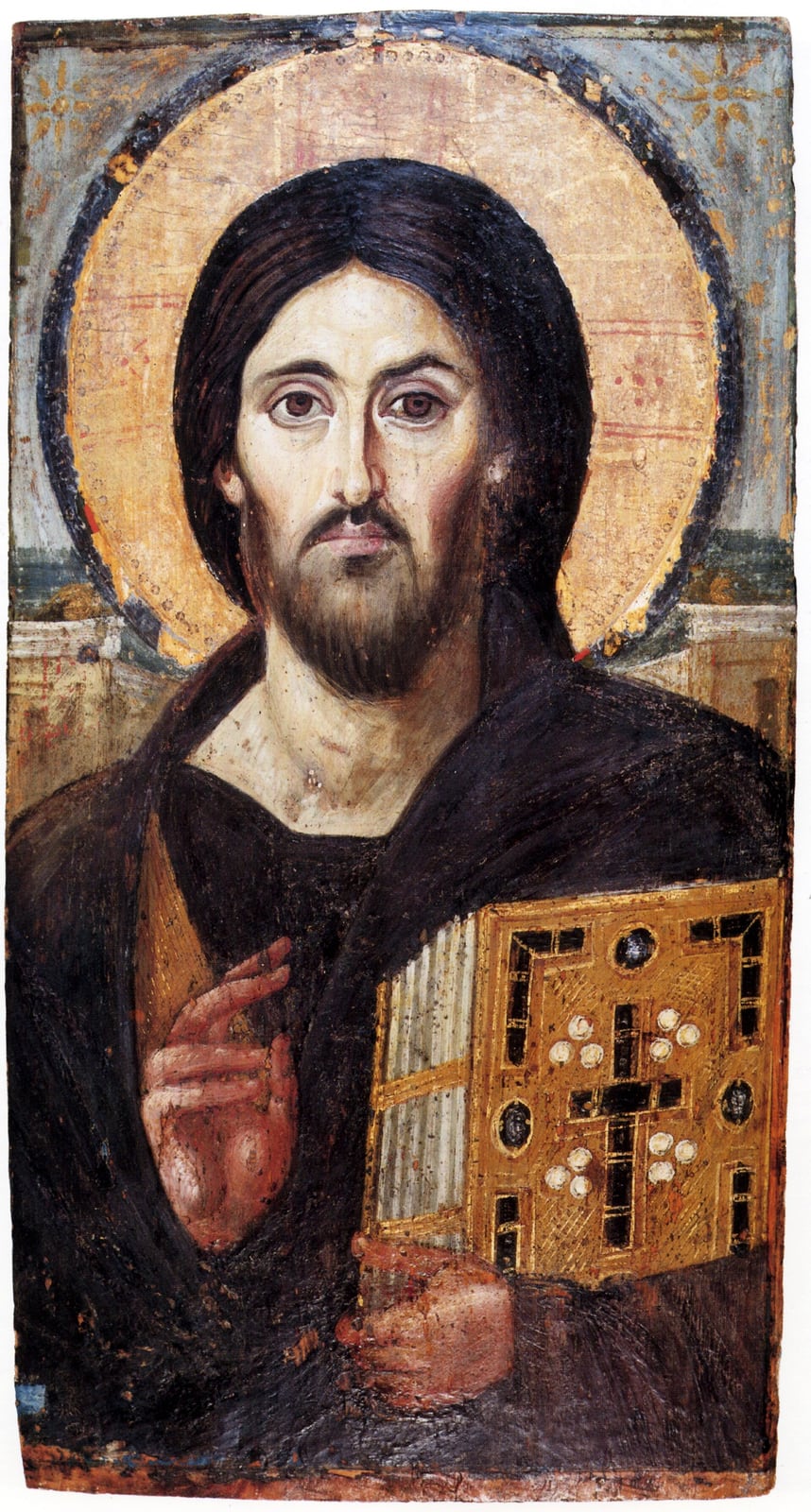
The Gospels use psychḗ in the Hebrew sense of life: what does it profit to gain the world and lose one's own life (Mark 8:36). Later Christian theology, in dialogue with Plato and Aristotle, affirmed a spiritual soul created by God for each person, which survives death and awaits the resurrection of the body. Hildegard of Bingen sees it in Scivias (Book I, vision 4) as a fiery sphere entering the forming body. Teresa of Ávila describes it at the beginning of the Interior Castle as a castle of diamond or very clear crystal with many dwelling places, at whose centre God dwells. The soul here is a place of encounter with someone.

Islam · rūḥ
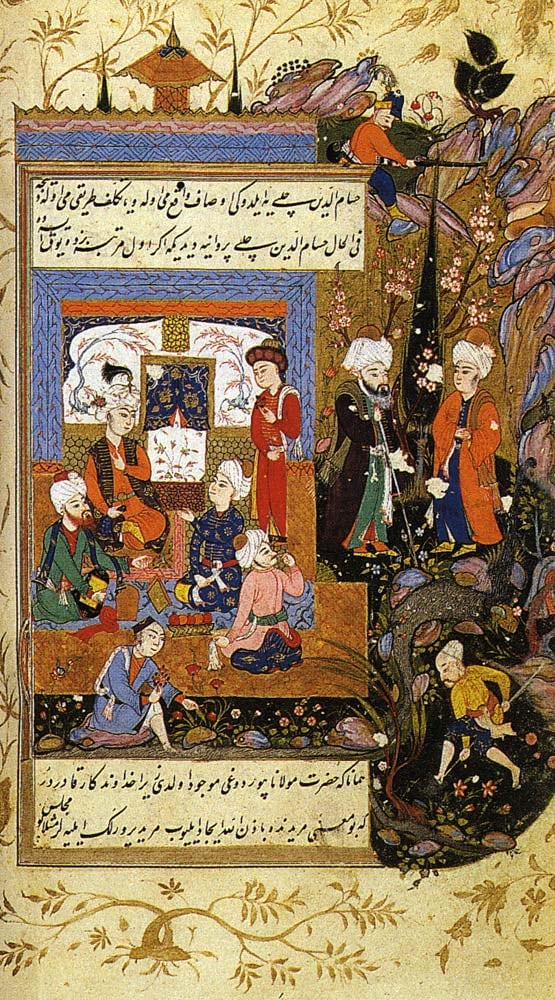
The Qur’an relates that God breathed into Adam of His spirit (15:29) and, when the Prophet is asked about the rūḥ, he answers that it belongs to the command of his Lord and that humans have been given little knowledge (17:85). That reticence marked the tradition: theologians debated whether rūḥ and nafs are the same or two realities, and whether the soul is a subtle body or something immaterial. After death the soul remains in the barzakh, an intermediate state, until resurrection and judgement. Sufis read the divine breath as the heavenly origin of the soul, which in Rumi longs to return to where it came from.
Hinduism · jīva
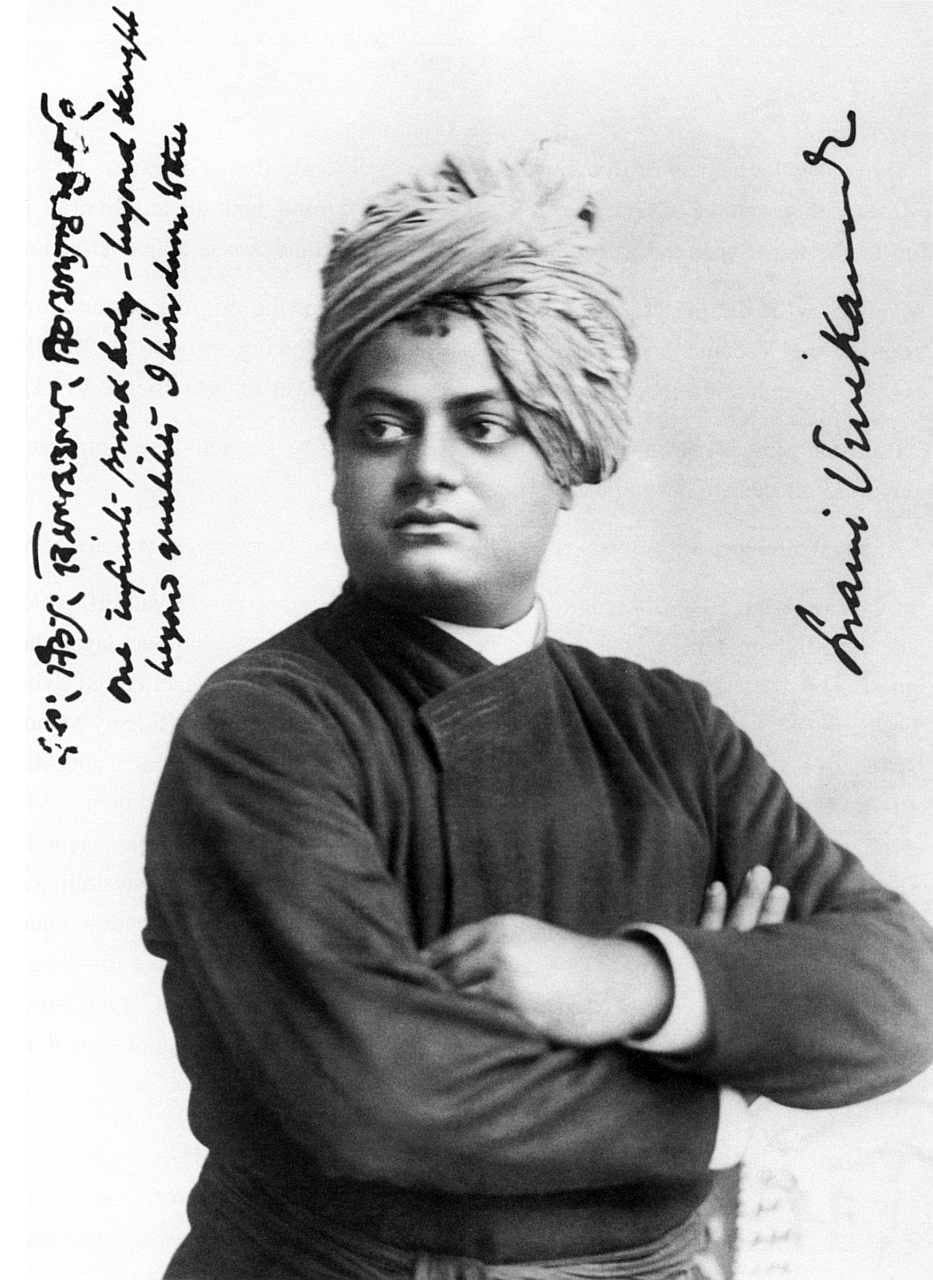
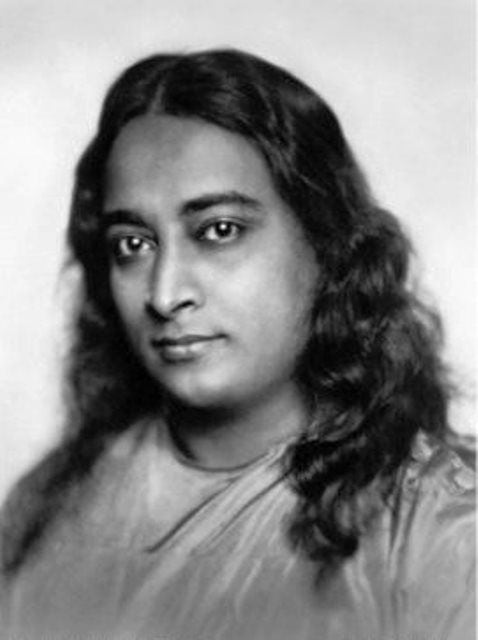
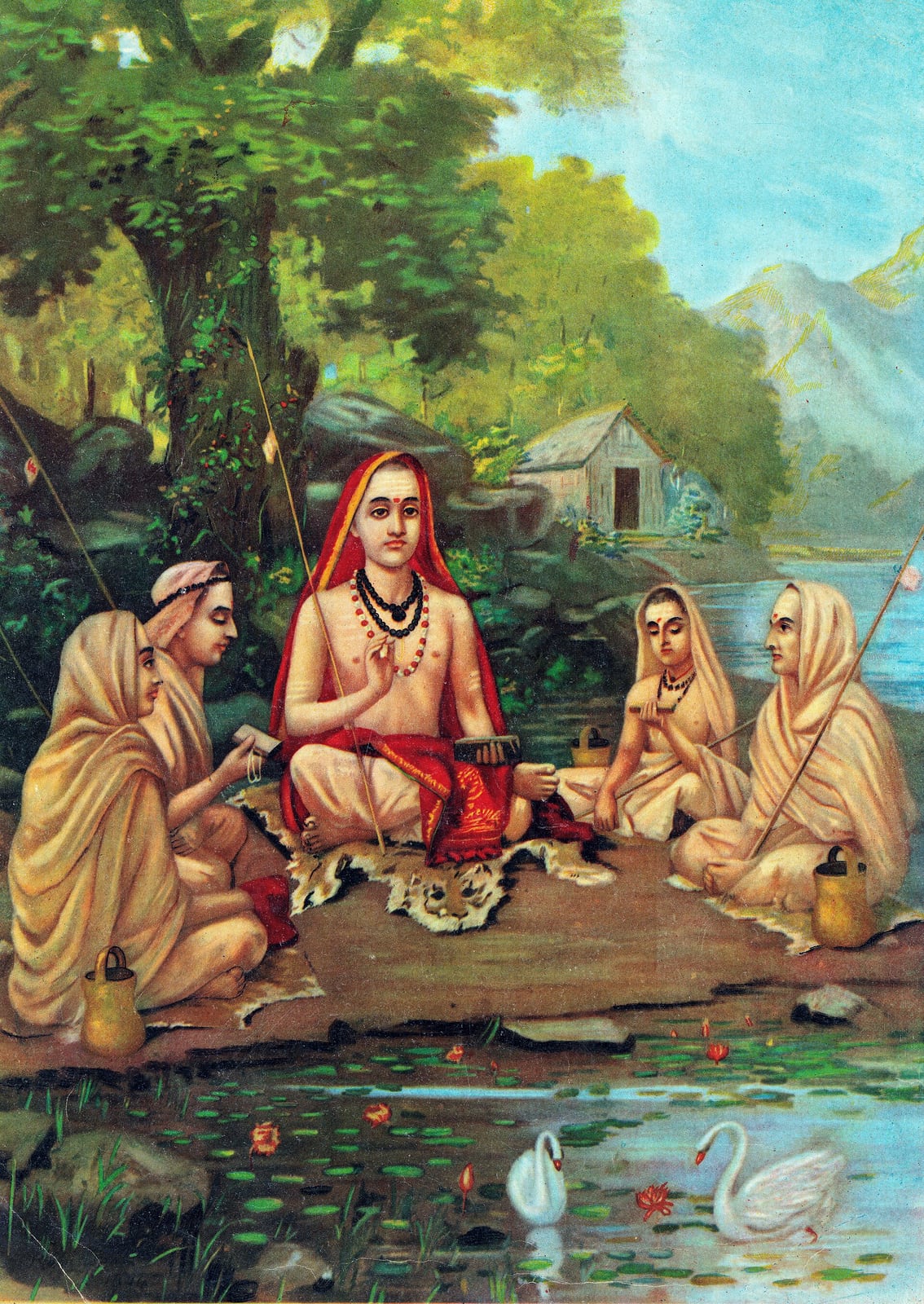
The Bhagavad Gītā teaches that what dwells in the body is neither born nor dies and passes from one body to another as one exchanges worn-out clothes for new ones (2.20-22); in 15.7 Kṛṣṇa calls the jīva an eternal portion of himself. The schools of Vedānta disagree about its status. For Śaṅkara the jīva is the one ātman limited by mind and body, and its individuality vanishes with knowledge. For Rāmānuja, souls are real and distinct, though they depend on God as the body depends on the soul. Vivekananda spread the first reading in the West; Yogananda spoke of the soul as individualised Spirit evolving through many lives.
Confucianism · 魂魄
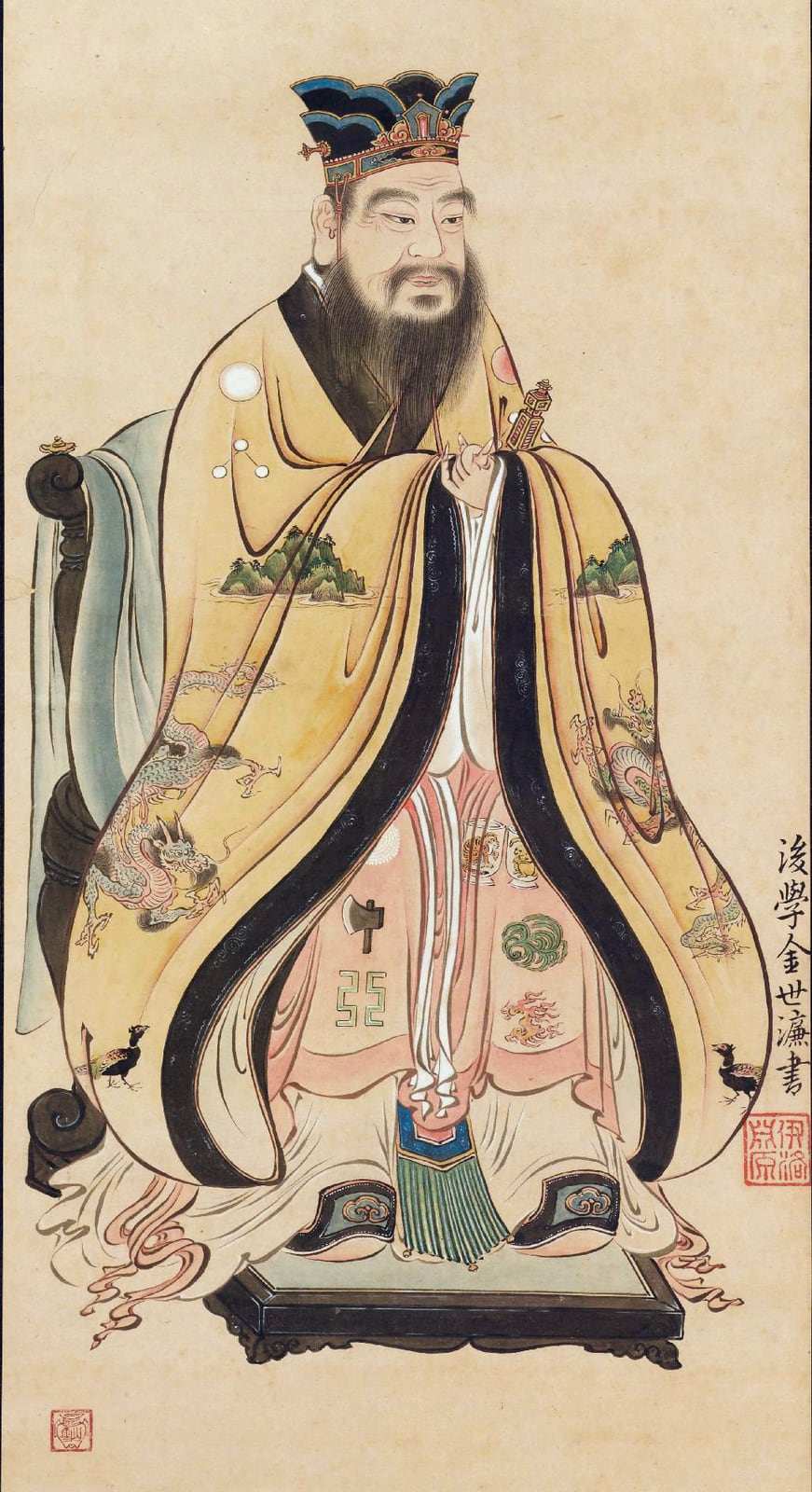
Early Chinese tradition does not speak of a single soul but of two aspects of vitality: the hun, light and akin to breath, and the po, bound to the body. The Book of Rites, in the chapter Jiao te sheng, states that at death the breath of the hun returns to heaven and the po of the bodily form returns to the earth. Funeral rites and ancestral worship attend to that presence. Confucius keeps a deliberate reserve: in the Analects (11.12), when asked about serving the spirits and about death, he replies that whoever does not yet know how to serve the living or understand life can hardly know about them.
Theosophy · Ego reencarnante
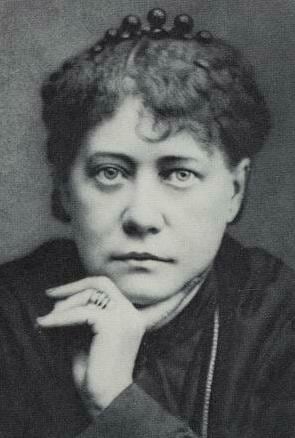
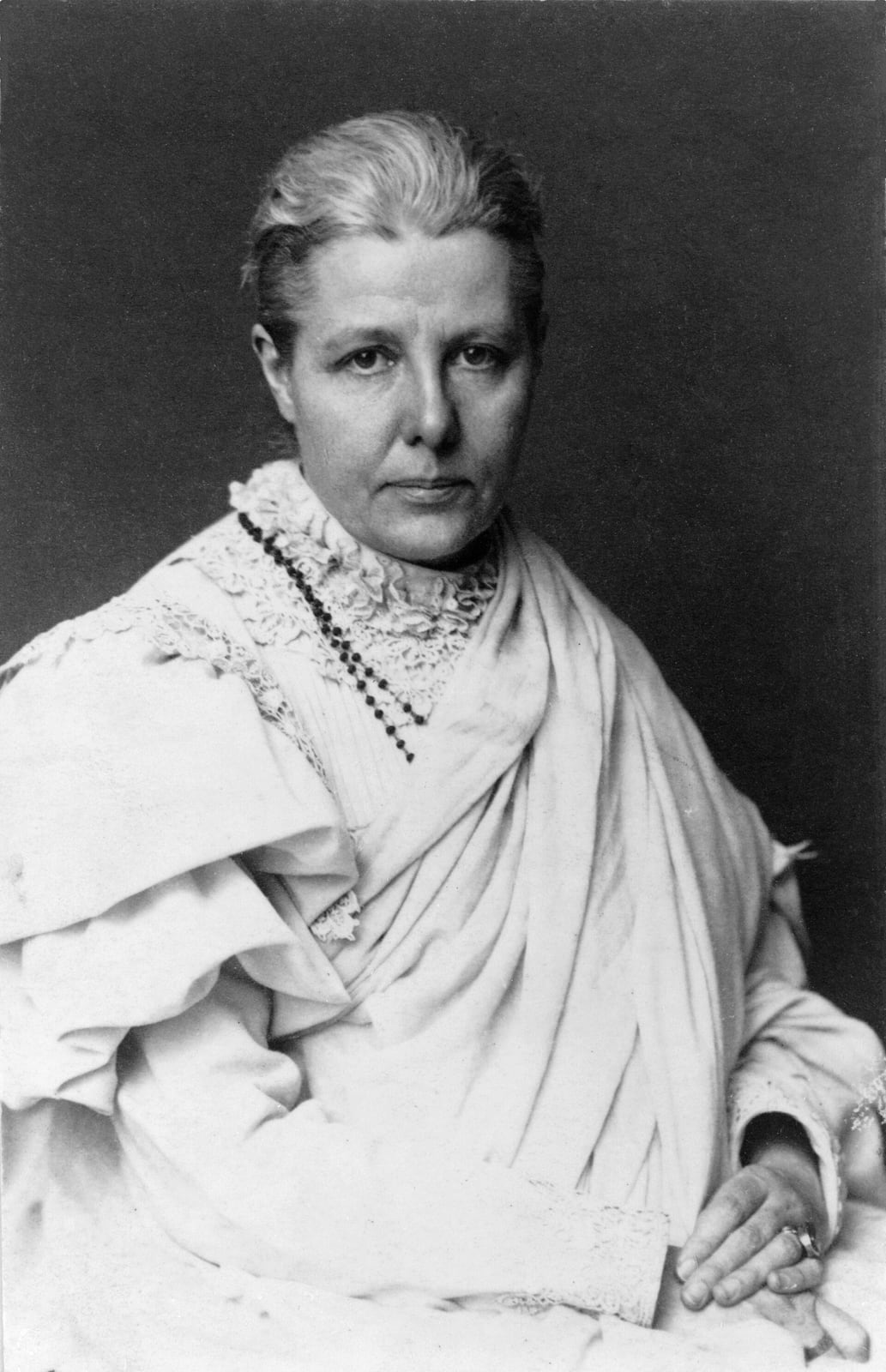
Modern Theosophy reorganised the notion of soul into a scheme of seven principles that Blavatsky sets out in The Key to Theosophy (1889) and Besant in The Seven Principles of Man (1892). A lower quaternary, physical body, astral double, vital energy and body of desire, dissolves after death; a higher triad, Ātma, Buddhi and Manas, constitutes the individuality that reincarnates, which they call the Ego. The personality of each life is transient; the Ego accumulates experience over many. The vocabulary comes from Sanskrit, but the combination is new and does not match any particular Indian school.
Related questions