Suffering
दुःख
duḥkha
sa · Devanagari
Unease, unsatisfactoriness, what does not fit; in Buddhism and Sāṃkhya-Yoga, a feature of all conditioned existence, not only acute pain.
苦
kǔ
zh · Han
Literally bitter; the character Chinese Buddhism used to translate duḥkha, keeping the sense of bitter taste and hardship.
πάθος
páthos
grc · Greek
What one undergoes or experiences; in Stoicism, passion understood as a mistaken judgement and an excessive movement of the soul.
עֳנִי
ʿonî
he · Hebrew
Affliction, oppression, humiliation; in Exodus 3:7 it is the affliction of the people that God says he has seen.
بلاء
balāʾ
ar · Arabic
Trial, affliction sent as a test; in the Qur’an and in Sufism, what tests faith and can draw one closer to God.
passio
passio
la · Latin
Undergoing, suffering; in Christian Latin, the Passion of Christ and, by extension, suffering accepted and offered.
A question older than every answer
No tradition begins with suffering as an academic topic. It begins with it as a fact: illness, old age, the death of those close to us, injustice, the restlessness that persists even when everything is going well. The question humanity asks through this concept is twofold. Why do we suffer, first; and whether suffering has the last word, second. The answers diverge so far that one should not assume they are all speaking of the same thing.
The clearest case is the Sanskrit duḥkha. Translating it as suffering is useful but misleading: in the Pali canon pleasant states are also duḥkha, because they change, and so is everything conditioned, because it cannot satisfy in a stable way. The first discourse attributed to the Buddha (Saṃyutta Nikāya 56.11) does not claim that life is painful at every moment, but that birth, ageing, illness, death, union with what one does not want and separation from what one wants are duḥkha, and that their cause is thirst (taṇhā). The Chinese 苦, bitter, added to this idea a sensory nuance that the original did not have.
Different diagnoses
Classical India shares Buddhism's starting point but not its diagnosis. The Sāṃkhyakārikā (verse 1) says that philosophical inquiry arises from the blow of a threefold suffering: that which comes from oneself, from other beings, and from natural or divine forces. The Yoga Sūtra (2.16) propose avoiding the suffering that has not yet come, and trace its root to the confusion between the seer and the seen (2.17). For non-dual Vedānta the cause is the ignorance that superimposes a body and a mind on the Self. Where Buddhism speaks of thirst and denies a permanent self, these schools speak of a true self that has been misrecognised.
Stoicism frames it differently. Πάθος names what one undergoes, but in Chrysippus and Epictetus it becomes passion: a mistaken judgement that assents to an impression and moves the soul beyond due measure. Epictetus' Enchiridion (ch. 5) holds that people are disturbed not by things but by their opinions about things. Bodily pain is, for the Stoic, an indifferent; what must be corrected is the judgement.
The biblical and Qur’anic traditions place suffering within a relationship with a personal God. In Exodus 3:7 God has seen the affliction (ʿonî) of his people and comes down to free them: suffering is historical, collective and heard. The Book of Job rejects the friends' explanation, that whoever suffers has sinned, and the divine answer from the whirlwind (chapters 38 to 41) offers no theory. Christianity places the passio of Christ at the centre: suffering is not dissolved but redeemed, and can be offered. The Qur’an speaks of balāʾ, a trial (2:155), and Sufism reads it as a way towards God.
Where they resemble each other and where they do not
There are real convergences. Almost every tradition distinguishes between the pain that befalls us and the suffering we add through our own reaction; almost all believe that something in our way of seeing or desiring is part of the problem; and almost all propose a discipline.
The differences, however, are not matters of vocabulary. For Buddhism suffering is understood and extinguished together with its cause, with no creator to turn to. For Stoicism it is corrected by right judgement, with no promise of release from a cycle of rebirths it does not recognise. For Judaism, Christianity and Islam it can carry meaning within a history of salvation, and the problem of a good God who permits it is a question Buddhism has no need to raise. Reading all these voices as variations on a single teaching erases what each of them puts at stake.
From each tradition
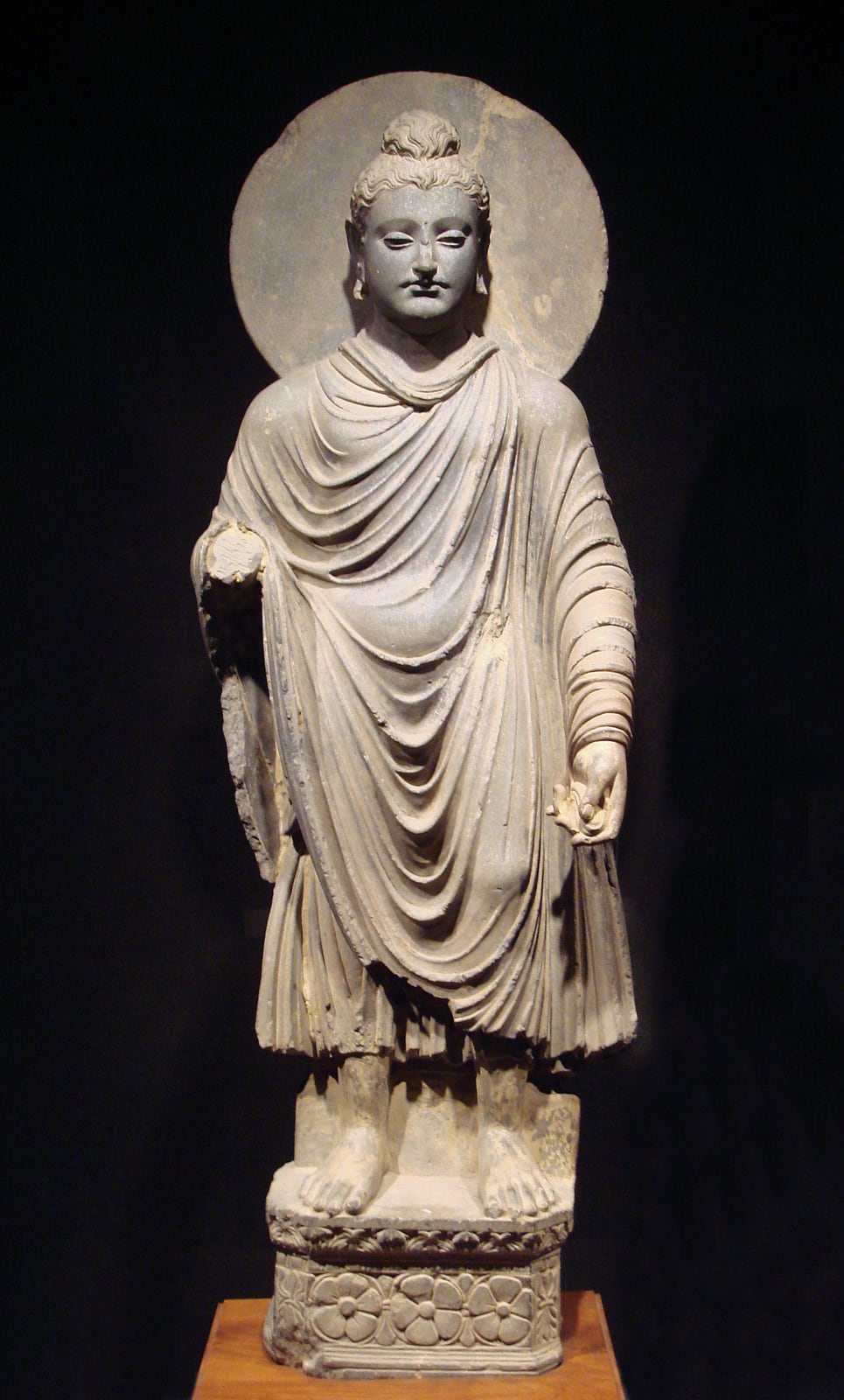
Buddhism · dukkha
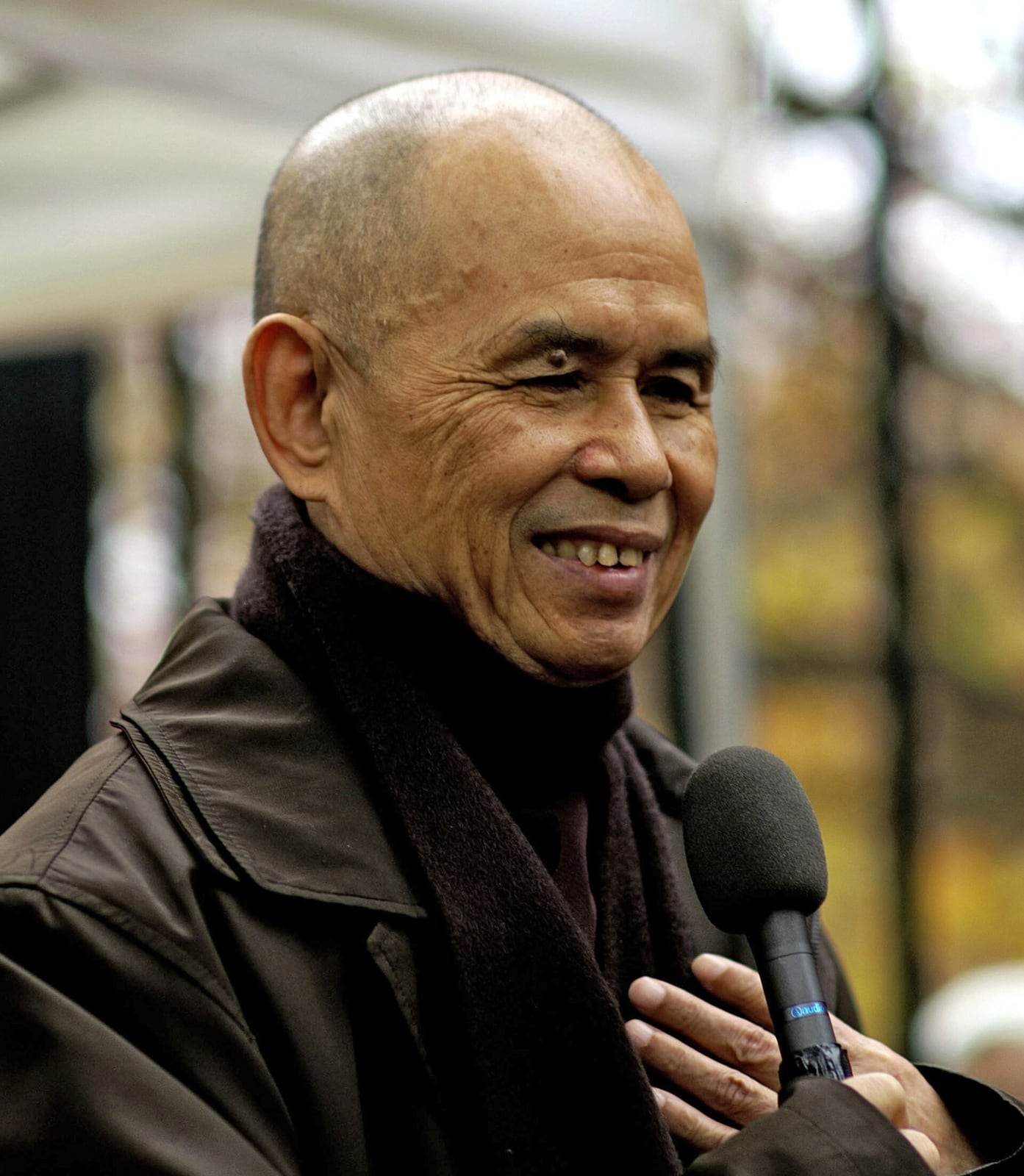
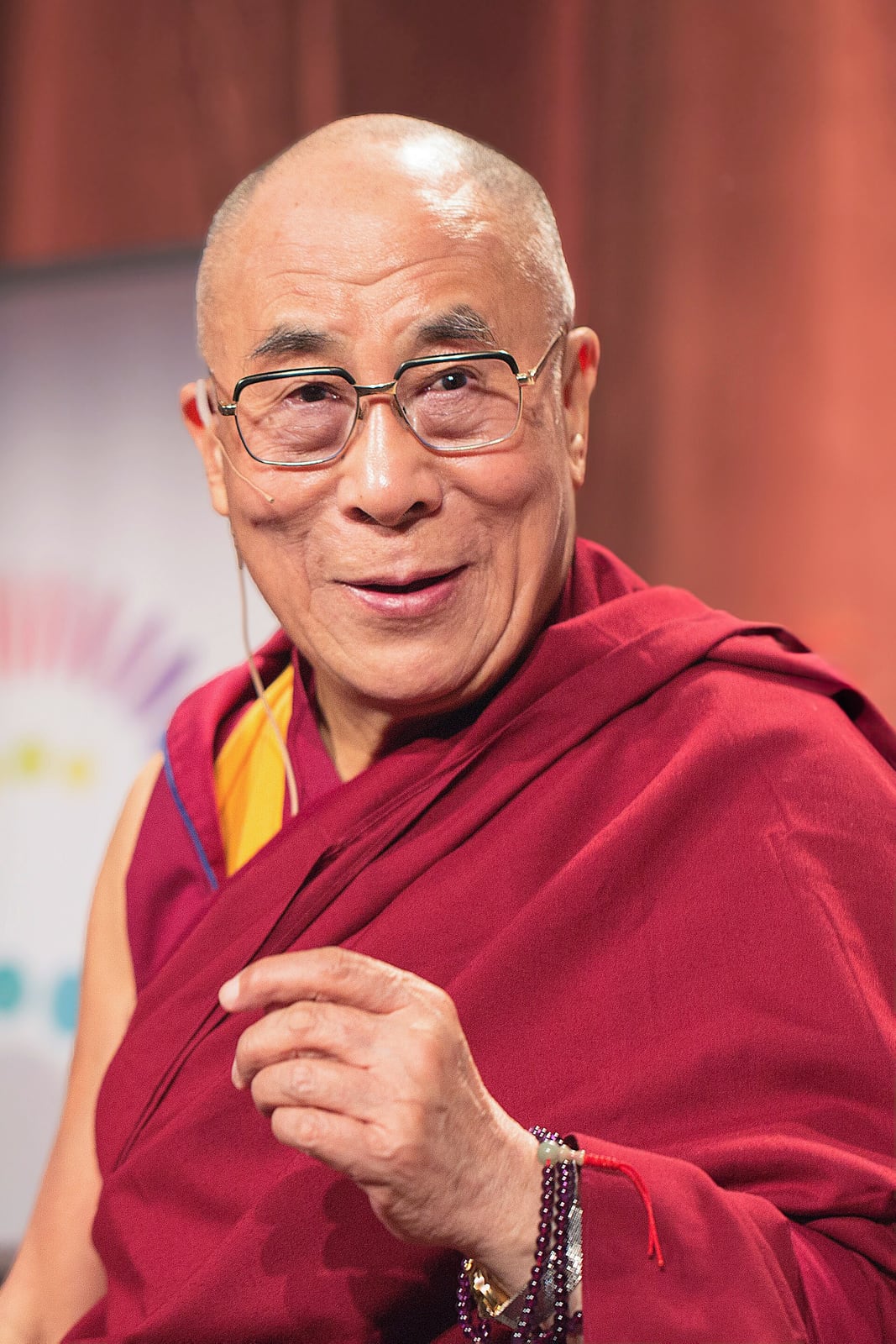
In the Pali canon, dukkha is the first of the four noble truths and, according to the Dhammacakkappavattana Sutta (SN 56.11), something to be fully understood, not merely endured. Its origin is thirst (taṇhā) for pleasure, for existence and for non-existence; its cessation is possible, and the eightfold path leads to it. Later tradition distinguishes three modes: manifest pain, the suffering of change, and the suffering inherent in everything conditioned. Thich Nhat Hanh insists that suffering feeds on nutriments that can be recognised; the Dalai Lama links it to the afflictive emotions born of clinging to a self conceived as independent.
Yoga · duḥkha
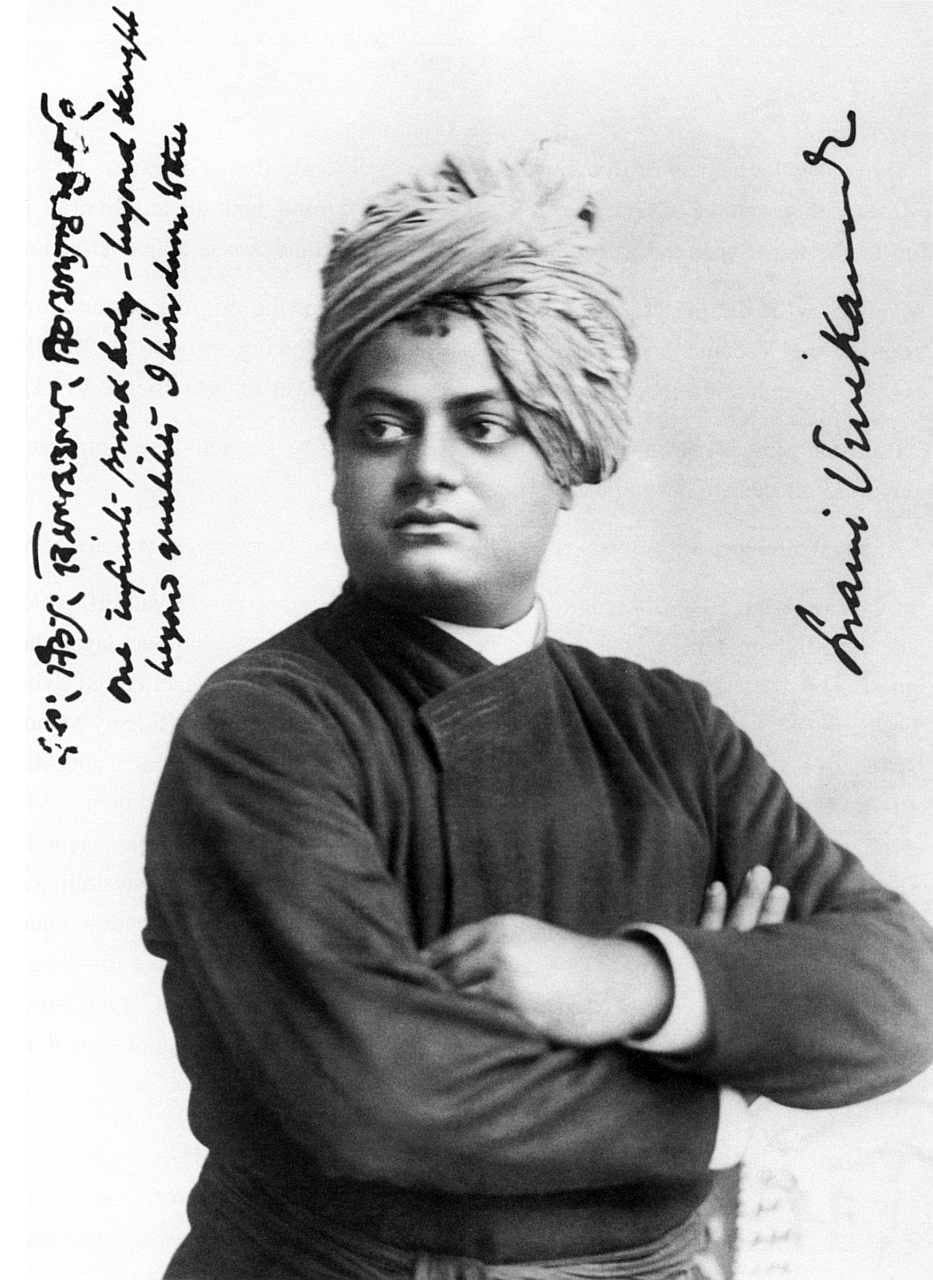
The Yoga Sūtra attributed to Patañjali state (2.15) that for one who discerns, everything is duḥkha, because of change, anxiety and the traces experiences leave, and because of the conflict among the qualities of nature. Sūtra 2.16 proposes avoiding the suffering that has not yet come, and 2.17 locates its cause in the confused union of the seer (puruṣa) and the seen (prakṛti). Liberation is the isolation (kaivalya) of consciousness from what it is not. Swami Vivekananda translated and commented on these sūtras in Raja Yoga (1896) and presented the method as a practical science for ceasing to identify with the mind.
Stoicism · pathos
For the Stoics, physical pain and loss belong to the indifferents: they are neither moral goods nor moral evils. What makes us suffer is passion (πάθος), which Chrysippus described as a mistaken judgement, assent to an impression that presents something as a present or future evil. Epictetus' Enchiridion opens by separating what is up to us, opinions, impulses and desires, from what is not (ch. 1), and later states that people are disturbed not by things but by their opinions about things (ch. 5). Marcus Aurelius returns to this idea in the Meditations. There is no redemption here and no exit from a cycle: there is the correction of judgement and acceptance of the rational order of the cosmos.
Judaism · ʿonî
The Hebrew Bible does not reduce suffering to a psychological problem. In Exodus 3:7 God says he has seen the affliction (ʿonî) of his people in Egypt and heard their cry: pain is historical, collective and heard, and the answer is a concrete liberation. The prophets often read national misfortune as a consequence of unfaithfulness to the covenant, but the Book of Job calls that logic into question: the friends maintain that whoever suffers has sinned, Job protests his innocence, and God, in the end, rebukes the friends (Job 42:7). The Psalms of lament give form to a complaint addressed to God. Suffering is not dissolved: it is argued out with God.
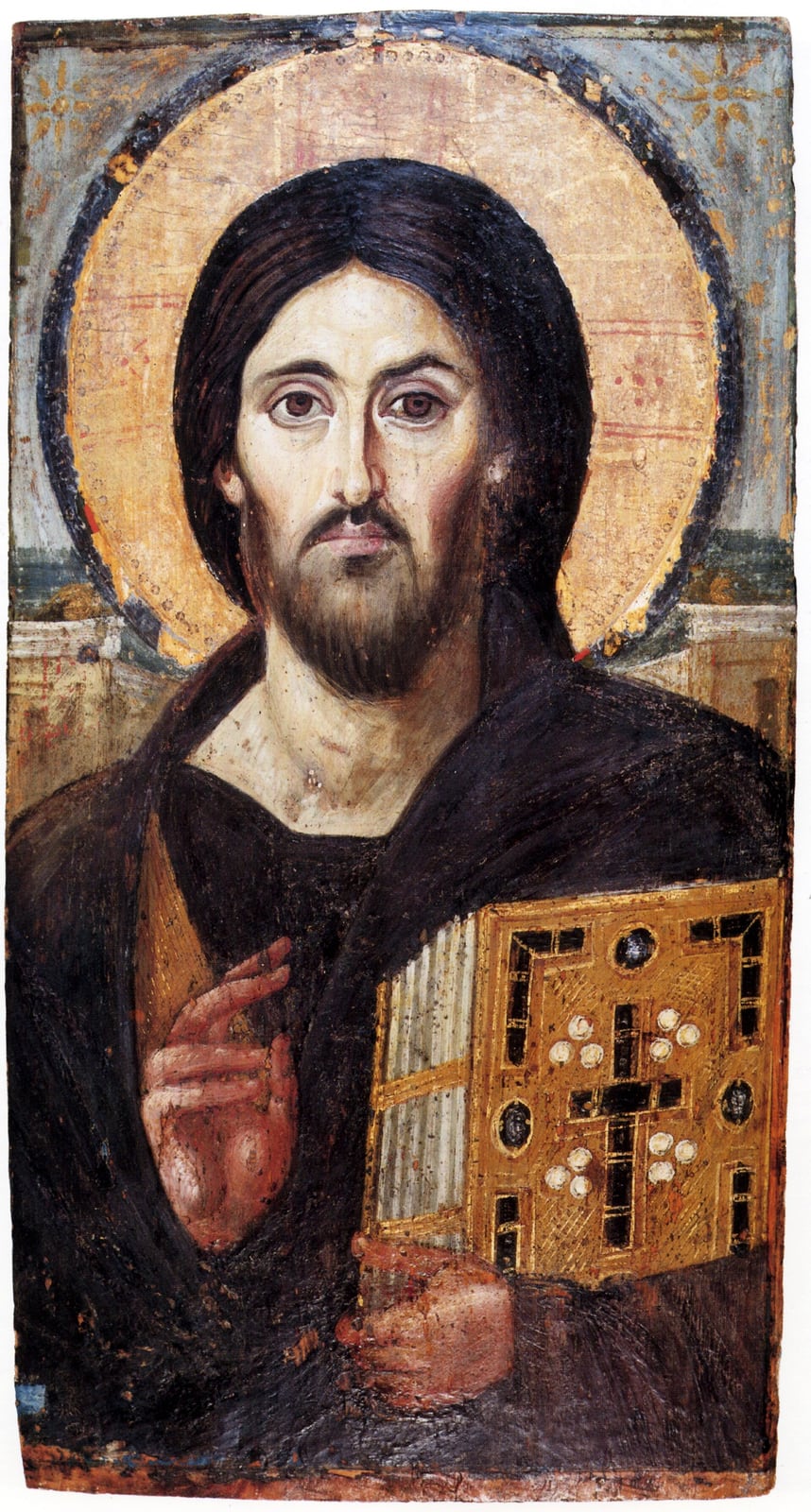
Christianity · passio
The Gospels present Jesus healing the sick and showing compassion for those who suffer, and rejecting the idea that misfortune is personal punishment (John 9:1-3; Luke 13:1-5). The centre of Christian faith, however, is the passio: a God who suffers on the cross. From this comes a distinctive reading of pain, which is neither illusion nor a mere error of judgement, but something that can be united with Christ and become an offering; Paul writes that tribulation produces patience (Romans 5:3). Teresa of Ávila, who lived through long illnesses, describes in the sixth dwelling places of the Interior Castle the trials that precede union with God as purification, not as an end.

Sufism · balāʾ
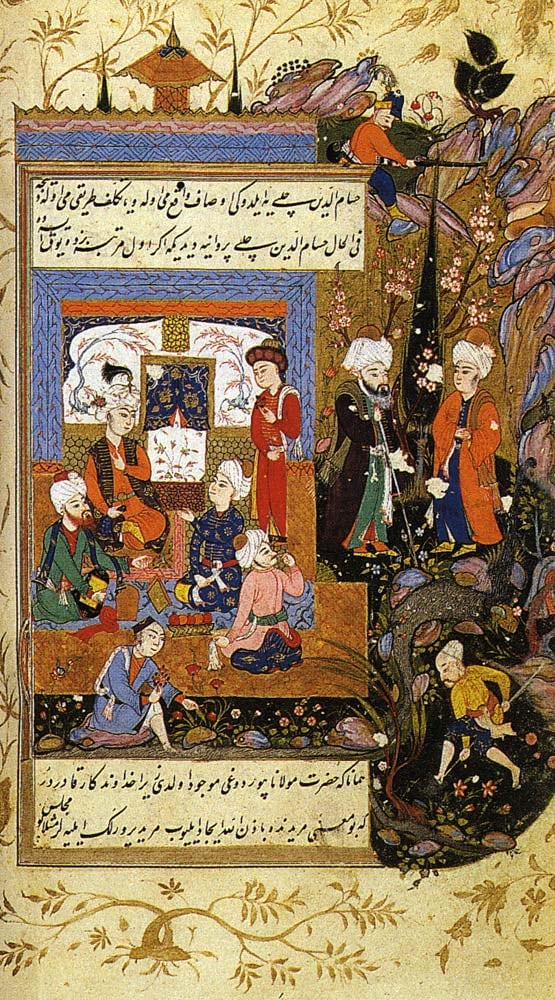
The Qur’an announces that believers will be tested with fear, hunger and the loss of wealth and lives, and that they should be patient (2:155-156). This trial, balāʾ, is understood not as blind punishment but as an examination that reveals and purifies. Sufism interiorises it. Rumi opens the Masnavi with the lament of the reed torn from the reed bed, an image of the soul separated from its origin: pain is longing and, for that reason, a way back. Ibn Arabi insists that divine mercy precedes wrath and ends by embracing everything, so that suffering is not the final truth of the relationship between God and the creature.
Related questions