Transcendence
ἐπέκεινα τῆς οὐσίας
epékeina tês ousías
grc · Greek
Beyond being or essence; the expression by which Plato places the Good above being in dignity and power (Republic 509b).
קָדוֹשׁ
qādôsh
he · Hebrew
Holy, set apart; what belongs to God and is separated from the common. It is the attribute the seraphim repeat three times in Isaiah 6:3.
אֵין סוֹף
ʾên sôf
he · Hebrew
Without end, the Infinite; in Kabbalah, God in himself, prior to all manifestation and to the ten sefirot.
تنزيه
tanzīh
ar · Arabic
Declaring pure or incomparable; in Islamic theology, affirming that God is above all likeness to creatures, as opposed to tashbīh, likeness.
लोकोत्तर
lokottara
sa · Devanagari
Above the world, supramundane; in Buddhism, what does not belong to the conditioned realm: the paths, their fruits and nirvāṇa.
तुरीय
turīya
sa · Devanagari
The fourth; in the Māṇḍūkya Upaniṣad, what lies beyond waking, dreaming and deep sleep, and is at the same time their ground.
What exceeds
To transcend is to pass beyond. The question humanity asks through this concept is whether there is something that exceeds the world of experience, whether it can be known or spoken of, and how it relates to what we do know. The word also has a technical philosophical sense that should be set aside: in Kant, transcendental designates the conditions of possibility of knowledge, and transcendent, what lies beyond all possible experience. What matters here is the second, religious sense, which traditions have formulated in ways that cannot always be reduced to one another.
Plato fixed one of the founding formulas. In the Republic (509b) Socrates states that the Good is not being but lies still beyond being in dignity and power. Plotinus made that beyond into the One, of which nothing can be predicated. The Hebrew Bible expresses transcendence differently, through holiness: qādôsh means set apart, and in Isaiah 6:3 the seraphim proclaim the Lord thrice holy. God is not the highest of beings: he is other. No one can see his face and live (Exodus 33:20). Yet this God who is set apart speaks, chooses and acts in history.
Speaking and keeping silent
From that distance negative theology was born. Maimonides, in the Guide of the Perplexed (I.58), holds that only negative attributes, which indicate what God is not, can properly be affirmed of him. The Kabbalists of Provence and Girona called God in himself ʾên sôf, without end, prior to the sefirot through which he is manifested. In Christianity, Dionysius the Areopagite wrote a Mystical Theology that ascends by denying every name, and Augustine summed up the principle in a sentence of his Sermon 117 (3.5): si comprehendis, non est Deus, if you comprehend it, it is not God. Islam worked out the tension between tanzīh, incomparability, grounded in the verse according to which nothing is like Him (42:11), and tashbīh, likeness; Ibn Arabi held that the truth requires affirming both at once.
Asian traditions use other categories. Buddhism calls lokottara, supramundane, what does not belong to the conditioned world, but does not identify it with a God. The Māṇḍūkya Upaniṣad (verse 7) describes turīya, the fourth, which is consciousness neither of the inner nor of the outer, cannot be seen or defined, and is the Self. Here the transcendent is at the same time the most intimate. Chinese thought, finally, has been described by some modern interpreters as an immanent transcendence: the Dao cannot be named (Daodejing, ch. 1), yet it is not outside the world; Heaven does not speak, and yet the seasons follow their course (Analects 17.19).
Agreements and differences
All these traditions share the intuition that the ultimate exceeds ordinary language and thought, and almost all resort to negation, paradox or silence. That is why texts of negative theology, the Māṇḍūkya and the Daodejing are often quoted together.
But transcendence does not mean the same thing in all of them. In monotheism, the transcendent is a Creator distinct from his creation, who reveals himself and with whom there is a covenant; in Vedānta, it is the Self, so that to transcend is to discover what one is; in Buddhism, it is an unconditioned realm with neither creator nor self; in Chinese thought, the distance is much smaller. A transcendence addressed to someone and one recognised as oneself are not the same idea expressed in two ways.
Aus jeder Tradition
Platonismus · epékeina tês ousías
In Book VI of the Republic, Plato compares the Good to the sun: just as the sun gives visible things not only visibility but also generation, the Good gives the intelligible not only being known but also being, though it is not itself being but lies beyond being in dignity and power (509b). The allegory of the cave (Book VII) describes the soul's ascent towards that light. Plotinus developed the idea: the One is beyond being and intellect, and only what it is not can be said of it. This transcendence is impersonal and is reached through intellectual purification, not through revelation.
Judentum · qādôsh
Holiness is the biblical form of transcendence: God is qādôsh, set apart, and what belongs to him shares in that separation, the Sabbath, the sanctuary, the people. In Isaiah 6 the prophet sees the Lord on his throne and hears the seraphim proclaim him thrice holy; his reaction is to know himself unclean. Moses asks to see God's glory and is told that no one can see his face and live (Exodus 33:20). Maimonides carried this distance into philosophy: in the Guide of the Perplexed (I.58) he argues that only negative attributes are true. But the transcendent God of the Bible is not distant in the sense of indifferent: he speaks, commands and makes covenant.
Kabbala · ʾên sôf
Medieval Kabbalists, from the thirteenth-century circles of Provence and Girona and in the Zohar, distinguished between God in himself, whom they called ʾên sôf, without end, and the ten sefirot, the attributes or emanations through which he is manifested and acts in the world. Nothing can be said of the ʾên sôf: it has no name, does not appear in Scripture and is not the object of direct prayer. Everything the Bible says of God refers to the sefirot. The Kabbalah of Isaac Luria in Safed added the idea of tsimtsum, a withdrawal of the Infinite that leaves room for creation. Absolute transcendence thus coexists with an intensely relational divine life.
Sufismus · tanzīh / tashbīh
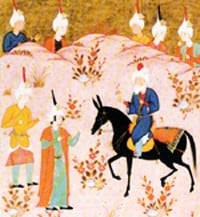
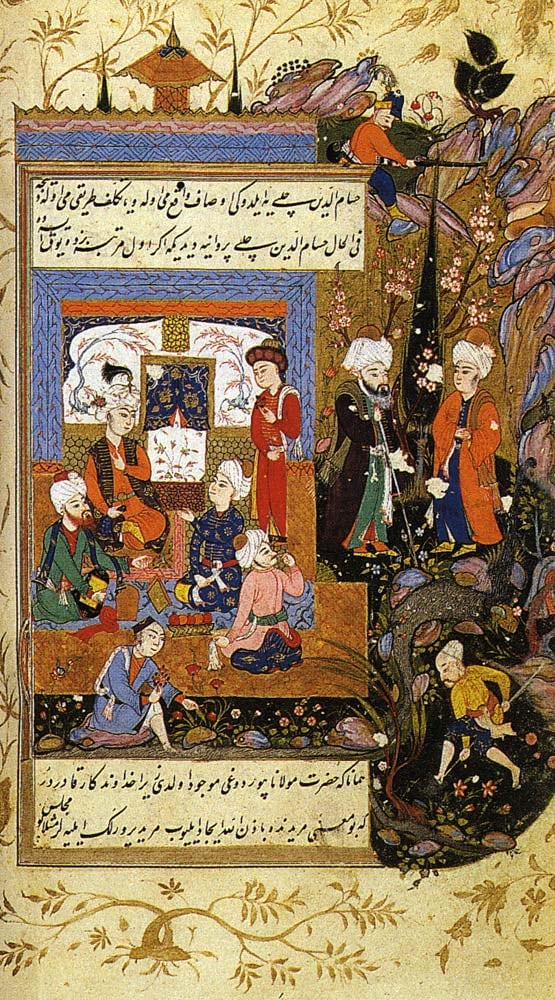
Islamic theology debated for centuries how to reconcile two kinds of verses: those affirming that nothing is like God (42:11) and those attributing to him hands, a face, hearing or sight. Whoever stresses the former practises tanzīh, the declaration of incomparability; whoever takes the latter literally falls into tashbīh, likeness. Ibn Arabi, in the chapter on Noah of the Bezels of Wisdom (Fuṣūṣ al-ḥikam), holds that keeping only incomparability limits God as much as keeping only likeness, and that perfect knowledge unites both. God is transcendent in his Essence and immanent in his manifestations.
Advaita Vedanta · turīya
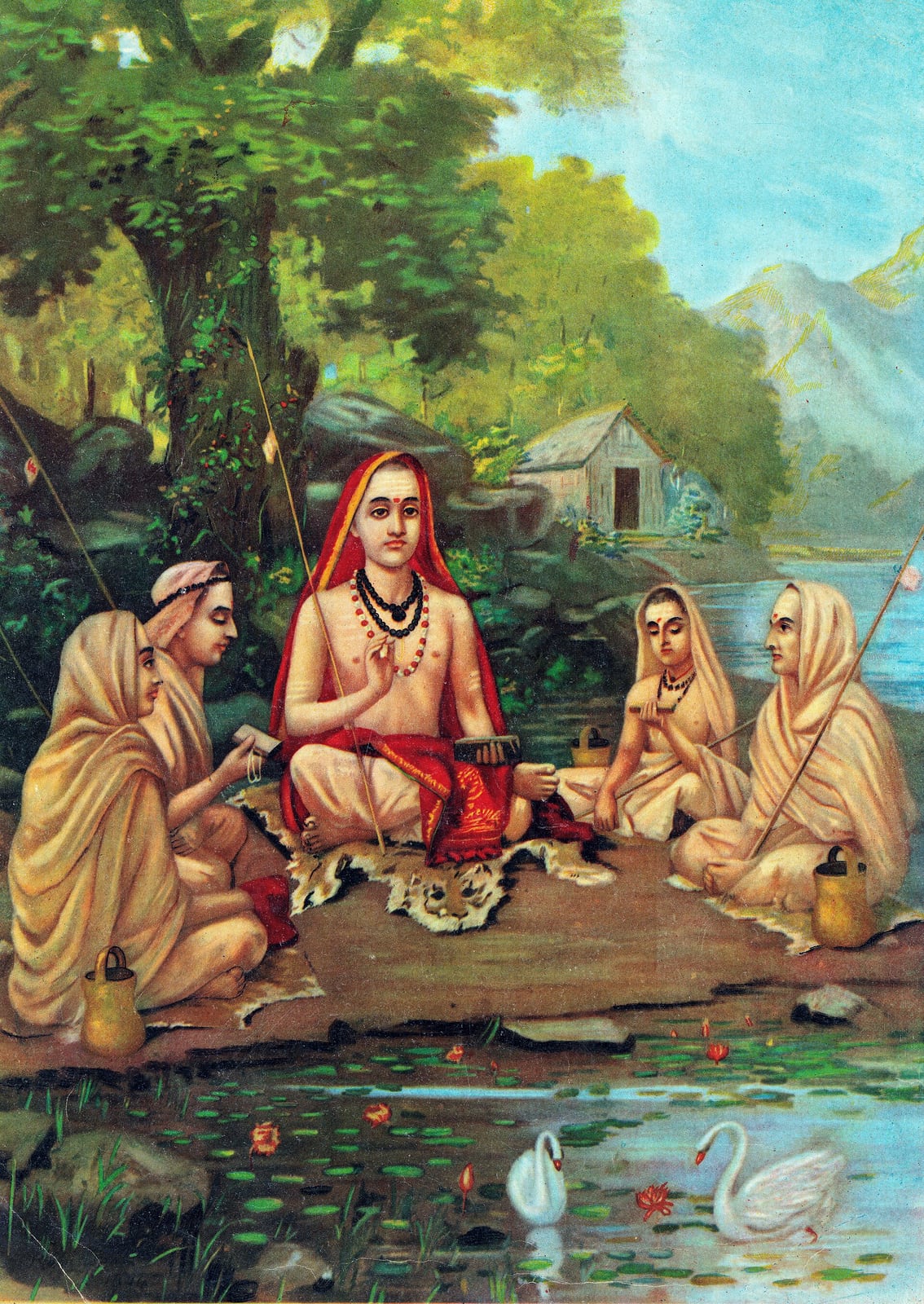
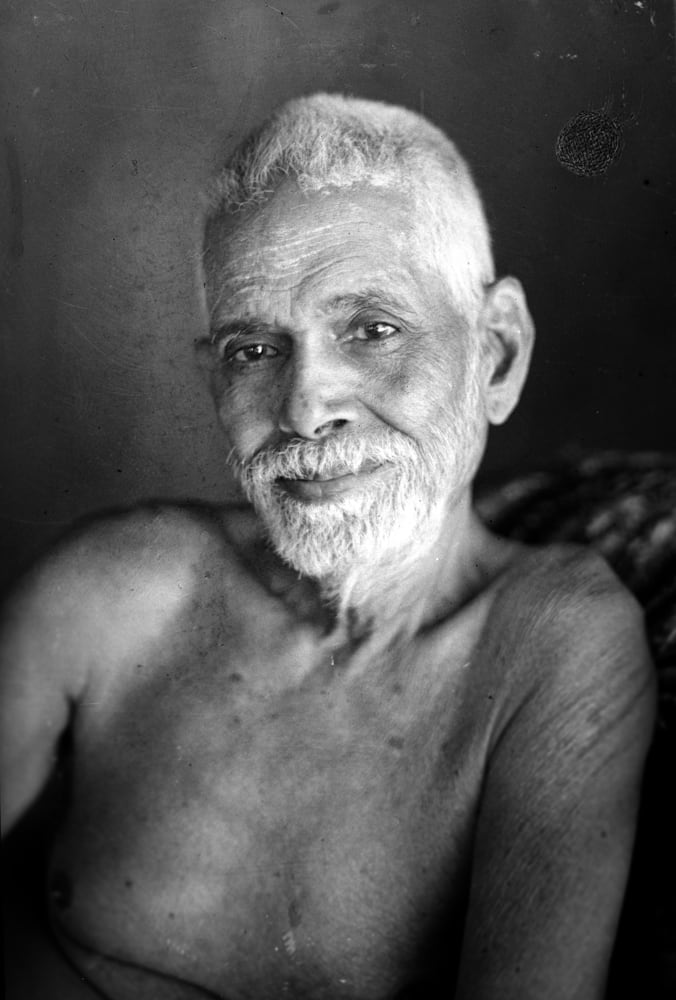
The Māṇḍūkya Upaniṣad, the shortest of the principal Upaniṣads, describes four aspects of the Self: waking, dreaming, deep sleep and a fourth, turīya, which is consciousness neither of the inner nor of the outer, is invisible, ungraspable and indefinable, and is the ātman that is to be known (verse 7). Gauḍapāda's Kārikā and the commentary attributed to Śaṅkara insist that it is not a fourth state among others but the ground of the three. For Vedānta, transcendence does not lie beyond the subject but at its root. Ramana Maharshi used to say that turīya is not something to be attained: it is what is always present.
Theravada · lokuttara
Theravāda Abhidhamma classifies phenomena as mundane (lokiya) and supramundane (lokuttara). The supramundane are the four paths of liberation, their four fruits and nibbāna, the only unconditioned element. The Udāna (8.1) describes nibbāna as a sphere where there is neither earth, water, fire nor air, neither this world nor another, neither coming nor going. It is a transcendence without a creator, without any personal or impersonal Absolute that grounds the world, and without a self that dwells in it. The Buddha also refused to describe in categories of existence the state of the liberated one after death, which prevents turning this transcendence into a metaphysics.

Daoismus · 道 / 天
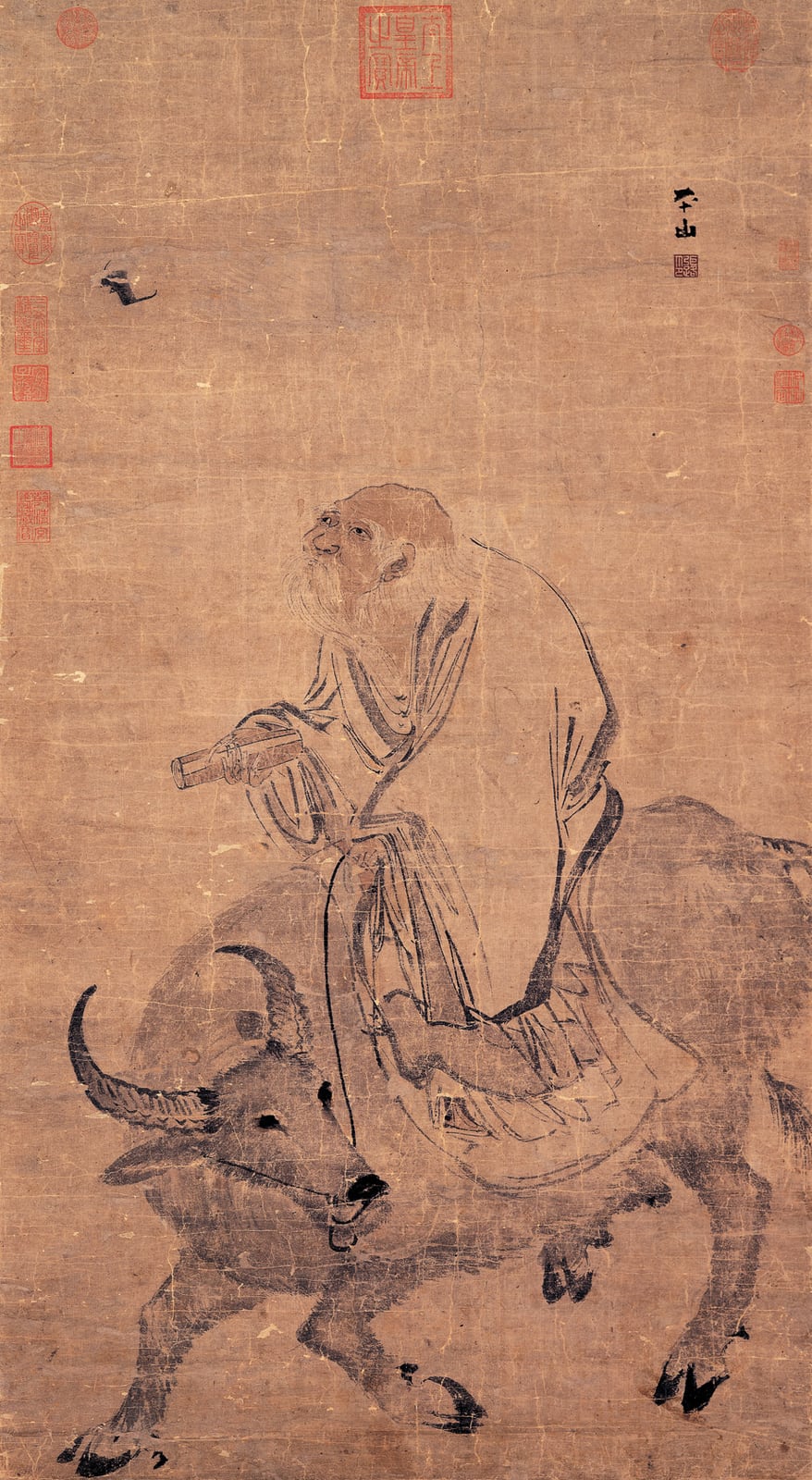
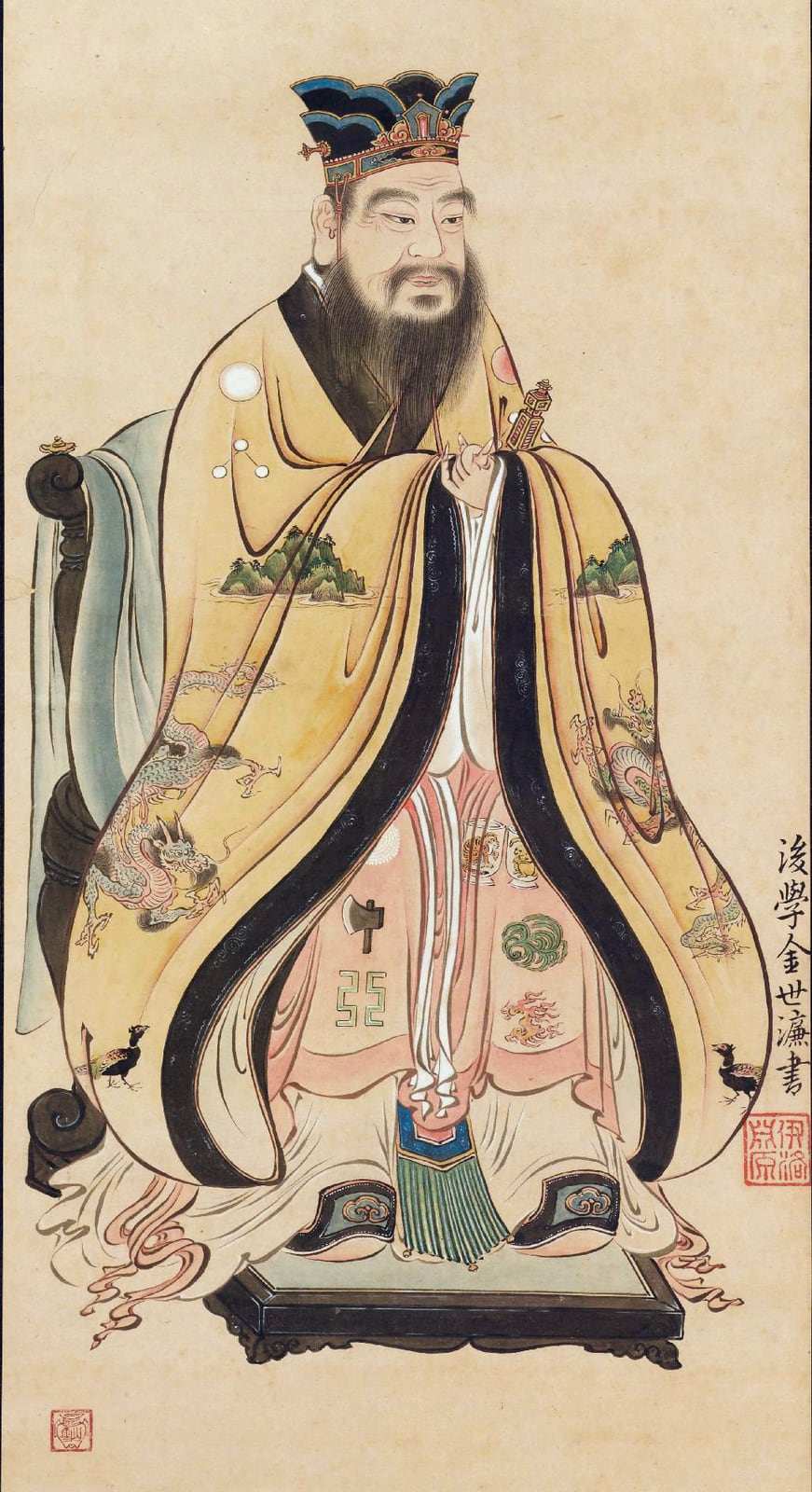
The Daodejing begins by stating that the Dao that can be spoken is not the constant Dao, and that the name that can be named is not the constant name (ch. 1). The Dao precedes Heaven and Earth (ch. 25), but is not outside them: it acts in the ten thousand beings without dominating them. Confucius speaks of Heaven with reverence, but observes in the Analects (17.19) that Heaven does not speak, and yet the seasons follow their course and beings are born. Some modern Chinese philosophers, such as Mou Zongsan, described this position as immanent transcendence. There is no creation from nothing and no separate God: the ultimate hides in the very course of things.
Verwandte Fragen