Liberation
मोक्ष
mokṣa
sa · Devanagari
Release, unbinding; in the Indian schools, liberation from the cycle of births and deaths (saṃsāra).
nibbāna
nibbāna
pi · Latin
Pali form of nirvāṇa: extinction, the going out of the fires of greed, hatred and delusion.
कैवल्य
kaivalya
sa · Devanagari
Isolation, absolute aloneness; in Yoga and Jainism, the condition of consciousness or soul set apart from everything it is not.
解脫
jiětuō
zh · Han
To untie and slip free; Chinese Buddhist term for liberation (vimokṣa), with the image of undoing a knot.
σωτηρία
sōtēría
grc · Greek
Salvation, preservation, safety; in the New Testament, God’s action that rescues from sin and death.
גְּאֻלָּה
geʾullāh
he · Hebrew
Redemption, ransom; from the verb by which the next of kin (goʾel) buys back a person or land; later, the redemption of Israel.
Liberated, but from what
To speak of liberation presupposes a prior bondage, and that is where the differences begin. Every tradition that uses this concept answers, even if it does not say so, three questions: what one must be freed from, who it is that is freed, and what remains afterwards. Beneath words we usually translate alike, mokṣa, nibbāna, kaivalya, sōtēría or geʾullāh, the answers are often incompatible.
In classical India the bondage is saṃsāra, the wheel of births and deaths driven by karma. To be freed is to leave it. But the schools do not agree on what leaves. For Śaṅkara's non-dual Vedānta, liberation is not an achievement to be produced, because whatever is produced perishes; it is the very nature of Brahman, which knowledge uncovers when ignorance is withdrawn. Gauḍapāda's Kārikā on the Māṇḍūkya Upaniṣad (2.32) takes this to the limit: from the ultimate standpoint there is neither dissolution nor origin, no one bound and no one who seeks or attains liberation. For Jainism, by contrast, souls are many and real, and liberation consists in each one shedding the karmic matter that weighs it down and rising to the summit of the universe while keeping its individuality.
Extinction, isolation, redemption
Early Buddhism speaks of nibbāna, going out. In the Fire Sermon (Saṃyutta Nikāya 35.28) everything burns with the fire of greed, hatred and delusion; nibbāna is its extinction. Since Buddhism denies a permanent self, there is no substantial subject who is freed, and on what the liberated one is after death the Buddha refused to speak in terms of existence or non-existence. The Udāna (8.3) nonetheless affirms that there is something unborn and unconditioned, without which there would be no escape from the conditioned. Patañjali's Yoga calls the final state kaivalya: the seeing consciousness is isolated from the nature it was seeing.
The Abrahamic traditions begin from a different bondage. In the Hebrew Bible geʾullāh is first the act of the kinsman who buys back an indebted relative or a sold field (Leviticus 25), and it becomes the name of God's act in bringing Israel out of Egypt and in redeeming it at the end of days. It is collective, historical and expected within the world. The sōtēría of the New Testament frees from sin and death, and its final form is not leaving the body but resurrection (1 Corinthians 15); Paul goes so far as to say that the whole creation will be set free from its bondage to decay (Romans 8:21).
Daoism and Confucianism hardly use this frame. The Daodejing (ch. 16) speaks of returning to the root and of stillness; the Zhuangzi (ch. 1), of a free and unfettered wandering. The point is not to escape a cycle but to stop forcing the natural course of things.
What is shared and what is irreducible
There is a genuine kinship. Almost all these traditions locate bondage in something human beings do not see clearly, whether ignorance, desire, sin or forgetfulness, and almost all demand a transformation that cannot be reduced to a change of beliefs.
But the content of freedom does not coincide. Vedānta discovers that no one was ever bound; Buddhism puts out a fire without positing a self that survives it; Jainism frees individual souls that endure; Judaism awaits the redemption of a people in history; Christianity promises the resurrection of the whole person. To say that all of them seek the same thing under different names is a particular theological thesis, not a neutral observation.
Aus jeder Tradition
Advaita Vedanta · mokṣa
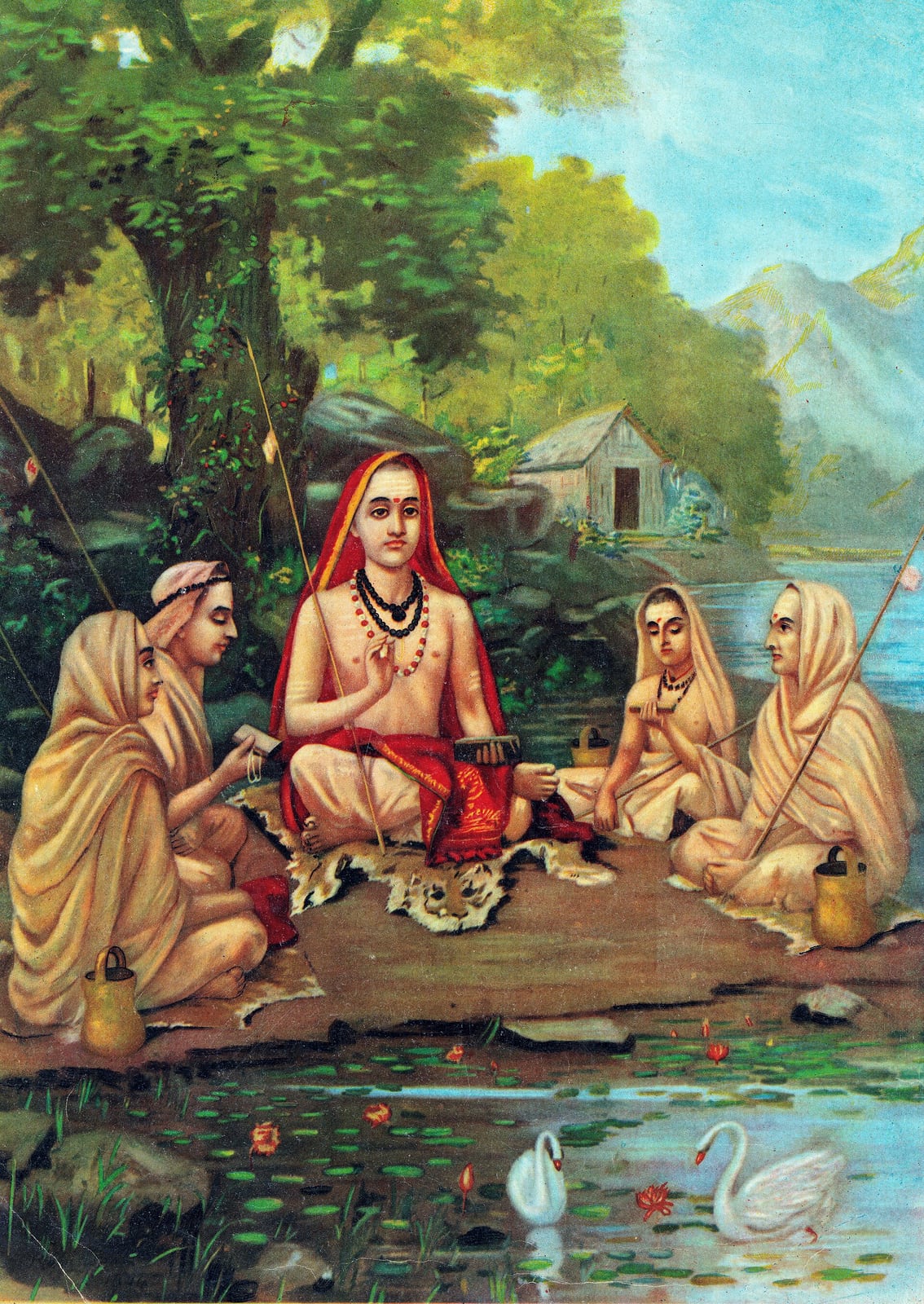
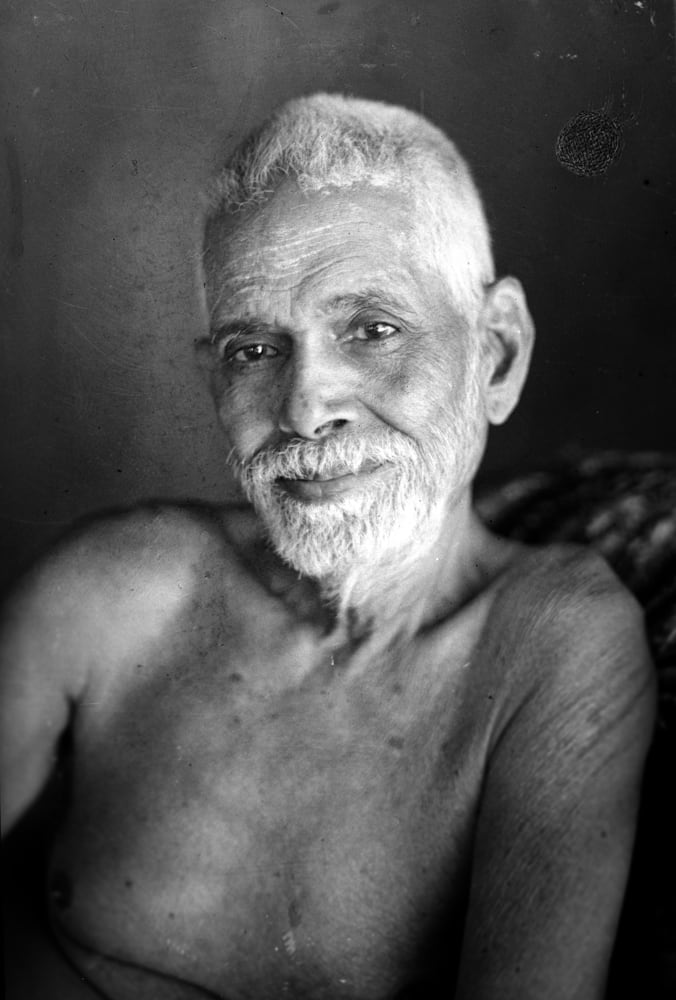
For Śaṅkara liberation cannot be the fruit of ritual action or of meditation understood as causes, because whatever is produced comes to an end; he argues this in his commentary on the Brahma Sūtra (1.1.4). Mokṣa is the eternal nature of Brahman, and knowledge of the identity between the Self (ātman) and Brahman does not create it but removes the ignorance that concealed it. That is why liberation in life (jīvanmukti) is possible. Ramana Maharshi puts it practically: before asking how to be freed, one should enquire who believes himself bound. Nisargadatta places freedom in ceasing to take oneself for what is perceived.

Theravada · nibbāna
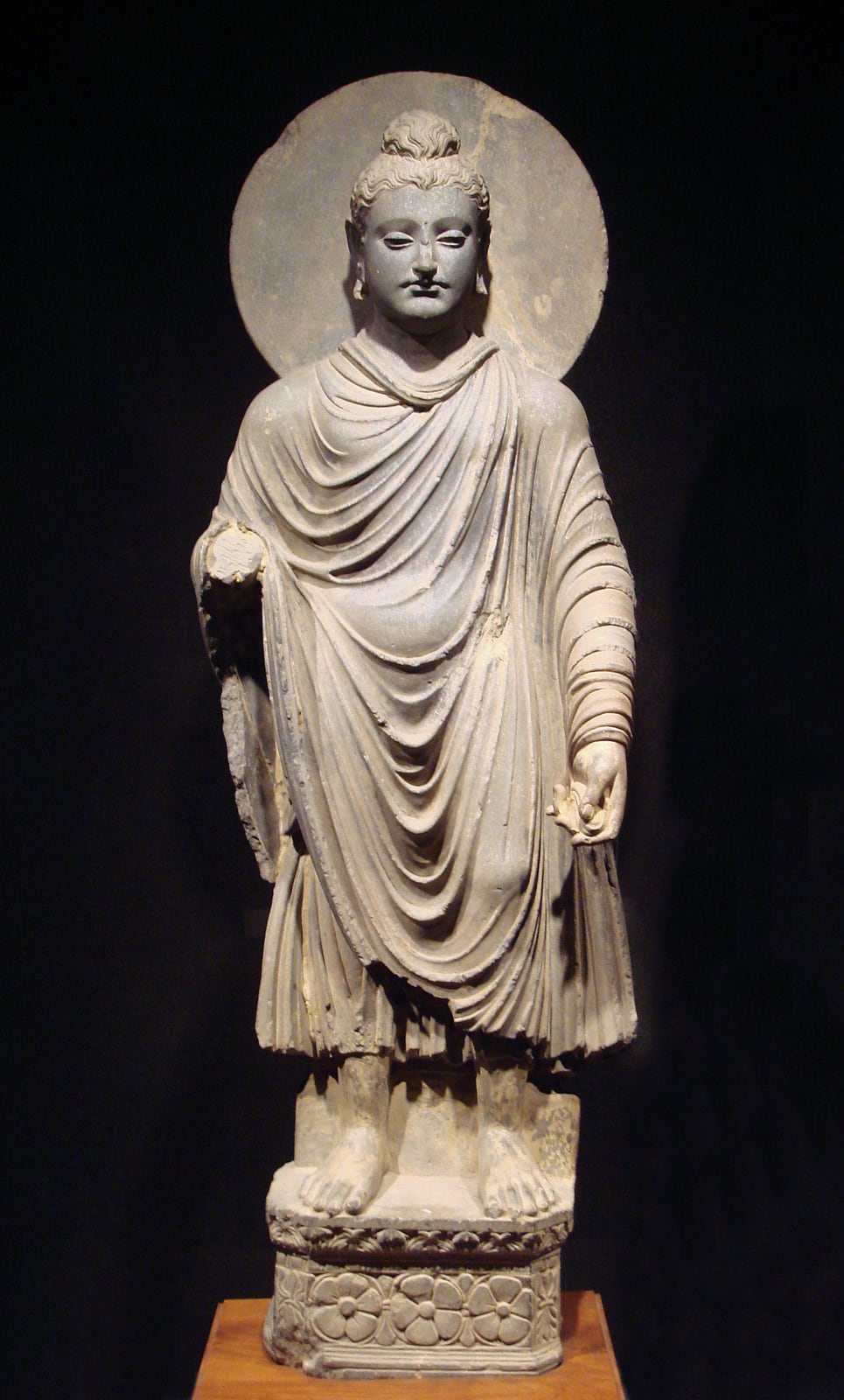
In the Pali canon, nibbāna is the cessation of thirst and, with it, of suffering. The Fire Sermon (SN 35.28) describes the senses and the mind burning with greed, hatred and delusion; to be freed is for that fire to go out. The Itivuttaka (44) distinguishes nibbāna with remainder, that of the liberated one still living with the aggregates, and nibbāna without remainder, after death. On the state of the liberated one after death, the Buddha declines to say that he exists, does not exist, both or neither (Majjhima Nikāya 72), because those categories do not apply. The Udāna (8.3) affirms an unborn and unconditioned realm without describing it as a self.
Jainismus · mokṣa / kaivalya
Jainism offers the most individual conception of liberation. Each soul (jīva) is a conscious and eternal substance, and there are infinitely many. What binds it is a subtle matter, karma, which adheres to it through the passions and through action. Umāsvāti's Tattvārtha Sūtra opens (1.1) by declaring that right faith, right knowledge and right conduct, together, form the path to liberation. When the soul sheds all karma it attains omniscience (kevala jñāna) and, at death, rises to the summit of the universe, where it remains with its individuality. There is no dissolution into an absolute and no grace from a creator: the effort is strictly one's own.
Judentum · geʾullāh
Geʾullāh grows out of a social institution: in Leviticus 25 the next of kin (goʾel) buys back land that has been sold or a relative who has sold himself for debt. The Bible then applies the verb to God, who redeems Israel from Egypt with an outstretched arm (Exodus 6:6), and the liturgy preserves it: the Amidah blessing that precedes the petition for healing invokes God as redeemer of Israel. Redemption is collective and happens in history, not outside it. Maimonides, in the Mishneh Torah (Laws of Kings 12:1), holds that in the messianic age the world will follow its natural course: what changes is Israel's freedom and the knowledge of God.
Christentum · sōtēría
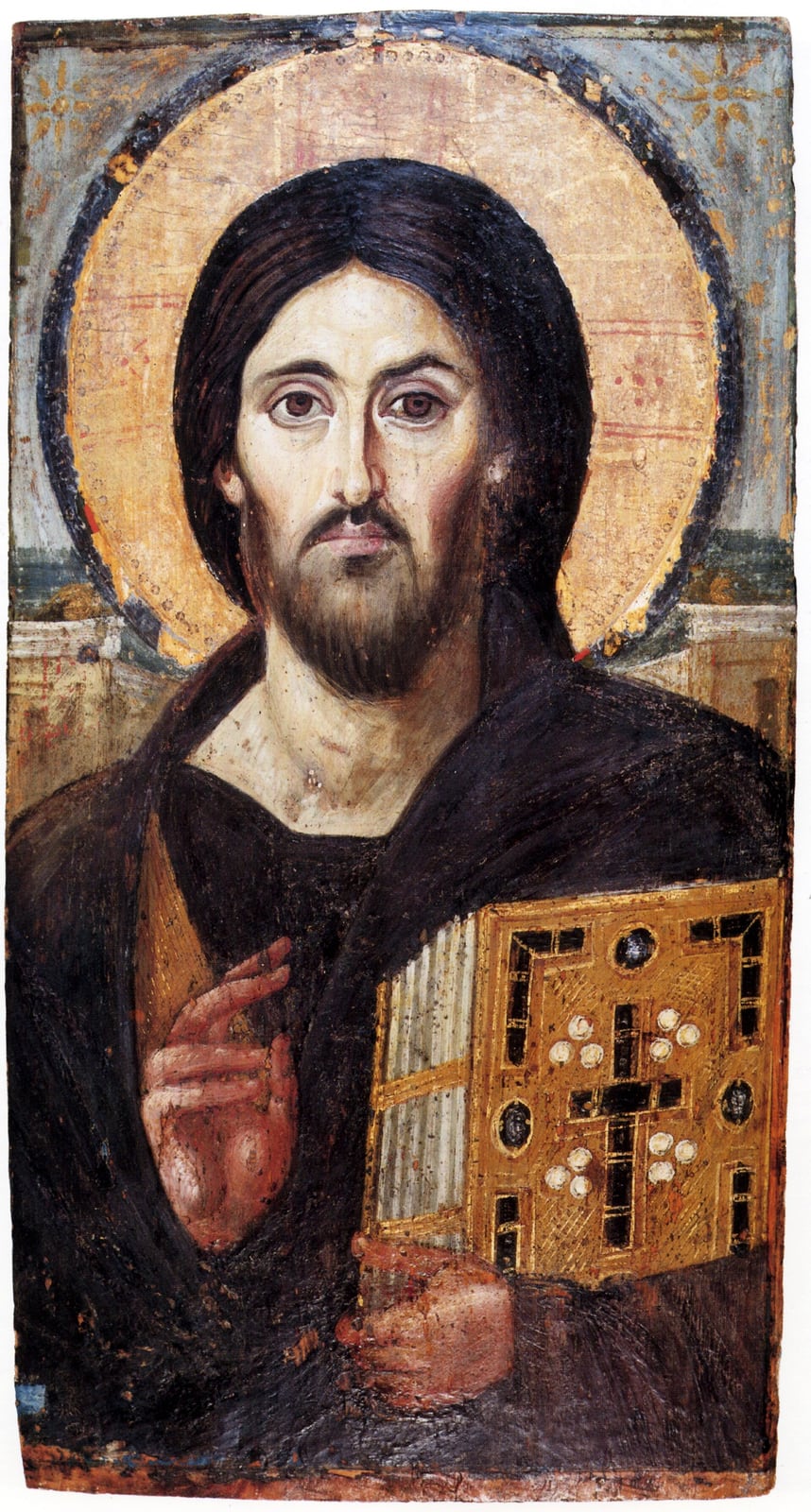
In the Gospel of Luke (4:18) Jesus begins his preaching by reading from Isaiah: to proclaim release to the captives and to set the oppressed free. Christian tradition understands salvation (sōtēría) as God's work in Christ, delivering from sin and death; it is not an escape from the body but its resurrection (1 Corinthians 15), and it reaches the whole creation (Romans 8:21). Paul describes it as freedom: for freedom Christ has set us free (Galatians 5:1). The initiative belongs to God, though the person cooperates; Teresa of Ávila speaks of union as a free gift that requires of the soul a very determined determination (Way of Perfection, ch. 21).

Daoismus · 逍遙
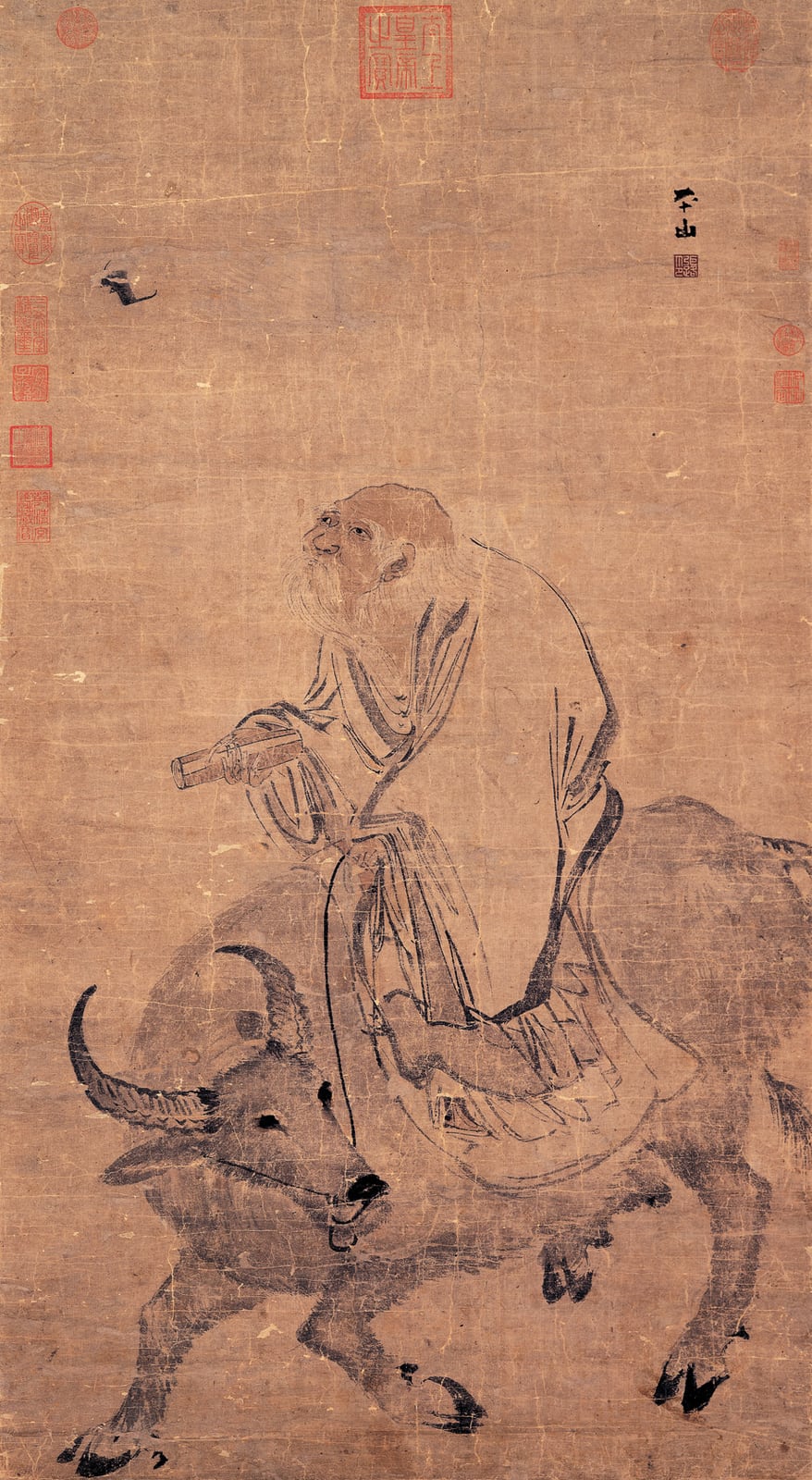
Classical Daoism does not propose liberation from the world, because it does not conceive the world as a prison. The Daodejing (ch. 16) invites one to attain utmost emptiness and keep stillness in order to see how beings return to their root, and it calls that return going back to one's destiny. The Zhuangzi opens with free and easy wandering (逍遙遊), and throughout the book freedom consists in not clinging to one's own judgements or one's own life, accepting the transformations of nature. Later religious Daoism sought immortality through alchemy and bodily disciplines, a goal different from that of the classical texts.
Verwandte Fragen