Grace
χάρις
cháris
grc · Greek
Favour, charm, gratitude; in Paul, God’s free gift that saves without depending on works.
gratia
gratia
la · Latin
Free favour, thanks; in Latin theology, the divine help that heals and elevates the person, the subject of the great controversies of Augustine and the Reformation.
חֶסֶד
ḥesed
he · Hebrew
Loyal kindness, faithful covenant love; the divine attribute that, according to Psalm 136, endures for ever. In Kabbalah, the fourth sefirah.
بركة
baraka
ar · Arabic
Blessing, a beneficent power that comes from God and is transmitted through holy persons, places and objects; in Sufism, what passes from master to disciple.
अनुग्रह
anugraha
sa · Devanagari
Favour, grace; in Śaivism, the fifth of Śiva’s acts, the one that frees the soul, after creating, sustaining, reabsorbing and concealing.
他力
tariki
ja · Kanji
Other-power; in Pure Land Buddhism, salvation through the vow of the buddha Amida, as opposed to self-power (jiriki).
What cannot be earned
Grace answers a question that troubles every spiritual path: whether what matters most can be achieved by effort or can only be received. Other questions follow: whether the gift precedes merit, whether it requires a response, whether it reaches everyone. Grace is often thought to be an exclusively Christian notion. It is not, but nor is it universal, and the traditions that know it disagree among themselves as much as with those that reject it.
The Greek cháris meant favour, charm and gratitude; the Charites were the goddesses of grace. Paul made the word the centre of his preaching: justification is a free gift, not a reward for the works of the Law (Romans 3:24). The Letter to the Ephesians (2:8-9) sums it up by saying that salvation is by grace, through faith, and does not come from works. Augustine argued against Pelagius that without grace the human being cannot will the good; the Reformation radicalised the idea with the formula sola gratia, and the Council of Trent (session VI, 1547) replied by affirming the primacy of grace together with the person's free cooperation. Orthodox theology prefers to speak of synergy and deification.
Faithfulness, blessing, election
The Hebrew Bible speaks of ḥesed, God's loyal kindness to his covenant, and of ḥen, the favour Noah found in his eyes (Genesis 6:8). Psalm 136 repeats in every verse that his ḥesed is eternal. The rabbinic tradition does not set grace against merit as Christian polemic does: it comments that Moses, though he could have pleaded his merits, asked only for a free gift (Sifre Deuteronomy 26). Islam speaks of God's bounty (faḍl) and His mercy: without them, says the Qur’an, no one would ever have been purified (24:21). Sufism adds baraka, a blessing that flows through the saints and their tombs and which the master transmits to the disciple.
India knows strikingly similar debates. The Kaṭha Upaniṣad (1.2.23) states that the Self is not obtained by instruction, intelligence or much learning, but by the one whom it chooses. In Rāmānuja's school, later theologians divided over two images: the baby monkey, which clings to its mother and cooperates, and the kitten, which its mother carries while it does nothing. Śaivism counts grace (anugraha) among the five acts of Śiva. Japanese Pure Land Buddhism took the idea to its limit: Shinran (1173-1263) taught that birth in the Pure Land depends on the vow of the buddha Amida, other-power (tariki), and not on self-power (jiriki).
Where they resemble each other and where they do not
These traditions share the experience that what is decisive comes as a gift, and the suspicion that effort believed to be sufficient feeds pride. They also share the internal debate between grace and cooperation.
But the giver is not the same. In Christianity, Judaism and Islam it is a personal, creating God; in Vedānta, on Śaṅkara's reading, the Self chooses itself; in the Pure Land, a buddha who made a vow; in Śaivism, a god who is also the ground of the soul. And some reject the idea: early Buddhism teaches that each must strive and that no one purifies another (Dhammapada 165 and 276). That Paul's grace and Shinran's tariki resemble each other is a remarkable historical fact; that they are the same is not.
Da ciascuna tradizione
Cristianesimo · cháris / gratia
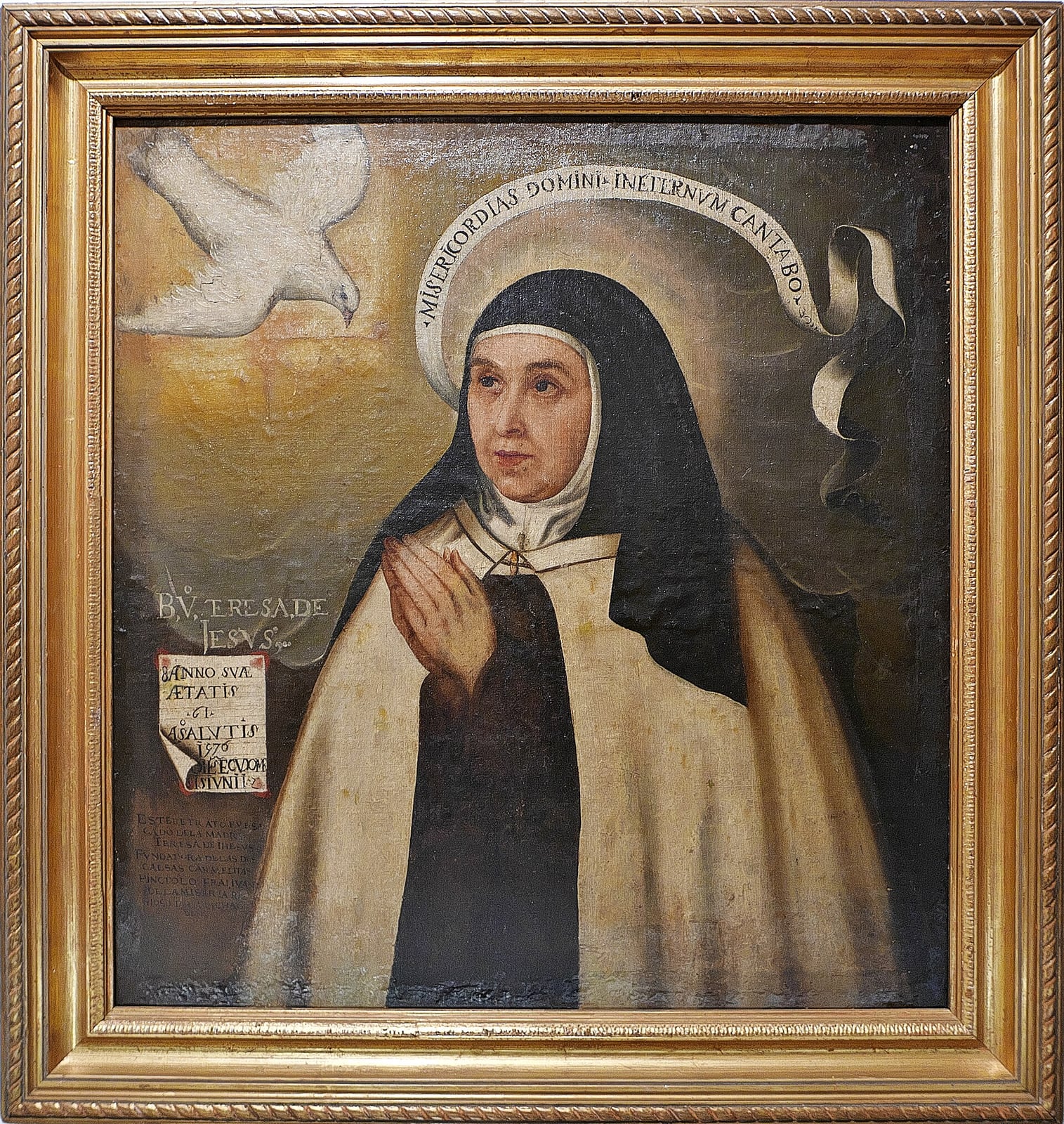
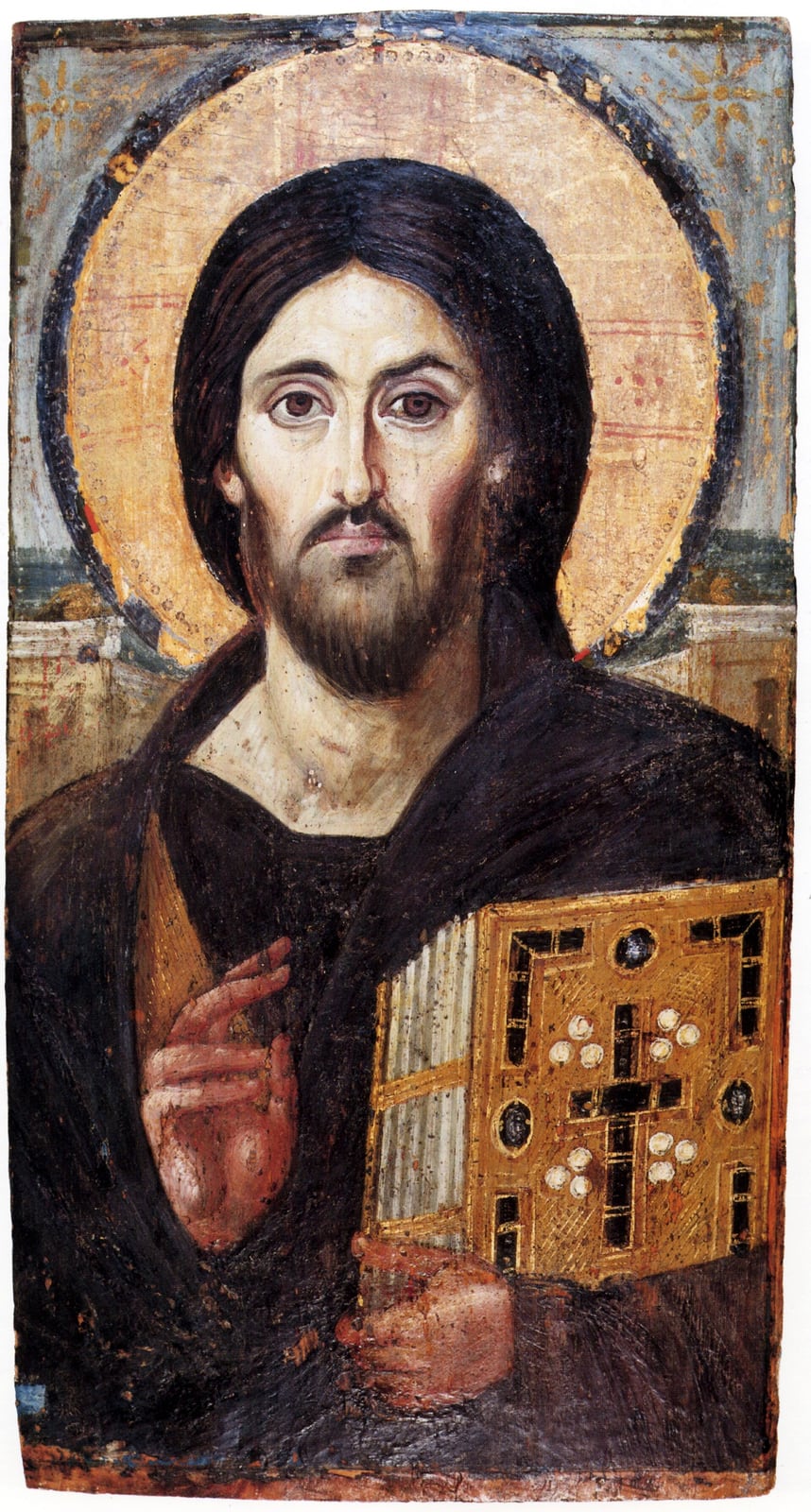
The Christian doctrine of grace originates with Paul, who presents justification as a free gift (Romans 3:24), and is fixed in Augustine's controversy with Pelagius at the beginning of the fifth century: without grace, the wounded will cannot will the good. The confessions later disagree on how grace and freedom relate. Luther and Calvin upheld salvation by grace alone, received through faith; the Council of Trent affirmed that grace precedes everything but that the person cooperates freely; Orthodoxy speaks of synergy. Teresa of Ávila writes from the Catholic position: union is a free gift, but the soul must dispose itself with determination and not rely on its own merits.
Ebraismo · ḥesed
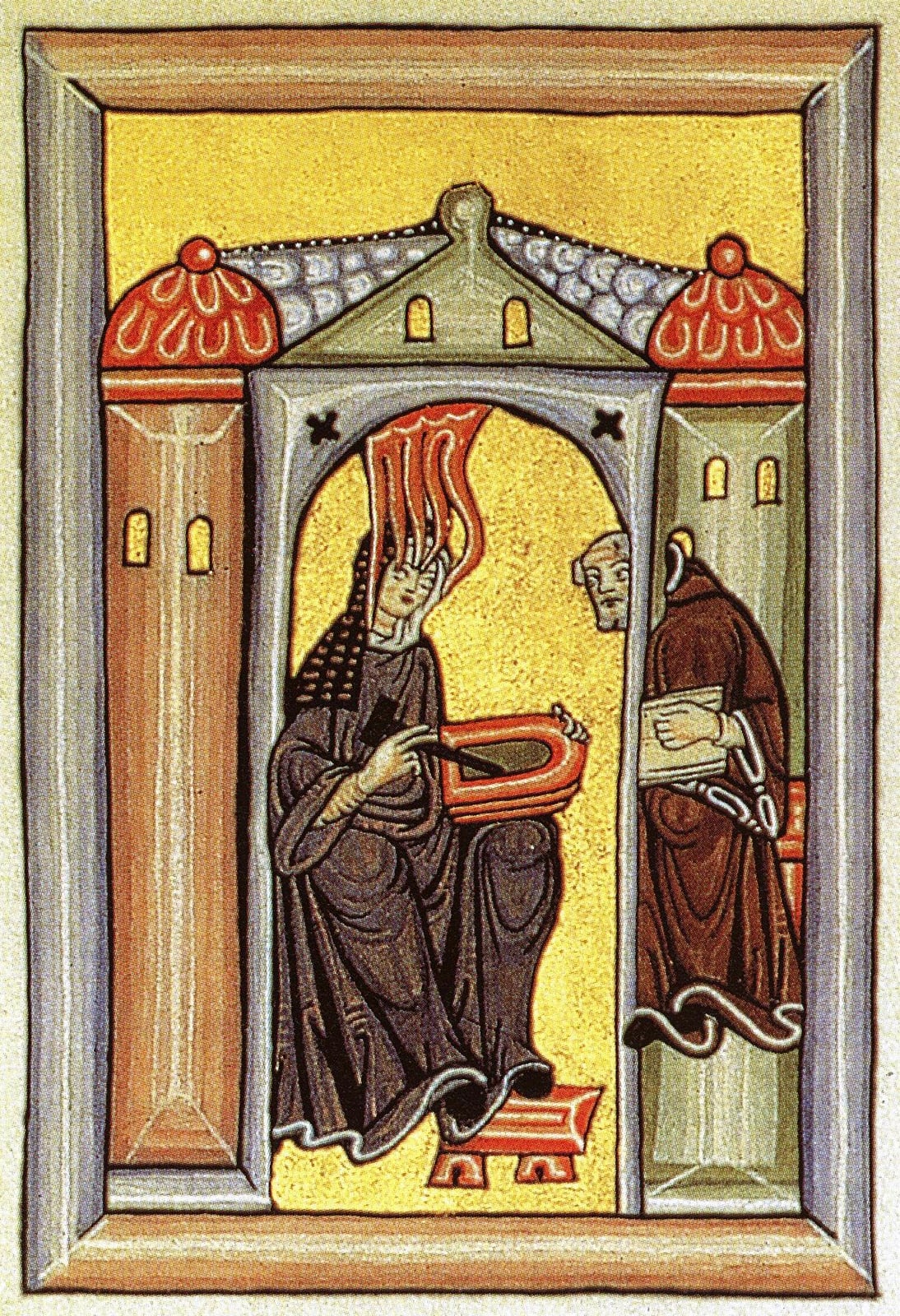
In the Hebrew Bible, ḥesed is God's kindness that remains faithful to his covenant even when the people are not. Exodus 34:6 counts it among the attributes God proclaims of himself, and Psalm 136 repeats it as a refrain. Alongside it stands ḥen, unmerited favour. The rabbinic tradition values merit (zekhut) and the observance of the commandments, but keeps an awareness of the gift: the Sifre on Deuteronomy (26) comments that Moses asked to enter the land as a free gift, not as payment. The prayer Avinu Malkenu, recited on the penitential days, asks God to answer even though there are no deeds that merit it.
Sufismo · faḍl / baraka
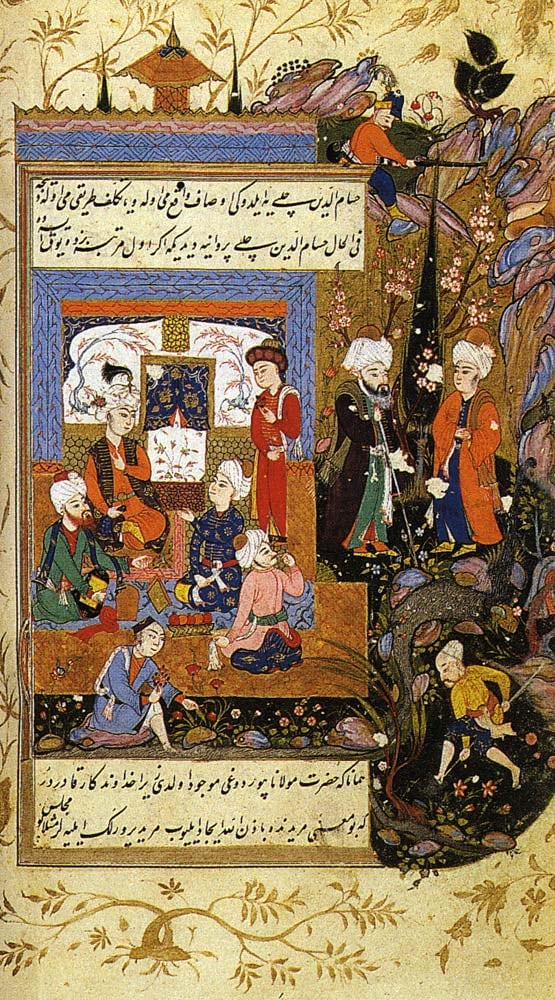
The Qur’an attributes all human purification to God's bounty (faḍl) and mercy (24:21), and a tradition recorded by al-Bukhārī and Muslim states that no one will enter paradise by his deeds alone, not even the Prophet, unless God covers him with His mercy. Sufism lives this primacy of the gift in several ways. Baraka, a blessing that comes from God, is transmitted through the chain of masters and sought near the saints. Ibn Arabi distinguishes the mercy God grants every being by the mere fact of existing from the mercy He bestows in response to deeds. Rumi describes divine attraction as the magnet that moves the soul before it begins to seek.
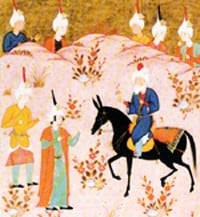
Bhakti · prapatti / kṛpā
In the Bhagavad Gītā (18.66), Kṛṣṇa asks Arjuna to abandon all duties and take refuge in him alone, and promises to free him from all evil. Rāmānuja's school made that surrender (prapatti) into a path, and his heirs divided between the thirteenth and fourteenth centuries over two images. For the northern school (Vaḍakalai), associated with Vedānta Deśika, the devotee cooperates like the baby monkey clinging to its mother. For the southern school (Teṅkalai), associated with Piḷḷai Lokācārya, grace acts like the cat that carries the kitten in its mouth while the kitten does nothing. The parallel with Christian debates on grace and freedom is striking, though historically independent.
Advaita Vedanta · kṛpā
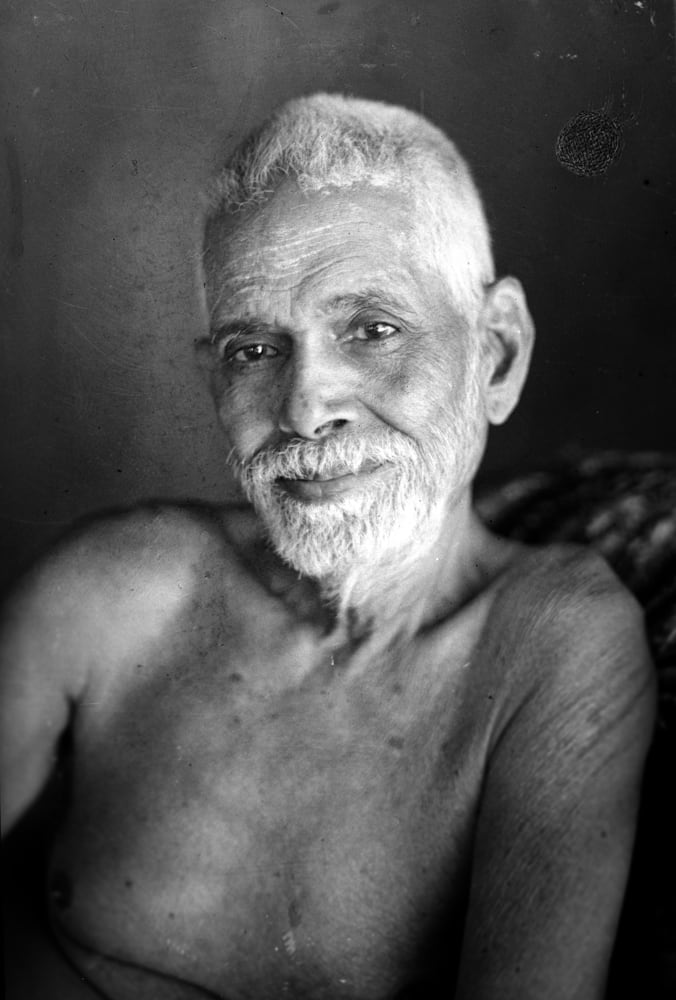
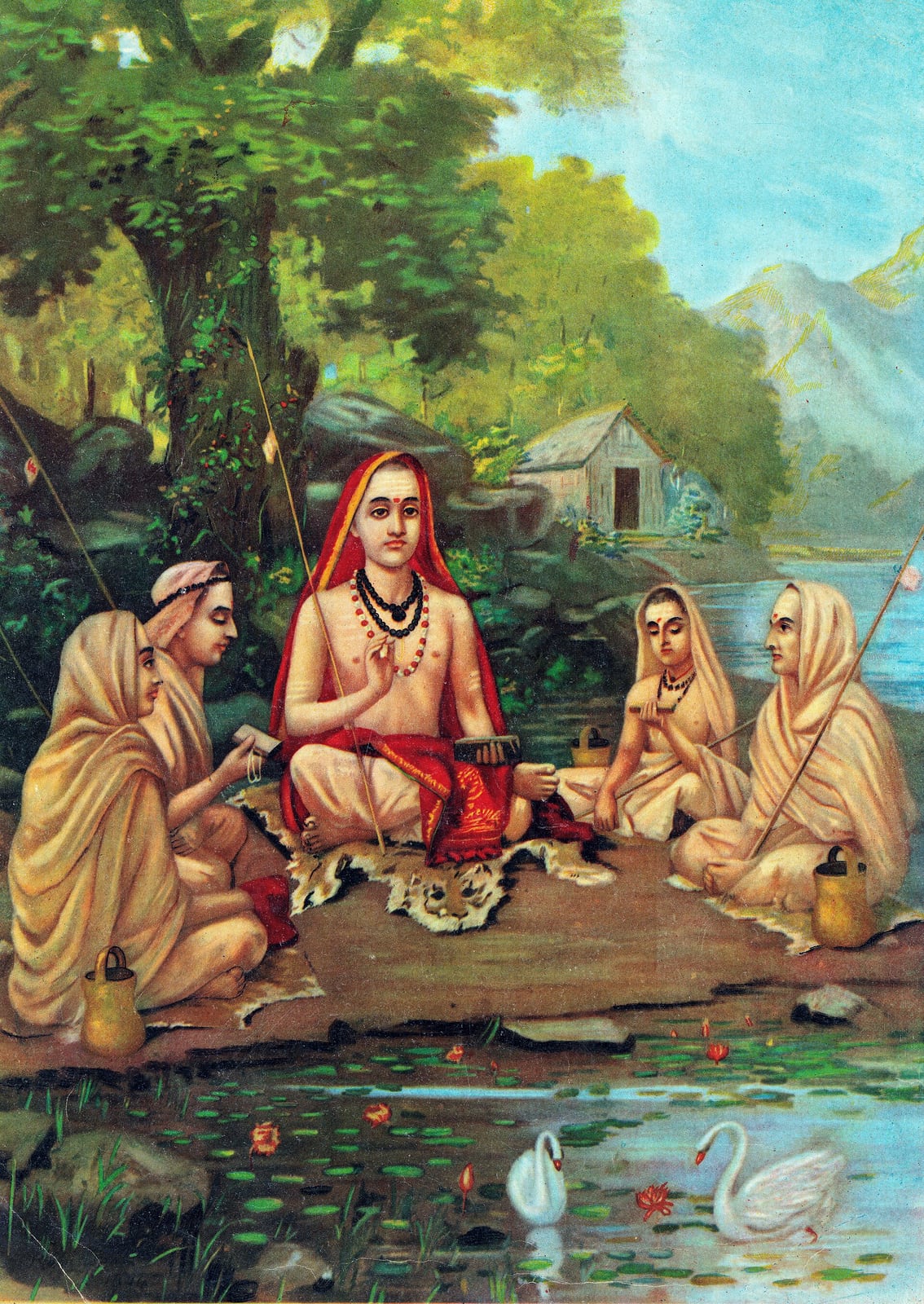
The Kaṭha Upaniṣad (1.2.23) says that the Self is not attained by instruction, intelligence or learning, but by the one whom it chooses. Theistic readings see God's grace here; Śaṅkara interprets it in a non-dual key: the Self reveals itself to one who seeks it alone, so that the chooser and the chosen are not two. Ramana Maharshi often spoke of the grace of the guru, which he identified with the Self and regarded as always present; what is lacking is receptivity. David R. Hawkins, within his own framework, held that the last step of the path is not taken by personal will but happens by grace.

Mahayana · tariki
Pure Land Buddhism rests on the vows that, according to the Sūtra of Immeasurable Life, the bodhisattva Dharmākara made before becoming the buddha Amida, among them the vow to receive into his land whoever invokes him sincerely. In Japan, Hōnen spread the recitation of the name (nenbutsu), and his disciple Shinran (1173-1263) took the doctrine to its limit: even faith and recitation are Amida's gift, not the practitioner's achievement. The Tannishō, compiled by his disciple Yuien, records in its chapter 3 the paradox that if the good person is saved, all the more so the wicked one. This total trust in other-power (tariki) contrasts with the asceticism of one's own effort.
Theravada · sin gracia
Early Buddhism offers the opposite position. The Dhammapada states that evil is done by oneself and by oneself one is purified, that purity and impurity depend on each person and no one purifies another (165), and that each must strive, for the Tathāgatas only point the way (276). There is no creator who grants liberation and no saviour who bears another's karma. Confidence (saddhā) in the Buddha, the Dhamma and the Saṅgha matters, but as a starting point that the practitioner verifies for himself. This absence of grace is deliberate and shows that the notion is not universal among contemplative traditions.

Domande correlate