Compassion
करुणा
karuṇā
sa · Devanagari
Compassion, the wish that beings be freed from suffering; one of the four sublime abidings of Buddhism and, in the Mahāyāna, inseparable from wisdom.
སྙིང་རྗེ
snying rje
bo · Tibetan
Compassion; literally heart and lord or noble. It translates karuṇā and is the basis of the mind of awakening (bodhicitta) in Tibetan Buddhism.
惻隱
cèyǐn
zh · Han
Commiseration, distress at another’s suffering; for Mencius, the innate sprout of humaneness (仁).
רַחֲמִים
raḥămîm
he · Hebrew
Mercy, tenderness; from the same root as reḥem, womb. It is one of the attributes with which God proclaims himself in Exodus 34:6.
رحمة
raḥma
ar · Arabic
Mercy; from the root r-ḥ-m, related to the womb. From it come al-Raḥmān and al-Raḥīm, the two divine names in the formula that opens the suras.
σπλαγχνίζομαι
splanchnízomai
grc · Greek
To be moved in one’s inward parts; the verb the Gospels use for Jesus’ response to the crowd or the sick, and for the Samaritan’s.
Suffering with another
The Latin word compassio calques the Greek sympátheia: to suffer with. The question humanity asks through this concept has three parts. Whether it is possible to feel another's pain as one's own; whether it is desirable; and what grounds it, human nature, the imitation of God, or the understanding that there is no separate self. That most traditions value compassion does not mean they value the same thing.
The Semitic languages tie it to the mother's body. Hebrew raḥămîm and Arabic raḥma share the root of the womb, and both traditions attribute it first to God. In Exodus 34:6 God proclaims himself compassionate and gracious; the Qur’an opens almost all its suras by invoking God as al-Raḥmān and al-Raḥīm, and states that His mercy encompasses all things (7:156). For rabbinic Judaism, human compassion is imitation of God: the Talmud teaches that one should follow His attributes, clothing the naked, visiting the sick, comforting mourners (Sotah 14a). The Greek of the Gospels uses a verb of the inward parts, splanchnízomai, for Jesus' response to the crowd (Mark 6:34) and for the Samaritan's response to the wounded man (Luke 10:33).
An emotion, a virtue, a vision
In Buddhism, karuṇā is one of the four sublime abidings, together with loving-kindness, sympathetic joy and equanimity. Buddhaghosa, in the Visuddhimagga (ch. 9), defines it as the wish to remove the suffering of others and warns of its dangers: its far enemy is cruelty, and its near enemy the sadness that passes for it. The Mahāyāna makes it inseparable from wisdom: the bodhisattva aspires to awakening for the sake of all beings, and Śāntideva, in the Bodhicaryāvatāra (ch. 8), argues that if there is no self that owns suffering, there is no reason to protect one's own rather than another's. Compassion here is grounded in a thesis about the person.
In China, Mencius (2A6) holds that every human being feels commiseration (惻隱) on seeing a child about to fall into a well, without calculation of reward, and that this feeling is the sprout of humaneness (仁). But the Confucian tradition defends a love with degrees, beginning with the family, against the impartial love of the Mohists, which Mencius rejected (3B9). The Stoics went further in caution. Seneca, in On Mercy (II.5-6), distinguishes clemency from pity, which he regards as a defect of the mind: the wise man helps the sufferer but without being swept along by passion.
What is shared and what is not
There is a common core: almost all these traditions recognise that something stirs in a human being before another's suffering and that the good life requires a response. They also share the warning that compassion can degenerate into pity, sentimentality or condescension.
The differences lie in the foundation. Biblical and Qur’anic mercy is first of all an attribute of God that human beings imitate, exercised in a personal relationship. Buddhist karuṇā rests on the absence of a separate self and extends to all beings without distinction. Mencian commiseration is a given of human nature, cultivated by degrees. Stoic clemency helps without suffering. To say that all of them teach compassion is true; to say that they teach the same thing is not.
प्रत्येक परंपरा की दृष्टि से
थेरवाद · karuṇā
In the Pali canon, karuṇā is one of the four sublime abidings (brahmavihāra), states cultivated by radiating them in all directions towards all beings. Buddhaghosa's Visuddhimagga (fifth century) describes its practice in chapter 9: one begins with someone visibly suffering and gradually extends it to others, enemies included. Its characteristic is the wish to remove another's pain; its failure, cruelty; its counterfeit, the sadness that takes hold of the onlooker. That is why it needs the balance of equanimity. The texts also show the Buddha teaching out of compassion, a motivation the tradition regards as the reason he did not remain silent after his awakening.
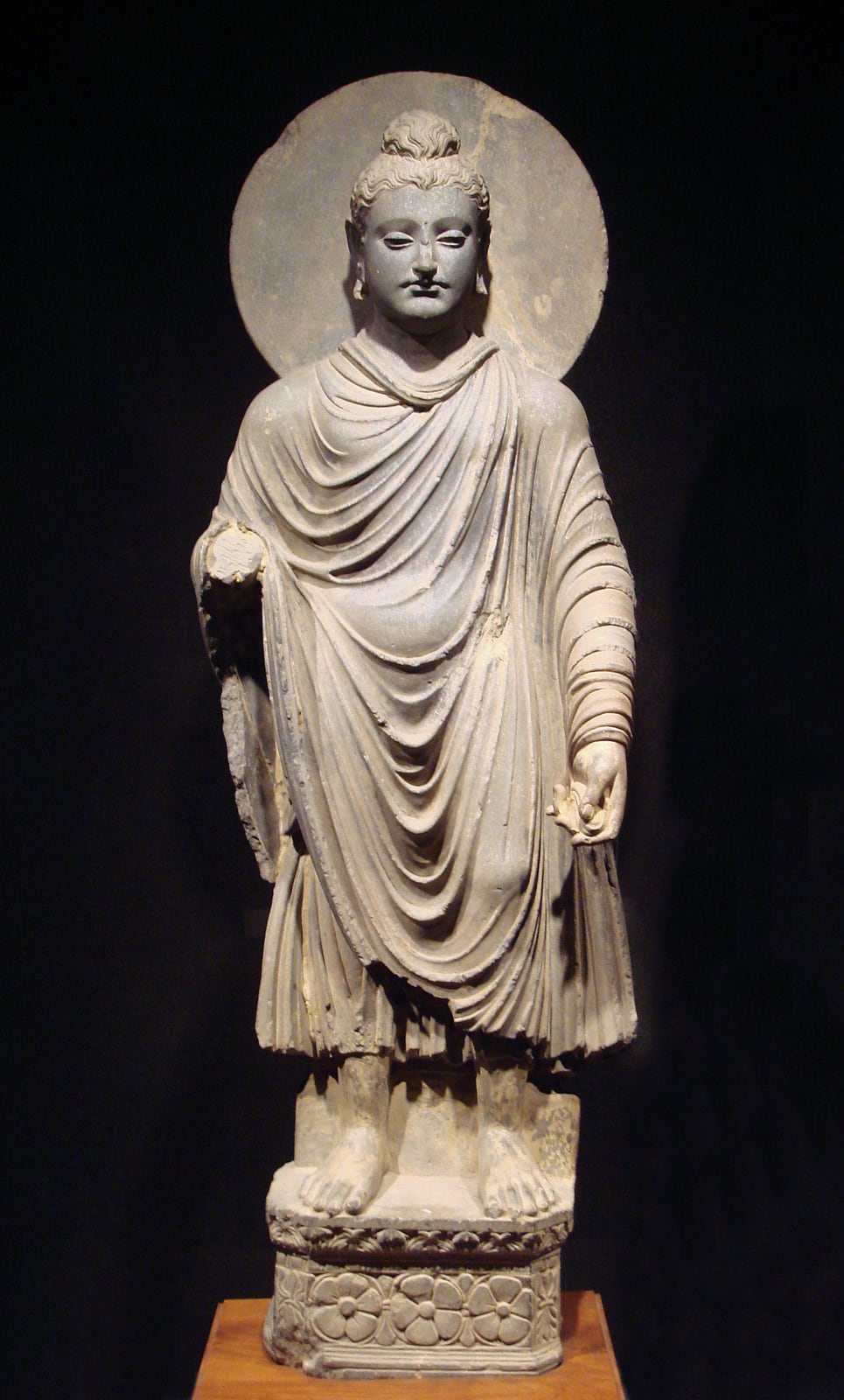
महायान · karuṇā / snying rje
The Mahāyāna raises compassion to the driving force of the path. The bodhisattva generates the mind of awakening (bodhicitta) not for himself but to free all beings, and compassion and the wisdom of emptiness are described as two wings that fly only together. Śāntideva, in chapter 8 of the Bodhicaryāvatāra, proposes equalising and then exchanging self and other, because suffering has no owner. Tibetan Buddhism preserves methods for cultivating it, such as the practice of giving and taking (tonglen). The Dalai Lama presents it as the foundation of a secular ethics; Thich Nhat Hanh links it to deep listening and to understanding the one who does harm.


कन्फ्यूशियस धर्म · 惻隱 / 仁
In the Analects Confucius tells Fan Chi that humaneness (仁) consists in loving others (12.22), and sums up conduct as not doing to others what one would not want for oneself (15.24). Mencius developed the foundation: every human being feels commiseration (惻隱) on seeing a child about to fall into a well, and this spontaneous feeling is the sprout of humaneness (2A6). But Confucianism does not preach an undifferentiated love: affection is ordered starting with one's parents and extends outward, and Mencius criticised Mozi for proposing equal love for all (3B9). Compassion here is nature cultivated within concrete relationships.

यहूदी धर्म · raḥămîm
The thirteen attributes of mercy that tradition derives from Exodus 34:6-7 begin with God's compassion and graciousness, and are recited in the penitential liturgy. The word raḥămîm derives from reḥem, womb, and suggests the tenderness of one who has given birth. The Talmud turns the divine attribute into a human obligation: just as God clothed Adam, visited the sick Abraham and comforted Isaac, so must one do (Sotah 14a). That imitation takes concrete form in precepts such as charity (tsedakah) and acts of loving-kindness (gemilut ḥasadim). Jewish compassion is not an abstract feeling: it is a prescribed conduct answering a God who first has compassion.
इस्लाम · raḥma
Raḥma is the attribute with which the Qur’an most often presents God: al-Raḥmān and al-Raḥīm open every sura but one, and God declares that His mercy encompasses all things (7:156). A tradition recorded by al-Bukhārī and Muslim states that, on creating, God wrote that His mercy prevails over His wrath. The believer is called to reflect it in dealing with the weak and with animals. Ibn Arabi made it an ontological principle: the very existence of creatures is the effect of God's merciful breath (nafas al-Raḥmān). Rumi sings it as the love that precedes and sustains everything.


ईसाई धर्म · splanchnízomai
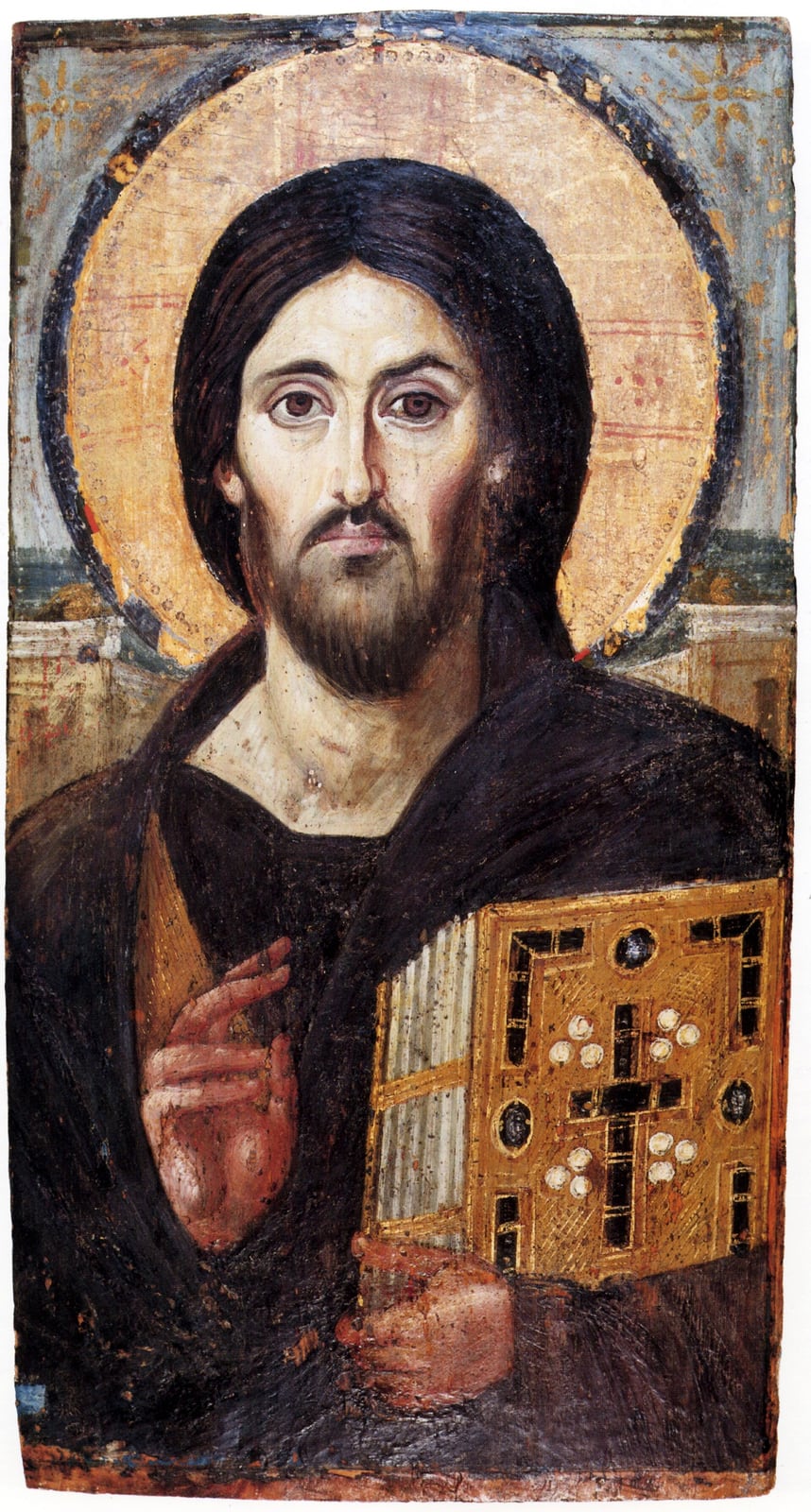
The Gospels use the verb splanchnízomai, to be moved in one's inward parts, to describe Jesus' response to the crowd without a shepherd (Mark 6:34; Matthew 9:36) and to the leper (Mark 1:41), and they also ascribe it to the Samaritan who stops for the wounded man (Luke 10:33) and to the father of the prodigal son (Luke 15:20). Compassion always becomes a gesture: healing, feeding, welcoming. Jesus commands his hearers to be merciful as the Father is merciful (Luke 6:36) and, in the judgement scene (Matthew 25:31-46), identifies service to the needy with service to himself. Teresa of Ávila insists that love of neighbour is the surest sign of love of God.

स्टोइकवाद · clementia
The Stoics offer the clearest counterpoint. For them pity or commiseration (éleos, misericordia) is a passion, a suffering over another's misfortune that clouds judgement. Seneca, in On Mercy (II.5-6), states that the wise man does not pity in that sense, but not out of hardness: he will rescue the shipwrecked, give to the needy and restore the son to the weeping mother, with a calm mind. Clemency is a virtue of reason; pity, a defect of the weak mind. Stoicism grounds that help in the idea of a rational community of all human beings. Active benevolence here takes the place of suffering with.
संबंधित प्रश्न